Japan Golden Route Itinerary: The Essential First-Timer's Guide
Plan the Japan Golden Route with 2026 JR Pass trade-offs, Shinkansen logistics, and a city-by-city breakdown of Tokyo, Hakone, Kyoto, and Osaka.
On this page
Last updated July 2026. The Japan Golden Route links Tokyo, the Hakone and Mt. Fuji corridor, Kyoto, and Osaka into a single Shinkansen-connected loop, and it remains the default itinerary for most first-time visitors to Japan. This guide breaks down the JR Pass trade-offs, the city-by-city stops, and the seasonal timing decisions that separate a smooth week from an over-scheduled one.
If your party is considering driving the longest leg, use the Tokyo–Kyoto car vs train cost comparison to include tolls, fuel, parking, luggage and door-to-door time before changing the rail-first plan.
What Is the Japan Golden Route?
The Japan Golden Route links Tokyo, the Hakone and Mt. Fuji corridor, Kyoto, and Osaka into one rail-connected loop. Many travelers add Nara as a short side trip between Kyoto and Osaka. The route earns its name from density: it covers Japan's most recognizable landmarks without long detours between them. Most first-time visitors budget seven to ten days for the loop, matching the point-to-point ticket math below. For a paced version of this exact loop, see this 10-day Japan itinerary.

Getting Around the Golden Route: Shinkansen, JR Pass, and Luggage Logistics
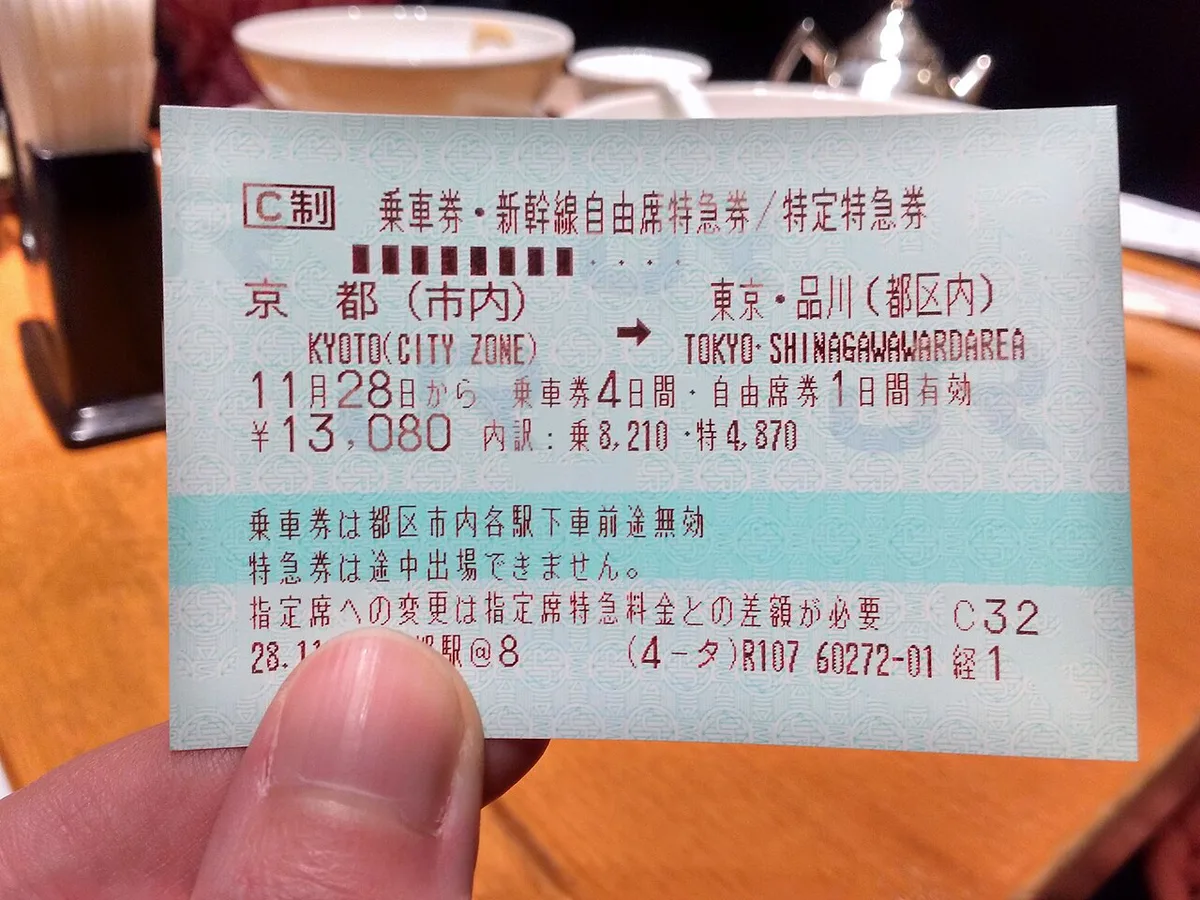
The Shinkansen bullet train is the backbone of the Japan Golden Route. It connects Tokyo, Odawara for Hakone, Shizuoka, Nagoya, Kyoto, and Osaka on one line. Most travelers choose between the national JR Pass, individual point-to-point tickets, or a regional pass. The JR Pass does not cover the fastest Nozomi and Mizuho services. Riders need a separate upgrade ticket to use them, or they can stick to the Hikari and Kodama trains the pass already covers. Takkyubin luggage-forwarding services can send suitcases ahead to the next hotel, so travelers skip hauling bags through stations. The Shinkansen also enforces an oversized-baggage rule: bags over a set combined-dimension threshold need a reserved seat with luggage space, booked in advance.
Enter the Golden Route legs and travel dates in the JR Pass Calculator to compare national and regional passes with the same point-to-point tickets described below. Then price Tokyo-to-Kyoto luggage forwarding and check the 160 cm Shinkansen threshold with your packed measurements.
| Option | Best For | Trade-off |
|---|---|---|
| National JR Pass | The full 7-10 day Golden Route loop | 2023 price increase narrowed savings; Nozomi/Mizuho need an upgrade surcharge |
| Point-to-point tickets | Shorter loops or Nozomi-heavy travel | Each leg is booked and paid separately, with no pass flexibility |
| Regional pass (Kansai-area) | Extra days around Kyoto, Osaka, Nara | Doesn't cover the Tokyo-to-Nagoya backbone leg |
- National JR Pass: best for the full multi-city loop; the 2023 price increase narrowed its savings margin against individual tickets.
- Point-to-point tickets: best for shorter loops or heavy Nozomi use, since Nozomi and Mizuho need a separate surcharge under the pass.
- Regional passes: best for travelers spending extra days concentrated around Kyoto, Osaka, and Nara.
- Takkyubin luggage forwarding: sends suitcases ahead to the next hotel so you travel hands-free between stations.
- Oversized-baggage reservation: required on the Shinkansen for large suitcases above the line's combined-dimension threshold.
Tokyo: The Neon Gateway to the Golden Route
Tokyo is the starting gateway for most Golden Route trips. The city pairs modern landmarks with historic sites within a short train ride of each other.
- Tokyo Skytree: a 634-meter broadcasting tower with a glass-floor observation deck, opened in May 2012. Best for photographers and first-time visitors who want the tallest vantage point in the city.
- Imperial Palace: moated grounds with kept gardens, a quiet contrast to the office towers around it. Best for history buffs and anyone wanting a walking or running loop.
- Odaiba: a reclaimed-land island in Tokyo Bay linked to the mainland by Rainbow Bridge, home to Aqua City Odaiba mall and Odaiba Kaihin Park. Best for families with a free afternoon.
- Ginza: department stores and long-established restaurants line the main street, with galleries on the side streets. Best for shoppers and art-focused travelers.
- Tokyo Dome City: an attractions complex near Suidobashi Station. Best for families or travelers already based in that part of the city.
The Scenic Mid-Point: Mt. Fuji, Hakone, and Shizuoka
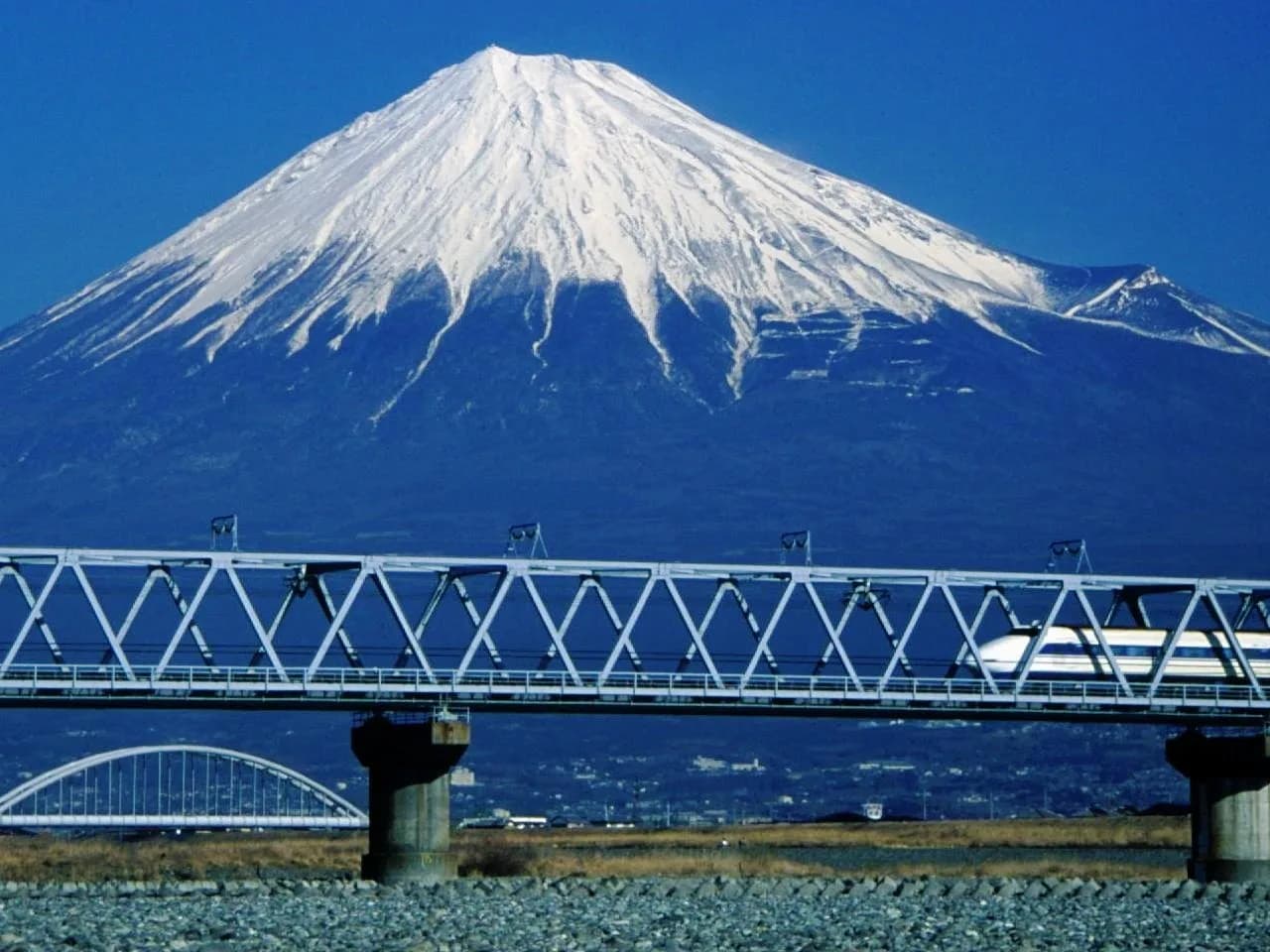
Splitting the ride from Tokyo to Kyoto with a mid-route stop keeps travel days manageable. This stretch is also where Mt. Fuji comes into view on clear days.
- Gotemba Premium Outlets: an outlet mall with Mt. Fuji views on clear days, a practical stop for shopping between Tokyo and Hakone.
- Oshino Hakkai: spring-fed ponds near Mt. Fuji. Scenic, but tour buses concentrate here, so expect crowds around midday.
- Lake Hamana: a quieter stop between Shizuoka and Nagoya, known for unagi (grilled eel) restaurants and lake views. Most Golden Route guides skip it entirely.
Kyoto: The Cultural Core
Kyoto anchors the cultural half of the Golden Route. Two sites capture the city's split between reconstructed icons and originals that survived intact.
- Fushimi Inari Taisha: the shrine's torii-gate paths draw the heaviest crowds at midday. Visit at dawn or after dinner to walk the gates without a crowd.
- Nijo-jo Castle: an authentic palace interior, including the 'nightingale floors' built to squeak underfoot as a security measure. This sets it apart from castles rebuilt after wartime losses.
Osaka: The Nation's Kitchen
Osaka closes the loop with a food-first identity and its own castle-versus-tower comparison.
| Landmark | Structure | Vibe | Best For |
|---|---|---|---|
| Tokyo Skytree | 634m broadcasting tower, glass-floor deck | Enclosed, ultra-modern | Photographers wanting the tallest view in Tokyo |
| Umeda Sky Building | Twin-tower rooftop observatory | Open-air Floating Garden | Travelers wanting an open-air sunset view in Osaka |
- Osaka Castle: a reconstructed shell that now houses a museum, set inside a park with open lawns. Compare its park-like atmosphere to Nijo-jo's original interior.
- Dotonbori and Shinsaibashi: the city's dining and shopping core, both walkable from each other.
- Umeda Sky Building: the rooftop 'Floating Garden' observatory. Its open-air deck contrasts with the enclosed observation floors at Tokyo's towers.
Costs, Timing, and Seasonal Trade-offs
Weigh these seasonal trade-offs before locking in dates. Cherry blossom weeks, typically late March into early April, bring the heaviest crowds and the highest hotel rates. Autumn foliage season, centered on November, draws a similar but shorter surge. Winter offers clearer long-distance views of Mt. Fuji, with thinner crowds at Fushimi Inari and Osaka Castle. Budget level shifts the daily cost of this route more than any single ticket choice. Hostel and capsule stays keep nightly costs low but add time spent on laundry and luggage storage. Mid-range business hotels near train stations cut transit time each morning. Ryokan stays in Hakone or Kyoto add a multi-course dinner and onsen access, at a higher nightly rate than a standard hotel. Estimate the total Golden Route cost with your actual dates, rooms and travelers before committing. Travelers who want to extend the loop with Hiroshima or Kanazawa should plan around a two-week Japan itinerary instead of compressing side trips into the basic seven-to-ten-day route.
Winter thins crowds at major temples and castles, particularly at Fushimi Inari and Osaka Castle. However, midday remains busy; visiting before dawn or after dinner further minimizes crowds at specific attractions within the Golden Route.
Common Mistakes to Avoid on the Golden Route
These planning errors show up most often on first-time Golden Route trips.
JR Pass alone skips regional connections: Odakyu reaches Hakone and Mt. Fuji access; Kintetsu links Kyoto, Osaka, and Nara. Without these private lines, travelers miss shrine and castle sites that form the cultural heart of the Golden Route's mid and final legs.
- Over-scheduling: trying to cover Tokyo to Osaka in five days leaves no slack for train delays or long lines.
- Skipping regional private lines: the Odakyu line reaches Hakone and the Kintetsu line connects Kyoto, Nara, and Osaka; JR-only planning misses both.
- Booking attractions late: Tokyo Skytree and the Ghibli Museum sell out weeks ahead during peak season.
IC Cards and Station Transfers on the Golden Route
An IC card makes the Golden Route easier once you leave the Shinkansen gates. Use Suica, Pasmo, or ICOCA for local trains, subways, buses, lockers, and many station kiosks. They are most useful in Tokyo, Kyoto, Osaka, and Nara, where short rides often involve non-JR operators.
- Tokyo: use it on JR lines, Tokyo Metro, Toei Subway, and the Yurikamome to Odaiba.
- Kyoto: use it on buses, subway lines, and private rail links to Arashiyama or Fushimi Inari.
- Osaka: use it on Osaka Metro, JR local trains, and routes around Namba, Umeda, and Tennoji.
Keep Shinkansen tickets separate from your IC card unless the tickets are linked through an official app. At major stations like Tokyo, Kyoto, and Shin-Osaka, follow Shinkansen transfer signs before tapping out. This avoids exiting into the wrong concourse with luggage.
For trip-planning details, see Japan - Wikivoyage and Tokaido Shinkansen - Wikipedia.
Frequently Asked Questions
How many days do you need for the Japan Golden Route?
Most first-time visitors need seven to ten days to cover Tokyo, the Mt. Fuji and Hakone area, Kyoto, and Osaka without over-scheduling. Add extra days if Nara is included as a side trip.
Is the JR Pass worth it for the Golden Route?
It depends on how many long-haul Shinkansen legs the trip includes. The JR Pass saw a price increase in 2023, which narrowed its savings over point-to-point tickets on shorter loops. It still tends to pay off for travelers riding the full multi-city loop, since it covers most Hikari and Kodama services.
What's the best way to avoid crowds at Fushimi Inari Taisha?
Arrive at dawn or return after dinner. Midday draws the largest tour groups along the torii-gate paths.
Should you add Hiroshima or Kanazawa to the Golden Route?
Those side trips fit better into a longer stay. Stretching the trip to two weeks first reduces the risk of an over-scheduled itinerary, since compressing extra cities into the basic seven-to-ten-day loop leaves little slack.
What's the difference between Nijo-jo Castle and Osaka Castle?
Nijo-jo keeps an authentic palace interior, including the nightingale floors. Osaka Castle's shell is a reconstruction with a museum inside, set in an open park.
Free guide: Japan's Hidden Gems
12 under-the-radar places beyond Tokyo & Kyoto — with the best season to visit each and a local tip you won't find in the guidebooks.
You might also like


Continue reading
More guides you'll find useful