Art Aquarium Museum Ginza: Tickets, Entrance, Photos
Art Aquarium Museum Ginza guide: ¥2,500 web tickets, how to find the 9th-floor entrance in Mitsukoshi, photo rules, seasonal themes, and visit length.
On this page
Last updated October 2026, this guide explains the Art Aquarium Museum Ginza, a permanent goldfish exhibition inside the Ginza Mitsukoshi department store. Listings cite more than 5,000 fish, and tickets cost ¥2,500 online for adults. Below you will find what the ticket includes, how to find the entrance, when to go, and which photo rules apply.
What the Art Aquarium Museum Ginza Includes
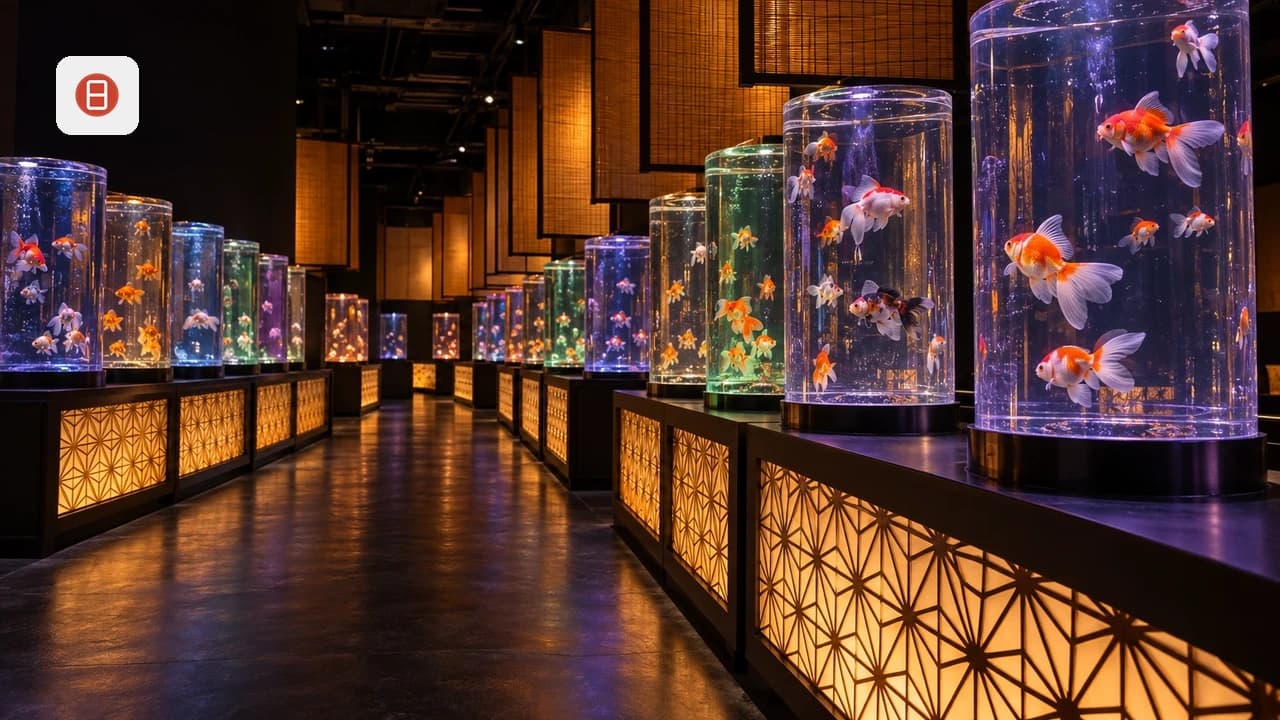
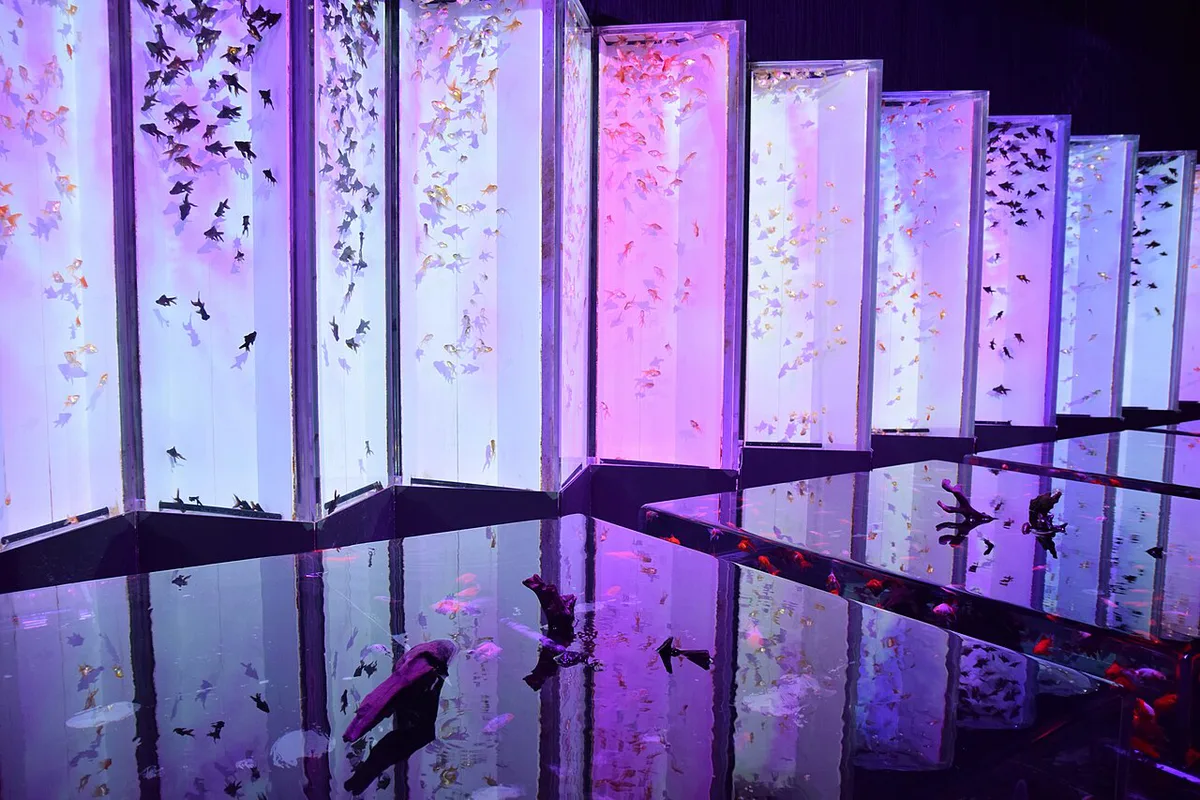
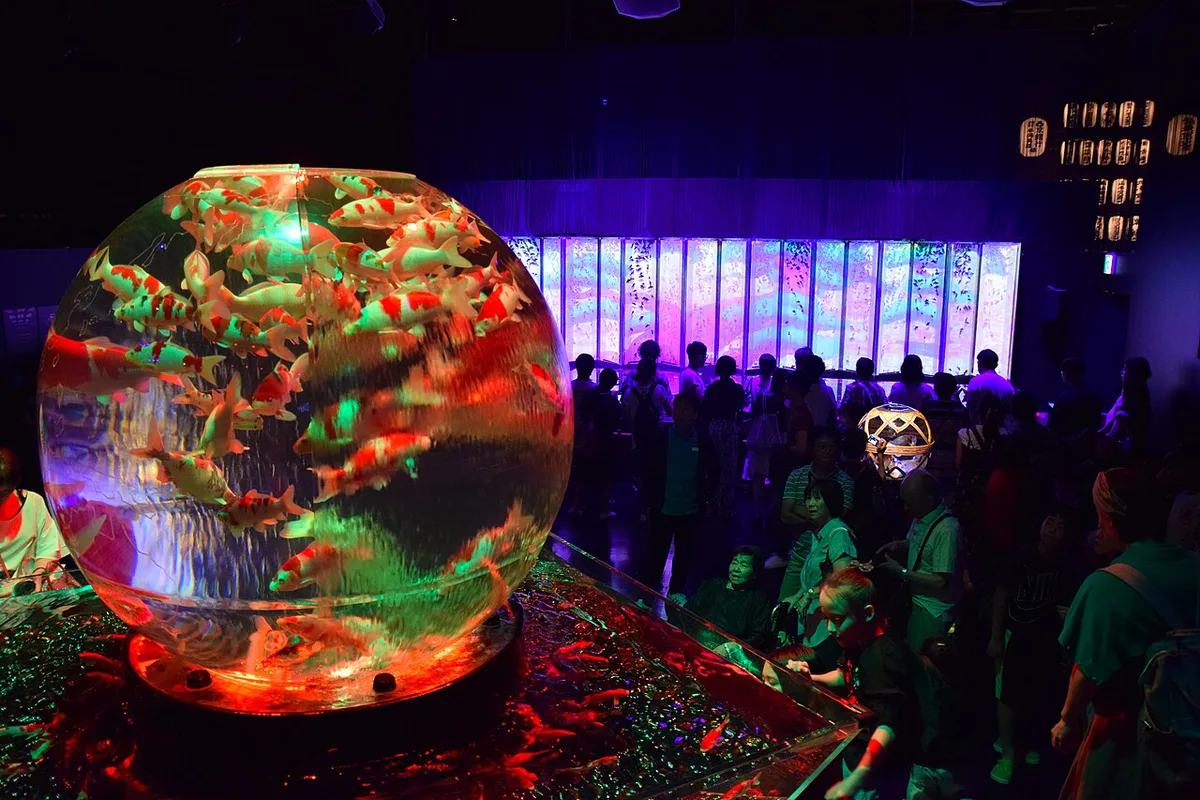
Art Aquarium Museum Ginza is a permanent exhibition, not a seasonal pop-up. Goldfish swim in tanks shaped like lanterns, hand balls, bamboo columns, and sliding screens. Light, music, and fragrance run through each room, so the visit works on more than one sense. A competitor listing says the museum opened at this address in May 2022 after moving from Nihonbashi. Hidetomo Kimura is credited as its creator. Reviewers describe lighting that acts like stage lighting, so the fish stay the focus rather than the projections. Your single admission ticket covers the walkthrough. Check the official visitor information page for any extras sold separately.
- More than 5,000 goldfish of various breeds, per a competitor listing
- Themed rooms built from lanterns, temari hand balls, and shoji screens
- More than 20 ukiyo-e works by Utagawa Kuniyoshi showing goldfish and carp
- Floral installations by ikebana artist Shogo Kariyazaki
- A museum shop with items made in collaboration with Kutani ware artisans
How to Find the Entrance Inside Ginza Mitsukoshi
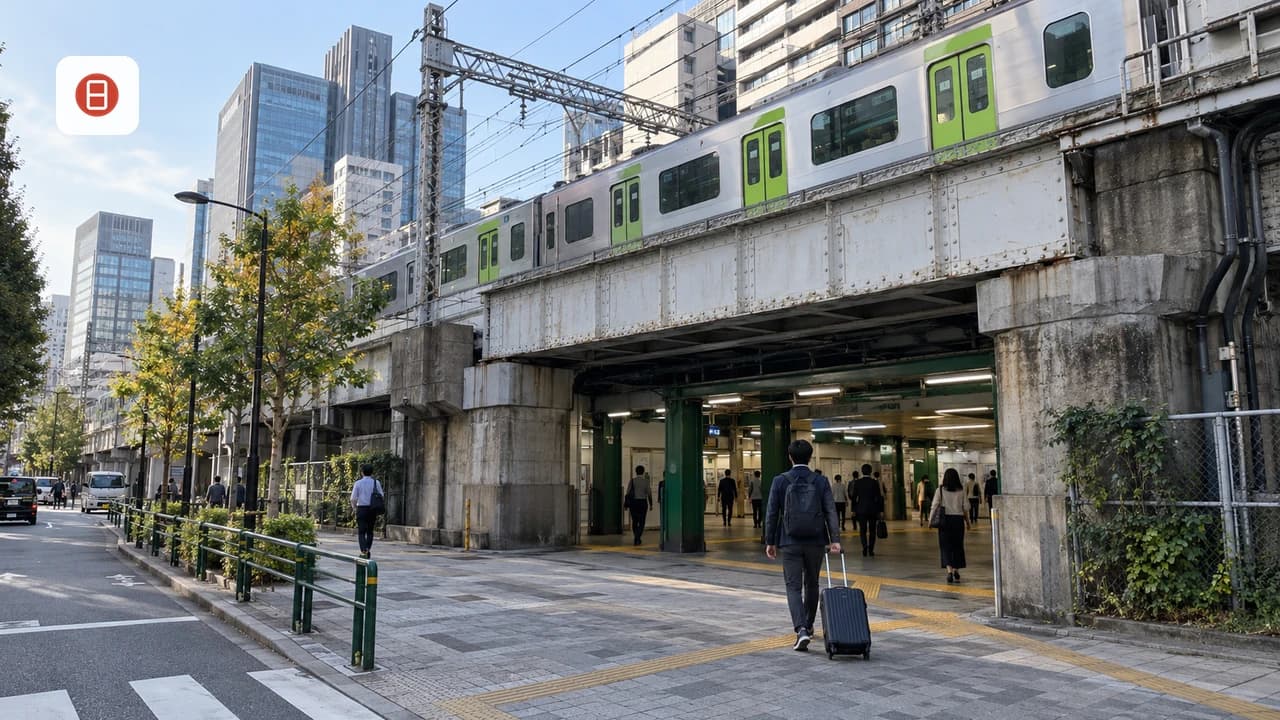
Most visitors expect a standalone building. Instead, the museum sits inside Ginza Mitsukoshi at 4-6-16 Ginza, Chuo-ku. Entrance reception is on the 9th floor of the New Building. Per the brief, the museum occupies the 8th and 9th floors. One partner blog mentions the 8th floor, so head for the 9th and follow signs once inside. Ginza Station connects to the department store, and the Ginza, Marunouchi, and Hibiya Lines all stop there. Rain never touches you on this route. Elevators inside Mitsukoshi make the trip workable with strollers and wheelchairs. Confirm the current route on the official page before you travel.
- Reach Ginza Station on the Ginza, Marunouchi, or Hibiya Line.
- Follow the underground connection into Ginza Mitsukoshi.
- Look for the New Building and take an elevator up.
- Get off at the 9th floor and find the entrance reception.
- Show your web ticket QR code, or use the ticket machines for same-day entry.
Tickets, Hours, and How Long to Stay
Buying online saves money. A listing for adults shows ¥2,500 for a web-only ticket against ¥2,700 at the same-day ticket machine. Students from junior high age upward pay ¥2,200 online. Their machine price is the same ¥2,700. Up to two elementary-age or younger children enter free with one adult. Credit cards are accepted. Opening hours are listed as 10:00 to 19:00, with admission until 18:00. A competitor page cites a later 21:00 close, so verify on the official site before you plan an evening visit. Closures follow the Ginza Mitsukoshi schedule, with extra maintenance days. In our editorial assessment, allow about an hour for a steady walkthrough. Photographers should add more time. The Tokyo Pass has featured the museum on its blog, so check whether your pass currently covers entry.
| Ticket type | Web-only price | Same-day machine price |
|---|---|---|
| Adult (junior high and older) | ¥2,500 | ¥2,700 |
| Student (junior high and older) | ¥2,200 | ¥2,700 |
| Elementary-age or younger child | Free, up to two per adult | Free, up to two per adult |
Key Installations Worth Slowing Down For
The route moves through named zones, each built around one Japanese motif. Slow down in the first few, because crowds tend to bunch there. Lighting shifts constantly, so the same tank looks different a minute later. A short checklist helps you decide where to linger.
- Goldfish Corridor: a long tunnel lined with lit tanks of goldfish and carp.
- Goldfish Bamboo Forest: tall transparent columns with soft green light.
- Ginza Mantoro: dim lantern room inspired by the lantern festival at Kasuga-taisha Shrine in Nara.
- Goldfish Waterfall: a large glass tank with lighting that shifts from blue tones to warm gold.
- Temaririum: embroidered temari balls reimagined as floating tanks.
- Shojirium: shoji-style screens that cast moving shadows from the water.
- Tenku Rium: spherical tanks hung at different heights.
- Inome Rium: heart-shaped inome motifs in tank form.
- Oiran Belt Dance (Obimai) and Oiran Flower Dance (Hanamai): ribbon and sakura-petal scenes.
Edo Goldfish Culture Behind the Displays
Goldfish appreciation took hold in the Edo period, and the museum treats it as living art. One visitor review notes that goldfish were first kept in bowls and viewed from above. That top-down view shaped how people judged back patterns, body shape, and tail spread. Look for the above-view area and compare it with the side views through glass. Obimai draws on oiran, the elite courtesans of the Edo period. Long ribbons echo the obi sash while goldfish glide between them. Hanamai links the same world to cherry blossom viewing. Kuniyoshi's prints add a late-Edo layer, with more than 20 goldfish and carp works on display. Kutani designs appear on some tanks, and the shop sells items made with Kutani artisans.
Photography Tips and Etiquette
Photography is allowed throughout the museum. Flash and tripods are prohibited, and commercial filming is not permitted per the brief. Plan for handheld shots in low light. Raise your phone's exposure slightly and keep your hand steady against your body. Press the lens close to the glass to cut reflections, and turn your screen brightness down so it does not bounce back. Wear solid black or white. A partner blog says silhouettes stand out against the colored water that way. Skip busy patterns, which compete with the goldfish. Shoot the Goldfish Corridor early in your visit, before the group behind you catches up. Hold the Ginza Mantoro for a slower, darker frame.
- Allowed: handheld photography
- Not allowed: flash, tripods, commercial filming
- Best clothing: solid black or white
- Best light: let the tank colors do the work, no flash needed
Seasonal Rotations and the Best Time to Visit
The exhibition is permanent, yet its decor changes with the calendar. A competitor guide lists cherry blossoms in spring, festival scenes in summer, maple leaves in autumn, and winter illumination. A reviewer who caught the end of a winter theme says flowers, lighting, and some exhibits change with each season. Visiting in October 2026, you may see autumn motifs, but confirm the current theme on the official page. For crowds, a partner blog suggests weekday afternoons. Last entry is 18:00 per the listing, so arrive well before that. If you are still choosing dates for your whole trip, our Tokyo seasonal planning guide covers weather by month. Rain is a good reason to come, since everything is indoors.
Weekday afternoons suit crowd-shy visitors, and the 10:00 to 19:00 opening window leaves room to arrive early.
Art Aquarium vs Traditional Aquariums
Pick this museum for design, light, and Japanese motifs. Pick a conventional aquarium for animals in naturalistic habitats. Families with young children get less out of the dim, art-led rooms. Adults, couples, and photographers get the most. Tokyo Sea Life Park, listed with 600-plus species, suits animal lovers better. Tama Zoological Park covers 52 hectares, so it is a longer outing than Ginza. Use the table for a quick comparison.
Ginza takes about an hour, so Tama Zoological Park's 52 hectares suits a far longer day.
| Factor | Art Aquarium Museum Ginza | Tokyo Sea Life Park | Tama Zoological Park |
|---|---|---|---|
| Focus | Goldfish as design and art | 600-plus marine species, 30.7-meter Glass Dome | Wildlife in large enclosures, 52 hectares |
| Setting | Inside Ginza Mitsukoshi, 8th and 9th floors | Kasai Rinkai Park | Hino, near Tama-Dobutsukoen Station |
| Access | Ginza Station connection | 5-minute walk from Kasai Rinkai Koen Station (JR Keiyo Line) | 1-minute walk from Tama-Dobutsukoen Station |
| Best for | Adults, couples, photographers | Animal lovers, families | Full outdoor day |
Mistakes to Avoid at the Museum
A few small errors cost time or money. Re-entry is not allowed, so finish lunch and shopping before you go in. Coin lockers are not available inside the museum. Use the lockers in Ginza Mitsukoshi before heading up. Arriving after 18:00 means no admission per the listing. Buying at the machine costs ¥200 more than the web-only adult ticket. Expecting a standalone building leads some visitors to circle outside, so remember the 9th-floor reception. Do not bring a tripod, because it is prohibited. Free Wi-Fi is available in Ginza Mitsukoshi, which helps if your QR ticket needs loading.
- Re-entering after you leave
- Looking for lockers inside the museum
- Arriving after the 18:00 last entry
- Carrying a tripod or flash
Pairing the Museum with Nearby Stops
Ginza works well as one half of a day. Pair it with a garden or shrine on a separate leg, and check each site's official hours first. Kiyosumi Garden suits a slower afternoon, and official park information lists visiting details. Hanazono Shrine offers a short shrine stop, and Shinjuku's tourism page describes the spot. For more ideas across the city, browse our Tokyo attractions guide. Wider trip planning sits in the Japan Travel Guide: Plan Your Trip with Expert Tips & Itineraries. If you still need a base, compare options in Tokyo hotel picks. Tighter budgets should read about budget stays in Tokyo.
Frequently Asked Questions
How much is Art Aquarium Museum Ginza admission?
A listing shows adult web-only tickets at ¥2,500 and same-day machine tickets at ¥2,700. Students pay ¥2,200 online. Up to two elementary-age or younger children enter free with one adult. Confirm current prices on the official site.
Where is the entrance to Art Aquarium Museum Ginza?
Entrance reception is on the 9th floor of the Ginza Mitsukoshi New Building, at 4-6-16 Ginza. Ginza Station connects to the store. Follow signs to the New Building and ride the elevator up.
How long should I plan for the visit?
No source gives an official duration. In our editorial assessment, allow about an hour. Add time if you want photos at each installation. Last entry is 18:00 per the listing.
Can I take photos and leave my bag in a locker?
Photography is allowed, but flash and tripods are prohibited. No coin lockers exist inside the museum. Use the lockers in Ginza Mitsukoshi before you go up.
Is the museum good for kids?
Young children get free entry, up to two per adult. Even so, the museum favors adults and couples in our editorial assessment. Animal-focused families may prefer Tokyo Sea Life Park.
Can I leave and come back in?
No. Re-entry is not allowed, according to the listing's official FAQ. Finish meals and shopping first.
Free: The Tokyo Essentials guide
Top things to do, where to stay, a perfect day plan, getting around, and the best time to go — a Tokyo mini-guide you can take offline.
You might also like


Continue reading
More guides you'll find useful