Kiyosumi Garden Tokyo Guide: History, Famous Stones & Logistics
Plan your visit to Kiyosumi Garden with this guide to its famous rocks, stepping stones, and history. Includes ¥150 entry, hours, access, and nearby coffee stops.
On this page
Last updated October 2026, this guide to Kiyosumi Garden covers the ¥150 entry fee, the 9:00 to 17:00 hours, and the pond-side route through Koto Ward. You will also find the garden's history, a comparison with Rikugien and Koishikawa Korakuen, and coffee stops nearby. Budget 2 to 3 hours if you want to walk slowly and still reach a cafe afterward.
Kiyosumi Garden: What It Is and Who It Suits
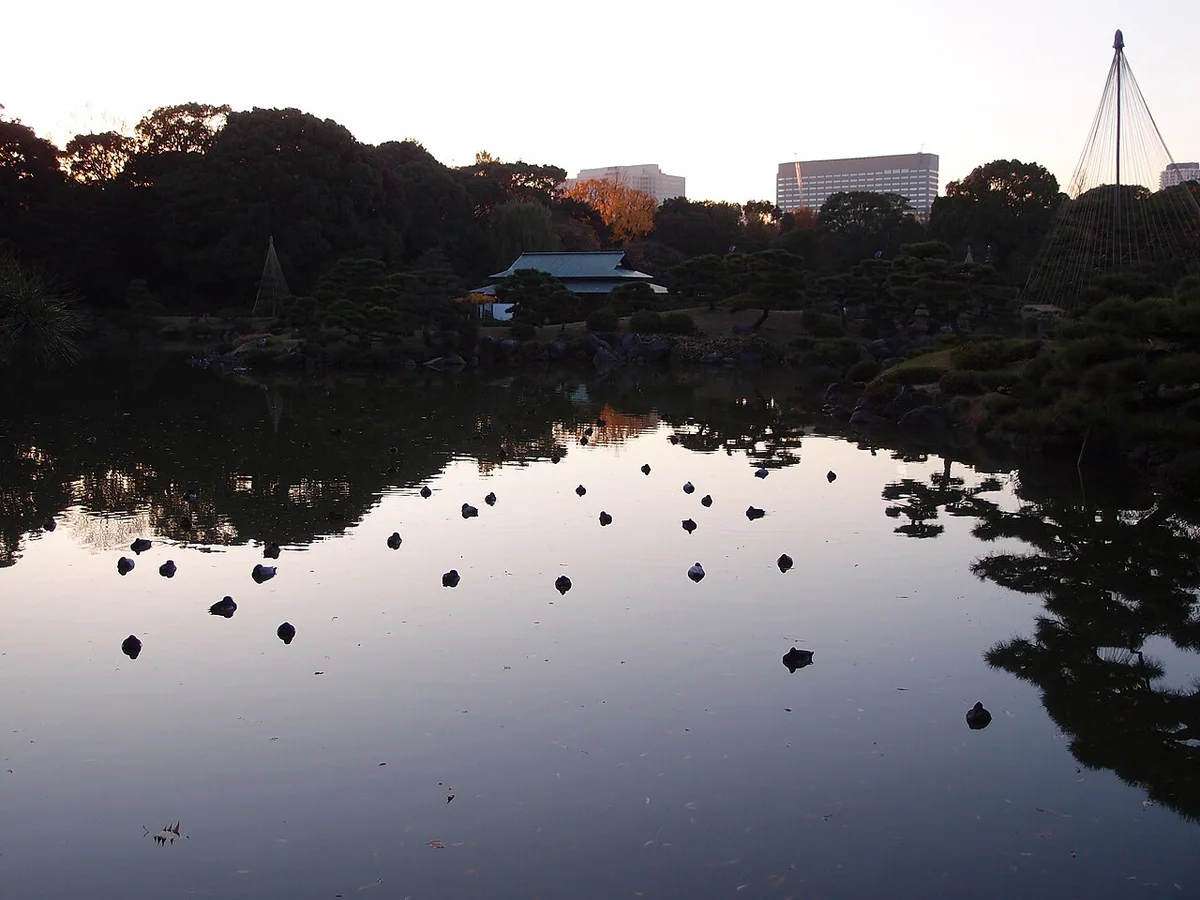
Kiyosumi Garden is a Meiji-era strolling garden in Koto Ward, built around one large central pond. Paths wind past islands, pines, and rocks gathered from across Japan. Crowds run well below those at Ueno or Shinjuku Gyoen. That makes it a good fit if you want a quiet hour rather than a queue.
Photographers get reflections, rock groupings, and pond edges to frame. History readers get a site that passed from a merchant estate to a feudal lord's residence to a Mitsubishi guest garden. Travelers who dislike crowds get space to slow down. Our wider list of Tokyo sightseeing stops places it among the city's metropolitan gardens.
Keep expectations realistic. This is a garden of water, stone, and trees, not a flower festival. It also has no indoor seating, so weather decides the day.
History of Kiyosumi Teien: From Merchant Estate to Mitsubishi Garden
Local tradition links the site to the Edo-period business magnate Kinokuniya Bunzaemon. Between 1716 and 1736, it became the Edo residence of the lord of Sekiyado castle. That period gave the garden its basic form, according to the Tokyo Metropolitan Park Association.
In 1878, Iwasaki Yataro, founder of Mitsubishi, chose the property. He wanted a garden for his employees and for entertaining important guests. After design and construction, it opened in 1880 as Fukagawa Shimbokuen. Water from the Sumida River was brought in to make the pond. Builders added hills, a waterless waterfall, and famous rocks from all over Japan.
A Tudor-style red brick residence by the English architect Josiah Condor once stood here. Fire from the Great Kanto Earthquake of 1923 destroyed it. The garden opened to the public on July 24, 1932. Tokyo designated it a Metropolitan Place of Scenic Beauty on March 31, 1979.
The grounds cover 81,091 square meters, roughly 20 acres. Official counts list 4,224 tall trees on the property. Those numbers explain why the paths feel enclosed even though a major station is minutes away.
What to See at Kiyosumi Garden: Pond, Stones, and Stepping Stones
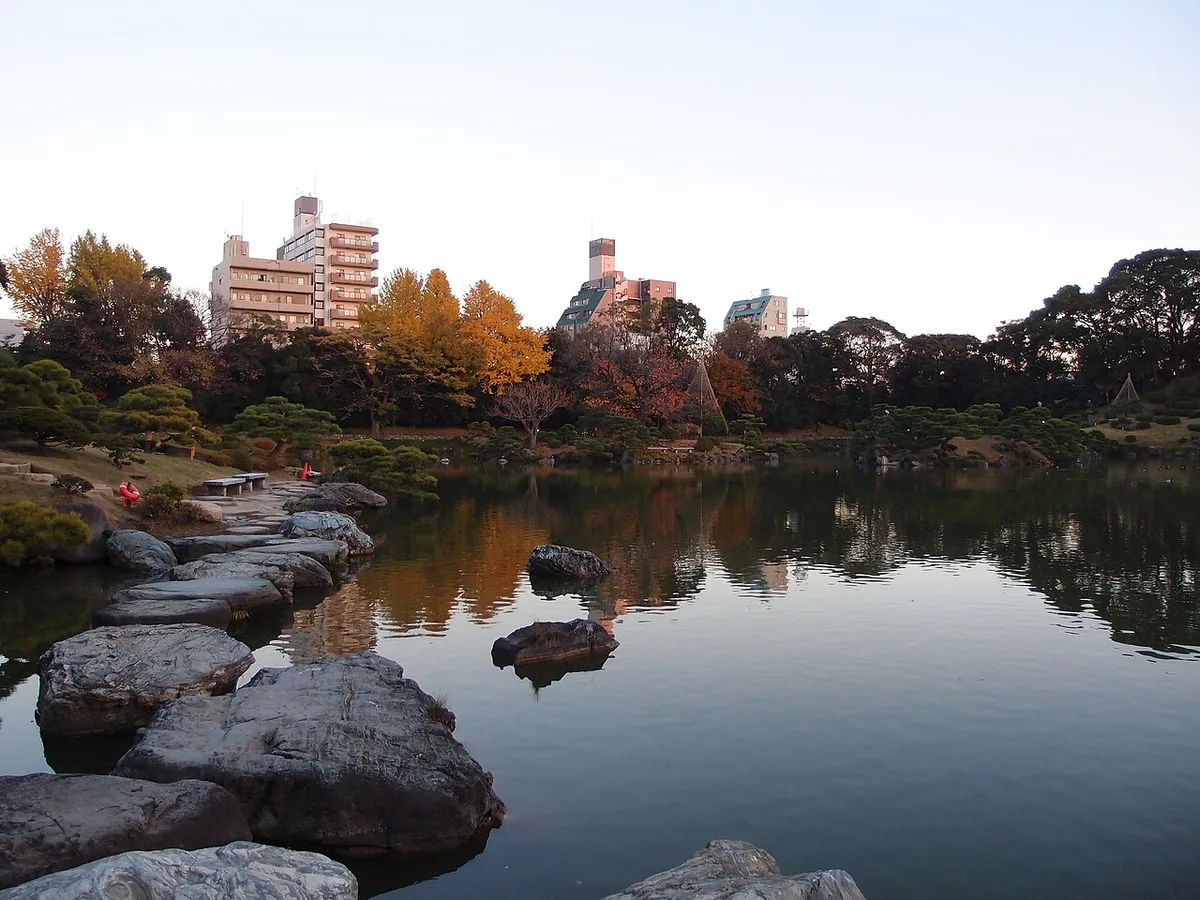
Start by looking at how the garden is organized. Everything circles the pond, and the path reveals a new angle every few minutes. Walk the loop once without stopping, then return to the spots that caught your eye.
- Central pond: Fed by Sumida River water, it holds carp and turtles, and birds visit the edges. Islands break up the water and give the paths something to aim at.
- Famous rocks: Stones from all over Japan were set along the shoreline and hills. Look at their shapes up close, because each group was placed deliberately.
- Iso-watari stepping stones: These let you cross close to the water surface. Step slowly and avoid them after rain.
- Pines and seasonal plants: Official plant lists name Japanese black pine, purple azalea, hydrangea, iris, and Taiwan cherry.
- Ryotei and Taisho Memorial Museum: Both are listed as related facilities. Entry to them requires a separate charge, so check current access on the official page.
Kiyosumi Garden Tickets, Hours, and How to Get There
Admission is ¥150 for adults and ¥70 for visitors aged 65 and over, as listed on the official park page. Primary school children and younger enter free. Junior high school students living or studying in Tokyo also enter free. Groups of 20 or more get a 20% discount.
Hours run from 9:00 to 17:00, with last entry at 16:30. The garden closes for the year-end holidays from December 29 to January 1. Plan to arrive by mid-afternoon at the latest if you want a full loop.
The nearest stop is Kiyosumi-Shirakawa Station on the Oedo and Hanzomon lines. From there it is about a 3-minute walk to the gate. Because the brief flags possible construction around Koto Ward stations, check the station exit signs on arrival.
If you need a base on this side of town, compare Tokyo hotel options first. Travelers watching costs can look at budget stays in Tokyo instead.
- Adult entry: ¥150
- Age 65 and over: ¥70
- Hours: 9:00 to 17:00, last entry 16:30
- Closed: December 29 to January 1
- Nearest station: Kiyosumi-Shirakawa, Oedo and Hanzomon lines, about 3 minutes on foot
- Typical visit: 2 to 3 hours
Seasonal Scenery: When to Visit Kiyosumi Garden
Pines give the garden structure all year. Purple azalea, hydrangea, iris, and Taiwan cherry add color in their own seasons. Exact bloom dates shift each year, so check recent photos or the official page before you plan around a flower.
Do not expect large cherry blossom groves. Pines, water, and rock carry this garden more than blossoms do. For broader timing across the year, see our notes on seasonal timing in Tokyo.
Weather matters more here than at many parks. There is nowhere under cover to sit, and wet stones are slippery. Treat this as a sunny-day stop. If rain is forecast, swap it for an indoor museum and return another day.
Around Kiyosumi-Shirakawa: Coffee, MOT, and Fukagawa Edo Museum
The area around Kiyosumi-Shirakawa Station is known for its artisanal cafes. Many travelers pair a garden loop with a coffee stop afterward. Walk a few streets from the station and pick a cafe that looks busy with locals.
Keep the garden to 2 to 3 hours, leaving time for the Fukagawa Edo Museum or a cafe near Kiyosumi-Shirakawa Station.
The Museum of Contemporary Art Tokyo sits at the northern end of Kiba Park. It works as a second stop if you want a half-day of art after the garden. Check current exhibition dates before you go, since displays change.
History fans can add the Fukagawa Edo Museum, which fits the Edo-period roots of the district. Confirm opening hours and ticket prices on its own site, because they are not covered in our sources.
If you like designed spaces, Art Aquarium in Ginza gives a very different look at Tokyo aesthetics. For Shinto history in the city, read about Hanazono Shrine. For etiquette in gardens and shrines, our Japan etiquette basics help.
Kiyosumi Garden vs Rikugien vs Koishikawa Korakuen
All three gardens appear on the metropolitan garden network. They overlap in style, but each leads with a different draw. Use the table to decide which fits your day.
| Garden | Main hook | Crowds | Best for |
|---|---|---|---|
| Kiyosumi Garden | Pond, rocks, stepping stones; ¥150 entry | Lower than Ueno or Shinjuku Gyoen | Quiet walks, photography, coffee afterward |
| Rikugien | Autumn lights | Check seasonal events | Evening foliage visits |
| Koishikawa Korakuen | Another metropolitan strolling garden | Check current visitor reports | Travelers building a multi-garden list |
Mistakes to Avoid at Kiyosumi Garden
Skip the garden on rainy days. Stones turn slippery and there is no cover. Do not arrive after 16:30, because entry stops then. Check the calendar if you visit around New Year, since the garden closes from December 29 to January 1.
Hours run until 17:00, but the real cutoff is 16:30, so plan your last loop before then.
Do not plan a cherry blossom trip here. Plan around pines, water, and stone instead. Do not assume the Ryotei or memorial museum is open to walk-ins. Both are listed with separate charges, so check access on the official page before you go.
- Skip rainy days: slippery stones, nowhere to sit under cover
- Arrive before 16:30 for last entry
- Avoid December 29 to January 1
- Do not expect large cherry blossom groves
- Check Ryotei and Taisho Memorial Museum access before you go
Wildlife Watching Around the Pond
Kiyosumi Garden’s pond is not only a design feature. It is also a useful stop for families and quiet wildlife watching. Look along the water’s edge for herons, while carp and turtles are easier to spot in or near the pond. Keep voices low around the shoreline and pause at several viewpoints instead of rushing the circuit.
Arriving near the 9:00 opening gives you calmer paths and more time to watch the water before other visitors arrive. Allow 2 to 3 hours if you want to combine the full garden loop with unhurried pond viewing. The grounds cover 81,091 square meters and contain 4,224 tall trees, so the wildlife feels part of a larger wooded setting. Do not feed the animals or step off the paths for a closer photograph.
Frequently Asked Questions
How much does Kiyosumi Garden cost?
Adult entry is ¥150. Visitors aged 65 and over pay ¥70. Primary school children and younger enter free, and groups of 20 or more get a 20% discount.
What are Kiyosumi Garden's opening hours?
It opens at 9:00 and closes at 17:00. Last entry is 16:30. It closes from December 29 to January 1.
How do I get to Kiyosumi Garden?
Take the Oedo or Hanzomon line to Kiyosumi-Shirakawa Station. Walk about 3 minutes to the gate.
How long should I plan for Kiyosumi Garden?
Plan 2 to 3 hours for a slow loop. Add extra time if you want to visit the museum or a cafe nearby.
Is Kiyosumi Garden good in the rain?
No. Stones get slippery and there is nowhere under cover to sit. Pick a sunny day instead.
Free: The Tokyo Essentials guide
Top things to do, where to stay, a perfect day plan, getting around, and the best time to go — a Tokyo mini-guide you can take offline.
You might also like

Continue reading
More guides you'll find useful