Where to Stay in Tokyo: 10 Best Neighborhoods (2026 Guide)
Plan where to stay in Tokyo with our 2026 guide. We break down the 10 best neighborhoods, from Shinjuku to Asakusa, plus essential booking tips.
On this page
After exploring this neon metropolis on four separate occasions, I have learned that your choice of neighborhood defines your entire Japanese experience. Tokyo is not just one city but a collection of distinct districts that each offer a unique atmosphere and pace of life. This guide compares ten practical bases by interests, budget, airport access, and travel style.
We have updated this resource for 2026 to reflect the latest hotel openings and shifting transportation trends across the capital. Use it alongside the complete Tokyo attractions guide to choose a base that shortens your most frequent journeys. Whether you seek the quiet charm of a traditional ryokan or the electric energy of a skyscraper, these neighborhoods serve as strong home bases.
How to Think About Tokyo Neighborhoods (The Vibe Check)
The JR Yamanote Line acts as the primary circulatory system for the entire city of Tokyo. This green loop connects every major hub — Shinjuku, Shibuya, Ueno, Akihabara, and Tokyo Station — so staying within a ten-minute walk of any Yamanote stop saves hours of commuting each day. That single fact should anchor your hotel search more than anything else on this list.

Selecting a neighborhood requires balancing your desire for nightlife with your need for a quiet night of sleep. Districts like Shinjuku offer 24-hour excitement but can be overwhelming for those who prefer a slower morning routine. Understanding how to get around Tokyo efficiently is the first step in narrowing down your hotel search.
One thing most guides skip: Tokyo is loud at night in ways that vary dramatically by district. Shinjuku and Shibuya stay active until 02:00 or 03:00. Ginza shuts down by 22:00. Asakusa sits somewhere in between. If you are a light sleeper or traveling with young children, this distinction matters more than the hotel star rating. Always filter reviews by "noise" before committing to a booking in any western Yamanote neighborhood.
Light sleepers should avoid Shinjuku east (Kabukicho) and Shibuya on weekends — bars and clubs stay active until dawn. Ginza and Asakusa offer quieter nights after 22:00, making them better for families with children.
Room sizes are also an issue no competitor is upfront about. Most mid-range business hotels in Tokyo are genuinely tiny — the kind of compact where opening a large suitcase fills the entire floor area. Check room dimensions in the booking platform before you confirm, especially if you are traveling as a couple with two full-sized bags.
Tokyo Neighborhoods Map & Comparison Table
Use this table to shortlist your top two or three neighborhoods before reading the detailed sections below. Price ranges reflect average nightly rates in 2026 for a standard double room; expect a 15–25% premium during cherry blossom season (late March to early April) and autumn color season (November).
| Neighborhood | Best For | Vibe | Price Range (JPY) | Yamanote Access |
|---|---|---|---|---|
| Shinjuku | First-timers, nightlife lovers | Electric, intense | ¥14,000–¥38,000 | Direct (Shinjuku Stn) |
| Shibuya | Fashion, west-side exploration | Trendy, youthful | ¥16,000–¥42,000 | Direct (Shibuya Stn) |
| Ginza | Luxury, bullet-train access | Polished, quiet at night | ¥28,000–¥80,000 | 2-min walk to Tokyo Stn |
| Asakusa | Couples, atmosphere, budget | Traditional, calm | ¥8,000–¥22,000 | Subway + Tsukuba Exp |
| Tokyo Station | Short trips, Shinkansen | Grand, businesslike | ¥22,000–¥70,000 | Direct (Tokyo Stn) |
| Akihabara | Anime, tech, gamers | Frenetic, unique | ¥11,000–¥24,000 | Direct (Akihabara Stn) |
| Roppongi | Art, international dining | Cosmopolitan, late-night | ¥18,000–¥44,000 | Subway (10 min) |
| Ueno | Museums, budget travelers | Relaxed, local | ¥9,000–¥20,000 | Direct (Ueno Stn) |
| Ebisu | Foodies, local feel | Sophisticated, quieter | ¥17,000–¥34,000 | Direct (Ebisu Stn) |
| Shimokitazawa | Vintage, indie culture | Bohemian, residential | ¥13,000–¥26,000 | Odakyu to Shinjuku |
Shinjuku: The Best All-Rounder for First-Timers
Shinjuku is where most first-time visitors to Tokyo should start, and the instinct is usually correct. The station handles over 3.5 million passengers a day, making it the busiest transit hub in the world. From here, almost every attraction in the city is reachable within thirty minutes, and the sheer density of hotels means you can find a room at nearly any price point.
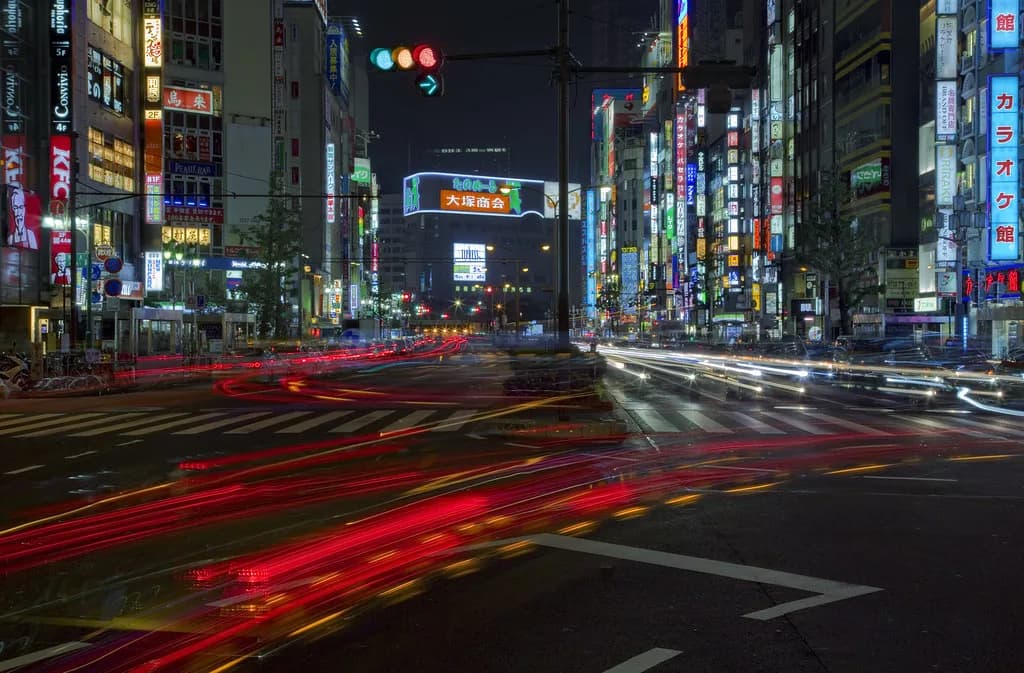
The eastern side of the station — Kabukicho, Golden Gai, Memory Lane — delivers the neon-lit sensory overload that most visitors come to Tokyo to experience. The western side is calmer: skyscraper government buildings, wider pavements, and direct access to Shinjuku Gyoen National Garden. If noise is a concern, book on the west side and you will still wake up inside one of the world's great neighborhoods without the 03:00 bar crowd outside your window.
One specific tip: Shinjuku Station has over fifty exits. "Near Shinjuku Station" means nothing without knowing which exit is closest to your hotel. When you book, note the exit name and save a screenshot — this sounds pedantic until you are dragging luggage in the wrong direction after a 13-hour flight. The South Exit leads directly to the southern hotel cluster and the Odakyu line platforms for Hakone day trips.
Mid-range business hotels here run ¥14,000–¥26,000 per night. Luxury towers like the Park Hyatt or Bellustar Pan Pacific can exceed ¥55,000. The trade-off: Shinjuku is further from Tokyo Station than Ginza, which means longer bullet-train transfer times if you are heading onward to Kyoto.
- Best for: first-timers, groups, couples who want nightlife options
- Avoid if: you are a very light sleeper, or if bullet-train access is your top priority
- Key station exits: South (quieter hotels), East (Kabukicho, Golden Gai)
Shibuya: The Hub of Youth Culture and Shopping
Shibuya is the heart of Tokyo's fashion scene and features the world-famous Scramble Crossing right outside the station. The area is undeniably exciting to walk around, with Miyashita Park, Takeshita Street, and the Shibuya Sky observation deck all within a short radius. Hotels here price themselves against the brand of the area, so expect to pay ¥16,000–¥42,000 for a standard room.
The honest take: Shibuya is a better neighborhood to visit than to sleep in on a first trip. It sits in the southwest of the Yamanote loop, which makes it less central for covering the whole city than Shinjuku. Getting to Asakusa or Akihabara from here takes around 35–40 minutes, and construction around the station has made the immediate area messier than it used to be. It makes far more sense as a base for second-time visitors who want to focus on west-central Tokyo — Harajuku, Daikanyama, Ebisu — on foot.
That said, Shibuya has excellent Haneda airport connections via the Tokyu Toyoko and Keio Inokashira lines, which is worth knowing if you are flying in or out of HND. Most retail shops open at 10:00 and stay active until 21:00, while bars remain open until dawn.
- Best for: second-time visitors, fashion and street culture enthusiasts, Haneda airport arrivals
- Avoid if: you want to cover the whole city efficiently from a single base
Ginza: High-End Luxury and Upscale Dining
Ginza is Tokyo's answer to Fifth Avenue, featuring wide boulevards lined with flagship designer stores and Michelin-starred restaurants. The grid-style streets feel polished and calm compared to the frantic energy of Shinjuku — which makes it, counterintuitively, a strong choice for families with young children. Wide pavements, no pedestrian chaos, and a two-minute walk to Tokyo Station for bullet-train access to Kyoto or Osaka.
Luxury stays in Ginza range from ¥28,000 to ¥80,000 per night. Properties like HOSHINOYA Tokyo in the adjacent Otemachi district offer a modern take on the ryokan experience at altitude, while The Aman Tokyo provides sweeping views of the Imperial Palace gardens. Mid-range options like MUJI Hotel Ginza or The Gate Hotel by Hulic deliver a Ginza address without the top-tier price.
The main trade-off: Ginza goes quiet by 22:00. The luxury boutiques close, the office workers go home, and the streets that were buzzing at lunch become wide and empty by night. If you want the quintessential neon-lit Tokyo experience, this is not where to find it. But if you want elegant shopping, exceptional food halls (the basement depachika at Mitsukoshi is a must), and stress-free transit logistics, Ginza is hard to beat. Main streets become pedestrian-only zones on weekend afternoons, adding a pleasant open-air market feel.
- Best for: business travelers, families, anyone prioritizing bullet-train or Narita Express access
- Avoid if: you want authentic neighborhood energy or nightlife within walking distance
Asakusa: Traditional Atmosphere and Budget-Friendly Stays
Asakusa maintains the spirit of old Tokyo better than any other district. Built around Senso-ji Temple — the city's oldest — the neighborhood is lined with traditional craft shops, wooden facades, and the smell of incense drifting through the Nakamise-dori shopping street at any hour. Walking toward the Kaminarimon gate at 06:30, before the tour groups arrive, is one of those small travel experiences that genuinely sticks with you.
This is also the best area for accommodation value. Hotels run ¥8,000–¥22,000 per night, roughly 30–40% less than equivalent options in Shinjuku or Shibuya. Crucially, Asakusa is the only area of central Tokyo with a strong selection of genuine onsen ryokans — traditional inns with shared hot spring baths. Properties like Onyado Nono Asakusa provide tatami rooms, yukata robes, and a communal onsen experience at a fraction of what a high-end hotel charges. If experiencing a ryokan is on your list, Asakusa is the place to book it rather than paying a premium for the same experience in Shinjuku.
The trade-off is access. Getting to Shinjuku or Shibuya from Asakusa takes around 30–35 minutes via subway. The temple grounds are open 24 hours, though the main hall closes at 17:00 daily. Stay in the southern part of the neighborhood — between Senso-ji and Asakusa Station — to avoid long walks to transit. You can also book a rickshaw directly from the temple forecourt for a slow tour of the surrounding streets.
- Best for: couples, atmosphere-seekers, budget travelers, anyone wanting an onsen ryokan experience
- Avoid if: you plan to spend most of your time on the west side of the Yamanote loop
Tokyo Station: Best for Logistics and Short Trips
Staying near Tokyo Station is ideal for travelers planning multiple day trips via Shinkansen bullet trains. Every major bullet train to Kyoto, Osaka, Hiroshima, and beyond departs from here, and direct express trains to Narita Airport make this the most convenient arrival and departure point in the city. The area also connects to Haneda Airport via the Keikyu line in under 40 minutes.
The district is dominated by high-end corporate hotels with nightly rates between ¥22,000 and ¥70,000. The Tokyo Station Hotel, built inside the historic red-brick 1914 station building, offers a rare combination of heritage and luxury. Budget travelers can find acceptable business hotels on the Kyobashi side for ¥15,000–¥18,000, but options are fewer than in Shinjuku.
One underused feature: Character Street in the station basement sells official merchandise from major Japanese animation studios — Ghibli, Evangelion, Dragon Ball — without the queues of dedicated theme stores. Explore it on your first evening before the commuter crowds arrive the next morning.
- Best for: short trips, Shinkansen travel, Narita airport arrivals, business travelers
- Avoid if: you want nightlife or a lively neighborhood atmosphere after 22:00
Akihabara: The Electric Town for Anime and Tech Fans
Akihabara is the global center for gaming, electronics, and otaku culture. Multi-floor arcades, retro game stores, manga cafes, and maid cafes line every block of Chuo-dori and the backstreets behind it. If that world appeals to you even slightly, staying here is a legitimate choice — the energy is frenetic during the day and surprisingly quiet at night, which suits those who want to explore hard and sleep undisturbed.
Hotel prices are moderate, usually ¥11,000–¥24,000 for a modern business-style room. The JR Akihabara Station sits directly on the Yamanote Line and the Chuo-Sobu Line, giving fast access to Shinjuku, Ueno, and Tokyo Station. Most electronics stores operate from 10:00 to 22:00. Visit the backstreets behind the main Chuo-dori road to find the best deals on retro video games and older consoles.
- Best for: anime enthusiasts, gamers, curious solo travelers who want a different Tokyo experience
- Avoid if: you have no interest in electronics or otaku culture — the neighborhood offers little else
Roppongi: Nightlife and International Dining
Roppongi is a cosmopolitan district known for its art museums, upscale malls, and vibrant expat nightlife scene. The Mori Art Museum stays open until 22:00 on most nights, offering late-night cultural experiences that are unusual for a city where most attractions close by 17:00. Roppongi Hills and Tokyo Midtown provide a more sophisticated dining environment than the noisier Roppongi crossing area just to the east.
Accommodation runs ¥18,000–¥44,000 per night. The neighborhood is not on the Yamanote Line — the nearest stations are Roppongi on the Hibiya and Oedo subway lines — which means a ten-minute underground journey to reach the main loop. This is a minor inconvenience that serious art fans or anyone wanting upscale international restaurant options near their hotel will happily accept.
- Best for: art enthusiasts, international business travelers, nightlife seekers who prefer high-end venues
- Avoid if: Yamanote Line convenience is a top priority, or you prefer a traditional Japanese neighborhood feel
Shinjuku vs. Shibuya: Which Hub is Right for You?
Deciding between these two giants is the most common dilemma for visitors following a Tokyo Neighborhoods Guide: 16 Best Districts to Visit. Shinjuku is significantly larger and serves as a better base for those taking day trips to Hakone or Mt. Fuji. The nightlife in Shinjuku is more varied, ranging from the tiny bars of Golden Gai to upscale skyscraper lounges — and the station is better connected for reaching the full spread of the Yamanote loop.
Shibuya feels younger and more focused on the latest trends in fashion and street culture. The area is slightly more walkable, as many of its attractions are clustered around the station. Shibuya's renovation work has gradually improved the station layout, but it remains less intuitively navigable than people expect. If you enjoy being in the center of a specific scene rather than the center of the whole city, Shibuya works well.
For airport logistics, the split is clear: Shinjuku connects well to Haneda (Keio line, about 35 minutes) and to Narita via the Narita Express through Shinjuku Station. Shibuya has good Haneda access via the Tokyu Toyoko line but a more convoluted Narita route. Both areas sit on the Yamanote Line, so neither is a bad choice — Shinjuku just edges out on raw practicality for a first visit.
Your Airport Exit Strategy: Choose Your Neighborhood by How You Fly
This is the decision point that almost no Tokyo guide covers directly. Which airport you fly into — Narita (NRT) or Haneda (HND) — should influence where you book your hotel, because the transit times and costs vary significantly by neighborhood.
If you arrive at Narita Airport, the fastest connections run to: Tokyo Station and Ginza via the Narita Express (about 55 minutes, ¥3,070), and Asakusa via the Keisei Skyliner to Nippori then one subway stop (about 60 minutes total, ¥2,520). Shinjuku via the Narita Express is about 90 minutes. If you arrive at Haneda Airport, the fastest connections run to: Shibuya and Shinjuku via the Keikyu and Keio lines (30–40 minutes, ¥470–¥590), and Ginza and Tokyo Station via the Keikyu line (about 35 minutes).
The practical upshot: if you are flying into Narita for a short trip and heading straight to Kyoto afterward, Ginza or Tokyo Station is the logical base — you land, transit easily, and leave from the same hub. If you are flying into Haneda for a leisure trip focused on nightlife and neighborhoods, Shinjuku or Shibuya makes more sense. Booking without factoring in your airport can easily cost you an extra ¥2,000–¥4,000 per journey and 30–40 minutes of dead transit time each way.
Essential Tips for Booking Tokyo Hotels in 2026
Travelers prioritizing price over hotel facilities should compare the separate Tokyo budget accommodation guide before choosing an outer neighborhood solely for a lower headline rate.
Securing the 12 Best Areas and Tips for Booking Tokyo Hotels in 2026 for 2026 requires a proactive approach. The weak Yen has significantly increased inbound demand, and many mid-range hotels in Shinjuku and Shibuya now fill up six months out for peak-season dates. Many Japanese business hotels open their booking calendars exactly six months in advance at midnight local time (Japan Standard Time, UTC+9). Setting a calendar alert for this window can help you lock in the best rates before dynamic pricing kicks in.
Set a calendar alert for 6 months before your planned travel dates. Japanese business hotels release inventory at midnight JST on the dot, and premium Shinjuku/Shibuya rooms often sell out within hours. Booking within this first wave saves ¥2,000–¥5,000 per night compared to last-minute rates.
For what to skip on a first trip: avoid hotels in deep residential wards like Edogawa or Nerima. While these areas offer lower prices, the commuting time and cost to central sights will quickly erode your savings. Stick to the wards that touch the Yamanote Line to maximize your limited vacation time.
Digital payments have become the norm, but a physical Suica or Pasmo card remains the most reliable backup strategy. The mobile Suica app works well in 2026 for most handsets, but NFC compatibility issues occasionally surface on older devices or non-Japanese iPhones. Understand the latest Tokyo Subway Guide 2026: 10 Steps to Use the Metro updates regarding mobile wallet integration before you land. Most hotels now offer free Wi-Fi, but renting a pocket Wi-Fi device or purchasing a data-only SIM is still recommended for navigating complex station exits on the go.
Luggage Forwarding and Booking Mistakes to Avoid
Do not drag large suitcases through Tokyo's busiest stations if you are changing hotels. Takkyubin luggage forwarding, available through most hotel desks and many convenience stores, normally delivers a bag to your next hotel in one or two days. Confirm that the receiving property accepts deliveries, send the bag the day before checkout, and keep one change of clothes with you. Airport delivery needs a longer lead time, so confirm the cutoff rather than assuming same-day service.
The most common location mistake is booking on the wrong side of a huge station. Shinjuku's east and west hotel zones can be a long, confusing walk apart, so save the exact station exit before arrival. Also check the map when a listing says “near Tokyo”: Narita, Kawasaki, and Yokohama are not central-Tokyo bases. A slightly cheaper room can cost more once daily fares and lost sightseeing time are included.
If you continue to Kyoto or Osaka, send your main bag ahead and travel with an overnight bag. It makes station transfers and Shinkansen boarding substantially easier.
Continue planning with Tokyo Trip Planner 2026: Attractions, Neighborhoods and Itineraries.
Frequently Asked Questions
What is the best area to stay in Tokyo for first-timers?
Shinjuku is widely considered the best area for first-timers due to its central location and immense transport connectivity. It offers a massive variety of hotels, restaurants, and entertainment options for every budget level. Staying here ensures you can easily reach any other part of the city within thirty minutes.
Is it better to stay in Shinjuku or Shibuya?
Shinjuku is better for those who want a major transport hub and diverse nightlife options. Shibuya is ideal for travelers interested in youth fashion, shopping, and a slightly more walkable street layout. Both provide excellent access to the Yamanote Line, so you cannot go wrong with either choice.
How far in advance should I book a Tokyo hotel for 2026?
You should aim to book your Tokyo accommodation at least four to six months in advance. Popular hotels in central districts like Ginza and Shinjuku fill up quickly, especially during the cherry blossom and autumn leaf seasons. Early booking also protects you against price surges caused by high demand.
Choosing where to stay in Tokyo is a balancing act between convenience, cost, and the specific atmosphere you want to wake up to. By focusing on neighborhoods near the Yamanote Line, you ensure that the entire city remains within easy reach. Whether you choose the neon heights of Shinjuku or the quiet alleys of Asakusa, Tokyo in 2026 promises an unforgettable adventure.
Free: The Tokyo Essentials guide
Top things to do, where to stay, a perfect day plan, getting around, and the best time to go — a Tokyo mini-guide you can take offline.
You might also like

Continue reading
More guides you'll find useful