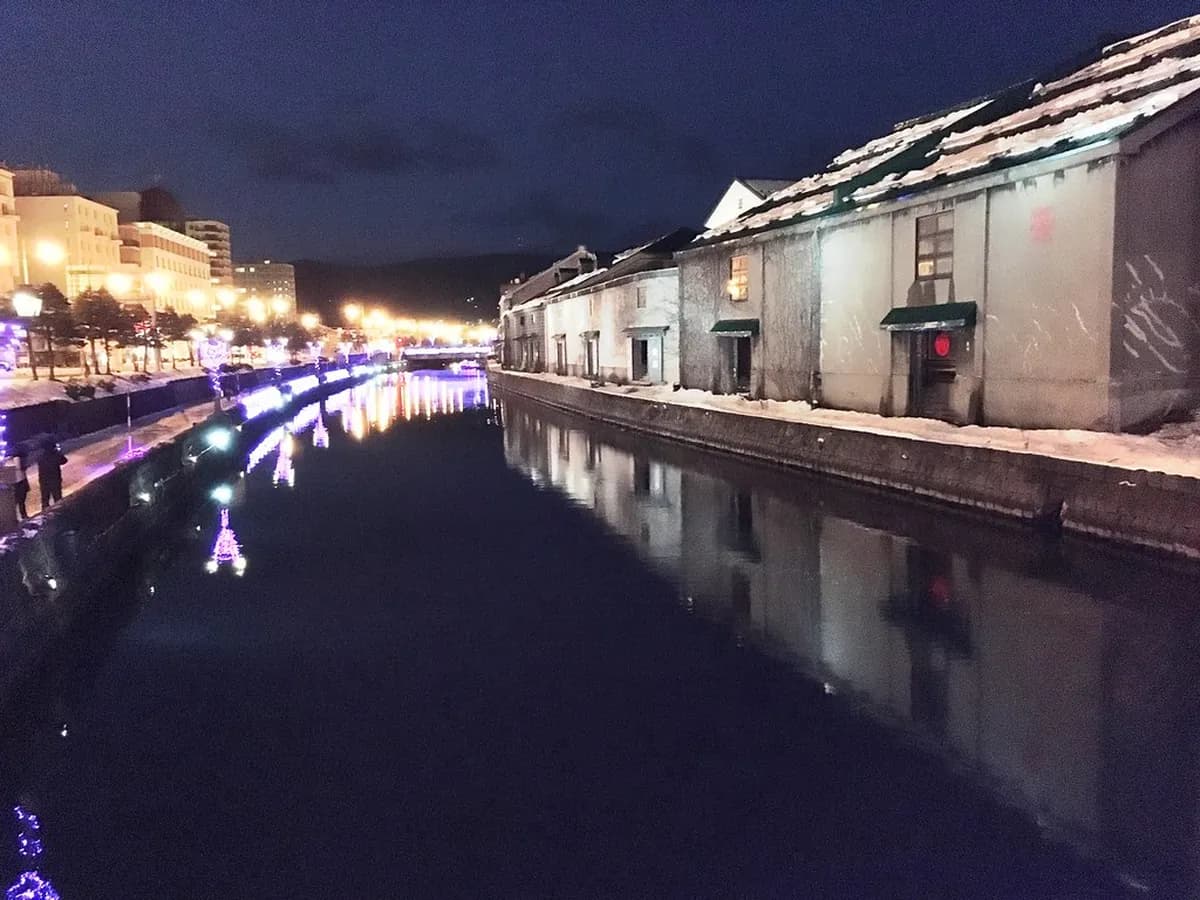
3 Day Kanazawa Itinerary Travel Guide
Plan a perfect 3 day kanazawa itinerary with top picks, neighborhood context, timing tips, and practical booking advice for a smoother trip to Japan today.
On this page
Kanazawa sits between the Sea of Japan and the Japanese Alps, and it is one of the few Japanese cities that escaped wartime bombing. That accident of history means you get the real thing: intact samurai districts, operating teahouses, and gardens that have looked the same for three hundred years. Three days is enough to cover the highlights without rushing. Follow this one-day Kanazawa plan to move through the city logically and spend your time well.
The city rewards slow walkers. Most of the key sights cluster within a 2-kilometre radius of Kanazawa Castle, so you can walk between them or hop the Loop Bus for a 200-yen flat fare per ride. A one-day bus pass (800 yen) covers unlimited rides and pays for itself after four stops. Book any workshop experiences — gold leaf, tea ceremony, Ninja Temple tour — at least a week ahead, especially in spring and autumn when visitor numbers peak.
Day 1: Kanazawa Station, Omicho Market, Castle, and Kenrokuen
| Day | Morning | Afternoon | Evening |
|---|---|---|---|
| Day 1 | Omicho Market breakfast, Kanazawa Castle | Kenrokuen Garden, Oyama Shrine | Explore station area, Tsuzumimon Gate |
| Day 2 | Higashi Chaya District, Yasue Gold Leaf Museum | 21st Century Museum of Contemporary Art | Nagamachi Samurai District, Kazuemachi Chaya |
| Day 3 | Ninja Temple (Myoryuji), Nishi Chaya | Dolls Museum or Mt. Utatsu viewpoint | Omicho Market or station shopping |
Your first impression of Kanazawa starts at the station itself. The east exit opens onto the Tsuzumimon Gate — two giant wooden arches modelled on the hourglass-shaped tsuzumi drum — and a sweeping glass canopy called the Motenashi Dome. It is one of the most photographed station forecourts in Japan and a good sign of what the city cares about. Drop your bags at the hotel and head out by 09:00.
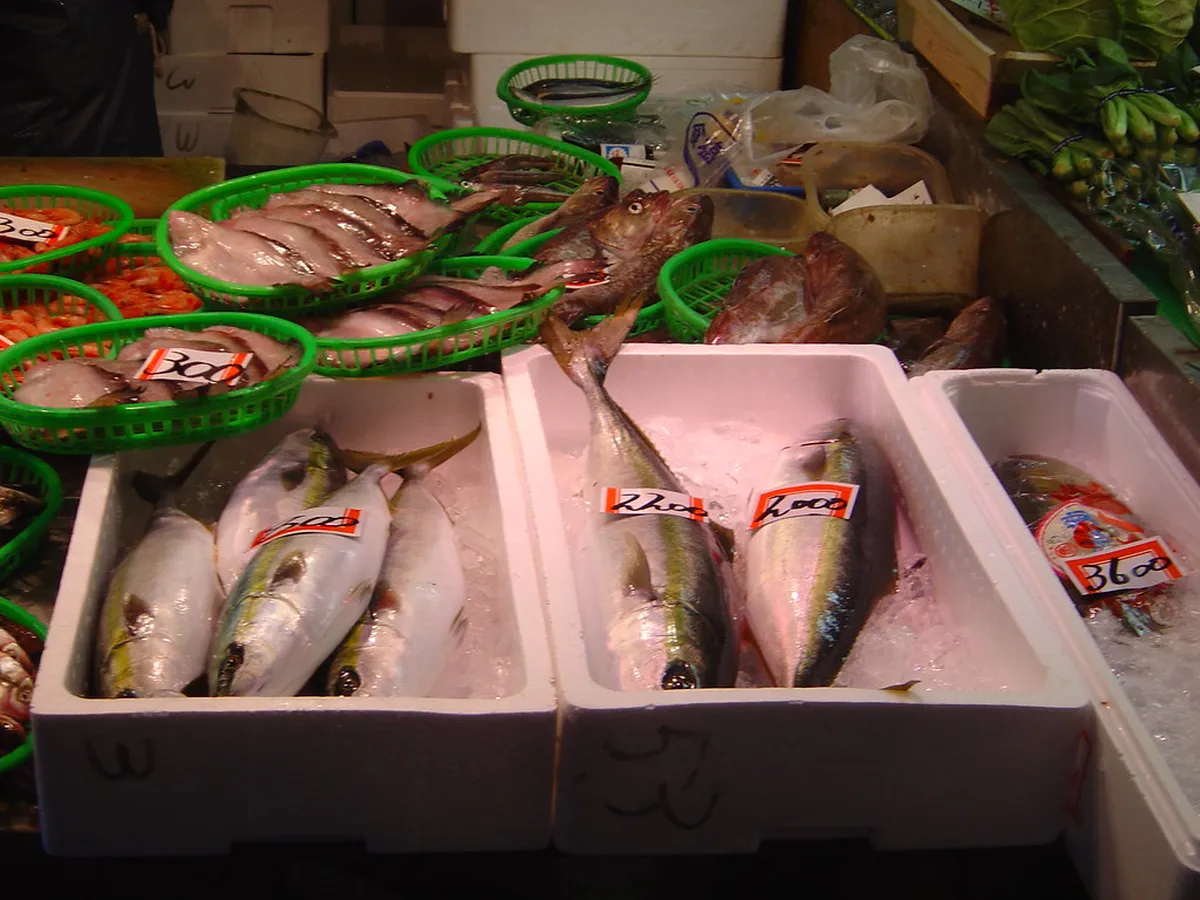
Omicho Market is a 13-minute walk from the station and the best morning stop in the city. The covered market has operated since the Edo period and today holds over 180 stalls selling uni, snow crab, seasonal vegetables, and wagashi sweets. Several counters inside serve bowl breakfasts; the counter at Iki Iki Tei is famous for generous portions of sea urchin and oyster sashimi for around 1,500 to 2,500 yen. Arrive before 10:00 for the freshest selection and fewest crowds.
From Omicho, walk uphill to Kanazawa Castle Park. Entry to the grounds is free; the main Ninomaru Palace restoration zone costs 320 yen. Look closely at the stone walls — different sections were built by different samurai-era mason clans, and each family left a signature pattern. The castle lost its main tower to fires in 1602 and 1759, but the Ishikawa-mon Gate (rebuilt 1788) and the Sanjikken Nagaya storehouse (rebuilt 1858) survive as original structures.
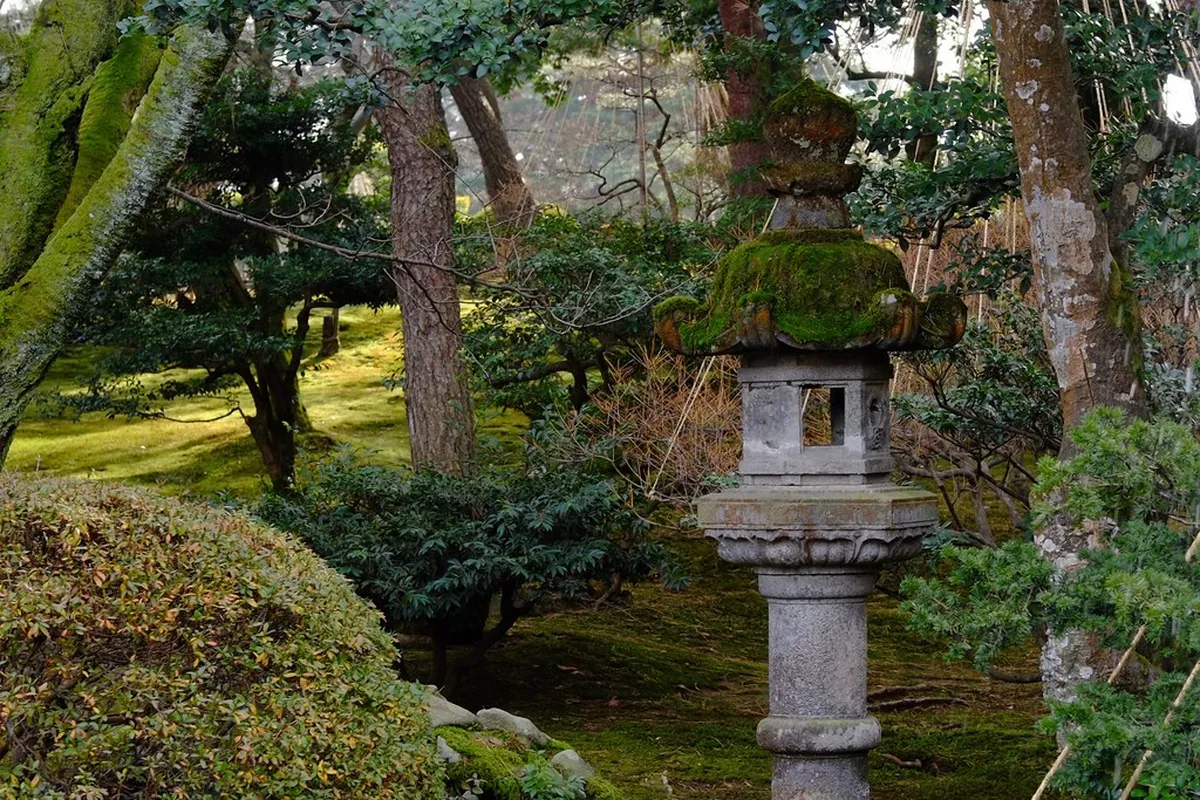
Directly behind the castle walls lies Gyokuseninmaru Garden, a compact pond garden built for the lords of the Kaga domain. It has a teahouse overlooking the water where you can drink ceremonial matcha while watching the koi. From there, cross the connecting path into Kenrokuen Garden — open from 07:00, admission 320 yen. Allow two hours. The garden is designed around six landscape ideals (spaciousness, seclusion, artificiality, antiquity, water, and views), and every path reveals a different composition. The Kotoji stone lantern standing in the pond is the most photographed landmark; come early to shoot it without crowds. End the afternoon at Oyama Shrine, a five-minute walk from the castle, whose gate combines Dutch stained glass with traditional Shinto architecture.
Day 2: Higashi Chaya, Contemporary Art, and the Samurai District
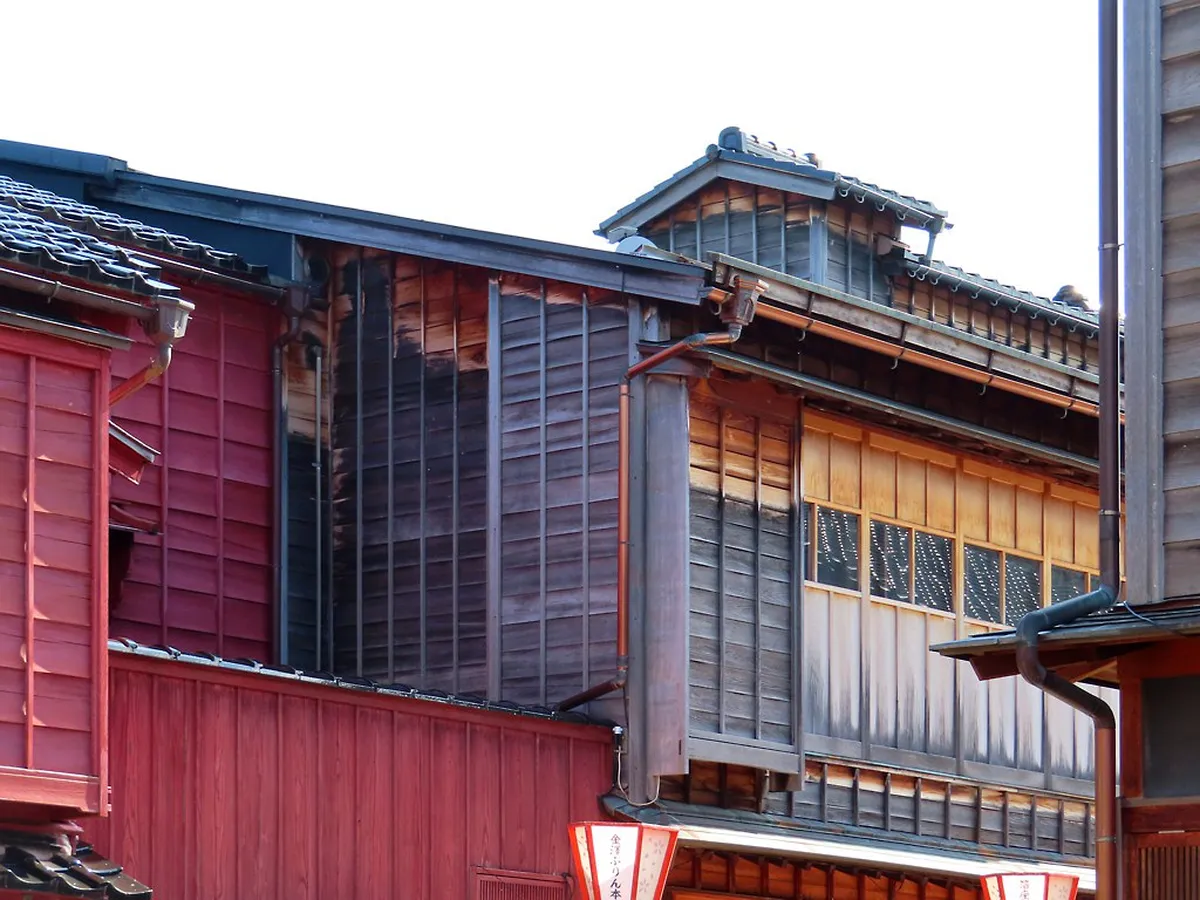
Start the morning in Higashi Chaya District, the largest of Kanazawa's three preserved teahouse quarters. The wooden lattice facades and stone-paved lanes look almost identical to their Edo-period originals. Two teahouses survive in operating form: Shima Teahouse is now a museum (500 yen entry), and Kaikaro Teahouse — which still hosts private ozashiki banquet evenings where trained geiko perform — offers daytime matcha and gold leaf sweets to visitors. Kaikaro is the place to spend an extra 30 minutes if you want a rare glimpse into the culture that most teahouse visits only show from the outside.
A five-minute walk from Higashi Chaya brings you to the Yasue Gold Leaf Museum. Over 99 percent of Japan's gold leaf is still produced in Kanazawa, and artisans here beat gold into sheets thinner than a human hair. The museum shows the tools and process; a separate workshop room lets you apply real gold leaf to a small lacquer item (around 1,500 yen, booking recommended). For a broader hands-on session, the Kanazawa gold-leaf workshops workshops in nearby studios last 60 to 90 minutes and produce a take-home piece.
After lunch, head to the 21st Century Museum of Contemporary Art, a ten-minute walk or one bus stop from the tea district. The circular building has no main entrance — you can walk in from any side, which is a deliberate statement about open access to art. The landmark installation is Leandro Erlich's Swimming Pool, where visitors above and below the glass floor create the illusion of being underwater. Book timed-entry tickets online (1,200 yen for the paid zone); the outdoor sculpture garden is free. Allow 90 minutes.
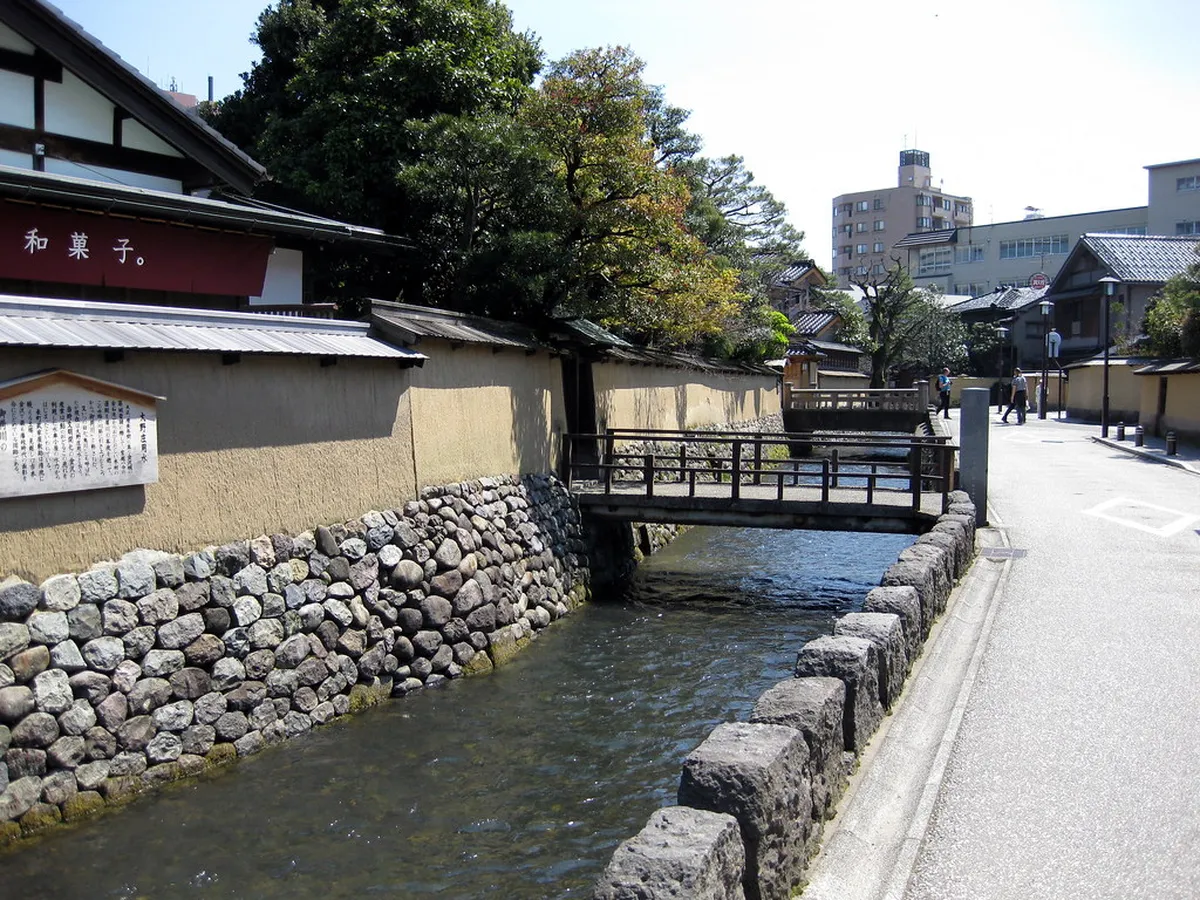
From the museum, take a nine-minute walk or short cab to the Nagamachi Buke Yashiki District. Middle and upper-ranking samurai lived here during the Edo period behind mud-plaster walls (dobei) that still line the lanes today. The Nomura Samurai Residence (500 yen entry) displays original armor, lacquered furniture, and a small garden praised by landscape architects. The D.T. Suzuki Museum, a further five-minute walk, is a minimalist building built on the birthplace of Japan's most influential Buddhist philosopher. Its Water Mirror Garden is a place for genuinely quiet sitting, not just photo-taking. Finish the day at Kazuemachi Chaya District along the Asano River, which is most atmospheric after 18:00 when lanterns light the latticed facades.
Day 3: Ninja Temple, Nishi Chaya, and the Western Temples
Myoryuji Temple — universally called the Ninja Temple — is the most unusual building in the city. It was constructed in 1643 as a disguised military outpost to defend the castle from the shogunate, not a ninja training ground as the nickname implies. Inside are trap doors, hidden staircases, a secret tunnel, seven levels built to look like three floors from outside, and a well connected to the castle escape route. Entry is by guided tour only; book at least 24 hours ahead at the temple office or by phone (tour fee around 1,000 yen). Arrive at 09:00 for the first slot to beat school groups.
From Myoryuji, walk five minutes to the Ninja Weapon Museum, a small but dense collection of roughly 160 artefacts including shuriken, sickle weapons, and samurai armor. Visitors can throw ninja stars at a padded target — a reliably popular 20 minutes for any group travelling with children. Around the corner is Nishi Chaya District, the smallest of the three tea quarters and the quietest. The geisha municipal building here is an unusual structure worth a look even if it is closed to the public. For travelers staying longer, Shirakawa-go's gassho-style villages make an excellent fourth-day day trip.
For the afternoon, visit the Dolls Museum near Hirosaka if you have not already passed through: it holds ritual Hina and Gogatsu dolls alongside children's toys, and visitors can paint their own doll to take home. If time allows, detour to Mt. Utatsu, a short uphill walk behind Higashi Chaya District, for a panoramic view over the city's black-tiled rooftops and toward the Sea of Japan. The Ishikawa Prefectural Office Observation Deck on the 19th floor of a government building near the castle is a free alternative with 360-degree views and almost no visitors.
Round out Day 3 at Omicho Market or the station building for last food shopping. The market closes by 17:00 on most days. The Kanazawa station's Rinto shopping zone stays open until 20:00 and carries a strong selection of regional souvenirs including Kaga-yuzen silk products, Kutani-ware ceramics, and gold leaf confectionery.
What to Eat in Kanazawa on a 3-Day Visit
Kanazawa's food identity is built on the Sea of Japan catch — snow crab (November to March), nodoguro (blackthroat seaperch), and buttery Echizen uni. Kaisendon, a rice bowl topped with fresh sashimi, is the default lunch order and costs 1,500 to 3,500 yen at Omicho Market counters. The city also holds a distinct comfort food that almost no travel guide outside Japan covers: hanton rice, a Kanazawa specialty of fried prawns and omelet over rice, dressed with ketchup and tartar sauce. Small family restaurants in the Higashi Chaya backstreets serve it for under 1,000 yen. It is worth one lunch specifically for the local experience.
For a formal dinner, Kaga-ryori is the regional cuisine — a set of cooking techniques developed for the Maeda clan that emphasizes slowly simmered dishes, Kaga vegetables, and lacquerware presentation. Budget around 6,000 to 15,000 yen per person at specialist restaurants. For a more accessible version, the Gourmet ticket KANAZAWA BIMI program sells booklets that give set-price access to curated local restaurants at a 20 to 30 percent discount versus ordering a la carte. Buy them online or at the tourist information desk inside Kanazawa Station.
Sake is the local drink. Kanazawa sits in Ishikawa Prefecture, which has over 30 active breweries drawing on snowmelt water from Mt. Hakusan. Seto Shuzo (est. 1865) near Higashi Chaya and Inoue Shuzo (seven generations, over 200 years old) both offer tastings. If you are visiting in winter, look for shiboritate — unfiltered new-press sake available from December — at any liquor shop near the market.
Where to Stay for a 3-Day Kanazawa Trip
Staying near the station simplifies logistics. The Kanazawa Loop Bus departs from the station plaza every 15 minutes and reaches every site in this itinerary. Hotel Nikko Kanazawa is a five-minute walk from the east exit, offers a grand lobby that feels like a throwback to Japan's bubble-era hotel style, and has rooms on upper floors with views toward the station gate and the sea. It also accepts luggage forwarding (takkyubin) from Tokyo if you use the Kuroneko Yamato service — a worthwhile option on a multi-city trip.
Budget travellers do well at APA Hotel Kanazawa Ekimae, which is even closer to the station, offers a large communal bath (onsen), and frequently runs off-peak rates below 7,000 yen per night for a single room. Hotel Intergate Kanazawa has a notable communal bath with a Hyakuman-san character mural and serves post-bath chilled milk in four flavors — a minor but genuinely enjoyable touch after a day of walking. Kanazawa Sainoniwa Hotel and Kanazawa Hakuchoro Hotel Sanraku round out the mid-range options within easy walking distance of the bus hub.
For visitors who prefer to stay closer to the historic districts, a handful of machiya townhouse guesthouses operate in Higashi Chaya and Nagamachi. They tend to have only three to six rooms and book out months ahead in cherry blossom and autumn leaf season. Check listings by early January for a March or April stay.
Getting to Kanazawa and Moving Around
The Kagayaki Shinkansen from Tokyo Station to Kanazawa takes approximately two and a half hours. JR Pass holders ride free. Trains run roughly every 30 minutes during peak hours; the first departure from Tokyo leaves at 06:16, reaching Kanazawa by 08:52. From Kyoto, a limited express via Osaka and the Thunderbird service takes around two hours and 20 minutes — note that the Thunderbird route is not covered by the standard JR Pass, only by the Hokuriku Arch Pass or a separate ticket.
Within the city, the getting around Kanazawa covers the two Loop Bus routes in detail. The Kenroku-en Loop (left loop, marked LE) and the Castle Loop (right loop, marked R) share many stops near the centre. Distinguish between them at the station: the LE bus goes clockwise past Omicho Market and Kenrokuen first; the R bus goes counterclockwise past the 21st Century Museum first. A day pass (800 yen) is available from the driver on boarding.
The Machi-nori bike-share network has docking stations near the station and all major tourist areas. Kanazawa is largely flat outside the temple hill area, making cycling a practical and fast option. Day passes cost 1,500 yen. Walking is best for the samurai and tea districts, where street widths and hidden alley shortcuts reward slow navigation. Taxis are metered and queue reliably at the station and outside major hotels.
Day Trips from Kanazawa If You Have Extra Time
Shirakawa-go is the most popular day trip and sits about 75 minutes from Kanazawa by express bus (around 2,600 yen one way). The UNESCO World Heritage village is famous for its gassho-zukuri farmhouses, whose steep thatched roofs were designed to carry the weight of three to four metres of snow. Winter illumination events in January and February make the village look like a film set. The bus schedule is limited — check the Nohi Bus timetable and book ahead in high season as seats sell out. For a more intimate version of the same landscape, Gokayama is quieter than Shirakawa-go and adds washi papermaking and folk music workshops. See Kanazawa day trips for full transport options and booking links.
The Noto Peninsula extends north from Kanazawa and rewards visitors who rent a car for a day. The Senmaida rice terraces at Shiroyone — roughly 1,000 tiny paddies carved into a hillside above the sea — are one of the most visually distinctive landscapes in western Japan. Yamanaka Onsen, 40 minutes south of Kanazawa by bus, is a mineral-spring town along the Kakusenkei Gorge that makes a gentler half-day alternative if you want to add an onsen stop without committing to a full peninsula drive. Eiheiji Temple, founded by Zen master Dogen in 1244, is an hour by bus and allows visitors to walk the forested temple grounds alongside resident monks.
The Name Kanazawa and What First-Time Visitors Miss
The city's name literally means "gold marsh." According to local legend, a peasant named Imohori Togoro was washing yams in a mountain stream near Kanazawa Castle when gold dust appeared in the water. People began calling the spot kanearai no sawa — the gold-washing marsh — and the name stuck when the Maeda clan built their castle town here in the late 16th century. The Kinjo-Reitaku Sacred Well inside Kenrokuen Garden marks the site of the original spring and is treated as a place of healing and wish-fulfillment by locals. Most visitors walk past it without stopping; it is easy to spot from the path near Kanazawa Shrine inside the garden.
What first-time visitors most commonly miss: the two smaller chaya districts. Higashi Chaya gets the crowds; Kazuemachi and Nishi Chaya are quieter and, in the early evening when lanterns come on, considerably more atmospheric. The Kanazawa Racecourse near the river holds regular meets from March to December and is a genuinely local scene with affordable grandstand entry — nothing like the tourist-facing experiences the rest of the city offers. The Ishikawa Prefectural Library, opened recently, is an architecturally striking reading room in a forested setting that design-minded visitors consistently report as an unexpected highlight. None of these require advance booking.
A practical note on timing: Kanazawa averages 160 rainy days per year — one of the wettest cities on Japan's Pacific coast. A lightweight rain jacket is more useful here than almost anywhere else in Japan. The best months for stable weather are May and October. Spring cherry blossom in Kenrokuen peaks in late March to early April; autumn foliage in the castle park and tea districts peaks in mid to late November. See the 2-day kanazawa itinerary if you are short on time and want the core highlights only.
Budget and Free Things to Do Across 3 Days
Kanazawa's biggest cost advantage over Kyoto is that several major attractions are free or near-free. Kanazawa Castle Park grounds: free. Walking the Higashi Chaya, Kazuemachi, and Nishi Chaya districts: free. The Nagamachi samurai lanes: free. The 21st Century Museum outdoor sculpture garden: free. The Oyama Shrine grounds: free. Kenrokuen is 320 yen and the castle interior zone is 320 yen — combined, less than a single museum in most major cities. The Ishikawa Prefectural Office Observation Deck is free and open to the public on weekdays.
For families, Omicho Market offers the best value sensory experience at zero cost to walk through. Children enjoy the variety of seafood, the narrow indoor lanes, and the kakigori (shaved ice) stalls in summer. The Dolls Museum allows children to paint their own doll as a souvenir. See free Kanazawa activities for a fuller list of no-cost activities across the city, including the Seisonkaku Villa garden near Kenrokuen and the fourth high school memorial museum facade near Hirosaka Park.
A realistic daily budget for a midrange traveler in 2026 is 10,000 to 15,000 yen per day including accommodation, transport, two meals, and one paid attraction entry. Spending more is easy — private guides, Kaga-ryori dinners, and ryokan stays push that figure up — but the city's core experiences are accessible without a large budget. The top things to do in Kanazawa guide breaks down entry fees and seasonal hours for every major site.
Frequently Asked Questions
Which 3 day kanazawa itinerary options fit first-time visitors?
First-time visitors should focus on the central historic districts like Kenrokuen and Higashi Chaya. These areas offer the most iconic views and cultural experiences. Planning a three-day stay allows for a relaxed pace while seeing all major landmarks. You can also include a half-day trip to nearby rural areas.
How much time should you plan for Must-See 3 Attractions?
You should allocate at least one full day to explore the three main attractions properly. Kenrokuen Garden alone requires two hours to appreciate the seasonal landscape fully. Kanazawa Castle and the tea district take several hours each for tours and walking. Starting early helps you avoid the largest tour groups.
Is 3 day kanazawa itinerary worth including on a short itinerary?
A three-day visit is highly recommended because it balances history with modern culture perfectly. You can experience samurai heritage and contemporary art without feeling rushed during your stay. Most travelers find that three days provides enough time to taste local seafood and visit traditional workshops. It serves as an ideal stop between Tokyo and Kyoto.
What should travelers avoid when planning 3 day kanazawa itinerary?
Avoid overpacking your schedule with too many museums in a single afternoon. Many cultural sites close by five in the evening, which can limit your sunset viewing options. Check the getting around Kanazawa to avoid waiting too long for the loop bus. Grouping activities by neighborhood will save you significant travel time.
Kanazawa is a city that rewards those who take the time to explore its historic depths. A three-day itinerary provides the perfect amount of time to see the highlights and more. You will leave with a greater understanding of Japan's rich samurai and geisha traditions. Start planning your journey today to experience this beautiful city for yourself.
Free: The Kanazawa Essentials guide
Top things to do, where to stay, a perfect day plan, getting around, and the best time to go — a Kanazawa mini-guide you can take offline.
You might also like


Continue reading
More guides you'll find useful