
8 Best Areas and Reasons to Stay in Nara (2026)
Discover the 8 best areas to stay in Nara, from the deer-filled Nara Park to traditional Naramachi, with expert tips on why staying overnight beats a day trip.
On this page
After my fourth trip to Nara last autumn, I finally understood why staying overnight changes the entire experience. While most visitors rush through the park on a frantic schedule, an overnight stay reveals a much quieter side of Japan that day-trippers never see. This guide breaks down every neighborhood worth considering in 2026, with honest pros, cons, and hotel picks at every price point.
Choosing the right base matters more in Nara than in most Japanese cities. The two main rail stations sit nearly 1.8km apart, and the area you pick determines whether you walk to the deer park at dawn or haul your luggage across town on a city bus. Read through the six neighborhoods first, then use the overnight tips at the end to decide how many nights to book.
Nara Park Area: Best for Temple Proximity and the Deer
Staying inside or on the edge of Nara Park puts you within a five-minute walk of the Great Buddha Hall at Todai-ji, the sacred lantern-lined approach to Kasuga Taisha Grand Shrine, and roughly 1,500 free-roaming sika deer. When the gates open at 07:30 you can walk straight to the bronze Buddha without passing a single tour group. That alone justifies the higher room rates for many visitors.
Accommodation here skews toward luxury and traditional ryokan. Fufu Nara is the standout luxury choice, set in a forested enclave with in-room onsen baths (rates from around ¥50,000 per person per night including dinner). For a more affordable traditional option, Kotonoyado Musashino and Edosan both sit inside the park boundary with tatami rooms and kaiseki meals. The Deer Park Inn is the budget outlier — a small hostel literally inside the park at hostel prices.
The trade-off is isolation after dark. There are very few convenience stores in this zone, and most of the dining options close by 21:00. Stock up on snacks at Nara Station before you head east. Families with young children especially benefit from this area because the deer activity peaks in the early morning before day-trippers arrive with shika sembei (deer crackers, ¥200 per pack from park vendors).
One practical note: Kintetsu Nara Station is a 15-minute walk from the park's western edge. JR Nara Station is significantly further — roughly 1.8km — and requires a bus or taxi. If you plan to move bags between cities on the same day you arrive, the park area adds logistical friction unless you send luggage ahead via takuhaibin delivery service.
Naramachi Area: Best for Traditional Machiya Atmosphere
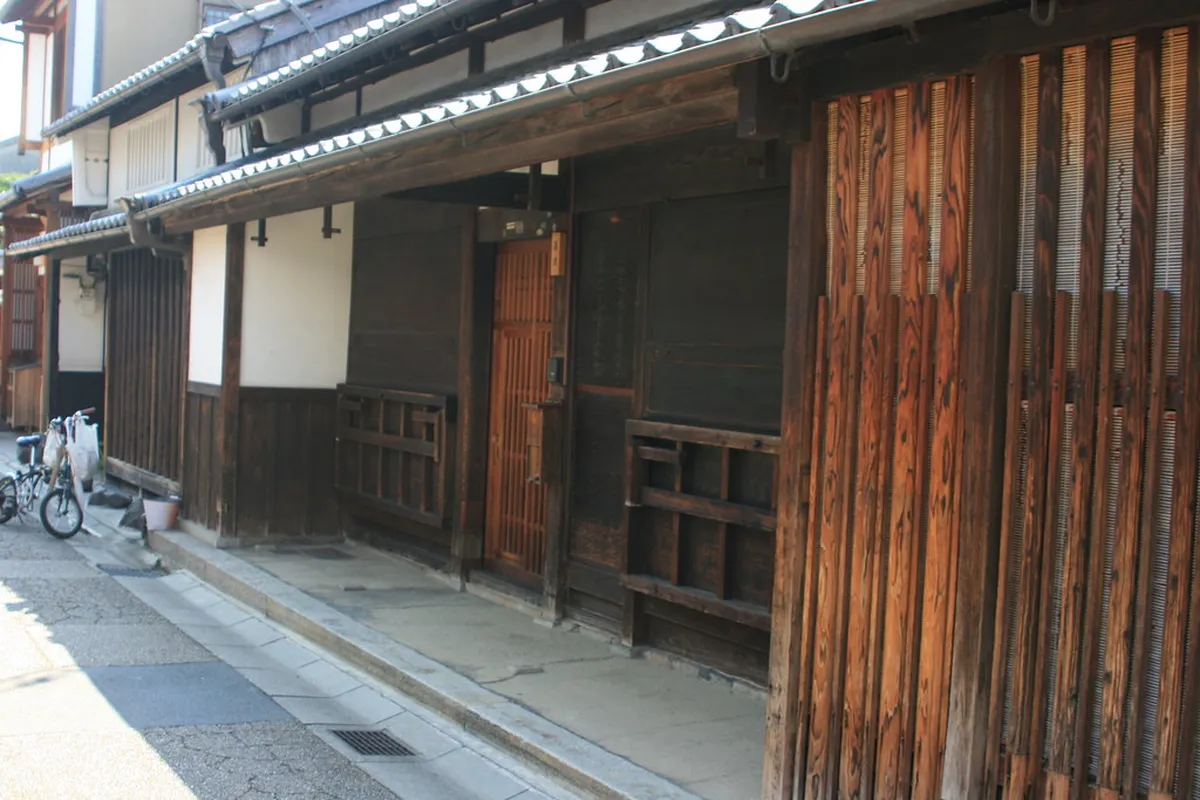
Naramachi is the most atmospheric neighborhood in Nara. The preserved merchant quarter sits directly south of Sanjō-dōri and stretches toward the outskirts of the city through a grid of narrow lanes lined with dark-timber machiya townhouses. Many date to the 17th and 18th centuries. Galleries, craft shops, sake breweries, and intimate restaurants occupy buildings that have barely changed on the outside in two hundred years.
Accommodation choices here tend toward boutique and ryokan. NIPPONIA Hotel Nara Naramachi is the headline option — a former merchant house converted into a four-star hotel with tatami-floored rooms and a curated breakfast featuring local Nara ingredients (rates from ¥25,000 per night). Hotobil An Inn is a smaller, more romantic ryokan popular with couples. For budget travelers, Guesthouse Naramachi offers clean dorms and private rooms at ¥3,500–¥7,000 per night and loans bicycles at no extra charge.
Walking is the main mode of transport here. Most of the notable streets — including Shimomikado Street with its wagashi sweet shops and the Harushika Sake Brewery (tasting flights from ¥500) — are within a ten-minute stroll of any accommodation in the district. Gangoji Temple, founded in 718 AD, draws far fewer visitors than Todai-ji and is practically on your doorstep. It opens at 09:00 and closes at 17:00, with admission at ¥500.
Evening dining is genuinely excellent here. Lamp Bar on a side street off Naramachi serves atmospheric cocktails with no menu — the bartender makes what you ask for. Salon des Vins Seve is the neighborhood wine bar. Naramachi is roughly a ten-minute walk south from Kintetsu Nara Station, making it easy to combine with the park area without needing a bus. See our Naramachi walking guide for a full route through the district's best streets.
Kintetsu Nara Station Area: Best for Dining, Shopping, and First-Timers
| Neighborhood | Hotel Type Examples | Distance to Park | Best For |
|---|---|---|---|
| Nara Park | Ryokan, Luxury | 5 min walk | Temple access |
| Kintetsu Station | Mid-range, Budget | 15 min walk | Dining, shopping |
| Naramachi | Guesthouse, Boutique | 10 min walk | Atmosphere |
| JR Station | Business, Budget | 25 min walk | JR Pass users |
Kintetsu Nara Station is the more convenient of Nara's two rail hubs for tourists. The underground terminal exits directly onto Higashimuki Shopping Arcade, and the park's main entrance is a 15-minute flat walk east. Travelers arriving from Kyoto or Osaka on the Kintetsu Limited Express (35 minutes from Kyoto, ¥760) step off the train and are practically already in the city center. This is the area I recommend to first-timers without hesitation.
The dining scene around this station is the best in Nara. Nakatanidou on Sanjō-dōri is famous for its mochi-pounding performance and freshly made yomogi mochi. The covered Higashimuki and Mochiidono shopping streets run north-south from the station exit and stay busy until 20:00. You can cover most of the city's souvenir shopping — persimmon products, narazuke pickles, Nara ink brushes — without leaving a two-block radius.
Mid-range hotels dominate this zone. Iroha Grand Hotel Kintetsu Nara-ekimae sits directly at the station exit with rooms from ¥8,000–¥14,000 per night. Noborioji Hotel is a smart option a few blocks closer to the park. For budget travelers, Hostel & Gallery Gisgood is near this area and consistently earns top reviews for its social atmosphere and walking-distance position relative to the main sights.
The only downside is noise. The streets around both arcades are busy until evening, and some rooms on lower floors facing Higashimuki can be loud on weekends. Request a higher floor or a park-facing room when you book.
JR Nara Station Area: Best for JR Pass Holders and Easy Onward Travel
JR Nara Station sits about 600m west of Kintetsu Nara Station. If you are traveling Japan on a JR Pass, this is your natural arrival point — the Yamatoji Line connects directly to Osaka (45 minutes, covered by the pass), and you avoid the extra cost of the separate Kintetsu network. The area around the station has a large bus terminal, a supermarket open until 23:00, and a second-floor food court inside the station building selling every Nara specialty from persimmon puddings to sake-spiked custard jars.
The main trade-off is distance to the sights. From JR Nara Station it is approximately 1.8km to the western edge of Nara Park — a bus ride (¥220 on the loop bus, day pass ¥500) or a 20-minute walk. If you have heavy rolling luggage, that walk feels considerably longer. Coin lockers at the station (¥300–¥700 depending on size) help if you plan to explore before checking in, but they are sometimes full during cherry blossom and autumn foliage peaks.
Hotels here are mostly modern business-style properties. Piazza Hotel Nara is the highest-rated, located one minute from the station with rooms from ¥7,000. Super Hotel Lohas JR Nara Eki offers clean no-frills rooms from ¥5,500. Budget travelers staying near JR Nara can check out Guest House Oku a short walk away — compact rooms at ¥3,500–¥5,000 per night, with helpful English-speaking staff who know the local transit system well.
The Sunday Nara Craft Market runs outside JR Nara Station and is worth building your arrival day around if dates align. It draws local artisans selling ceramics, textiles, and food — a genuine local event rather than a tourist-facing market.
Shin-Omiya Area: Best for Modern Comfort and Local Nightlife
Shin-Omiya sits one stop west of Kintetsu Nara Station on the Kintetsu Kyoto Line — about five minutes by train and ¥160 in fare. The area around Shin-Omiya Station and the nearby Nara Prefectural Convention Center caters to domestic business travelers and event visitors, which means the hotels here are clean, modern, and noticeably cheaper than the tourist-zone equivalents. It also means the restaurants are pitched at Japanese salarymen rather than tour groups.
The most compelling reason to consider Shin-Omiya is food. Wa Yamamura, widely considered Nara's best restaurant and one of the few in the prefecture holding serious national recognition, is located in this neighborhood. Reservations are essential months in advance, but staying nearby means you can walk there at 19:00 without managing a taxi from the other side of the city. Local izakayas on the back streets around the station stay busy until midnight and are a genuine window into how Nara residents eat and drink on a weeknight.
Hotel options cluster around the convention center. Expect to pay ¥6,000–¥10,000 per night for clean business hotels with fast WiFi and modern bathrooms. The five-minute train back to Kintetsu Nara Station means you are not sacrificing access to the sights — you are simply trading tourist-area noise for a quieter residential feel. I stayed here during the 2024 autumn convention season and found it one of the better-value decisions I've made in Japan.
Ikoma Area: Best for a Quiet Hillside Retreat with Basin Views
Ikoma sits on the border of Nara and Osaka prefectures, about 15 minutes from Kintetsu Nara Station on the Kintetsu Keihanna Line via Gakken-Nara-Tomigaoka. The town climbs a forested hillside, and properties on the upper slopes offer sweeping views across the Nara basin — the kind of panorama that makes the extra transit worthwhile. This is the most underwritten area in most guides to Nara, and it suits a specific type of traveler.
The Ikoma Sangenjaya Cable Car, one of the oldest operating cable railways in Japan, runs from Torii-mae Station (two stops from Ikoma on the Kintetsu Ikoma Kabosaka Line) up to Ikoma Sanjo Amusement Park at the top of the hill. The cable car operates from approximately 09:00 to 17:30 on most days (check seasonal hours, as the park closes on Wednesdays). The hilltop also has shrines, walking trails, and a grassy picnic area popular with Osaka families on weekends.
Accommodation here includes mountain lodges and small inns ranging from ¥12,000 to ¥35,000 per night, usually including dinner. The cooler evening temperatures on the hillside are a particular advantage in July and August, when the Nara basin retains heat and city hotels can feel humid. Ikoma is best suited to travelers who want a slower pace, are visiting for two or more nights, and don't mind a train ride to reach the main temples.
The practical consideration is the transport connection. Returning to central Nara takes 20–25 minutes by train with one transfer. That's manageable for a day of sightseeing, but less ideal if you're trying to be at Todai-ji when it opens at 07:30. Plan your itinerary with the extra transit time built in, and consider booking Ikoma for the final night of your trip when you're less concerned about early temple access.
Is Nara Better Than Kyoto for an Overnight Stay?
Most travelers treat Nara as a day trip from Kyoto, but that calculus is worth reconsidering in 2026. Kyoto hotel rates have increased sharply since the post-pandemic travel rebound, and a comparable room in Nara typically costs 30–50% less. A mid-range double near Kintetsu Nara Station runs ¥10,000–¥15,000 per night; the same standard near Kyoto's Gion district would cost ¥18,000–¥28,000. Over two nights, that saving alone covers most of the return train fare. For detailed recommendations on neighborhoods and specific hotel choices, see our guide to 9 Best Areas to Stay in Nara: Neighborhood & Hotel Guide.
The experiential case is equally strong. Kyoto is a large, spread-out city — you frequently need taxis or subway rides between sights. Nara's main attractions are concentrated in a compact area you can cover on foot. The scale is more human. You are not competing for a perfect photo of Fushimi Inari with three hundred other tourists at the same hour; at Kasuga Taisha at dawn, you might genuinely be alone.
The one area where Kyoto wins is breadth of choice. Nara has perhaps a tenth of Kyoto's restaurant count, its nightlife is modest, and there are no major performing arts venues. If you want to eat at a different world-class restaurant every night, Kyoto is the better base. If you want a more intimate, relaxed encounter with ancient Japan — and you want to find the best things to do without fighting through crowds — Nara earns the overnight.
Reasons to Stay the Night in Nara: What Day-Trippers Miss
The single most compelling reason to stay overnight is the park after 17:00. Day-trip tour buses typically depart Nara between 16:30 and 17:30. Within 30 minutes the central areas around Todai-ji and Kasuga Taisha transform — the deer thin out into the forest, the souvenir stalls close, and the stone lanterns along the Kasuga approach begin to glow. Walking that path at dusk is genuinely one of the quieter, more beautiful moments available to any traveler in Japan, and it costs nothing beyond your room rate.
The second reason is early morning access. Todai-ji opens at 07:30. If you walk from a Nara Park area hotel at 07:15, you can be inside the Great Buddha Hall before the first bus from Kyoto arrives. The difference in atmosphere between 07:30 and 10:00 is substantial — at 07:30 it is meditative, at 10:00 it is a queue. The same logic applies to Kasuga Taisha (opens 07:00) and the free Yoshikien Garden (opens 09:00), one of the most beautiful Japanese stroll gardens in the Kansai region.
Third: the Tokae Lantern Festival in mid-August. Held across two weekends, the festival lights 2,000 stone lanterns along the Kasuga path and hundreds of hand-placed lanterns in Nara Park. Access after dark is only practical with a Nara accommodation booking. Hotels sell out three to four months in advance for Tokae weekends — consider this your reminder to plan early for August 2026. For a full overview of how to sequence your sightseeing, our top Nara attractions guide maps out the timing for each major site.
Finally, the practical win: using Nara as a base rather than adding it as a Kyoto day trip simplifies your Kansai itinerary. You arrive the evening before, drop your bags, walk the lit park, and wake up with three sights already done before the tour buses from Osaka arrive. Our guide to the best ryokans in Nara covers the traditional inn options if you want to make the overnight stay an experience in itself.
Frequently Asked Questions
Which area in Nara is best for first-time visitors?
First-time visitors should stay near Nara Park or the Kintetsu Nara Station. These areas provide the easiest access to the deer, major temples, and the best dining options. You can reach most sights on foot from these central locations.
How many nights should you stay in Nara?
One or two nights is usually sufficient for most visitors to Nara. This timeframe allows you to explore the major temples and the old town without rushing. You will also have time to enjoy the peaceful evening atmosphere.
Is it better to stay near JR Nara or Kintetsu Nara station?
Kintetsu Nara Station is generally better for tourists because it is closer to the park and Naramachi. JR Nara Station is more convenient if you are using a JR Pass. Both stations are connected by a fifteen-minute walk along a shopping street.
Nara is far more than just a quick stop between Kyoto and Osaka. By choosing the right area to stay, you unlock a peaceful and historic side of Japan that most travelers never witness. Whether you prefer a luxury forest retreat at Fufu Nara, a traditional machiya in Naramachi, or a quiet hillside inn in Ikoma, each neighborhood offers a genuinely different experience of the same ancient city. For comprehensive information about all attractions across the city, check out our Nara attractions guide.
Book your accommodation early for any visit overlapping cherry blossom season (late March to early April) or the Tokae Lantern Festival (mid-August 2026). The best ryokans near the park sell out months ahead. Safe travels as you explore one of Japan's most rewarding overnight destinations.
Free: The Nara Essentials guide
Top things to do, where to stay, a perfect day plan, getting around, and the best time to go — a Nara mini-guide you can take offline.
You might also like


Continue reading
More guides you'll find useful


