Where to Stay in Otaru: Best Hotels & Areas (2026)
Compare where to stay in Otaru in 2026, including the canal, station, Otaru-Chikko, and Asarigawa Onsen plus current hotel and tax advice.
On this page
For most first-time visitors deciding where to stay in Otaru, the best base is between JR Otaru Station and the Otaru Canal. This compact central zone keeps the train, canal, restaurants, and major historic streets within walking distance. Choose Otaru-Chikko for a bayfront hotel and shopping access, or Asarigawa Onsen when hot springs matter more than city-center convenience.
This guide was verified in July 2026 against current city, tourism, and hotel sources. Otaru has modern station hotels, canal-side properties, simple hostels, and destination onsen retreats. Compare the final price for your dates because room rates, meal inclusions, and 2026 accommodation taxes can materially change the total.
Useful resources include the official Otaru Tourism Association lodging directory, the Otaru City accommodation register, and Japan Guide's Otaru overview.
Why Choose Otaru for Your Next Trip?
Otaru, a picturesque port city in Hokkaido, captivates visitors with its romantic canal, historic architecture, and world-class seafood. It offers a delightful blend of cultural immersion and scenic beauty, making it a compelling destination for any traveler. Many visitors consider Otaru an essential stop, often combined with a trip to nearby Sapporo or Niseko. The city's compact size also makes it easily walkable, enhancing its appeal for exploration.
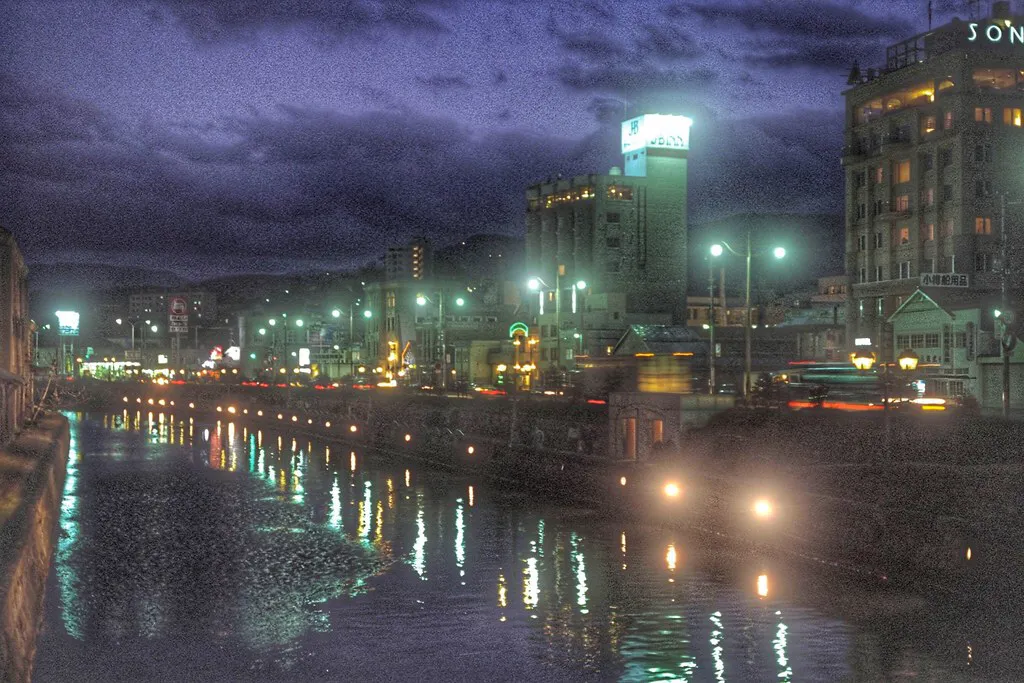
Beyond its visual charm, Otaru boasts a rich history as a major trading port, evident in its beautifully preserved stone warehouses and merchant homes. These historical elements contribute to a unique atmosphere, especially during the evening when the canal is lit. From glass blowing workshops to sake breweries, the city provides a wealth of activities. It truly offers a distinctive Japanese experience that differs from larger metropolises.
Choosing where to stay in Otaru means deciding what kind of experience you want to prioritize. Do you prefer being steps away from the main attractions, or would you rather unwind in a serene hot spring resort? The city's accommodation options cater to a wide array of preferences, ensuring a memorable stay. Understanding these choices is key to planning your perfect Otaru adventure.
Understanding Otaru's Key Neighborhoods for Accommodation
Quick answer: choose the canal for atmosphere, Otaru Station for transport, Otaru-Chikko for bayfront facilities, and Asarigawa Onsen for a retreat. Central Otaru is compact, but winter snow, luggage, and steep side streets can make a short map distance feel longer.
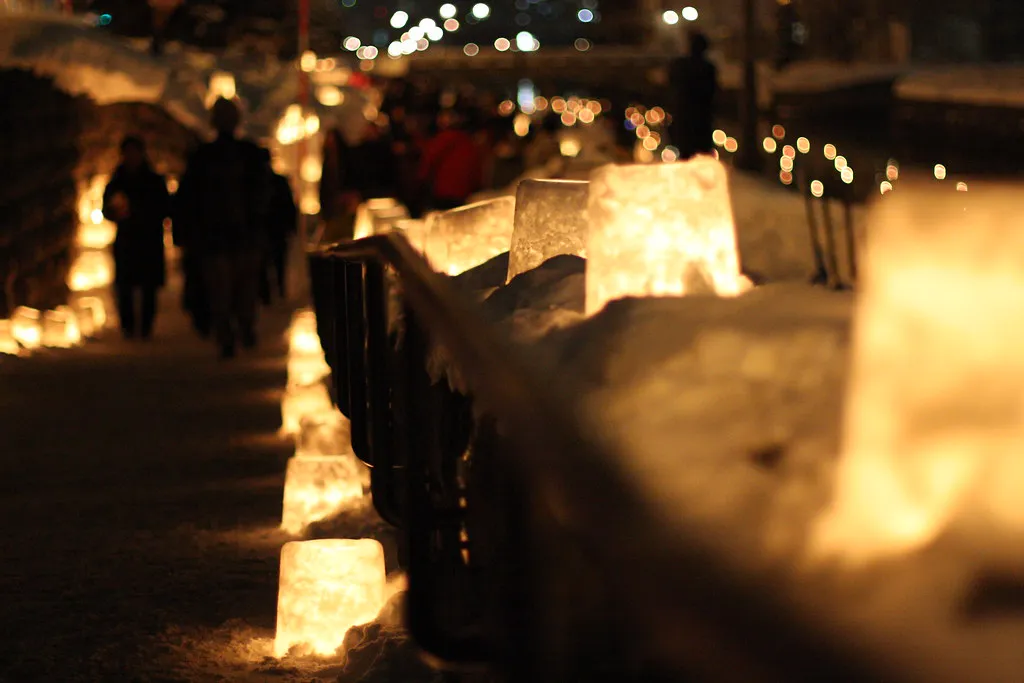
Otaru Canal and Ironai: this is the most atmospheric choice for first-time visitors. Hotels here put the canal, warehouses, former banking district, and many restaurants close by. Sakaimachi's Otaru Music Box Museum and Kitaichi Glass are farther southeast but remain walkable for many travelers.
Otaru Station and Inaho: stay here for the easiest arrival, early departures, Sankaku Market, and local buses. It is less scenic directly outside the station, but the canal is still roughly a 10-minute downhill walk. In winter, this convenience can outweigh a canal-facing room.
Otaru-Chikko: Grand Park Otaru connects to Wing Bay Otaru and sits about five minutes from JR Otaru-Chikko Station. This area suits drivers, families, and travelers who prefer bay views and indoor shopping access, but it is a separate train ride from central Otaru.
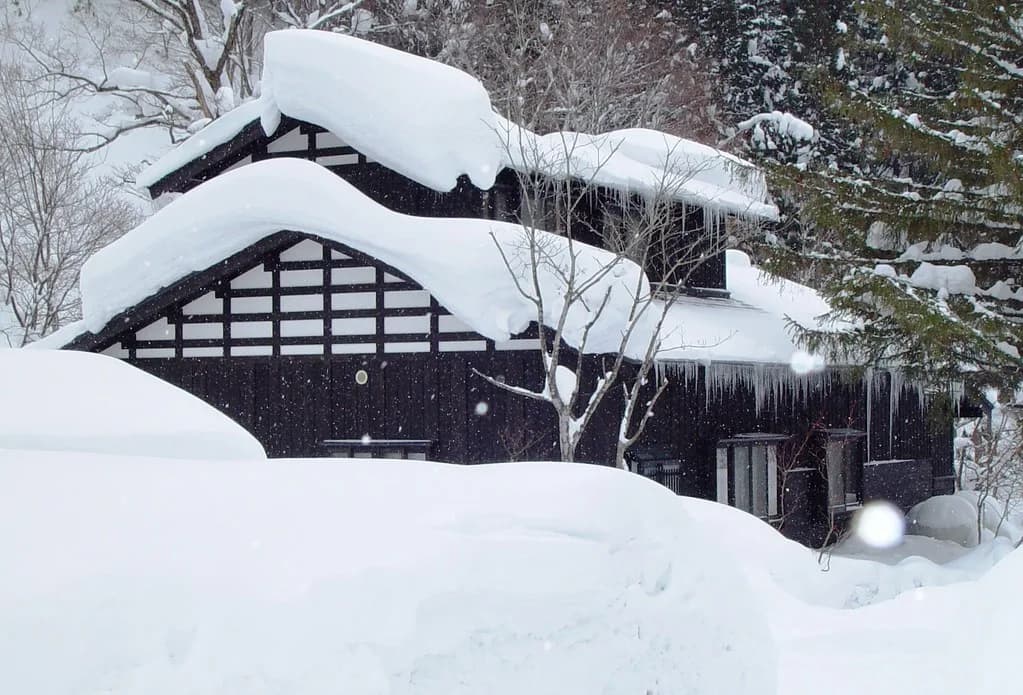
Asarigawa Onsen: choose this mountain district for onsen, skiing, and a quieter evening. Hokkaido's official tourism site places it about 25 minutes by bus from JR Otaru Station and about 20 minutes by car from central Otaru. It is not the best base for repeatedly walking to the canal.
Top Hotels in Otaru: Luxury to Mid-Range Picks
These four currently operating hotels cover Otaru's main location trade-offs. Rates change sharply with weekends, room occupancy, the Snow Light Path period, and meal plans, so compare the final total for your exact dates rather than relying on a static range.
- Grand Park Otaru: bayfront hotel with shopping access
- Best for bay views, larger-hotel facilities, drivers, and easy access to Wing Bay Otaru.
- It is by JR Otaru-Chikko rather than the Otaru Canal; the official access page lists a five-minute walk from the station.
- JR Otaru-Chikko is about six minutes by train from JR Otaru Station.
- Use the signed indoor route through Wing Bay during mall hours; a separate outdoor route operates when the mall is closed.
- Choose this property for the bayfront setting, not for walking out directly onto the canal.
- Hotel Nord Otaru: directly opposite the canal
- Best for canal atmosphere and an easy evening walk after day-trip crowds leave.
- The Otaru Tourism Association lists the hotel about seven minutes on foot from JR Otaru Station.
- Published check-in is 15:00 and check-out is 11:00.
- The upper-floor Bar Duomo Rosso overlooks the canal and port, although opening arrangements can change.
- Confirm the room view before paying more, because not every room faces the canal.
- Dormy Inn Premium Otaru: station convenience with onsen
- Best for rail travelers who want a natural hot-spring bath without staying outside central Otaru.
- The official tourism listing places it one minute on foot from JR Otaru Station.
- Published check-in is 15:00 and check-out is 11:00.
- Parking is paid and limited; the current tourism listing gives ¥1,400 per night.
- Check the exact plan if breakfast is important because it is not included with every rate.
- Authent Hotel Otaru: central station-to-canal compromise
- Best for travelers who want to split the walk between the station and historic center.
- The official access page places it about five minutes from JR Otaru Station on Nichigin-dori.
- Published check-in is 14:00 and check-out is 11:00.
- The hotel lists 20 outdoor parking spaces at ¥1,500 per night, with winter availability affected by snow.
- This position works well for restaurants, the canal, and rail access without committing to the waterfront.
Ryokans and Onsen Retreats in Otaru
Otaru's best-known destination ryokans are in Asarigawa Onsen, not beside the canal. Rates are normally quoted per person and may include dinner and breakfast, making a direct comparison with room-only city hotels misleading. Confirm meal inclusions, bedding, private-bath access, allergy policies, and transport before booking.
- Otaru Kourakuen: garden ryokan with private-bath rooms
- This is the single property that the previous guide mistakenly listed twice under similar names.
- The official site lists 34 non-smoking Japanese rooms, with dinner and breakfast available.
- Published check-in is 15:00 and check-out is 11:00.
- Some room types have private open-air baths; verify the exact room description before booking.
- The reservation system changed in April 2026, so use the current official booking links for changes or cancellations.
- Otaru Ryotei Kuramure: all-inclusive design ryokan
- Best for a high-end, quiet stay where the property itself is the main experience.
- Its official fact sheet lists 18 individually designed rooms, each with a natural hot-spring bath.
- The all-inclusive format covers more than a standard room-only rate, so compare inclusions carefully.
- It is in Asarigawa Onsen and requires bus, taxi, or arranged transport to central sightseeing.
- Contact the property early about dietary needs and arrival arrangements.
- Otaru Asari Classe Hotel: full-service onsen resort
- Best for travelers wanting larger resort facilities, outdoor baths, and access to the Asarigawa area.
- The property has extensive free outdoor parking, which makes it practical for drivers.
- Published seasonal shuttles have changed between periods, so do not assume a 2026 pickup without confirming.
- Public buses serve Asarigawa Onsen from Otaru Station and Otaru-Chikko.
- This is a modern resort hotel rather than a small traditional ryokan.
Budget-Friendly Stays: Affordable Options in Otaru
Budget travelers should compare guesthouses in Inaho and the historic center with simple hotels outside the canal frontage. Otaru City's accommodation register is more reliable than old booking roundups because it identifies currently registered properties and notes that rates vary by season.
Otaru YaDo is a current guesthouse in Inaho, within the station-to-canal zone. The city register lists 16 rooms, capacity for 80 guests, and indicative rates from ¥3,600. Confirm the current dorm/private-room inventory and check-in rules directly. It is a practical base for visiting the Otaru Canal without paying specifically for a canal-facing room.
Otarunai Backpackers' Hostel MorinoKi is another registered low-cost option, with dormitory-style bunk beds. The city listing gives an indicative rate of ¥3,400, but travelers should verify the live total, accepted payment, luggage policy, and arrival window. Couples should compare two dorm beds with a compact private room elsewhere before assuming the hostel is cheaper.
Otaru Onsen Stays: Relax and Rejuvenate
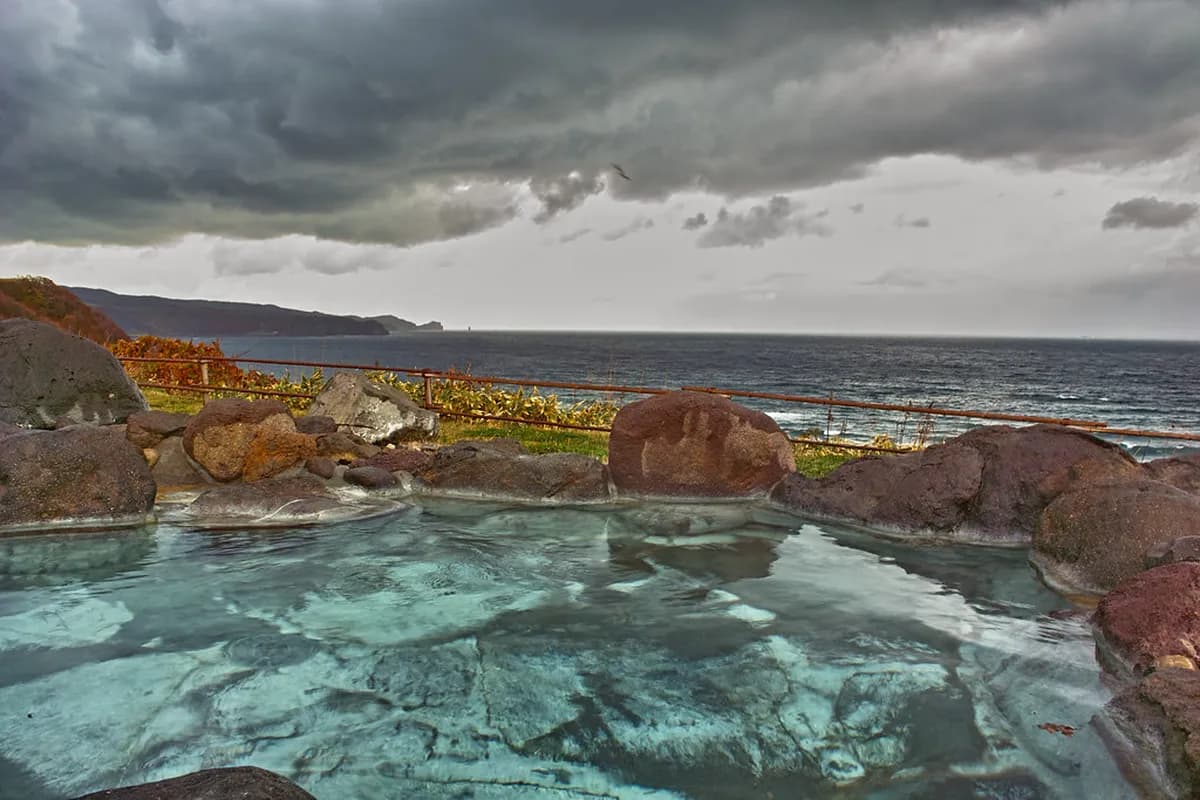
Asarigawa Onsen is Otaru's main hot-spring district. The official Hokkaido tourism guide describes it as roughly 20 minutes by car from central Otaru, while public buses take about 25 minutes from JR Otaru Station.
The district includes traditional ryokans, modern resort hotels, cottages, and day-use baths. Bath hours and day-use access vary by property and can change seasonally, so check the official Asarigawa Onsen facility directory rather than relying on one generic schedule.
Choose a central hotel with an onsen, such as Dormy Inn Premium Otaru or Hotel Sonia, when you want both bathing and walkable sightseeing. Choose Asarigawa Onsen when a slow resort evening, natural setting, or private bath matters more than returning easily to the canal after dinner.
How to Choose Your Perfect Stay in Otaru
Selecting the right accommodation depends on what you need before and after sightseeing. Prioritize location first, then compare room layout, meal plan, bathing facilities, cancellation policy, and the tax-inclusive total.
First-time visitors usually benefit from the canal-to-station corridor. Families should verify real bed capacity rather than relying on a room's marketing name, and drivers should confirm parking reservations, height limits, and winter conditions.
Couples may prefer a canal-view room or an Asarigawa retreat with a private bath. Budget travelers should compare two hostel beds with one compact private room. Winter visitors should favor a shorter, flatter walk if carrying luggage because snow and ice can make central streets slower to navigate.
Practical Tips for Booking Accommodation in Otaru
When to book: reserve early for summer weekends, the February Snow Light Path period, Japanese holidays, and specific private-onsen rooms. A cancellable booking made two to four months ahead gives many travelers a useful balance of availability and flexibility, but scarce room types may require more lead time.
Accommodation tax: from April 1, 2026, Otaru collects both city and Hokkaido accommodation taxes. The official Otaru City guidance gives a combined per-person, per-night total of ¥300 for lodging under ¥20,000, ¥400 for ¥20,000 to under ¥50,000, and ¥700 for ¥50,000 or more. This is separate from any bathing tax charged for taxable onsen use.
Compare equivalent totals: check whether the displayed rate is per room or per person and whether it includes breakfast, dinner, taxes, parking, and cancellation flexibility. Ryokan pricing often includes two meals, while business-hotel pricing may not include breakfast.
Book from a current source: use major booking platforms to compare availability, then check the official property site for the exact room and policies. Do not rely on old hotel roundups: Otaru's accommodation inventory has changed, and closed properties can remain indexed elsewhere.
Frequently Asked Questions
Which Otaru neighborhoods are best for nightlife?
Stay in central Otaru between the station, Hanazono, and the canal for the easiest access to izakayas and bars. Otaru evenings are quieter than Sapporo, so check closing times and choose Sapporo instead if late-night entertainment is a priority.
How much does a hotel in Otaru cost?
There is no dependable fixed average because rates change by date, occupancy, and meal plan. Otaru City's 2026 register lists some hostels from roughly ¥3,000–¥4,000 per person and central hotels from around ¥5,000–¥12,000, but live rates can be much higher during peak periods.
How far is Asarigawa Onsen from central Otaru?
Asarigawa Onsen is about 20 minutes by car from central Otaru. Hokkaido's official tourism site gives approximately 25 minutes by bus from JR Otaru Station. Allow extra time in winter or when transferring with luggage.
Does Otaru charge an accommodation tax in 2026?
Yes. Since April 1, 2026, the combined Otaru City and Hokkaido tax is ¥300, ¥400, or ¥700 per person per night depending on the lodging-price tier. The property may collect it separately from the prepaid room total.
Is it better to stay overnight in Otaru or visit from Sapporo?
Stay overnight if you want the canal after the day-trip crowds leave, an early market visit, or an Asarigawa Onsen retreat. A Sapporo day trip is practical when your schedule is tight and you prefer a wider choice of nightlife and onward transport.
For a first visit, the station-to-canal corridor is the safest all-round choice. Pick Otaru-Chikko for bay views and indoor facilities, or Asarigawa Onsen when hot springs are central to the trip.
Before booking, verify that the property is operating, compare equivalent meal and cancellation terms, and add the 2026 accommodation tax to the final total. Then match the location to the part of Otaru you want to enjoy before and after the busiest sightseeing hours.
Free guide: Japan's Hidden Gems
12 under-the-radar places beyond Tokyo & Kyoto — with the best season to visit each and a local tip you won't find in the guidebooks.
You might also like

Continue reading
More guides you'll find useful