What to Eat in Otaru: 9 Best Foods to Try (2026 Guide)
What to eat in Otaru: the 9 best foods, from Sankaku Market kaisendon to Sushiya-dori omakase and Sakaimachi Street cheesecake. Updated for 2026.
On this page
Last updated July 2026, this guide covers what to eat in Otaru, the canal port on Hokkaido's coast built on Sea of Japan seafood. Otaru's food scene runs from a ¥280 canal-side treat to a full omakase counter on Sushiya-dori, shaped by more than a century of herring-fishing wealth, Meiji-era sake production, and a European-leaning sweets tradition. The list below ranks the nine dishes, stalls, and restaurants worth prioritizing, plus the wait-time and reservation logistics that catch first-time visitors off guard.
Otaru Food Map: What to Eat and Where First
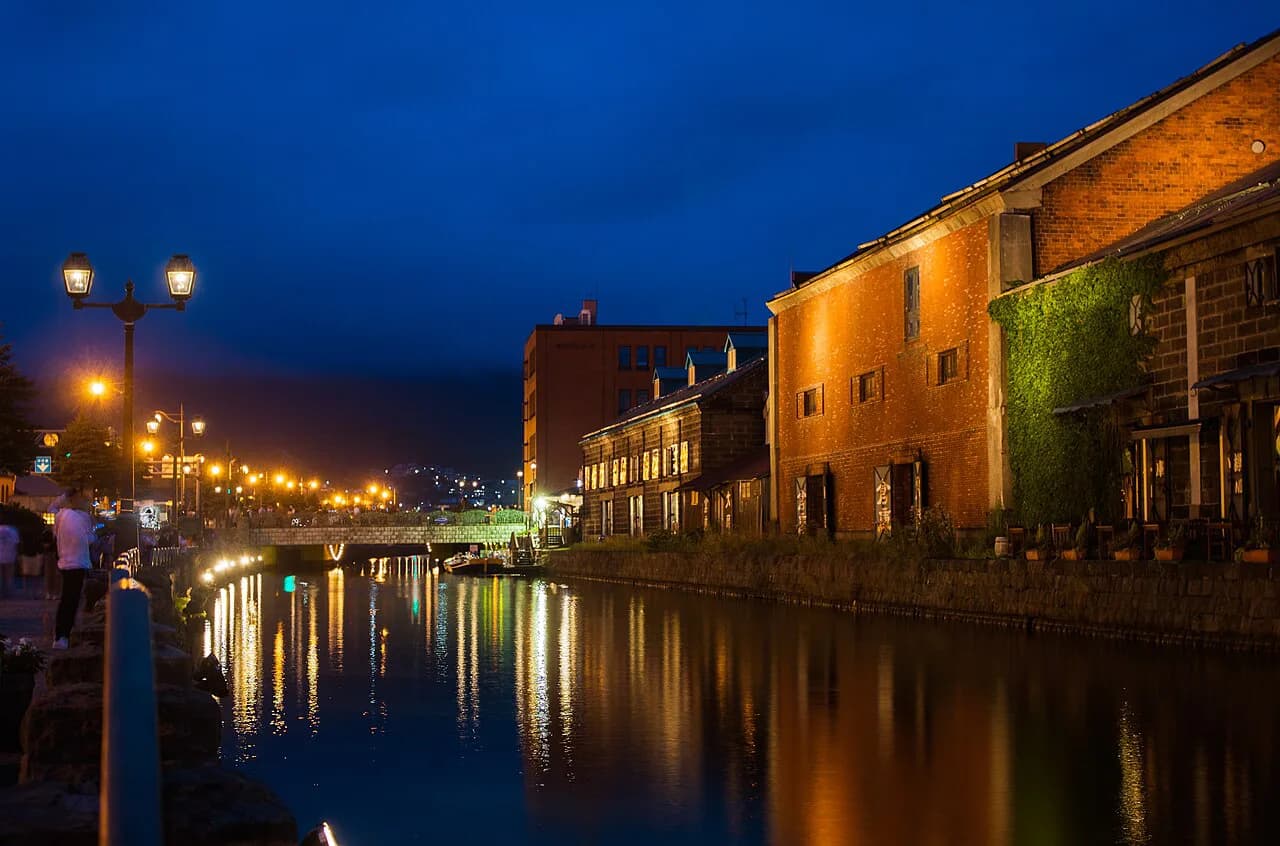
Otaru organizes its eating around three walkable hubs, and each one suits a different part of the day. Sankaku Market sits close to JR Otaru Station and works best for a seafood breakfast or an early lunch, before the midday crowds build. Sushiya-dori, the sushi-focused strip set back from the water, holds the city's highest-end counters alongside casual alternatives nearby. Sakaimachi Street runs from the Otaru Canal: Ultimate Travel Guide & Things to Do up toward Kitaichi Glass and works as a dedicated dessert crawl once the savory meals are done. Treat the three hubs as a loose itinerary rather than one stop: market seafood first, sushi at lunch or dinner, sweets whenever the walk passes through downtown. A short loop through the wider canal district attractions connects all three without much backtracking.
| Hub | Best For | Best Time | Typical Budget |
|---|---|---|---|
| Sankaku Market | Seafood rice bowls, market breakfast | 7:00 AM to early afternoon | ¥2,000–¥5,000 |
| Sushiya-dori | Sushi counters, omakase | Lunch or dinner | ¥5,000–¥18,000+ per person |
| Sakaimachi Street | Cheesecake, soft serve, street snacks | Midday through early evening | ¥280–¥800 per stop |
Sankaku Market vs. Chuo Market: Handling the Wait
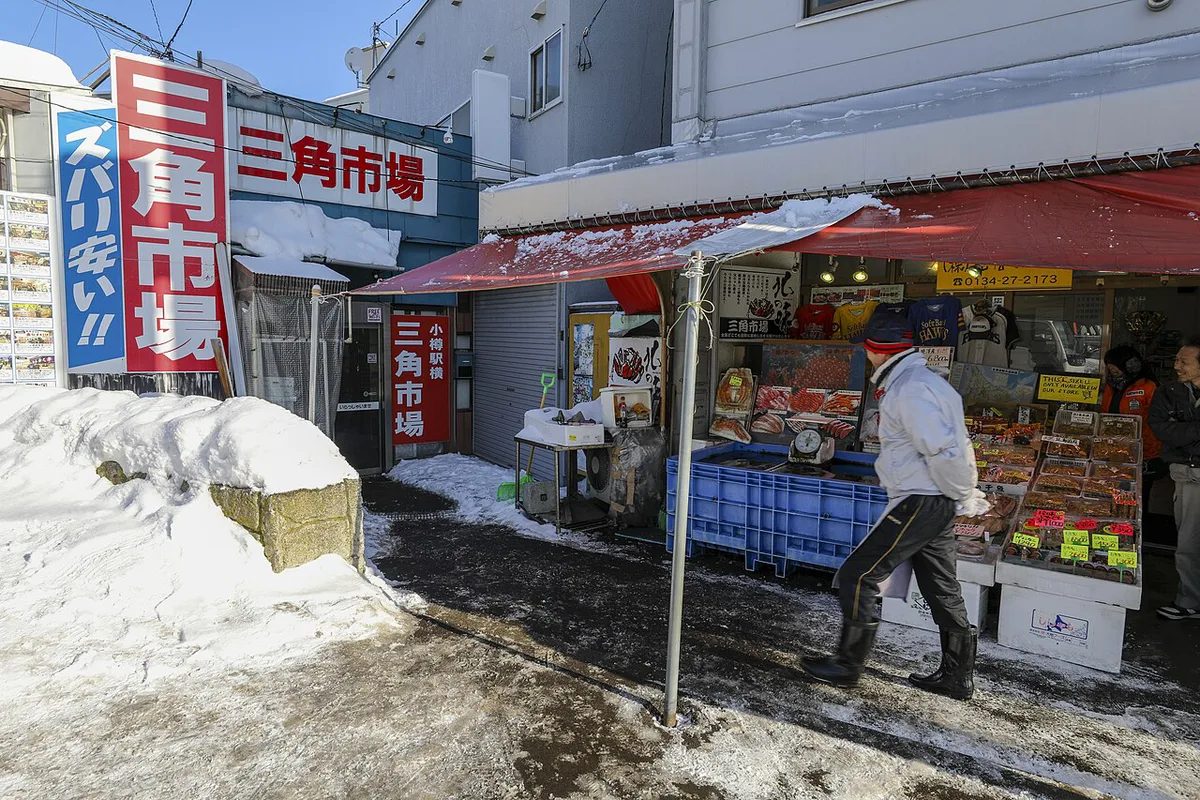
Sankaku Market is the reason most visitors plan an Otaru stop before noon. The market runs roughly 660 feet through narrow aisles a short walk from JR Otaru Station, and its sit-down seafood counters open as early as 7:00 AM. By mid-morning, lines for the best-known kaisendon counters can stretch one to two hours. Arriving before 9:00 AM is the most reliable way to shorten that wait and still get a full pick of the day's catch. Chuo Market sits just across National Route 5 from Sankaku and rarely sees comparable queues. It functions more like a neighborhood market, stocked with fish, meat, rice cakes, and prepared side dishes rather than tourist-facing seafood bowls. Pick Chuo Market when the Sankaku line looks unmanageable, or when the goal is browsing rather than a sit-down meal. For a stall-by-stall breakdown of the seafood-bowl options, see the Sankaku Market kaisendon guide.
| Market | Typical Wait | Best For | Note |
|---|---|---|---|
| Sankaku Market | 1–2 hours by mid-morning at peak counters | The classic seafood-bowl meal | Arrive before 9:00 AM to shorten the line |
| Chuo Market | Little to no queue | Fish, meat, rice cakes, browsing | Across National Route 5 from Sankaku |
The 9 Best Foods and Restaurants to Try in Otaru
These nine dishes and restaurants cover Otaru's food identity end to end: market seafood, sushi-counter craftsmanship, herring history, and the sweets crawl that Sakaimachi Street is built around.
A full omakase experience at premium counters totals ¥36,000 for two, but market kaisendon bowls deliver comparable quality for ¥2,000–¥5,000, giving visitors equal culinary access across very different budgets.
- Kaisendon at Sankaku Market
- Sankaku Ichiba Kaisen Ajidokoro Takeda anchors the market, piled with sea urchin, salmon roe, and scallops over rice.
- A sea urchin and salmon roe bowl runs about ¥3,300, and most seafood-bowl counters in the market price between ¥2,000 and ¥5,000.
- Stalls open by 7:00 AM and thin out by mid-afternoon, so this works best as breakfast or an early lunch.
- Sushi on Sushiya-dori
- Otaru Masazushi Main and Otaru Takeno Sushi are the two counters most visitors ask about, both covered in the 10 Best Sushi Restaurants in Otaru (2026): A Local's Guide.
- Tabelog lists typical Otaru Masazushi dinners around ¥5,000 to ¥6,000, though a full two-person omakase course can run closer to ¥36,000 total.
- Reserve counter seats about two weeks ahead for the best-known rooms; casual conveyor-belt alternatives take walk-ins when a table is free.
- Nishin (Herring) Dishes
- Herring wealth built much of old Otaru, and the preserved Herring Mansions at Nishin Goten still explain that history.
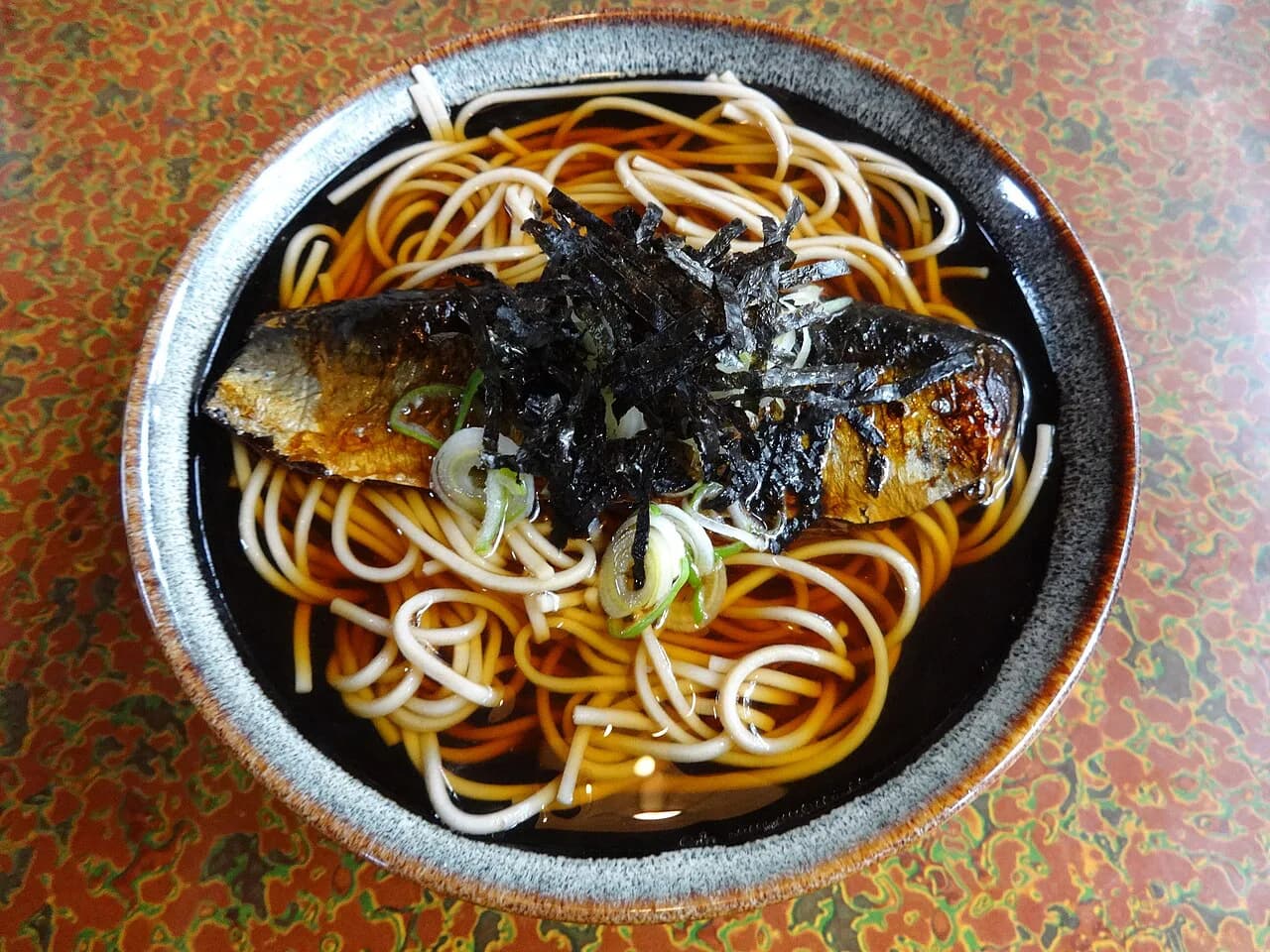
- Order grilled herring or nishin-soba, where a marinated herring fillet tops a bowl of buckwheat noodles.
- The full list of where to find both dishes is in the Otaru herring dishes guide.
- Jingisukan at Jingisukan Otaru Bettei
- This spot serves grilled Hokkaido lamb in a smaller, quieter room than Sapporo's large beer-hall versions.
- Tabelog lists dinner budgets around ¥6,000 to ¥8,000 per person for the grilled-lamb set.
- Choose it over a Sapporo beer hall when the goal is the same lamb-BBQ tradition without a crowd.
- LeTAO Honten's Double Fromage Cheesecake
- LeTAO Honten anchors Sakaimachi Street with its Double Fromage, a two-layer baked-and-chilled cheesecake.
- The upstairs cafe seating draws a longer wait than the ground-floor take-out counter.
- See the Otaru cheesecake cafe guide for how it compares to the street's other bakeries.
- Rokkatei's Yukikon Cheese
- Yukikon Cheese is a Rokkatei dessert sold only at the Otaru Canal store, pairing a rich cheese center with a lighter ice cream shell.
- It costs about ¥280, one of the cheapest stops on a Sakaimachi Street dessert crawl.
- Eat it early in the walk since it travels well and needs no seat.
- Konnichi Wagyu Menchi Katsu
- Konnichi Wagyu's menchi katsu, a breaded and fried wagyu-beef patty, is built for eating while walking.
- It works as a savory break partway through a dessert-heavy Sakaimachi Street crawl.
- Put it early in the walking order so a savory bite does not follow three sweets in a row.
- Hokkaido Milk Soft Serve at Yamanaka Dairy Farm
- Yamanaka Dairy Farm serves Hokkaido milk soft serve rich enough that the shop adds no extra flavoring.
- It holds up even in winter, when a cold cone by the snow-covered canal is part of the appeal.
- The rest of the town's dairy stops are in the Otaru soft serve guide.
- Canal-Side Craft Beer and Wine
- Otaru Beer's Soko No.1 taproom pours house-brewed beer inside a converted stone warehouse on the canal. The wider set of canal dining rooms is covered in the canal restaurants and craft beer guide.
- Otaru Vine occupies a former bank building roughly 10 minutes from Otaru Station and three minutes from the canal, according to Tabelog. Tabelog also lists a typical spend there around ¥1,000 to ¥3,000.
- Either canal-area stop works well after a day of market food and dessert walking, and pairs naturally with a stop at Otaru's sake breweries if sake is also on the itinerary.
Sakaimachi Street: Planning the Sweets Crawl
Sakaimachi Street packs close to a dozen dessert and snack shops into a few blocks between the Otaru Canal and the older banking district, and a clear route keeps sugar overload in check. Start with Konnichi Wagyu's menchi katsu while it is still savory ground, before the sweet shops take over the walk. Move to Rokkatei's Yukikon Cheese next, since the small ¥280 portion travels well between stops and needs no seat. Save Yamanaka Dairy Farm's soft serve for the middle of the walk rather than the start, so the cone does not melt before the rest of the street is covered. End at LeTAO Honten, and decide upfront whether the wait is worth a cafe seat or whether the ground-floor take-out counter fits the schedule better. The full shop-by-shop walk, including bakeries not covered here, is in the Sakaimachi Street guide.
Nishin and Otaru's Herring Fishing History
Herring built much of old Otaru's wealth before the fishery declined in the 20th century, and that history still shapes what shows up on menus downtown. Wealthy herring merchants built elaborate homes along the coast, and several survive as the preserved Herring Mansions at Nishin Goten. On the plate, that history translates into grilled herring served whole and nishin-soba, where a marinated herring fillet sits on top of a bowl of buckwheat noodles. Both dishes show up on menus across the city rather than at one single destination restaurant, so treat herring as something to look for on multiple menus rather than a single reservation to make. The complete breakdown of where to order each version is in the Otaru herring dishes guide.
Ironai Banking District: Where Old Banks Became Bars and Cafes
Otaru's banking district, known as Ironai, sits between the canal and Sakaimachi Street and holds a cluster of early-1900s bank buildings converted into restaurants, cafes, and bars. Otaru Vine is the clearest example: the wine bar and shop occupies a former bank building, positioned by Tabelog roughly 10 minutes from Otaru Station and about three minutes from the canal. Stone warehouses nearby follow the same pattern, repurposed into dining rooms that keep their original vaults and high ceilings. Walking Ironai after a market lunch or a sushi meal works as a natural bridge toward the canal-side beer and wine stops covered above. None of these venues need the advance planning that Sushiya-dori's top sushi rooms do, which makes the district a reliable backup when other reservations do not work out.
Winter Dining: Reservations and Closures
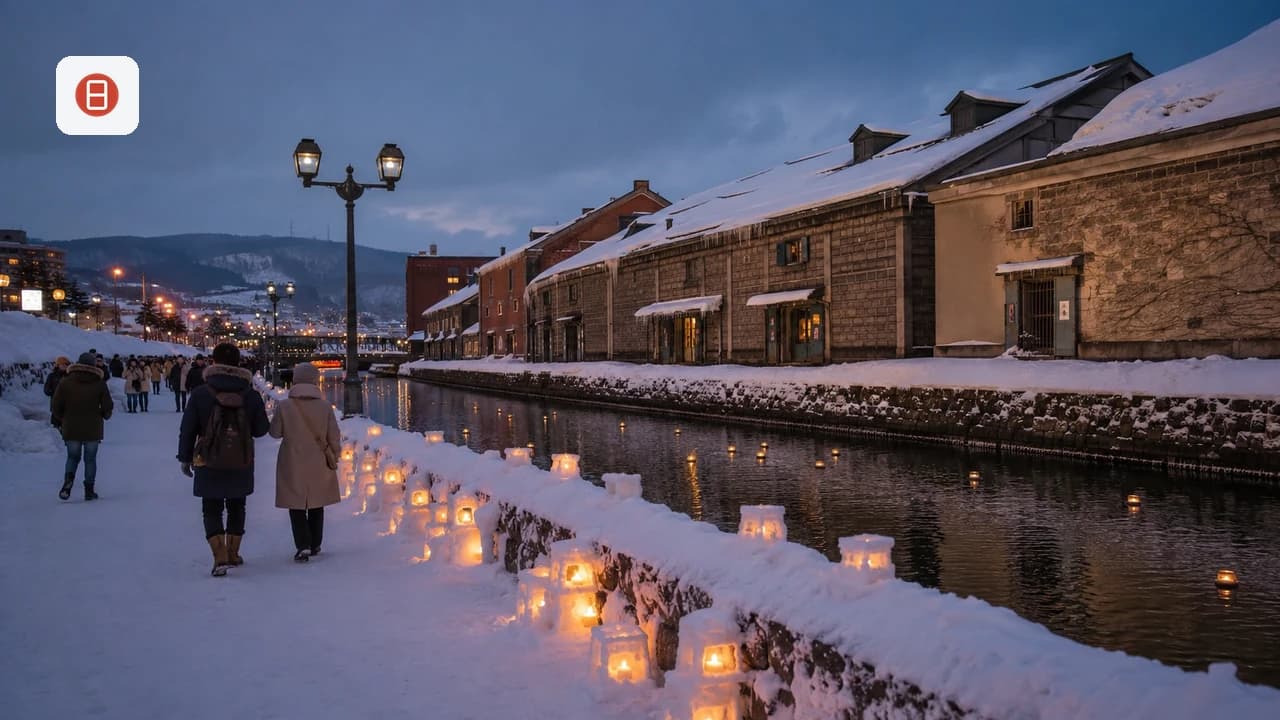
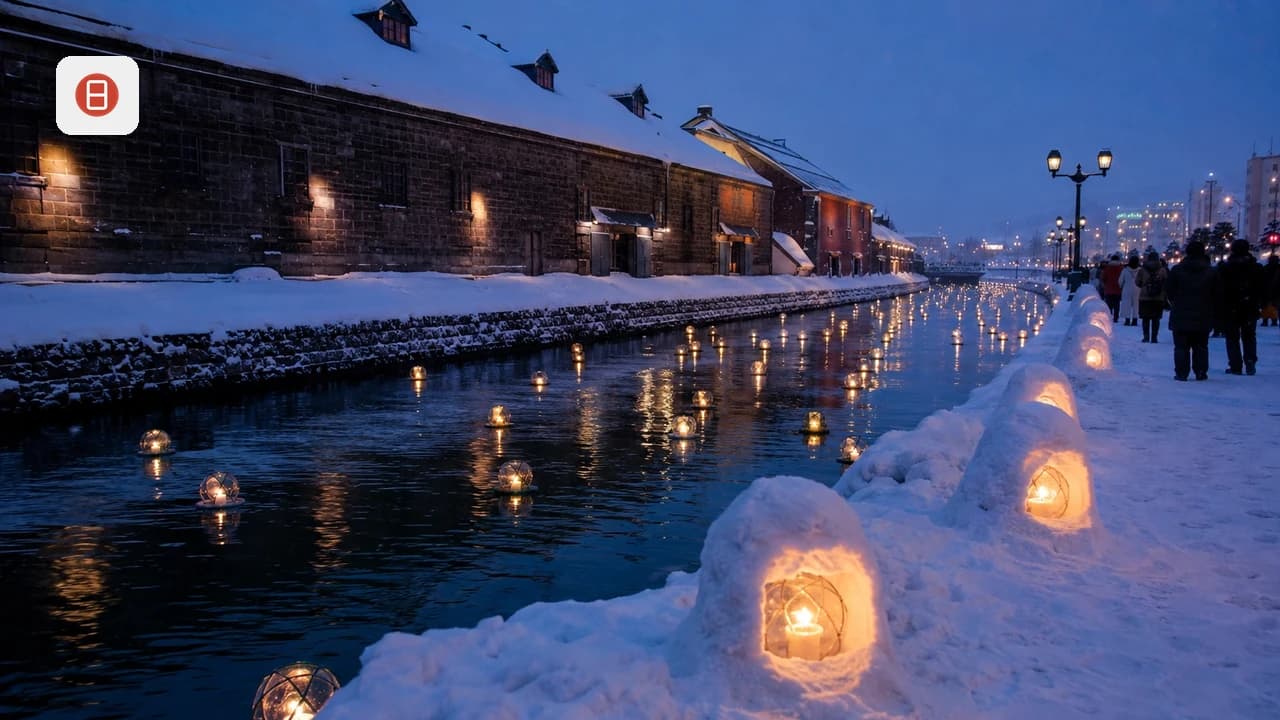
Winter changes the calculus for eating in Otaru. Proximity to nearby ski resorts and the Otaru Snow Light Path Festival pushes demand at the city's best-known sushi counters, and some restaurants book out weeks in advance during that stretch. Reserve Sushiya-dori's marquee rooms as early as possible for a ski-season trip; a two-week lead time was not enough to secure early-February dates in past seasons. Market stalls at Sankaku Market keep operating through winter, but confirm hours before heading over, since cold-weather schedules can shift. Building in flexibility matters more in winter than in other seasons, since a fully booked first choice can still leave casual sushi and market options open nearby. For a broader read on when to time an Otaru trip around these swings, see the best time to visit Otaru guide.
Sankaku Market still opens at 7:00 AM through winter, but ski-season demand forces sushi reservations weeks in advance; the market's limited hours make it a natural fallback when preferred reservations prove unavailable.
Essential Dining Logistics and Mistakes to Avoid
A handful of practical details separate a smooth Otaru food day from a frustrating one. Markets sell out or close earlier than dinner-hour instincts expect, and the city's best-known sushi rooms fill their reservation books days or weeks out. Most visitors arrive as a day trip rather than staying overnight, which adds a return-transport deadline on top of the food plan. The table below covers the recurring trip-ups, and the planning links after it cover transport and lodging if an overnight stay makes more sense.
| Situation | What to Know |
|---|---|
| Market closing times | Sankaku Market stalls run roughly 7:00 AM to mid-afternoon; plan seafood bowls before 4:00 PM rather than as a dinner option. |
| Reservations | Otaru Masazushi and similarly well-known sushi rooms take reservations and fill up; smaller counters like Kari Kari are walk-in only. |
| Payment | Sakaimachi Street shops mostly take cards; some market stalls, especially at Sankaku and Chuo, stay cash-only. |
| Getting here and back | Many visitors build the day around a day trip from Sapporo or a day trip from Niseko; check Where to Stay in Otaru: Best Hotels & Areas (2026) if an evening reservation makes an overnight stay simpler. |
For trip-planning details, see Otaru and Otaru Travel Guide.
Explore food in other cities
Frequently Asked Questions
Is Otaru seafood better than Sapporo's?
Otaru's seafood counters sit steps from the boats that supply them, which is the main freshness argument locals and food writers make over Sapporo's more centralized markets. Both cities draw from Hokkaido's coastal waters, so the real difference is proximity and stall turnover rather than any measurable quality gap.
What is the most famous food in Otaru?
Sushi and cheesecake are the two foods most associated with Otaru. Sushiya-dori built the city's reputation for fresh-caught nigiri, while LeTAO's Double Fromage on Sakaimachi Street is the dessert most visitors are pointed toward.
Do I need a reservation for sushi in Otaru?
Reservations matter most at Otaru's best-known rooms, including Otaru Masazushi Main, especially during ski season. Smaller sushi counters along side streets often take walk-ins, though arriving right at opening improves the odds of a seat.
Is Sankaku Market worth the wait?
Sankaku Market is worth the trip, but timing determines whether it is worth the wait. Arriving before 9:00 AM usually means a short line and full stall selection, while arriving at midday can mean an hour or more for the best-known kaisendon counters.
Can I pay by card at Otaru's food markets?
Sakaimachi Street's cafes and bakeries mostly accept cards, but budget cash for market stalls at Sankaku Market and Chuo Market, since some vendors remain cash-only.
How much should I budget for a day of eating in Otaru?
Budget by hub rather than by meal. Sankaku Market seafood bowls run about ¥2,000 to ¥5,000, typical Sushiya-dori dinners run roughly ¥5,000 to ¥6,000 and well beyond that for a full omakase course, and Sakaimachi Street snacks and desserts mostly land between ¥280 and ¥800 per stop.
Explore More of Otaru's Food and Culture
Round out your Otaru food trip with these neighborhood eats, historic sights, and practical planning guides.
Seafood & Markets
- Otaru attractions hub: tickets, hours & maps
- Otaru Seafood Market Kaisendon Guide
- 10 Best Sushi Restaurants in Otaru (2026)
Sweets & Sake
Canal & Evening Dining
Heritage Bites
Sweet Treats & Walks
Plan Your Trip
Free guide: Japan's Hidden Gems
12 under-the-radar places beyond Tokyo & Kyoto — with the best season to visit each and a local tip you won't find in the guidebooks.
You might also like

Continue reading
More guides you'll find useful