What to Eat in Hirosaki: 10 Best Local Foods to Try (2026 Guide)
What to eat in Hirosaki: 10 local dishes from apple pie to igamenchi and kaiyaki miso, plus neighborhoods, seasonal picks, and 2026 pricing.
On this page
Last updated July 2026, this guide covers what to eat in Hirosaki across the city's four food identities. Those are Tsugaru-region home cooking, noodle culture, the Kaji-machi and Dotemachi izakaya scene, and a 150-year run of French cuisine and coffee. The immediate must-eats are apple pie, igamenchi, and kaiyaki miso, with ten dishes and experiences covered in the list below.
Hirosaki's Four Food Identities
Hirosaki's food scene splits into four overlapping identities. Tsugaru-region home cooking centers on squid, scallop, and root-vegetable dishes passed down through families. A distinct noodle culture built around soy-based Tsugaru soba adds a second layer. Izakaya around Kaji-machi and Dotemachi supply the evening social scene, often paired with live Tsugaru shamisen music. Meiji-era foreign educators added a fourth layer: French restaurants and coffee shops that still anchor Dotemachi today. For a deeper look at the home-cooking side, see the Tsugaru cuisine dish guide.
10 Best Foods to Eat in Hirosaki
These ten dishes and drinks capture Hirosaki's culinary range, from home-style comfort food to a French-trained pastry scene. Descriptions below draw on dish histories published by Hirosaki's official tourism site, the primary authority on regional dish origins.
- Apple Pie
- Hirosaki's Apple Pie Guide Map lists more than 40 bakeries and cafes, each with its own recipe.
- Compare crust style, flaky puff pastry versus a firmer tart shell, and filling, sweet versus tart apples, with or without cinnamon.
- Popular shops can sell out by early afternoon, so plan your apple pie stop for the morning.
- Igamenchi (Fried Minced Squid)
- Igamenchi mixes chopped squid tentacles with seasonal vegetables, then fries or bakes the mixture into a thick patty.
- The dish began as a no-waste home recipe, turning squid trimmings into a full meal.
- Try it at a Tsugaru home-style izakaya such as Kikufuji or Kenta Shunsaikan.
- Kaiyaki Miso
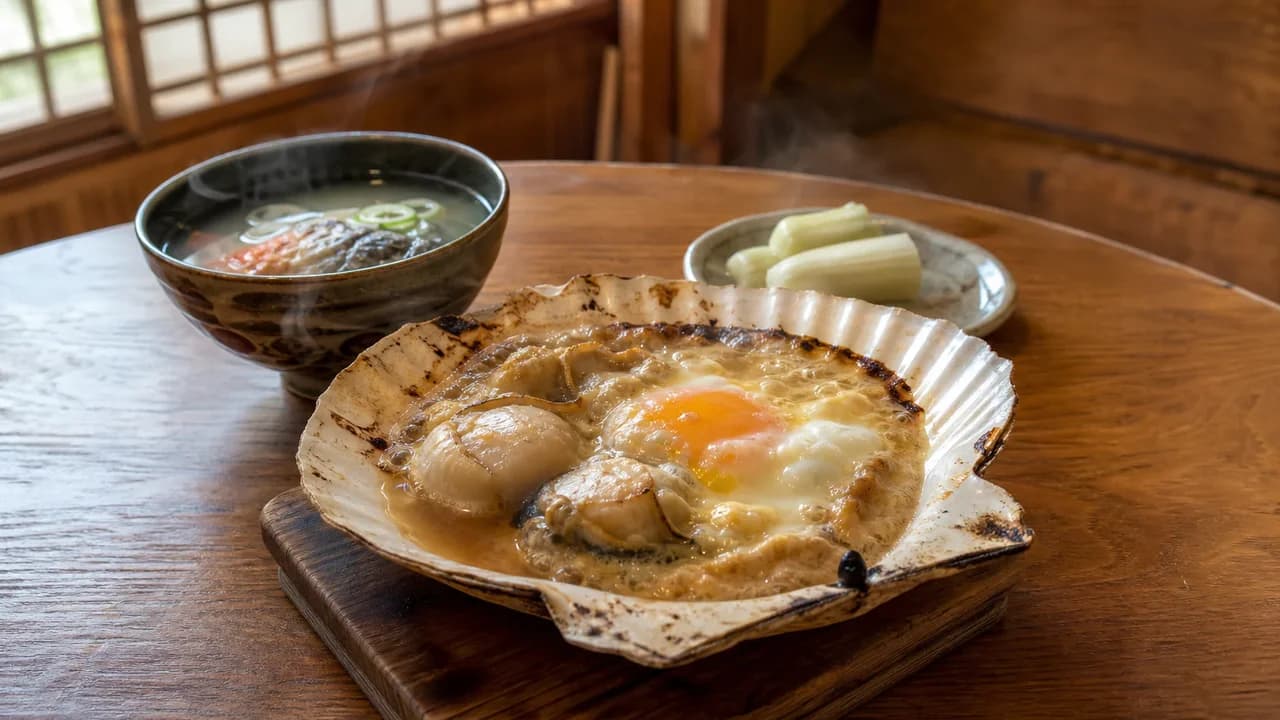
- Kaiyaki Miso simmers scallop, egg, and onion directly in a large scallop shell set over a grill.
- Cooks reuse the same shell meal after meal, saying the buildup deepens the broth's flavor.
- It began as a restorative dish for the sick, back when eggs were too costly for daily cooking.
- Kenoshiru
- Kenoshiru is a thick miso soup packed with diced daikon, carrot, burdock, and deep-fried tofu.
- Tradition has locals eating it from January 15, Little New Year, as a wish for good health.
- The soup improves with reheating, so many households cook a large batch and eat it over several days.
- Tsugaru Soba
- Tsugaru soba swaps standard buckwheat for a soy-flour process: soybeans soak overnight, then get ground into the dough.
- That process leaves the noodles shorter and noticeably softer than mainland soba, with a mild, sweet flavor.
- The soft texture is intentional, not a cooking mistake, and the noodles are usually served cold in a fish-and-soy broth.
- Jappa-jiru
- Jappa-jiru is a winter miso soup built from cod head, bones, and guts, simmered with daikon, napa cabbage, konjac, and tofu.
- It draws out the full flavor of Aomori's winter cod catch.
- Look for it on winter menus at izakaya and home-style restaurants around the city.
- Dake-kimi Corn
- Dake-kimi is a sweet corn grown on the slopes of Mount Iwaki, where big day-to-night temperature swings boost its sugar content.
- Roadside stands sell it grilled or boiled from late August through mid-October only.
- Plan a late-summer or early-autumn visit if this specific corn is the goal.
- Aomori Wagyu and Hotate
- Hirosaki sits within easy reach of the Sea of Japan and Mutsu Bay, so scallops (hotate) and other seafood arrive fresh.
- Look for Aomori Wagyu on izakaya and yakiniku menus for a marbled beef course.
- Hotate shows up grilled, in kaiyaki miso, or paired with apple at a few Hirosaki kitchens.
- French Cuisine
- Meiji-era foreign educators left Hirosaki with a cluster of Western-style buildings and a lasting French dining scene.
- Restaurant Yamazaki and Port Blanc, both near Chuo Hirosaki Station, serve French menus built around local produce.
- Many French restaurants take lunch reservations only, so call ahead rather than walking in.
- Coffee and Kissaten Culture
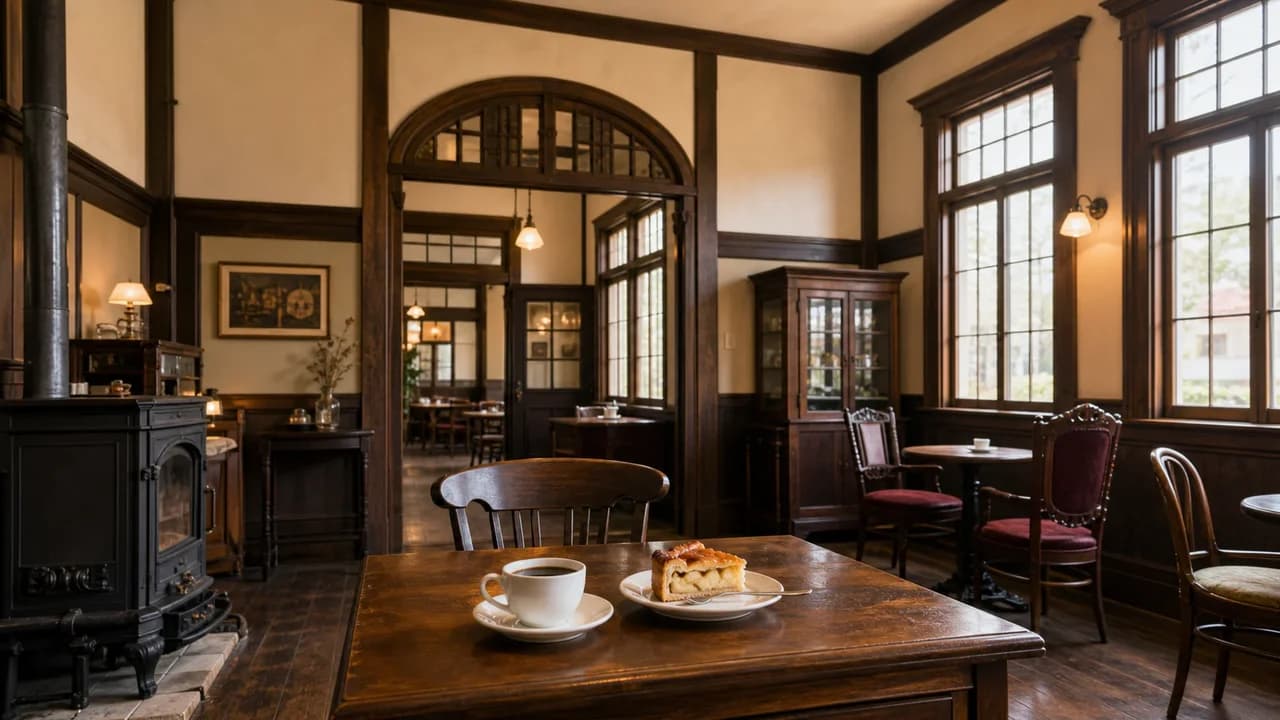
- Hirosaki has more than 150 years of coffee history, dating to when coffee was rationed to soldiers as an edema remedy.
- Manchan, opened in 1929, is often cited as the oldest coffee shop in the Tohoku region.
- Seek out a kissaten, a traditional coffee shop, for a slower-paced break between sightseeing stops.
Apple Pie Town: Choosing From 40+ Shops
Apple growing in Hirosaki traces to 1875, when an American teacher named John Ing shared apples with local students, whose planted seeds grew into the region's first orchards. That history is why Hirosaki now produces more fresh apples than anywhere else in Japan. The Apple Pie Guide Map, available at the Tourist Information Center, is the fastest way to choose among more than 40 shops. Compare two variables: crust, flaky puff pastry versus a firmer tart shell, and filling, sweet dessert apples versus tarter varieties, with or without cinnamon. Popular shops can sell out by early afternoon, especially during cherry blossom season, so build the tasting into your morning plans. Pair it with cider or baked goods from the Hirosaki apple pie and cider guide for a fuller orchard-to-table picture.
Neighborhoods for Eating: Station, Dotemachi, and Naka-machi
Hirosaki's dining splits into three walkable clusters, each with a different rhythm. Tabelog alone lists more than 1,250 restaurants in the Hirosaki area, so narrowing by neighborhood saves time. Naka-machi sits roughly a 20-minute walk from Hirosaki Station, so factor that into any single-day plan. Choosing a base near Dotemachi or the station cuts down on evening walking. See the where to stay in Hirosaki guide for neighborhood-specific picks.
- Hirosaki Station Area
- Convenient for quick bites and casual izakaya, including Uotami and Sakanaya Dojo, both a short walk from the station.
- Best for a fast dinner before or after a train connection.
- Dotemachi and Chuo Hirosaki
- The center of Hirosaki's cafe, wagashi, and French restaurant scene.
- Restaurant Yamazaki and Port Blanc, both French, sit near Chuo Hirosaki Station.
- See the Hirosaki yakitori and izakaya guide for skewer-focused options in the same district.
- Naka-machi, Near the Castle
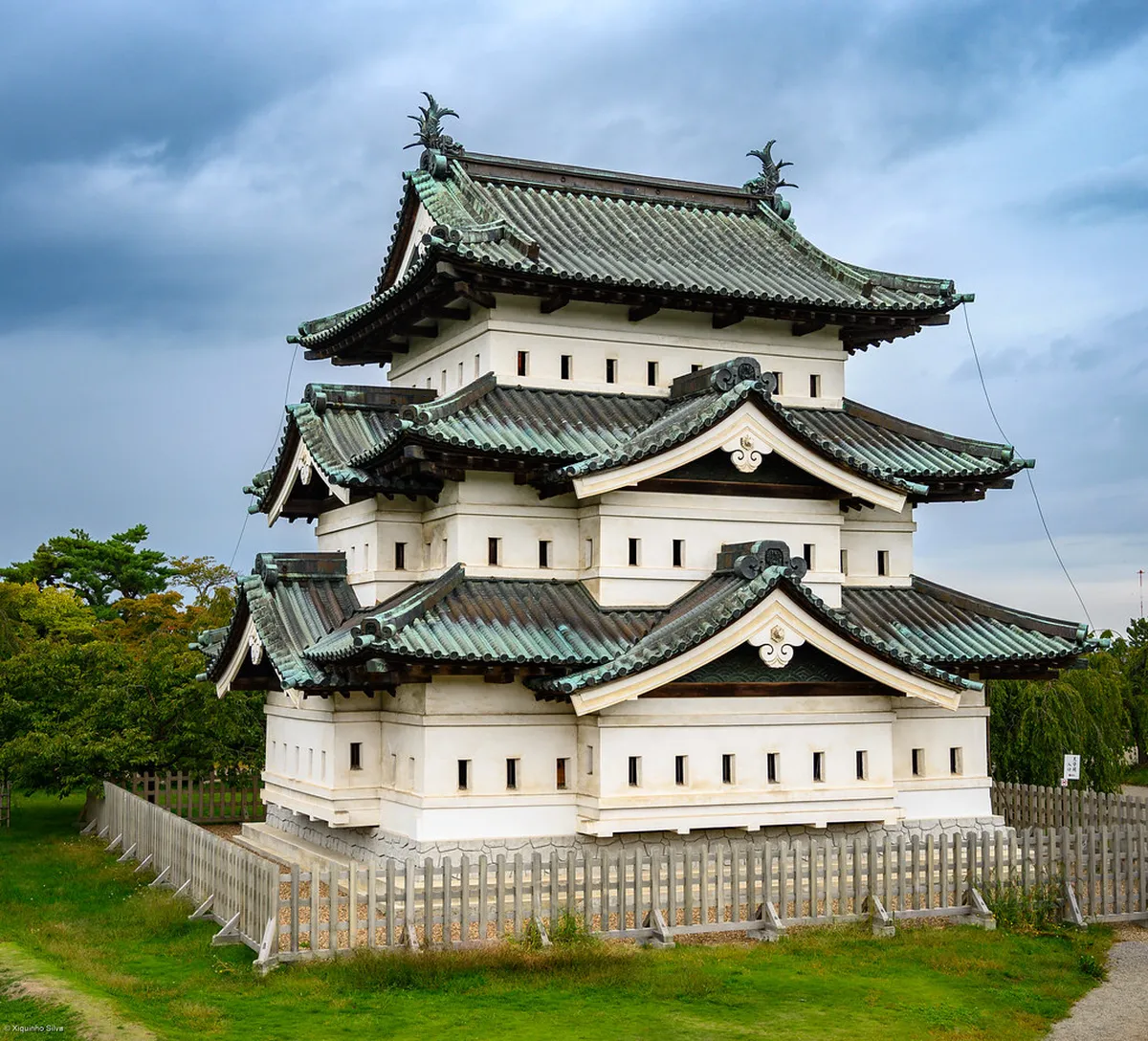
- Traditional architecture and higher-end Japanese dining cluster around Hirosaki Castle.
- Check the Hirosaki attractions guide and Hirosaki Castle guide before building a route that combines sightseeing with a meal.
Seasonal Eating Calendar
Hirosaki's menu shifts with the seasons, so timing matters as much as the dish list itself. Spring visitors should pair sakura-season eating with the Hirosaki cherry blossom festival guide. Anyone chasing dake-kimi corn or apple season should check the best time to visit Hirosaki guide before booking. Some confectioners also sell Neputa-themed treats tied to the city's summer lantern festival. Read the Hirosaki Neputa guide for background on the motifs.
| Season | What's in Season | Notes |
|---|---|---|
| Spring | Sakura-themed wagashi, festival food stalls | Tied to cherry blossom season around the castle |
| Summer to early autumn | Dake-kimi corn, apple picking | Corn sold at roadside stands late August to mid-October only |
| Winter | Jappa-jiru cod soup, hearty izakaya fare | A cold-season soul-warmer, best paired with local sake |
Sake, Cocktails, Coffee, and French Cuisine: Hirosaki's Other Culinary Legacy
Hirosaki runs two culinary traditions side by side. Tsugaru home cooking and noodle culture come from local families and farms. A parallel Western tradition, French restaurants and coffee shops, dates to Meiji-era foreign educators. Six sake breweries in the area draw on water from the Shirakami-Sanchi mountains, a source locals credit for the region's sake quality. See the Hirosaki Sake Brewery Tour Guide: Best Kura, Tastings & Costs (2026) for tour and tasting details. Coffee history in Hirosaki runs more than 150 years, starting when coffee was rationed to soldiers posted north as an edema remedy. Manchan, opened in 1929, is often cited as the oldest coffee shop in the Tohoku region. Hirosaki has also run a themed cocktail competition since 2008, with seasonal winning drinks served at bars around the city. For pastry and Western-style sweets built on that legacy, check the Hirosaki cafes and Western sweets guide. Many of the Meiji-era buildings behind this culinary shift still stand. The Hirosaki Western architecture guide covers them in more depth.
| Tradition | Signature Items | Where to Find It |
|---|---|---|
| Tsugaru home cooking | Igamenchi, kaiyaki miso, kenoshiru | Naka-machi and neighborhood izakaya |
| Noodle culture | Tsugaru soba (soy-flour, soft texture) | Soba specialty shops citywide |
| French and Western legacy | French bistro menus, Western-style pastries | Dotemachi and Chuo Hirosaki restaurants |
| Coffee culture | Kissaten-style coffee, Showa-era cafes | Manchan and other historic Dotemachi cafes |
A Simple One-Day Hirosaki Food Itinerary
A single day is enough to sample most of Hirosaki's food identities if you sequence it well.
Kissaten coffee shops close by 5:00 PM, making the itinerary's morning coffee stop strategically necessary—a late-afternoon café break between sightseeing and dinner wouldn't work within posted hours.
- Morning: Apple Pie and Coffee
- Start at a shop from the Apple Pie Guide Map before the popular ones sell out.
- Follow it with a kissaten-style coffee near Dotemachi.
- Midday: Soba or Home-Style Lunch
- Order Tsugaru soba, or try igamenchi if a home-style restaurant is open for lunch.
- Budget roughly ¥1,000 to ¥2,000 for this stop.
- Evening: Izakaya Near the Station or Naka-machi
- Close the day with kaiyaki miso, hotate, or Aomori Wagyu at an izakaya.
- Some venues add live Tsugaru shamisen music to the meal.
Budgeting Your Hirosaki Food Trip
Food costs in Hirosaki are predictable once you know where to look. Many cafes close by 5:00 PM, and French restaurants often take lunch reservations only, so call ahead rather than walking in unannounced. Travelers based in Aomori City can still eat well in Hirosaki on a day trip. The Hirosaki from Aomori day-trip guide covers train timing worth checking before you build a meal plan around it.
| Meal | Typical Cost | Example |
|---|---|---|
| Casual lunch (soba, cafe) | ¥1,000–¥2,000 | Soba shops, Dotemachi cafes |
| Izakaya dinner with drinks | ¥3,500–¥5,000 | Station-area izakaya |
| All-you-can-drink course (2 hours) | from ¥3,500 | Tsugaru no Sake Dokoro Watami, near Hirosaki Station |
Bringing Hirosaki Flavors Home
Hirosaki's food scene travels well beyond the trip itself. Apple products dominate, from cider to preserves, alongside bottled sake from the area's breweries. Hirosaki Marche FORET and similar markets sell local produce and prepared foods in one stop, useful if a full sit-down meal doesn't fit the schedule.
- Apple Products
- Cider, jam, and dried apple slices travel better than a whole pie.
- Many apple pie shops on the Guide Map also sell smaller packaged goods.
- Local Sake
- Bottles from the six area breweries make a compact, shelf-stable souvenir.
- Ask at a brewery tasting room about bottle sizes suited to carry-on luggage.
- Market Finds
- Hirosaki Marche FORET and similar markets group local produce and prepared foods in one stop.
- Useful when a sit-down meal doesn't fit the day's schedule.
Mistakes to Avoid When Eating in Hirosaki
A few small missteps can shape how the trip's food ends up feeling.
- Expecting Al Dente Soba
- Tsugaru soba is meant to be soft, not chewy, a result of its soy-flour process.
- Treat the texture as a regional feature rather than an off dish.
- For more on that process, see the Best Soba in Hirosaki: 8 Tsugaru Noodle Shops for 2026.
- Arriving Late for Apple Pie
- Popular apple pie shops can sell out by early afternoon.
- Build your apple pie stop into the morning instead of the end of the day.
- Assuming Every Menu Is in English
- Not every Hirosaki restaurant publishes an English menu.
- Look up a restaurant on Tabelog beforehand for photos and details before you go.
- Skipping the Day-Trip Math
- Hirosaki rewards a full day, not a rushed stop between trains.
- Combine a food itinerary with castle grounds and Dotemachi shopping so the travel time pays off.
For trip-planning details, see Hirosaki, Aomori - Wikipedia.
Explore food in other cities
Frequently Asked Questions
What is the number one food to try in Hirosaki?
Most first-time visitors start with apple pie, since Hirosaki produces more apples than anywhere else in Japan. Igamenchi and kaiyaki miso are the next two dishes locals point to as essential.
Is Tsugaru soba the same as regular soba?
No. Tsugaru soba uses soy flour instead of pure buckwheat, and the dough rests for about half a day before cutting. The result is a shorter, softer noodle with a mild, sweet flavor, not a sign of poor cooking.
When is dake-kimi corn available in Hirosaki?
Dake-kimi corn is sold at roadside stands from late August through mid-October only. Outside that window, look for apple picking and other autumn produce instead.
How much should I budget for meals in Hirosaki?
Plan on roughly ¥1,000 to ¥2,000 for a casual lunch and ¥3,500 to ¥5,000 for an izakaya dinner with drinks. Some izakaya, including Tsugaru no Sake Dokoro Watami near Hirosaki Station, list all-you-can-drink courses starting around ¥3,500 for two hours.
Do Hirosaki restaurants have English menus?
Not universally. Check a restaurant's Tabelog listing for photos before you go, since many Hirosaki restaurants post menu photos there even without English text.
How many days should I plan for Hirosaki food alone?
One focused day covers apple pie, a soba or home-style lunch, and an izakaya dinner. Add a second day if sake brewery visits or a French dinner reservation are on the list.
What souvenirs from Hirosaki travel well?
Bottled sake and packaged apple products, like cider or dried apple slices, hold up well in luggage. Both are sold at markets such as Hirosaki Marche FORET and at shops along the Apple Pie Guide Map route.
Is Hirosaki good for a day trip focused only on food?
Yes, a single day covers apple pie, a soba or home-style lunch, and an izakaya dinner around Hirosaki Station or Naka-machi.
Explore Hirosaki Food & More
Work through Hirosaki's eating scene by mood, from noodle counters and yakitori alleys to sake tastings and retro cafés, then round out the trip with the city's landmark sights and practical planning guides.
Noodles, Yakitori & Izakaya Nights
- Hirosaki attractions hub: tickets, hours & maps
- Best Soba in Hirosaki
- Kajimachi's Best Izakaya, Skewers, and Senbero Guide
- Hirosaki Neputa Festival
Tsugaru Home-Style Specialties
- Traditional Tsugaru Food in Hirosaki
- Hirosaki Apple Pie and Cider
- Hirosaki From Aomori: Complete Travel & Transport Guide
Sake, Coffee & Retro Cafés
- Hirosaki Sake Brewery Tour Guide
- 8 Best Cafes in Hirosaki (2026)
- 8 Must-See Hirosaki Western Meiji Architecture Sites
Plan Your Hirosaki Visit
Free guide: Japan's Hidden Gems
12 under-the-radar places beyond Tokyo & Kyoto — with the best season to visit each and a local tip you won't find in the guidebooks.
You might also like


Continue reading
More guides you'll find useful