Best Time To Visit Hirosaki: Seasonal Guide & Festival Calendar
Plan your trip to Hirosaki with our seasonal guide. Discover the best dates for cherry blossoms, autumn foliage, and the Snow Lantern Festival.
On this page
Last updated June 2026. The best time to visit Hirosaki is late April to early May for cherry blossoms. This window offers the world-famous pink petal rafts on the castle moats. Travelers seeking quieter moments should consider the shoulder months of October or early November.
Hirosaki sits in northern Aomori Prefecture and experiences distinct four-season weather. Winter brings heavy snowfall from the Sea of Japan, creating a frozen wonderland. Summer remains warm but lacks the extreme heat found in central Japan. Each season transforms the historic castle grounds into a different visual masterpiece.
Timing your visit correctly ensures you catch the legendary festivals that define the city. The local culture revolves around the castle and the surrounding apple orchards. Understanding these cycles helps you avoid the largest crowds while maximizing the scenery. This guide breaks down the weather and events to help you plan perfectly.
Useful resources: Japan Guide's Hirosaki page and Wikipedia's Hirosaki overview have up-to-date access and background details.
Spring: Peak Cherry Blossoms and the Hanaikada Phenomenon
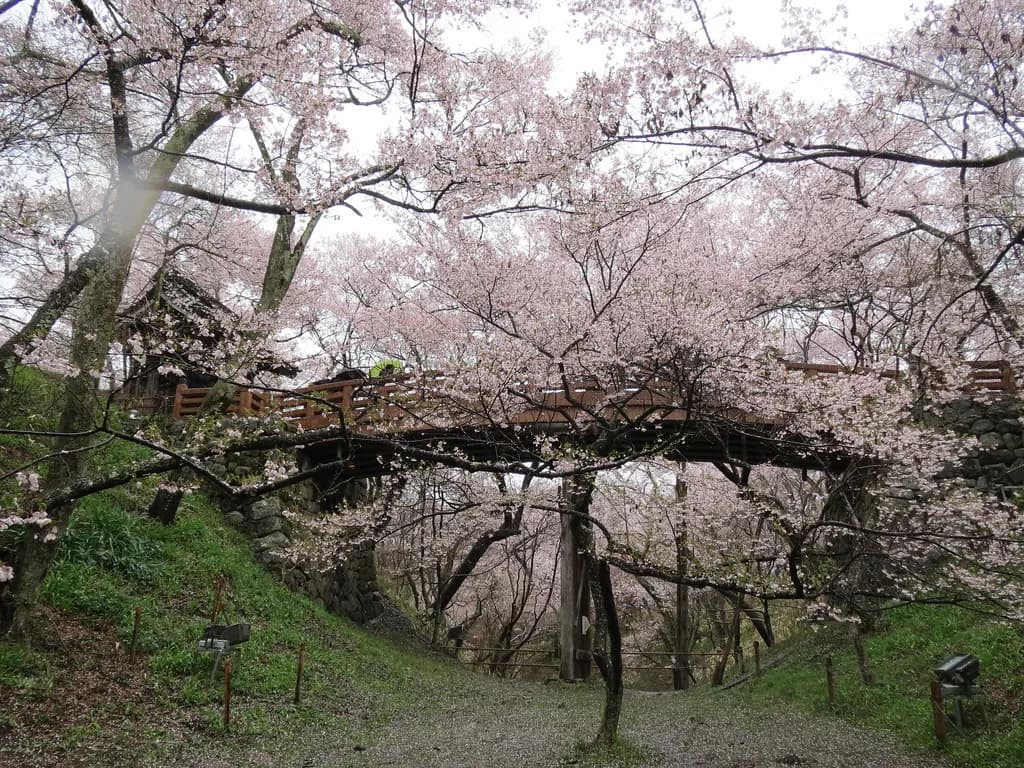
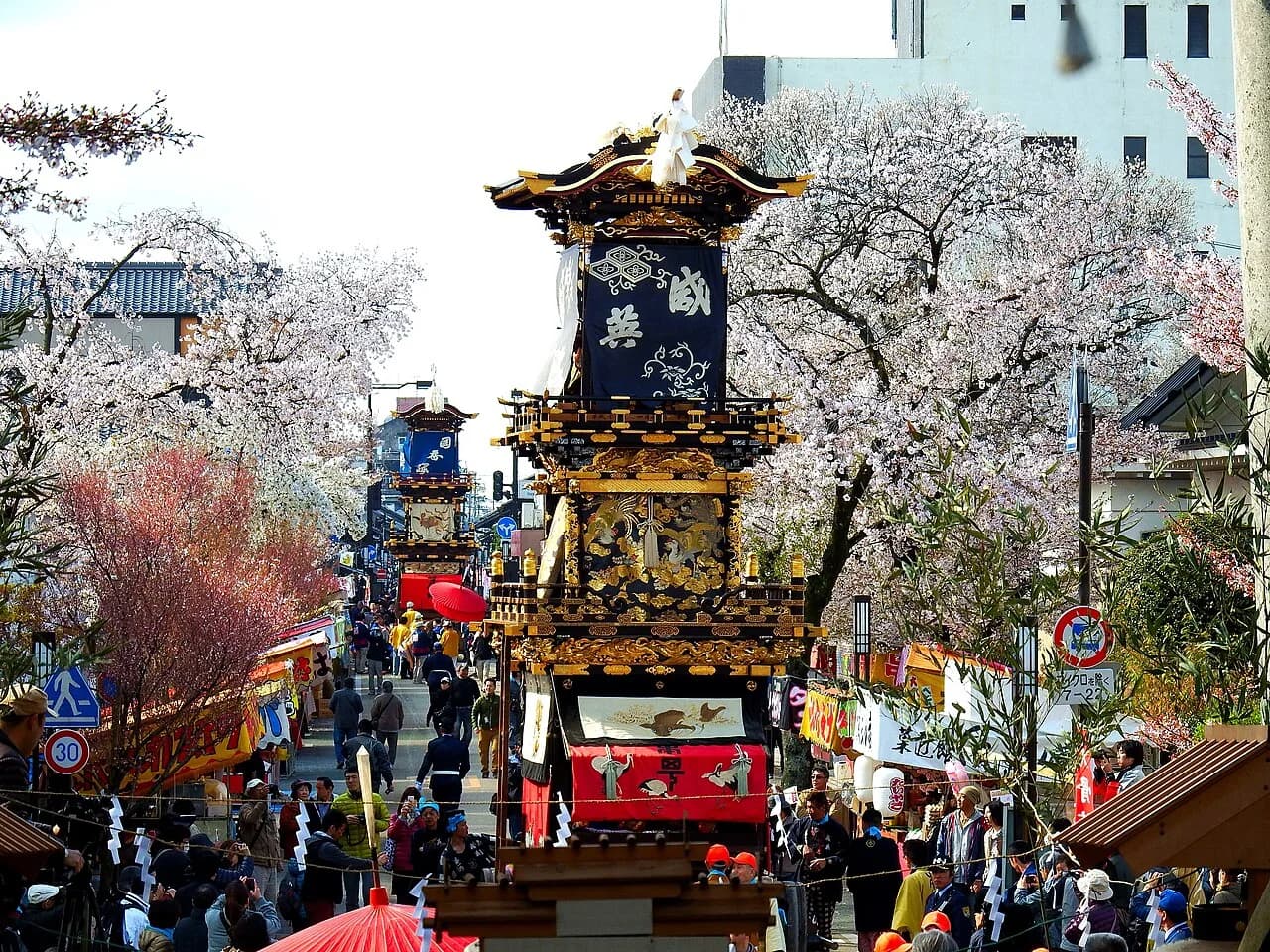
The most famous event in the city is the 8 Things to Know About the Hirosaki Cherry Blossom Festival. It typically runs from April 23 to May 5 each year. More than 2,600 trees bloom around the castle, creating a dense pink canopy. Check the Japan Meteorological Corporation (Sakura Forecast) for the most accurate bloom dates.
The park hosts two distinct spectacles that many visitors conflate into one. Full bloom — when 2,600 trees are simultaneously open — typically peaks in the last week of April. The second spectacle, Hanaikada (petal rafts), occurs 2 to 3 days after peak bloom when petals carpet the outer moats in solid pink. If you arrive at full bloom, plan to stay an extra two days to witness the moat transformation. Photographers consistently rank this post-peak window as the more photogenic of the two moments.
The park illuminations run from sunset until 22:00 each evening during the festival period. Early morning visits before 08:00 give photographers the castle reflected in still water before the crowds arrive. Late evening visits after 20:00 offer the lit-up blossom tunnels with far fewer people. Both strategies work; they require different train or accommodation planning.
At the center of the park stands the Hirosaki Castle and its park original keep. One of only 12 original surviving castle keeps in Japan, this three-story Edo-period structure was rebuilt in 1810 after lightning destroyed its predecessor. The park is also lit up in the evening from sunset till 22:00 during the festival.
The Temporarily Moved Castle Keep: A Once-in-a-Generation View
Something no previous generation of tourists ever saw is the current position of the Hirosaki Castle keep. Engineers moved the entire three-story structure 70 meters from its original location without dismantling it — a remarkable feat of preservation engineering. The move was necessary to allow repair workers to reconstruct the failing Honmaru stone walls beneath the original foundation. Restoration work is ongoing and scheduled to continue through the late 2020s, making 2026 one of the final years to see the keep in this unusual position.
The displaced location creates a camera angle that will be impossible once the keep returns. From the West Moat bank, visitors can now frame the keep with snow-capped Mt. Iwaki — the so-called "Mt. Fuji of Tsugaru" — directly behind it. This alignment was never achievable from the same vantage point before the move. Mt. Iwaki is most clearly visible in clear weather from January through April, before summer haze obscures the summit.
Admission to the inner Honmaru area costs 320 yen for adults. A combination ticket including the Hirosaki Castle Botanical Garden is 510 yen and represents better value for anyone spending more than an hour in the park. The keep interior houses exhibits on the Tsugaru clan's history and a small souvenir shop on the ground floor.
Summer: Lush Greenery and Neputa Festival Atmosphere
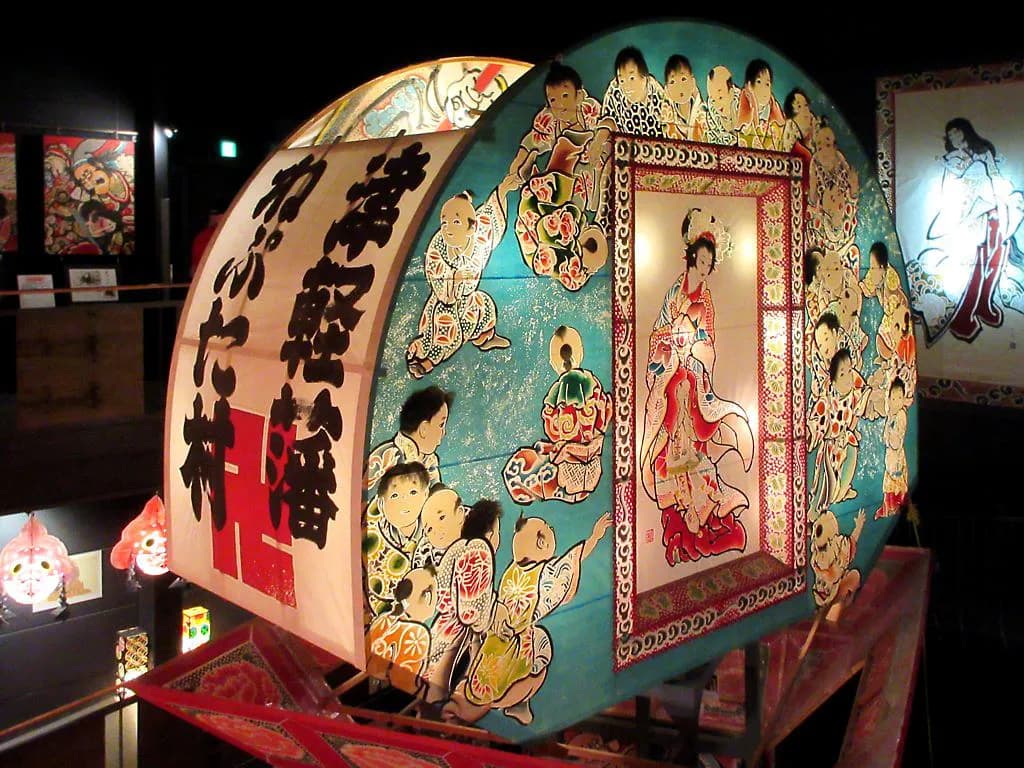
Summer in Hirosaki is characterized by deep greens and the energetic Hirosaki Neputa Festival: 8 Essential Things to Know festival. The festival takes place from August 1 to August 7 annually. Massive fan-shaped floats parade through the streets depicting heroic historical scenes. The atmosphere is electric with the sound of flutes and giant taiko drums.
Daytime temperatures average 25°C / 77°F, which is cooler than southern Japan. Humidity can be high, but the evening breeze provides a welcome relief. The castle park becomes a lush forest during these months, perfect for shady walks. Lotus flowers bloom in the castle moats during late July and August.
This is an excellent time to explore the city's western-style Meiji-era architecture, which is located within walking distance of the castle. The city is far less crowded than in spring, making for a relaxed pace. Local cafes are accessible without the long queues seen in April. Note that Nebuta (Aomori City) and Neputa (Hirosaki City) are different festivals — the floats differ in name and shape, and comparing the two is worth the effort if you have time in the region.
Autumn: The Chrysanthemum and Autumn Foliage Festival
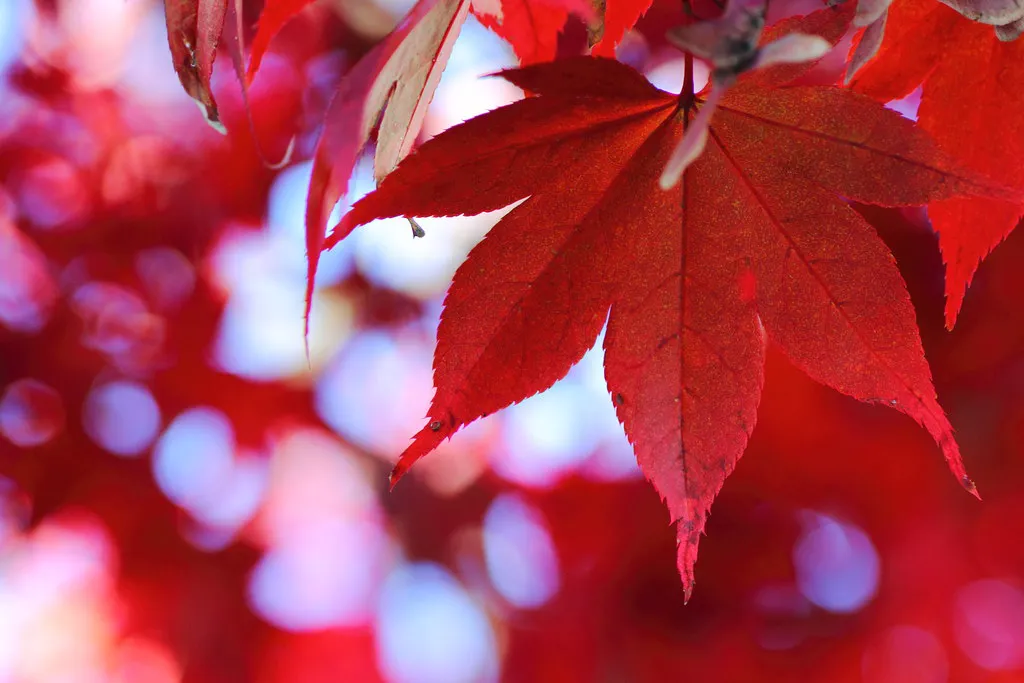
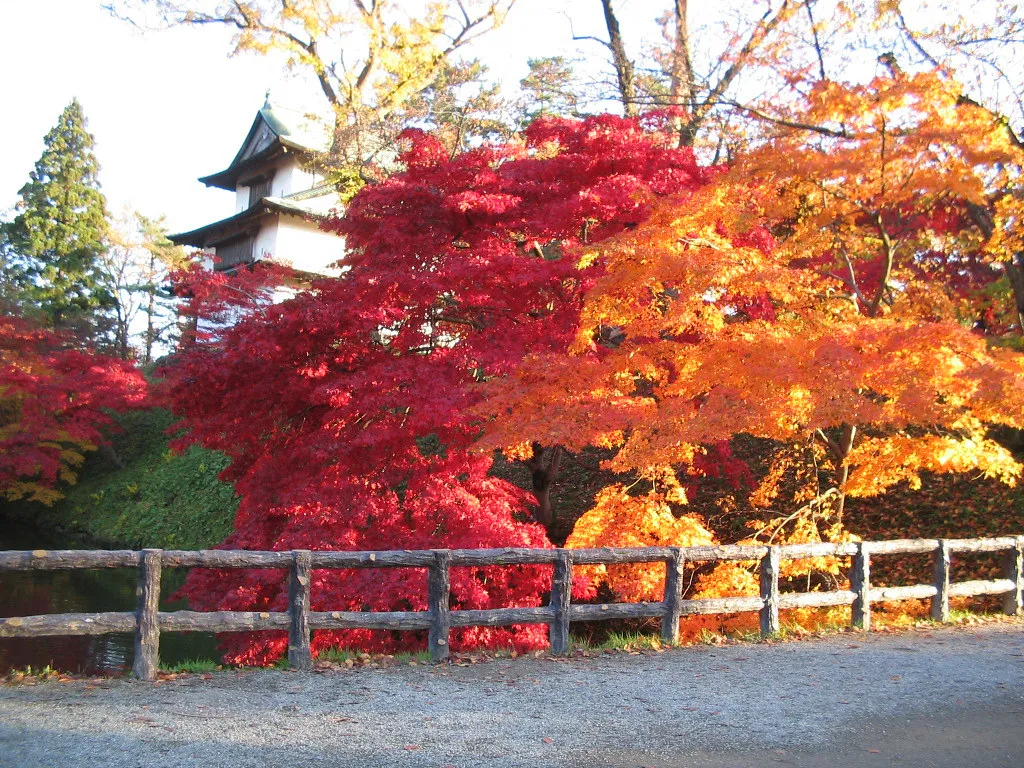
Autumn colors usually peak from late October to early November in the park. The Hirosaki Castle Chrysanthemum and Autumn Foliage Festival runs from late October to mid-November, showcasing intricate floral displays alongside vibrant red and gold maples. Night illuminations highlight the foliage against the stone walls — a scene that competes with spring for photography quality. Temperatures range from 9–16°C / 48–61°F, requiring a light jacket for comfort.
This season is also the peak harvest for the famous Aomori apples. Visitors can try a variety of apple treats at local bakeries — apple pie, apple cider, and even apple curry appear on menus throughout the city. The Hirosaki apple pie trail is particularly active in October and November as orchards east of the park open for public picking. The air is crisp and clear, offering the best views of Mt. Iwaki from the West Moat.
Crowd levels are much lower than the spring peak, and accommodation prices drop significantly. Walking through the park is peaceful during the autumn mornings, with many quiet spots near the castle's corner turrets. Fall is widely considered the best season for budget-conscious travelers who still want visual drama without the festival-season hotel markups.
Winter: The Magical Hirosaki Castle Snow Lantern Festival
Winter transforms the city into a heavy snow zone from December to March. The Hirosaki Castle Snow Lantern Festival is held in early to mid-February for five days. Hundreds of handmade snow lanterns and miniature igloos called kamakura are built by local residents and lit with candles throughout the park grounds. Snow sculptures featuring traditional motifs are placed throughout the grounds and illuminated from within at night.
Temperatures often hover around -2°C / 28°F during the daytime. Heavy snowfall is common, so visitors should prepare for deep snow on paths and bring non-slip footwear. The castle keep looks especially striking when capped with a thick layer of white. Trees throughout the park are wrapped in yukitsuri ropes — a traditional method of protecting branches from the weight of snow accumulation.
Nighttime illuminations during the festival create a truly ethereal atmosphere. Projection mapping shows are often featured on the castle walls during the event. The park's enclosed grounds block much of the wind, making the cold manageable with appropriate layers. Hot local snacks including Igamenchi (minced squid patties) are sold at festival stalls to keep visitors warm — a distinctly Aomori street food rarely found outside the prefecture. The keep interior is closed from November 24 to March 31, but the grounds and lantern displays remain fully accessible.
Hirosaki Castle Botanical Garden: Worth Visiting in Any Warm Season
The Hirosaki Castle Botanical Garden occupies the southern section of the park grounds and is worth building into any visit between April and October. It holds over 1,500 plant species spread across roughly 10 distinct themed areas. Spring visitors find peonies and irises blooming alongside the cherry trees, extending the color season beyond sakura alone. Summer sees the garden at its most lush, with layered green canopies offering shade for leisurely walks.
Entry to the botanical garden is included in the combination ticket (510 yen for adults) sold at the Honmaru area entrance. During peak festival periods, the garden offers a noticeably quieter alternative to the crowded moat paths. Photography here is easier — fewer people, wider sightlines, and seasonal flowers that change with each visit. The garden closes for winter, generally from late November through late March, so winter visitors should not count on access.
Hirosaki Weather by Month: What to Pack
Hirosaki's climate is continental with heavy winter snowfall due to Aomori Prefecture's proximity to the Sea of Japan. Summers are warm and occasionally humid. The transition months of April, October, and November offer the most comfortable conditions for extended outdoor exploration. The table below covers average temperature ranges and rainfall by season.
| Season | Months | Avg Temp (°C) | Avg Temp (°F) | Rainfall | Crowd Level |
|---|---|---|---|---|---|
| Spring | Late Apr–May | 10–18°C | 50–64°F | Moderate | Very High |
| Early Summer | Jun–Jul | 18–26°C | 64–79°F | Moderate–High | Low |
| Peak Summer | Aug | 22–28°C | 72–82°F | High | Moderate (festival) |
| Autumn | Oct–Nov | 9–16°C | 48–61°F | Low–Moderate | Moderate |
| Winter | Dec–Mar | -4–2°C | 25–36°F | Heavy Snow | Low (Feb festival spike) |
Spring and autumn visitors should bring light waterproof jackets and comfortable walking shoes — the castle grounds involve a lot of uneven stone surfaces. Summer packing should prioritize breathable fabrics and sun protection for the exposed park paths. Winter requires high-quality thermal layers, waterproof boots with grip, and hand warmers. A compact umbrella is useful in all seasons.
- Spring and Autumn: light jacket, layered clothing, waterproof shoes, small umbrella
- Summer: moisture-wicking fabrics, sunscreen, hat, portable fan
- Winter: heavy insulated coat, waterproof non-slip boots, thermal base layers, gloves and hat
- Year-round: portable power bank, IC card for transit, comfortable walking shoes
Travel Logistics: Getting to and Around Hirosaki Park
From Tokyo, take the Tohoku Shinkansen (Hayabusa service) to Shin-Aomori Station — the journey takes approximately three hours. Transfer to the JR Ou Line for the 35 to 40-minute ride to JR Hirosaki Station. Views of Mt. Iwaki are visible from the train window during this leg. The JR East Pass (Tohoku Area) covers both legs and costs around 30,000 yen, making it cheaper than a standard round-trip ticket from Tokyo if you plan to visit other Tohoku destinations.
From Hirosaki Station, you have two options to reach the park: bus or walking. The bus takes around 15 minutes under normal conditions, but during the cherry blossom festival in late April and early May, traffic congestion can make the journey 45 minutes or longer. Walking the 2-kilometre route from the station takes 20 minutes at a comfortable pace and is consistently faster than the bus on peak festival days. Donny Kimball, a long-time Tohoku resident, describes the walk as the superior option precisely because of bus overcrowding during hanami season.
Accommodation in central Hirosaki fills up months in advance for the late April to early May festival window. If the city is booked out, Aomori City is a practical base — it is 35 minutes away by train and offers a wider hotel selection. Booking Shinkansen seats at least two months in advance is advisable for the spring peak, as trains sell out. The Hirosaki Park Official Site lists current event dates, closures, and access updates.
The castle keep interior is closed from November 24 to March 31 each year. Some outer gates and the 10 Best Things to Do in Hirosaki can still be enjoyed from outside during this period. Visiting from Aomori is easy via the JR Ou Line and is a natural extension for anyone spending multiple days in the prefecture. Check the Hirosaki Castle Botanical Garden (Google Maps) listing for current seasonal opening details.
Which Season Is Right for You?
Choosing the right time depends on your priorities for crowds, scenery, and budget. Spring is essential for those who want the classic Japanese castle experience with pink moats and illuminated night scenes. Summer suits travelers who enjoy lively cultural parades and prefer a relaxed city pace. Autumn offers the best balance of pleasant weather and lower travel costs, with foliage that rivals cherry blossom season for color.
Winter is perfect for those seeking a quiet, otherworldly snow landscape. Families traveling with children will find the Snow Lantern Festival's kamakura huts and carved sculptures especially engaging. Solo photographers should target early mornings in spring or winter evenings for the best light and fewest competitors for the same shot. Each season provides a unique perspective on the 400-year history of the Tsugaru clan's stronghold.
- Pick spring for world-class cherry blossoms and pink petal rafts on the moats
- Pick summer for energetic Neputa Festival floats and lush green park walks
- Pick autumn for crisp weather, vibrant foliage, and significantly lower prices
- Pick winter for snow lantern magic and the castle keep framed by Mt. Iwaki
Frequently Asked Questions
When is the best time for cherry blossoms in Hirosaki?
The best time is usually from April 23 to May 5. Full bloom typically occurs in late April. The famous petal rafts appear on the moats during the final days of the festival.
Is Hirosaki Castle worth visiting in winter?
Yes, the castle is beautiful when covered in deep snow. The Snow Lantern Festival in February is a major highlight. While the keep interior is closed, the grounds remain very photogenic.
How do I get from Tokyo to Hirosaki Park?
Take the Tohoku Shinkansen from Tokyo to Shin-Aomori Station. Transfer to a local train for the 30-minute ride to Hirosaki. From the station, walk 20 minutes to reach the park.
What is the Hanaikada in Hirosaki?
Hanaikada refers to the "flower rafts" formed by fallen cherry blossom petals. They cover the castle moats in a thick pink layer. This occurs right after the peak bloom period.
Hirosaki is a city that rewards visitors in every season of the year. The cherry blossom festival is the most famous, but other seasons offer unique charm. Choosing the right time depends on your interest in festivals, weather, and crowds. Plan your visit to where to stay early to ensure the best experience.
Whether you want the pink moats of spring or the snow lanterns of winter, Hirosaki delivers. This northern jewel remains one of Japan's most authentic and beautiful castle towns. Prepare for the local weather and you will have an unforgettable journey.
Free guide: Japan's Hidden Gems
12 under-the-radar places beyond Tokyo & Kyoto — with the best season to visit each and a local tip you won't find in the guidebooks.
You might also like

Continue reading
More guides you'll find useful