Hirosaki From Aomori: Complete Travel & Transport Guide
Plan your trip from Aomori to Hirosaki with this guide. Includes train times, castle fees, luggage locker tips, and a sample 1-day itinerary.
On this page
Traveling to hirosaki from aomori is a popular journey for visitors exploring the northern Tohoku region of Japan. This historic castle town offers a perfect blend of samurai heritage and natural beauty just a short distance away.
Most travelers choose the train for a quick and scenic trip through the rural landscape of Aomori Prefecture. You can discover many unique 10 Best Things to Do in Hirosaki that make this destination a highlight of any Japanese itinerary.
Planning your logistics ahead of time ensures you maximize your hours in this charming cultural hub. This guide covers everything from transport costs to the best seasonal spots for your upcoming 2026 visit.
Useful resources: Japan Guide's Hirosaki page and Wikipedia's Hirosaki overview have up-to-date access and background details.
Getting from Aomori to Hirosaki (Transport Options)
The JR Ou Main Line is the primary rail link between Aomori and Hirosaki. Trains depart frequently throughout the day from Aomori Station, and the entire route is covered by the JR Pass and the JR East Tohoku Area Pass. Check the Official Aomori Travel Guide for current timetables before you travel.
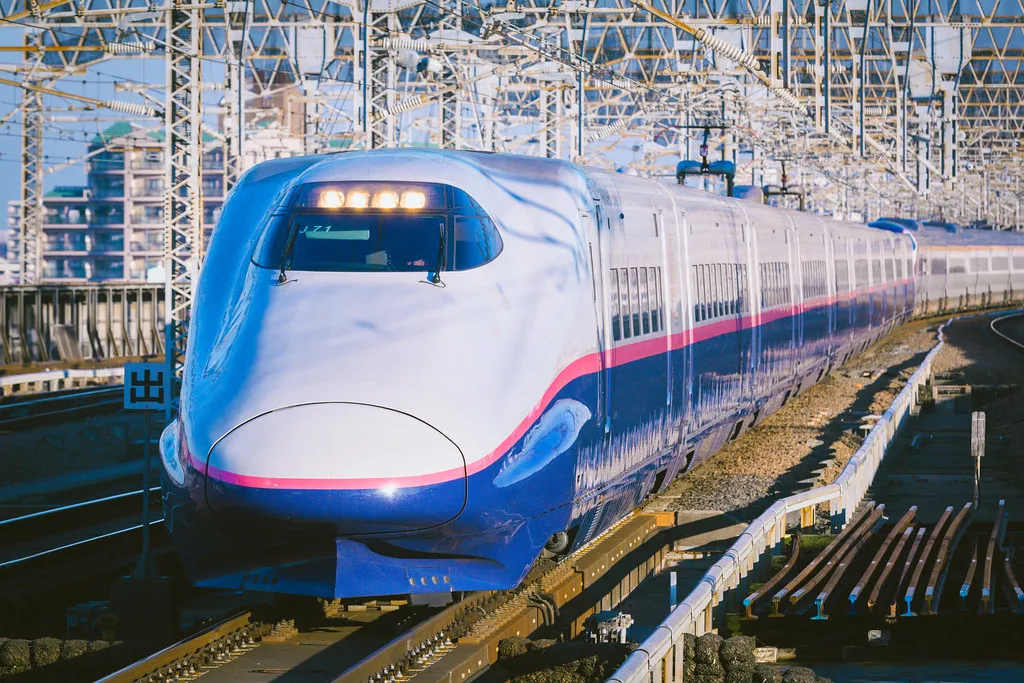
Local trains from Aomori Station take roughly 40 minutes and cost 680 Yen. They run twice an hour and require no seat reservation. If you are starting from Shin-Aomori Station — the Shinkansen terminus — a limited express service cuts the journey to about 30 minutes for around 1,200 Yen, with a small seat reservation fee on top.
The table below compares both options at a glance.
| Service | Departure | Journey time | Fare (approx.) | Reservation | JR Pass valid |
|---|---|---|---|---|---|
| Local (Ou Main Line) | Aomori Stn | ~40 min | 680 Yen | Not required | Yes |
| Limited Express Tsugaru | Shin-Aomori Stn | ~30 min | ~1,200 Yen | Required | Yes (+ fee) |
For most day-trippers the local train is the best value. Arrive at Aomori Station at least ten minutes early during the spring cherry blossom weeks, when carriages fill quickly. Long-distance visitors on the Shinkansen can board the express directly at Shin-Aomori to save a transfer.
Top Attractions in Hirosaki Castle Town
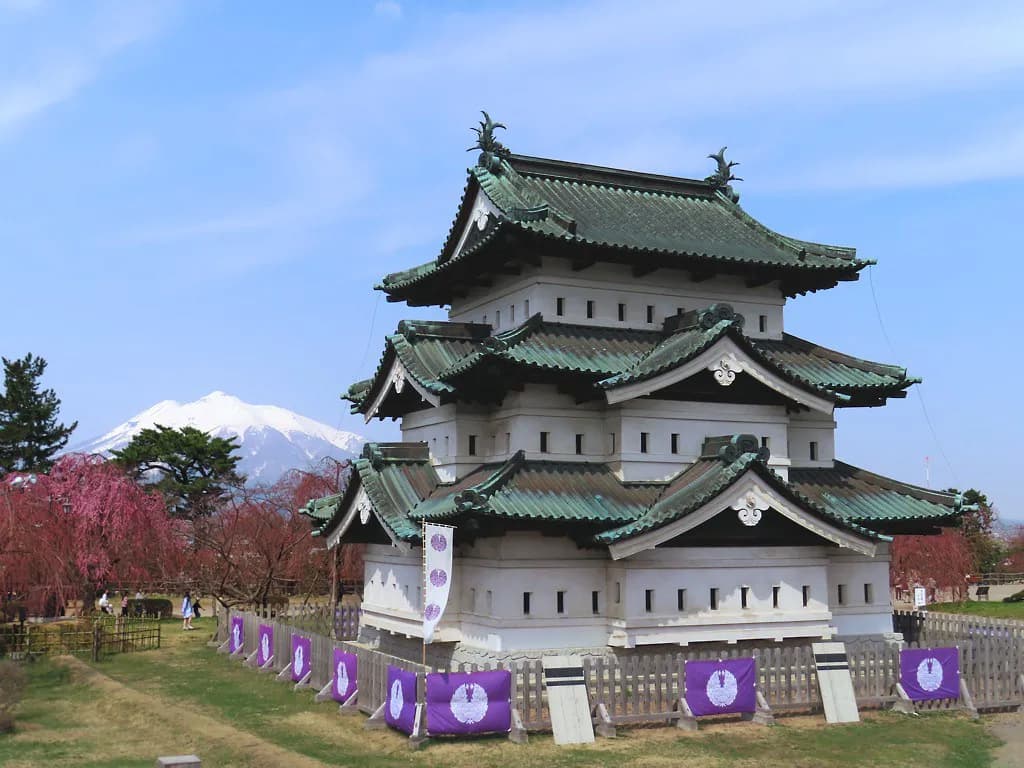
The iconic Hirosaki Castle and its park stands as the centerpiece of the city and its historical identity. It is one of the few original keeps remaining in Japan that dates back to the Edo period. Visitors can explore the massive park grounds surrounding the central wooden structure throughout the year.
A major engineering project is underway to repair the ancient stone foundations beneath the keep. In 2015 engineers moved the entire 400-ton wooden structure 70 metres to a temporary position without dismantling a single beam. This "Moving Castle" status is unique in Japan and gives visitors a rare look at traditional construction techniques from an unusually close vantage point. Check the Hirosaki Tourism and Convention Bureau for updates on when the keep will return to its original footprint.
The castle's Honmaru and Kita no Kuruwa area is open daily from 09:00 to 17:00. The Botanical Gardens within the park stay open an hour later, until 18:00. Entry to the outer park grounds is free year-round; the inner Honmaru area charges a modest admission fee. Allow at least two hours to walk the main fortifications, cross the stone bridges, and visit the inner garden.
The castle grounds are especially famous for their 2,000 cherry trees and the wide moats that surround the central keep. Walking paths wind through the various gates and over bridges that once protected the Tsugaru lords. Autumn foliage in October and November transforms the same paths into a tapestry of red and gold.
Museums and Cultural Heritage Sites
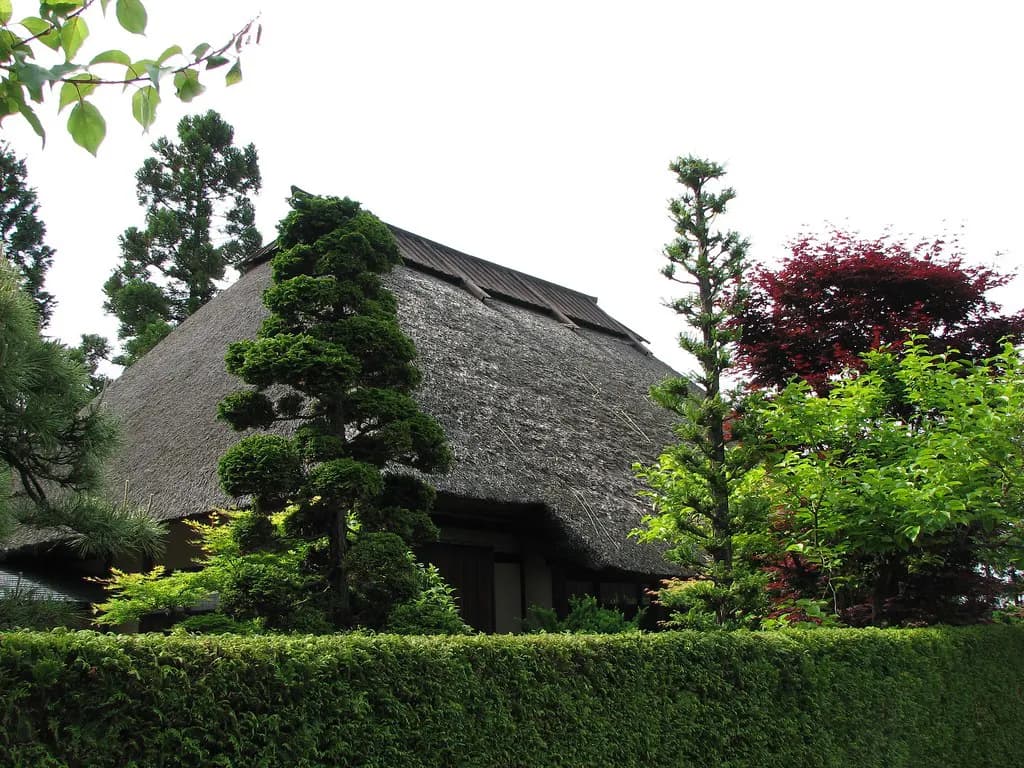
The Nakacho Samurai District Hirosaki sits just north of the castle park and preserves the atmosphere of feudal Japan. Several former samurai residences are open to the public for a glimpse into the lives of high-ranking warriors. These homes feature traditional thatched roofs and beautiful moss-covered gardens that feel unchanged from the Edo period.
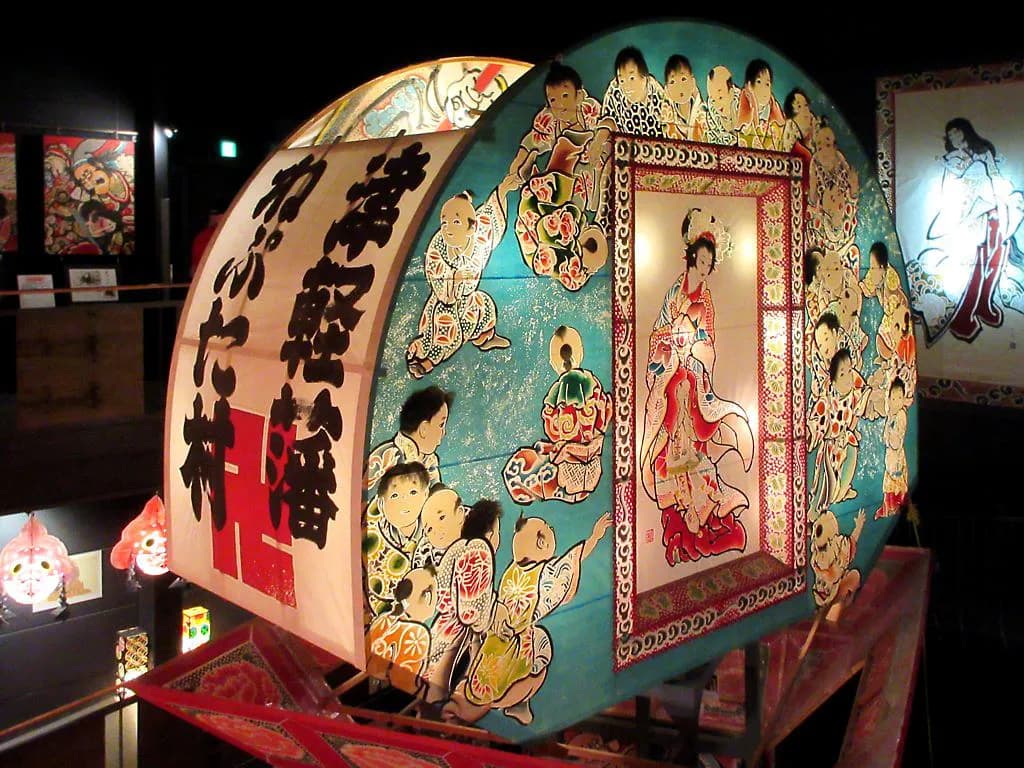
You can also visit the Tsugaru Clan Neputa Village to learn about the city's summer festival. This facility displays the enormous fan-shaped floats decorated with paintings of legendary heroes that parade through the streets each August. Live Tsugaru shamisen performances take place inside the hall, and visitors can try their hand at taiko drumming alongside the resident musicians.
Hirosaki's Meiji and Taisho-era Western-style buildings are an underrated draw. Former banks, a library, and schools built between 1880 and 1930 cluster near the castle entrance, reflecting Japan's early modernisation push. The Aomori Bank Memorial Hall — built in 1904 by architect Sakichi Horie, who also designed Osamu Dazai's birthplace — is a Renaissance-style brick structure open to the public and designated as important cultural heritage.
Local craft workshops in the Nakacho area offer hands-on sessions in Tsugaru lacquerware and Kogin-zashi embroidery. These traditional crafts developed over centuries in the harsh northern climate and make for meaningful souvenirs. Look for small studios signposted off the main samurai-district street.
Parks, Gardens, and Seasonal Festivals
The 8 Things to Know About the Hirosaki Cherry Blossom Festival is widely regarded as one of the finest floral displays in Japan. Over 2,000 cherry trees create a pink canopy that reflects in the castle moats, and fallen petals carpet the water surface in a phenomenon locals call "hanaikada" — a flower raft. The festival typically runs from late April through early May.
Winter brings the Hirosaki Snow Lantern Festival, held in Hirosaki Park each February. Hundreds of hand-carved ice sculptures are backlit at night, and smaller snow lanterns dot the paths between the gates. Warm up at the food stalls selling amazake (sweet rice drink) and grilled local snacks throughout the illuminated grounds.
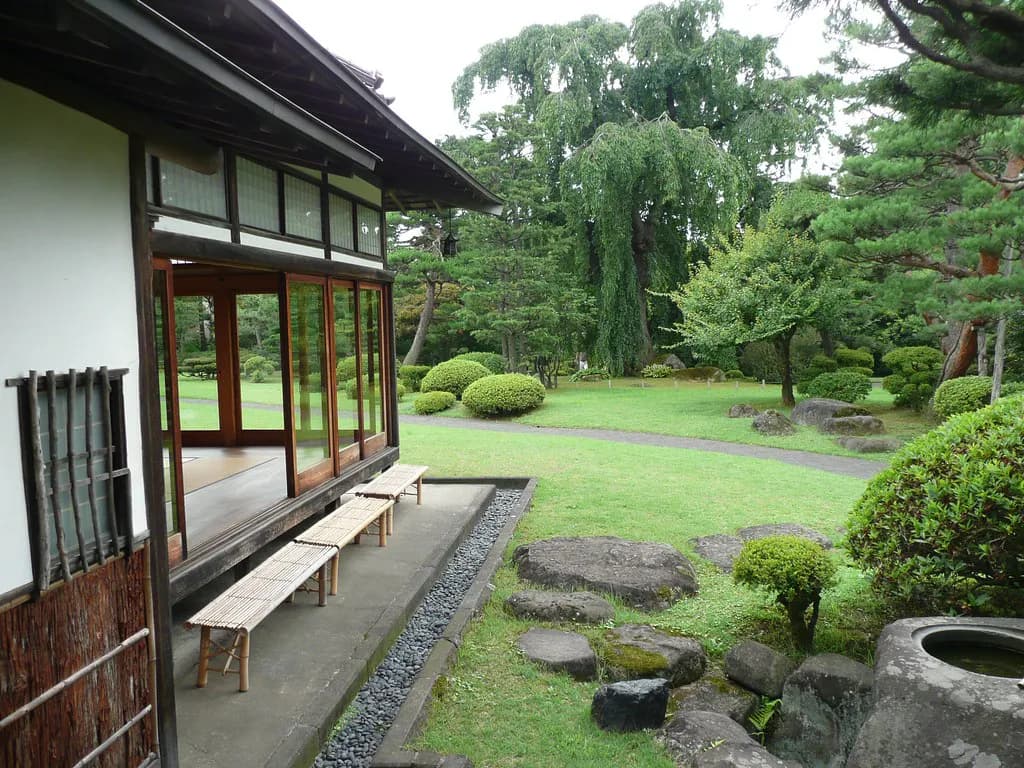
The Fujita Memorial Garden offers a peaceful retreat with both a traditional Japanese pond garden and a Western-style flower garden side by side. It sits right next to the castle park and provides excellent views of Mount Iwaki on clear days. The tea house inside is a good stop if you want to sit quietly before heading back to the station.
Hirosaki City Apple Park is another worthwhile stop, especially from August through mid-November when visitors can pick apples directly from the trees at 35 Yen per 100 grams. The park is open daily from 09:00 to 17:00 and is free to enter outside picking hours. Over 80 apple varieties are cultivated here — far more than most visitors expect for a single park.
Aomori or Hirosaki: Where to Base Yourself
Most first-timers base in Aomori City and day-trip to Hirosaki, and that works well if your itinerary is Tohoku-focused with multiple cities. Aomori has better Shinkansen connections, a wider range of hotels, and attractions like the Nebuta Museum Wa Rasse and Furukawa Fish Market within walking distance of the station.
However, basing in Hirosaki makes more sense in specific situations. If you plan to visit Shirakami Sanchi (the UNESCO World Heritage beech forest to the west), Hirosaki is your logical hub — buses depart from Hirosaki Station for the Anmon Falls trailhead and the Juniko lakes area. The Snow Lantern Festival in February is another strong reason: the park is more atmospheric after dark, and staying in Hirosaki means you can visit at 20:00 when day-trippers have already left.
Apple Park and the Tsugaru region's rural hot springs are also more accessible from a Hirosaki base. Accommodation in Hirosaki skews quieter and slightly cheaper than Aomori City. The commute between the two cities is short enough (40 minutes, 680 Yen) that you can always make a day trip in the other direction if your plans change.
Practical Tips for a Smooth Day Trip
Luggage lockers at Hirosaki Station can accommodate full-sized suitcases and cost approximately 700 Yen for 24 hours. The largest lockers are on the left side as you exit the ticket gates. Stowing your bags here before heading to the castle park makes the whole day significantly more comfortable.
From the station to the castle is a 20-minute walk along a straight, well-signposted road. When the weather is good, the walk is pleasant and passes several cafes and bakeries. In heavy snow or rain, the Dote-machi loop bus is the sensible choice — it runs every 15 minutes, stops at all major tourist sites, and costs a flat fare of 100 Yen per ride. A day pass is available if you plan to take it four or more times.
Walking is far preferable to the bus on a clear day because the historic streets reward slow exploration. The pedestrian-friendly zone between the castle and the samurai district has several small museum buildings and craft shops that you would miss entirely from a bus window. During the cherry blossom season the castle moat path is one of the most photographed scenes in all of northern Japan.
If you plan to start your morning with Nokke-don at Furukawa Fish Market in Aomori City, note that the market is closed every Tuesday and on 1–2 January. It opens at 07:00, so an early start allows you to eat, catch the 09:00 train, and still be at the castle by late morning. Keep small coins and 1,000 Yen notes handy — lockers and buses do not accept IC cards at all terminals.
Sample 1-Day Hirosaki Itinerary
Start your morning in Aomori City at the Furukawa Fish Market (open from 07:00, closed Tuesdays) and assemble a fresh Nokke-don rice bowl. Choose your own sashimi and seafood toppings from the stalls and eat at the rest area inside the market. This gives you energy for the day and takes about 30 to 40 minutes in total.
Board a mid-morning train from Aomori Station and arrive in Hirosaki by 10:00. Store your luggage in the station lockers (700 Yen), then walk or take the loop bus to the castle park for two hours of exploration. Visit the Moving Castle keep, cross the stone-bridge circuits, and photograph the moats before the midday crowds arrive.
Spend your early afternoon in the Nakacho Samurai District and the Neputa Village. See the giant festival floats, watch a live shamisen demonstration, and browse the craft shops along the samurai-district street. This section takes roughly 90 minutes at a comfortable pace.
Finish with a coffee and a slice of apple pie along the Apple Pie Street near the station. Hirosaki has an official Apple Pie Trail map with over 50 participating bakeries, each offering a different recipe. Catch the late-afternoon train back to Aomori — most visitors find one full day is enough to cover all the major highlights.
Best Places to Eat: Apples and Local Delicacies
Hirosaki is Japan's top apple-producing city and takes great pride in how it uses that fruit in local food and drink. Start with the Hirosaki Apple Pie and Cider: 8 Best Spots and Experiences guide before you visit so you can map out which bakeries to hit. Many shops near the castle entrance offer tasting flights to compare different cider styles and apple varieties.
The city's official Apple Pie Trail connects more than 50 bakeries, each with its own recipe that varies in crust texture, sweetness, and spicing. Tasting your way through three or four different pies in a single afternoon is a popular activity for food-focused visitors. Look for the official trail map at the tourist information desk inside Hirosaki Station.
Tsugaru ramen is another local specialty worth seeking out. The broth is soy-based and flavoured with dried sardines (niboshi), giving it an umami depth distinct from other regional ramen styles. Several traditional ramen shops cluster around the station approach and near the Neputa Village entrance.
If you are starting your day in Aomori, the Nokke-don at Furukawa Fish Market is the obvious first meal. A-FACTORY, one minute from Aomori Station, is also worth a quick stop for freshly pressed apple cider and Aomori-beef hamburg before boarding your train to Hirosaki.
Budgeting for Your Hirosaki Visit
A day trip to Hirosaki is affordable by Japanese standards. The round-trip local train fare from Aomori is 1,360 Yen (680 Yen each way). Entry to the castle Honmaru area and the botanical gardens is modest; check the Hirosaki Tourism Bureau's website for the current 2026 admission fees, as the pricing sometimes adjusts around the foundation restoration schedule.
Food costs vary from around 800 Yen for a bowl of ramen to 2,000–3,000 Yen for a fuller lunch with apple pie and cider tasting. Budget an extra 500–1,000 Yen for souvenirs: lacquerware, Kogin-zashi embroidered accessories, and apple products are all priced reasonably in the city centre shops.
Local transport and storage add a predictable amount. The 700 Yen locker at the station and one or two bus rides come to roughly 1,000 Yen. If you pay an onsen tax at accommodation in the area (around 300 Yen per night at properties like Dormy Inn), factor that in too.
Total daily spending for a solo traveller typically falls between 6,000 and 8,000 Yen, including all transport from Aomori, castle entry, meals, and local bus rides. Travellers holding a JR Pass skip the rail fares entirely, bringing the day under 5,000 Yen without much effort.
Frequently Asked Questions
How do I go from Aomori to Hirosaki?
You can take the JR Ou Main Line directly from Aomori Station to Hirosaki Station. Local trains take about 40 minutes and cost 680 Yen. Express trains from Shin-Aomori are faster but require a seat fee. This route is fully covered by the JR Pass for international visitors.
Is Hirosaki worth a day trip from Aomori?
Yes, Hirosaki is an excellent day trip destination due to its proximity and rich history. You can see an original castle, a samurai district, and beautiful gardens in a single day. The city is especially famous for its apple products and vibrant seasonal festivals.
How much is the train from Shin-Aomori to Hirosaki?
A local train ticket from Shin-Aomori to Hirosaki costs 590 Yen and takes roughly 35 minutes. Limited express trains cost about 1,200 Yen and take only 30 minutes. Most travelers find the local train to be the best value for this short distance.
Can I use the JR Pass to get to Hirosaki?
The JR Pass fully covers all JR Ou Main Line trains between Aomori and Hirosaki. This includes both local services and the Limited Express Tsugaru trains. You can show your pass at the ticket gates for easy access without buying individual tickets.
Visiting hirosaki from aomori offers a rewarding look at the cultural heart of northern Japan. From the unique moving castle to the delicious apple pie trail, there is something for every type of traveller to enjoy in 2026.
The easy transport links make it a stress-free addition to any Tohoku itinerary throughout the year. Plan your visit during the spring cherry blossom season or the February Snow Lantern Festival to experience the city at its most atmospheric.
Whether you are a history buff or a nature lover, this charming castle town will leave a lasting impression. Grab a slice of local apple pie and a cider as you explore the historic streets of this beautiful samurai stronghold.
Free guide: Japan's Hidden Gems
12 under-the-radar places beyond Tokyo & Kyoto — with the best season to visit each and a local tip you won't find in the guidebooks.
You might also like

Continue reading
More guides you'll find useful