
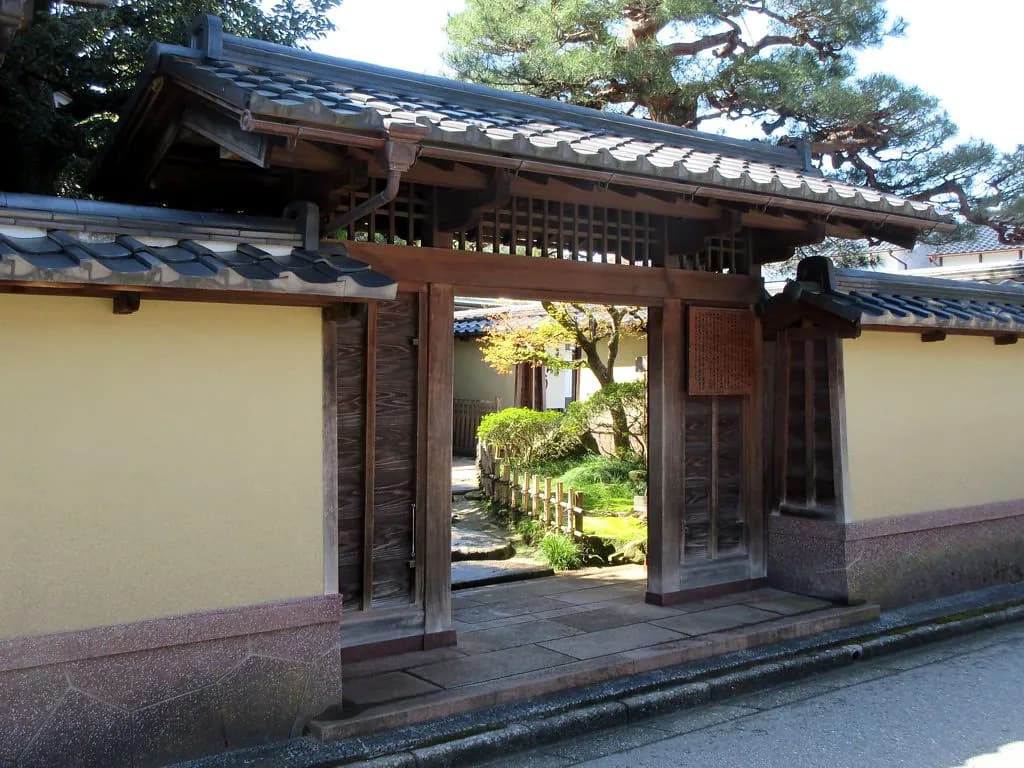
Walking through the Nakacho Samurai District feels like stepping back into the Edo period. Many travelers confuse this area with the busier Nagamachi district in Kanazawa. However, Hirosaki offers a more peaceful and authentic atmosphere for history lovers. You will find beautifully preserved homes nestled behind traditional black wooden fences.
This historic zone served as the residential area for high-ranking warriors guarding the castle. The quiet streets maintain a retro vibe that is rare in modern Japanese cities. Visitors can explore several original houses that showcase the lifestyle of the Tsugaru clan. Exploring the Hirosaki area provides a deep dive into Northern Japan's rich cultural heritage.
The district is officially designated as an Important Preservation District for Groups of Traditional Buildings. Centuries-old trees and manicured hedges line the narrow roads today. You can easily combine a visit here with a trip to the famous castle nearby. This guide will help you navigate the best sights and local secrets of Nakacho.
History and Heritage of the Nakacho District
The district was established around 1603 by the powerful Tsugaru clan. These warriors served as the primary protectors of the nearby castle fortress. Strategic planning ensured that the most loyal samurai lived closest to the seat of power. The layout of the streets remains largely unchanged from the original 17th-century designs.
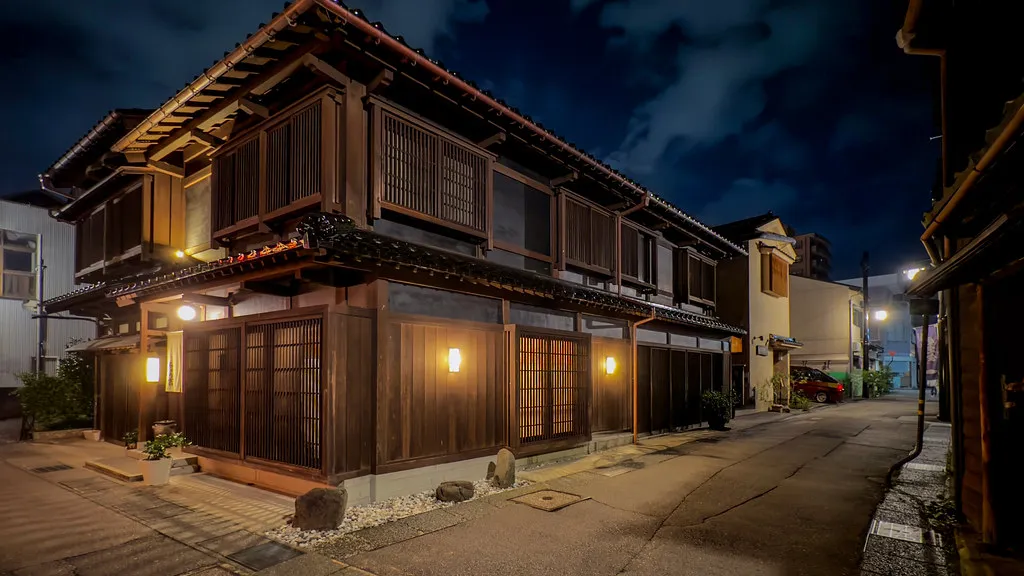
Hirosaki was a major political and cultural hub during the Edo period. The Nakacho area specifically housed the mid-to-high-ranking retainers of the local lord. Unlike other regions, the architecture here adapted to the harsh northern winters. Thick walls and specific roof designs helped the buildings withstand heavy snowfall.
Preservation efforts began in earnest during the late 20th century. The government recognized the unique value of these northern samurai structures. Today, the district serves as a living museum of feudal Japanese life. Walking these paths allows you to visualize the daily routines of ancient warriors.
The Tsugaru family influenced everything from local art to agricultural practices. Their legacy is visible in the meticulous upkeep of the residential gardens. Many of the current residents are descendants of the original samurai families. This continuity adds a layer of genuine historical weight to every street corner.
Key Samurai Residences to Explore (Ito, Umeda, and More)
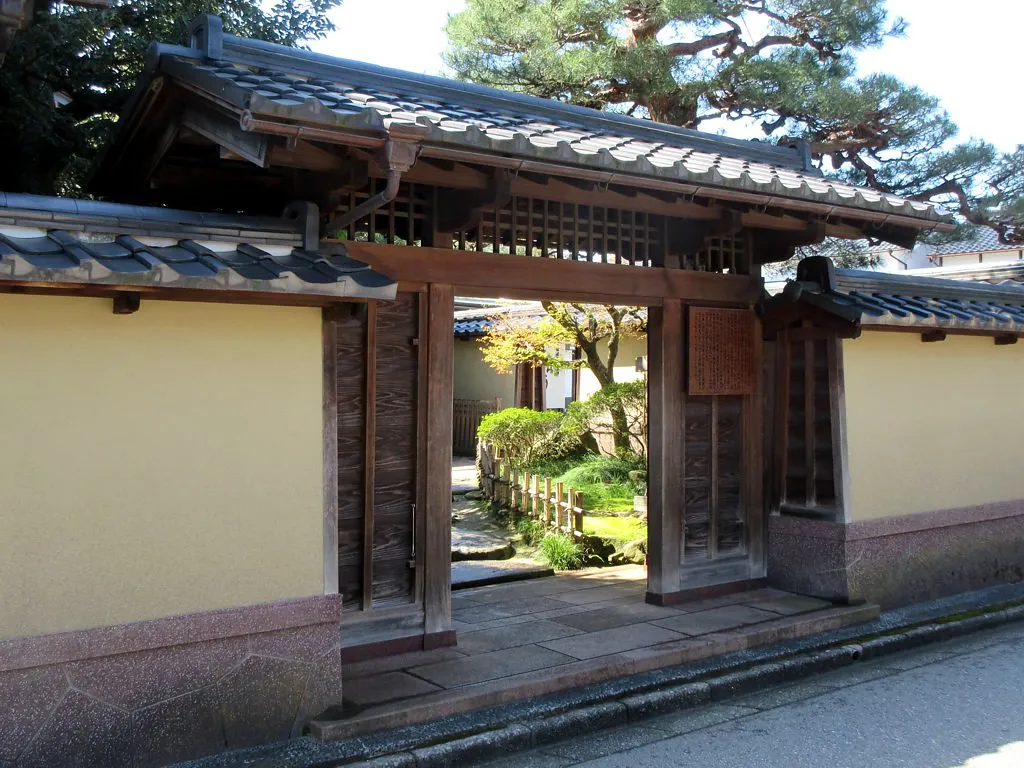
Several historic homes in Nakacho are open to the public throughout the year. The Ito Family Residence is perhaps the most famous example in the district. It features a classic gate and a sprawling garden designed for quiet contemplation. Inside, you can see the traditional tatami rooms where formal meetings took place.
The Umeda Family Residence offers a look at a slightly different architectural style. Its thatched roof and simple interior reflect the practical nature of samurai life. Check the Japan Guide: Hirosaki Samurai District for updated seasonal opening times. Most residences provide English pamphlets to help explain the various room functions.
The Sasahara Family Residence is another must-visit spot for architecture enthusiasts. It highlights the specific wood-joining techniques used in the Tohoku region. Visitors can often speak with local volunteers who share stories about the previous owners. The entrance fees are very affordable, making it easy to see multiple homes.
Don't miss the Ishiba Residence, which actually serves as a traditional merchant house. It is located just on the edge of the samurai zone and sells local sake. The massive wooden beams and dark interior provide a striking contrast to the warrior homes. It is a perfect place to buy a souvenir while soaking in the atmosphere.
- Ito Family Residence Highlights
- Type: High-ranking residence
- Best for: Garden views
- Where: Central Nakacho
- Cost: Free admission
- Umeda Family Residence Features
- Type: Mid-ranking home
- Best for: Thatched architecture
- Where: Near the gate
- Cost: Small donation
- Ishiba Merchant House
- Type: Historic shop
- Best for: Sake tasting
- Where: District border
- Cost: Free to enter
Seasonal Highlights: Cherry Blossoms and Winter Snow
Spring is undoubtedly the most popular time to visit the Nakacho district. The weeping cherry trees overhanging the black wooden walls create a stunning visual. You can enjoy the Hirosaki Park cherry blossoms and then walk over to Nakacho. Petals often carpet the quiet streets, making for incredible photography opportunities.
Winter transforms the samurai district into a silent, white wonderland. Heavy snow blankets the thatched roofs and stone paths in January and February. The city hosts a snow lantern festival that illuminates the historic buildings at night. Warm light glowing through the paper screens offers a cozy and mystical feeling.
Autumn brings vibrant colors to the many maple trees in the samurai gardens. The contrast between red leaves and dark wood fences is particularly beautiful. Temperatures are cool and comfortable for long walks through the entire neighborhood. Crowds are generally smaller in the fall compared to the peak spring season.
Summer visitors will appreciate the deep green foliage and cooling breezes. The thick clay walls of the residences keep the interiors naturally cool. Local festivals often take place in the streets during the month of August. Always carry water as the humidity in Northern Japan can be surprisingly high.
Transportation: Getting to Nakacho in Hirosaki
Reaching the Nakacho district from Hirosaki Station is straightforward and convenient. The Dotemachi Loop Bus is the most popular choice for most tourists. It runs every ten minutes and costs only 100 yen for a single ride. Get off at the Shiyakusho-mae stop to be within walking distance of the district.
Walking from the station takes about thirty minutes if you prefer to explore on foot. The route passes through the modern downtown area and several local bakeries. You can see the transition from a modern city to a historic castle town. Consult the Hirosaki City Official Tourism Site for a downloadable walking map.
Rental bicycles are available at the station during the warmer months. Cycling is a great way to see the district and the surrounding park quickly. The terrain is mostly flat, making it an easy ride for all fitness levels. Park your bike at the designated lots near the castle entrance before walking into Nakacho.
Taxis are also readily available outside the main train station exit. A ride to the samurai district usually takes less than ten minutes. This is a good option if you are traveling with heavy luggage or small children. Most drivers know the Nakacho area well and can drop you at the Ito Residence.
Beyond the District: Hirosaki Castle and Botanical Gardens
A visit to Nakacho is incomplete without exploring the adjacent Hirosaki Castle grounds. The castle tower is the only one in eastern Japan surviving from the Edo period. You can walk across the iconic red bridge for a classic view of the keep. The massive park surrounding the castle offers plenty of space for a picnic.
The Fujita Memorial Garden is located just a short walk from the samurai zone. It features a traditional Japanese garden and a charming Western-style tea house. You can enjoy a cup of matcha while looking out over the peaceful ponds. The garden is especially beautiful when the azaleas bloom in late spring.
History buffs should also visit the Former Hirosaki City Library nearby. This elegant building showcases the Meiji-era architecture that followed the samurai period. It stands as a testament to the city's commitment to education and modernization. The interior is well-preserved and offers a glimpse into early 20th-century life.
The botanical gardens within the park house thousands of different plant species. It is a quiet retreat for those who want to escape the main tourist paths. Seasonal flower displays ensure there is always something new to see. Plan for at least two hours to see both the castle and the gardens.
Local Flavors: Apples and Regional Cuisine
Hirosaki is famously known as the apple capital of Japan. You will find apple motifs on everything from manhole covers to street lamps. The city produces more apples than any other region in the entire country. Be sure to try a fresh glass of local apple juice after your walk.
Many shops near the samurai district sell delicious apple-themed snacks. The local apple pie is a must-try specialty with dozens of different varieties. Some bakeries use traditional recipes that have been passed down for generations. Visit the Hirosaki Neputa Village to see local crafts and taste regional food.
Tsugaru soba is another regional dish that you should not miss. The noodles are made using a unique process that gives them a soft texture. Many small restaurants in the Nakacho area serve this traditional meal for lunch. It is a filling and affordable way to experience the local culinary culture.
Dinner options in the city often feature fresh seafood from the nearby coast. Look for izakayas that serve seasonal vegetables grown in the fertile volcanic soil. The local sake pairs perfectly with the hearty flavors of northern Japanese cooking. Ask your hotel for recommendations on the best hidden gems in the downtown area.
Essential Visitor Information: Costs and Etiquette
Most of the samurai residences in Nakacho are free to enter. Some houses may ask for a small voluntary donation to help with maintenance. Operating hours generally run from 9:00 AM to 4:30 PM daily. The district is open year-round, but individual homes may close for New Year holidays.
Respecting local etiquette is important when visiting these historic properties. Always remove your shoes before stepping onto the tatami mats inside the houses. Keep your voice low to maintain the peaceful atmosphere of the neighborhood. Ask for permission before taking photos of the interiors or private residents.
Comparing Nakacho to other districts helps set the right expectations for your trip. While Kanazawa's Nagamachi is larger, it is also much more commercialized. Nakacho feels like a real neighborhood where people still live and work. You will encounter far fewer tour groups here than in Kyoto or Kanazawa.
The following list compares the top samurai districts in Japan for travelers. Nakacho is best for those seeking a quiet and authentic experience. Kakunodate in Akita is famous for its wide streets and massive cherry trees. Nagamachi offers a more polished and high-end tourist experience in Kanazawa.
- Nakacho (Hirosaki) Vibe
- Vibe: Quiet and authentic
- Crowds: Very low
- Key Feature: Northern architecture
- Best for: History purists
- Nagamachi (Kanazawa) Vibe
- Vibe: Polished and busy
- Crowds: High
- Key Feature: Nomura Clan house
- Best for: Luxury travelers
- Kakunodate (Akita) Vibe
- Vibe: Grand and scenic
- Crowds: Moderate
- Key Feature: Weeping cherries
- Best for: Photographers
Frequently Asked Questions
Is the Nakacho Samurai District free to visit?
Yes, walking through the streets of the Nakacho Samurai District is completely free. Most of the preserved residences, such as the Ito and Umeda homes, also offer free admission to the public. Some smaller sites may suggest a tiny donation of 100-200 yen for upkeep. Check the Hirosaki travel guide for more budget tips.
How long does it take to see the samurai district?
You should plan for about 60 to 90 minutes to explore the Nakacho district thoroughly. This allows enough time to walk the main streets and enter two or three of the historic residences. If you include a visit to the nearby Hirosaki Castle, plan for a total of three to four hours in the area.
When is the best time to visit Nakacho in Hirosaki?
The best time to visit is during the cherry blossom season in late April or early May. The pink flowers look stunning against the black wooden fences of the samurai homes. Alternatively, the winter months of January and February offer a beautiful snowy landscape that feels very traditional and serene.
The Nakacho Samurai District is a hidden gem that every history enthusiast should visit. It offers a rare glimpse into the authentic lifestyle of Japan's northern warrior class. You can enjoy the quiet streets and beautiful gardens without the pressure of large crowds. Combine your walk with a taste of local apples for the perfect Hirosaki experience.
Plan your trip during the spring or winter to see the district at its most beautiful. Remember to respect the local residents and follow the simple etiquette rules provided. This historic neighborhood will leave you with a deeper appreciation for Japanese heritage. Start planning your journey to this remarkable corner of Aomori Prefecture today.
For authoritative information, refer to the Nakacho Samurai District on Wikipedia.