Discover the rich cultural heritage of Hirosaki at this unique folk museum and craft center. This site celebrates the vibrant spirit of the Tsugaru region through its massive festival floats. Visitors can explore local history while enjoying live music and traditional art displays. Every corner of the complex offers a deep look into the artistic soul of northern Japan.
The **tsugaru-han neputa village visitor guide** helps you navigate the many attractions within this cultural complex. You will find massive fan-shaped floats and delicate goldfish lanterns throughout the various exhibition halls. The facility provides an immersive experience that brings the famous summer festival to life all year long. It serves as an essential stop for anyone wanting to understand the traditions of the Tohoku region.
Introduction to Tsugaru-han Neputa Village
The village serves as a living museum dedicated to the famous Hirosaki Neputa Matsuri. It preserves the traditions of the Tsugaru-han, which was the historical domain of the local clan. Learning about these roots helps visitors understand the pride behind every colorful display. The complex acts as a bridge between the city's samurai past and its artistic present.
Many people confuse the festivals in Aomori City and Hirosaki because their names sound very similar. The word 'Neputa' actually comes from local dialect terms related to the feeling of drowsiness. Linguistic roots like 'neputee' highlight how the summer festival originally aimed to wake people up for work. This unique etymology adds a layer of local charm to the grand scale of the event.
How to Get There: Access and Transportation
Traveling from Tokyo requires taking the Tohoku Shinkansen to Shin-Aomori Station for about three hours. You then transfer to the JR Ou Line for a short ride to Hirosaki. This journey offers beautiful views of the northern Japanese countryside along the way. The entire trip is covered by the Japan Rail Pass for international travelers.
Once you arrive at the local station, a taxi or bus will take you to the village in ten minutes. Look for the 100-yen loop bus and get off at the Bunka Center-mae stop. This affordable transport option runs frequently throughout the day for your convenience. Most visitors find the bus system very easy to navigate with English signage.
Travelers already visiting Hirosaki Castle can reach the village on foot in about eight minutes. Use the North Gate, also known as the Kamenokomon Gate, to exit the park area. This route provides a pleasant walk through the historic district of the city. It is the most efficient way to combine two major attractions in one afternoon.
- 100-Yen Dotemachi Loop Bus
- Type: City Bus
- Cost: 100 Yen
- Stop: Bunka Center-mae
- Frequency: Every 10 mins
- JR Ou Line Train
- Route: Shin-Aomori to Hirosaki
- Duration: 30-40 minutes
- Cost: ~680 Yen
- Best for: Shinkansen transfers
Neputa Hall: The 10-Meter Fan Floats
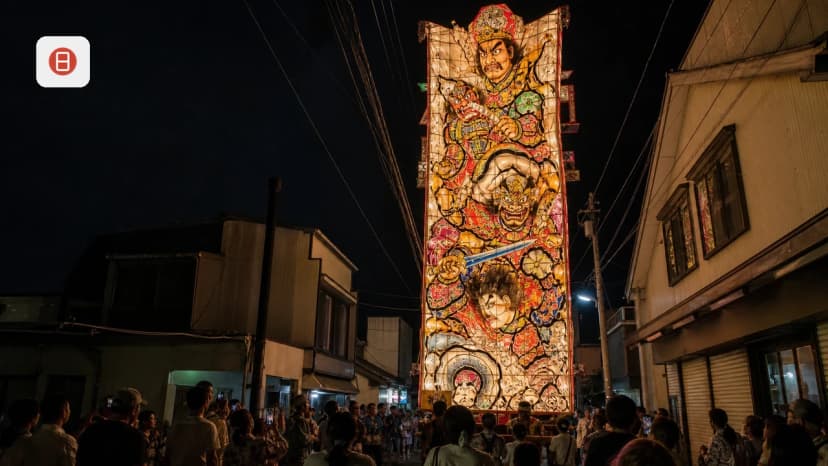
The Neputa Hall serves as the centerpiece of the village and houses massive festival floats. These fan-shaped structures, known as Ogi-neputa, reach heights of up to ten meters. Their flat surfaces display intricate paintings of legendary warriors and beautiful local scenery. Walking beneath these giants provides a true sense of the festival's grand scale.
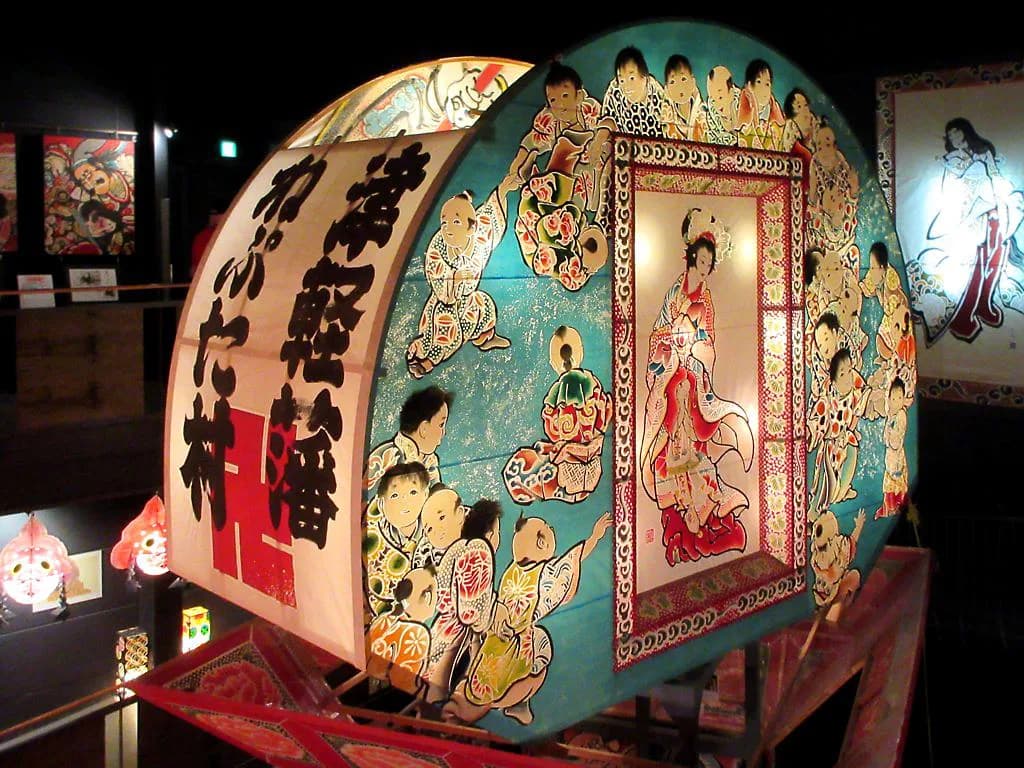
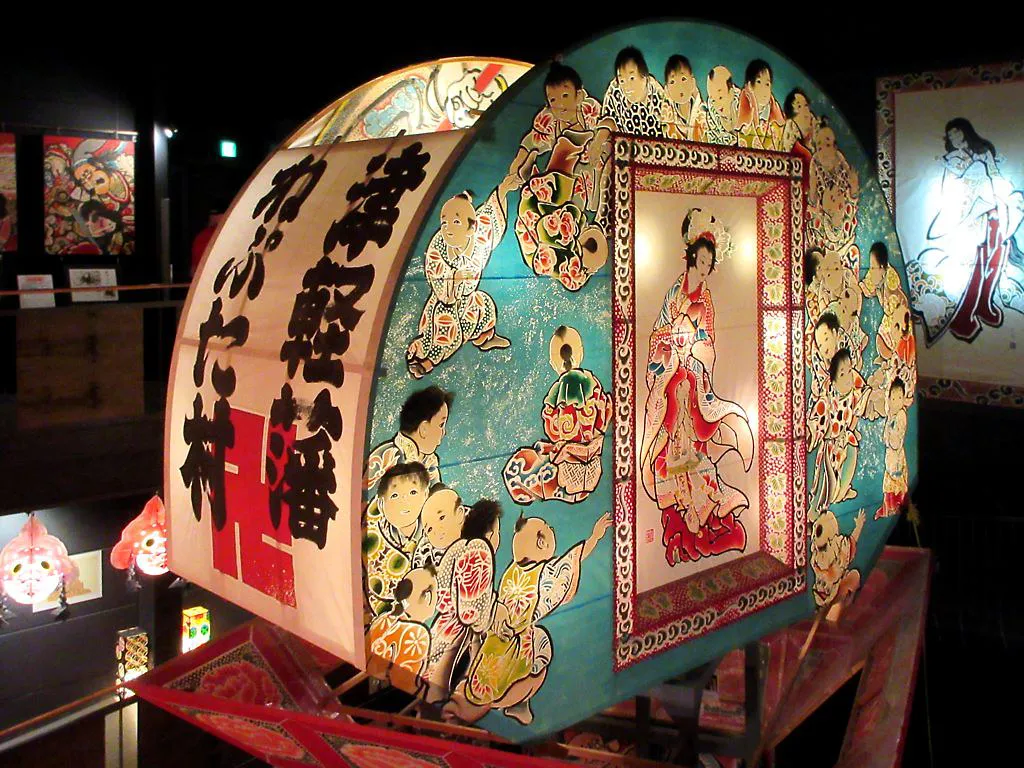
Unlike the 3D doll-like floats found in Aomori, these 2D fans focus on detailed brushwork and storytelling. The back of each float often features a 'haiga' or 'sending-off' painting of a woman. This contrast between the front and back creates a complete narrative for viewers to enjoy. The fan shape is a specific tradition that distinguishes Hirosaki from its neighboring cities.
The lighting inside the museum mimics the glow of the night festival for an immersive experience. Check the Neputamura.com official site for current exhibition updates and special seasonal displays. Artists often update the paintings to reflect new themes or historical anniversaries. Each float remains a unique piece of cultural art that requires months of preparation.
Hirosaki Neputa-no Yakata Museum (The Gallery)
The Hirosaki Neputa-no Yakata Museum provides a deep dive into the evolution of festival art. You can examine historical documents and smaller lanterns that date back several decades. These exhibits show how the festival grew from a local tradition into a major event. The gallery space is quiet and allows for a closer look at the brush techniques.
One fascinating highlight is the collection of 'Kingyo Neputa' or goldfish lanterns shaped like the local species. These lanterns are modeled after the unique Tsugaru Nishiki goldfish found in the region. These charming red and white lanterns are symbols of summer and happiness in Hirosaki. They add a whimsical touch to the more serious warrior themes of the larger floats.
The gallery also explains the technical aspects of building these structures using bamboo and washi paper. Artists spend months preparing the frames and painting the vibrant colors with natural dyes. This dedication ensures that each float remains a sturdy yet beautiful masterpiece. Visitors can see cross-sections of the frames to understand the engineering involved.
Live Performances: Taiko and Tsugaru Shamisen
No visit to the village is complete without experiencing the powerful sounds of traditional Japanese music. Live performances of the Tsugaru Shamisen and Taiko drums happen throughout the day. These sessions provide an energetic atmosphere that captures the true spirit of the festival. The music is known for its fast pace and improvisational style.
The performances typically run every 50 to 70 minutes to ensure every visitor has a chance to listen. Professional musicians demonstrate the unique percussive style of playing the three-stringed shamisen. You can check the exact schedule at the entrance to plan your museum route effectively. The acoustics of the performance hall make the experience feel very personal and direct.
Guests are often invited to try playing the large Taiko drums after the main musical demonstration. This interactive element makes the experience memorable for families and solo travelers alike. The rhythmic beats often echo through the halls, creating a sense of excitement. It is a great way to feel the physical energy required for the actual parade.
Yokien Garden: A Registered Monument
The Yokien Garden is a registered monument that offers a peaceful escape from the busy exhibition halls. This traditional landscape garden features a large pond and carefully manicured pine trees. It provides a stunning view of Mount Iwaki in the distance on clear days. The garden design follows the 'Oishi Bugaku' style, which is unique to the Tsugaru region.
Visitors can stroll along the stone paths to discover hidden tea houses and historic stone lanterns. The layout encourages a slow pace to appreciate the harmony between water and stone. This quiet space is perfect for reflecting on the vibrant art seen earlier in the tour. Seasonal changes bring different colors to the foliage throughout the year.
If you enjoy traditional landscapes, consider also visiting the Fujita Memorial Garden nearby. Both sites showcase the refined aesthetics of the Edo era and local garden architecture. The Yokien Garden specifically highlights the preferences of the historical Tsugaru clan. It remains one of the most well-preserved examples of regional landscaping in northern Japan.
Hands-on Craft Workshops
The village hosts several workshops where you can learn traditional crafts from skilled local artisans. Popular activities include painting your own goldfish lantern or making Tsugaru lacquerware. These sessions allow you to create a personalized souvenir of your trip to Hirosaki. Instructions are often available in English to help international guests participate.
Crafting a Kingyo Neputa is a great way to understand the delicate work involved in lantern making. You will use bright paints to decorate the paper body of the goldfish. These workshops are suitable for all ages and usually take about thirty to sixty minutes. The finished lanterns are easy to pack and take home as a memory.
You can also watch masters at work in the 'Tsugaru Zao' area of the complex. They produce items like wooden kokeshi dolls and intricate embroidery known as Kogin-zashi. Seeing these skills in person highlights the incredible craftsmanship of the Nakacho Samurai District era. The artisans are often happy to answer questions about their specific tools and techniques.
Practical Tips for Your Visit
Plan to spend at least two hours exploring all the different sections of the village. Arriving early in the morning helps you avoid the larger tour groups that often visit midday. This timing also gives you more flexibility to join the craft workshops without waiting. The morning light also makes for better photography in the outdoor garden areas.
The admission fee for adults is approximately 550 yen, but prices may vary in 2026. You can find the most current rates and opening hours on the Aomori-Tourism.com website. Group discounts are often available for those traveling with ten or more people. Always keep your ticket handy as you move between the different exhibition buildings.
Make sure to visit the gift shop to find unique local snacks and handmade goods. The shop offers a wide variety of apple-based products, which are a specialty of Hirosaki. These items make excellent gifts for friends and family back home. You can also find professional-grade shamisen and traditional festival music recordings here.
Frequently Asked Questions
What is the difference between Aomori Nebuta and Hirosaki Neputa?
Hirosaki Neputa features 2D fan-shaped floats called Ogi-neputa with intricate paintings. In contrast, Aomori Nebuta uses 3D doll-shaped floats that are much larger and more sculptural. Both festivals celebrate local history but use different artistic styles and musical rhythms to entertain the crowds.
How much does it cost to visit the Tsugaru-han Neputa Village?
The standard admission fee for adults is approximately 550 yen, while students and children pay reduced rates. Prices are subject to change for special events or seasonal exhibitions in 2026. You can find updated pricing on the Neputamura.com official website before your arrival.
How do I get to Neputa Village from Hirosaki Station?
You can reach the village in about 10-15 minutes by taking a taxi or the 100-yen Dotemachi Loop Bus. Get off at the Bunka Center-mae bus stop for the shortest walk to the entrance. Alternatively, it is a pleasant 30-minute walk through the city's historic districts.
Are there live performances at the Neputa Village?
Yes, the village hosts live performances of Tsugaru Shamisen and Taiko drums throughout the day. These sessions typically occur every 50 to 70 minutes and are included with your admission ticket. Guests can often participate in a brief drumming session after the main musical demonstration concludes.
Visiting the Tsugaru-han Neputa Village offers an unforgettable look at the cultural heart of Hirosaki. From the massive floats to the rhythmic music, every detail celebrates the local spirit. It is a must-see destination for anyone exploring the Tohoku region during their journey. The combination of history and interactive art makes it a highlight of northern Japan.
Whether you are a fan of history, art, or music, this village has something to offer. Use this guide to make the most of your time in this beautiful and historic city. Start planning your journey today to experience the magic of the Neputa festival year-round. The memories of the vibrant colors and powerful drum beats will stay with you forever.
For the latest official information, see the Tsugaru-han Neputa Village official site and Tsugaru-han Neputa Village on Wikipedia.