
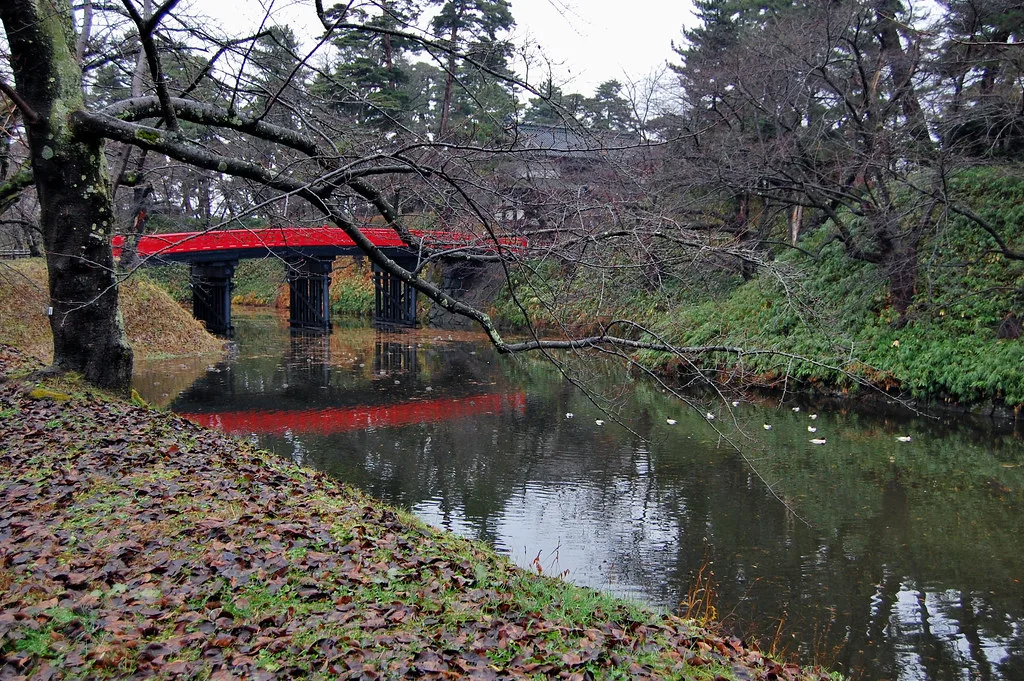
Hirosaki Castle
A rare original Japanese castle keep (1611) set in Hirosaki Park, famous for its moats and cherry blossoms.
Visitor guide →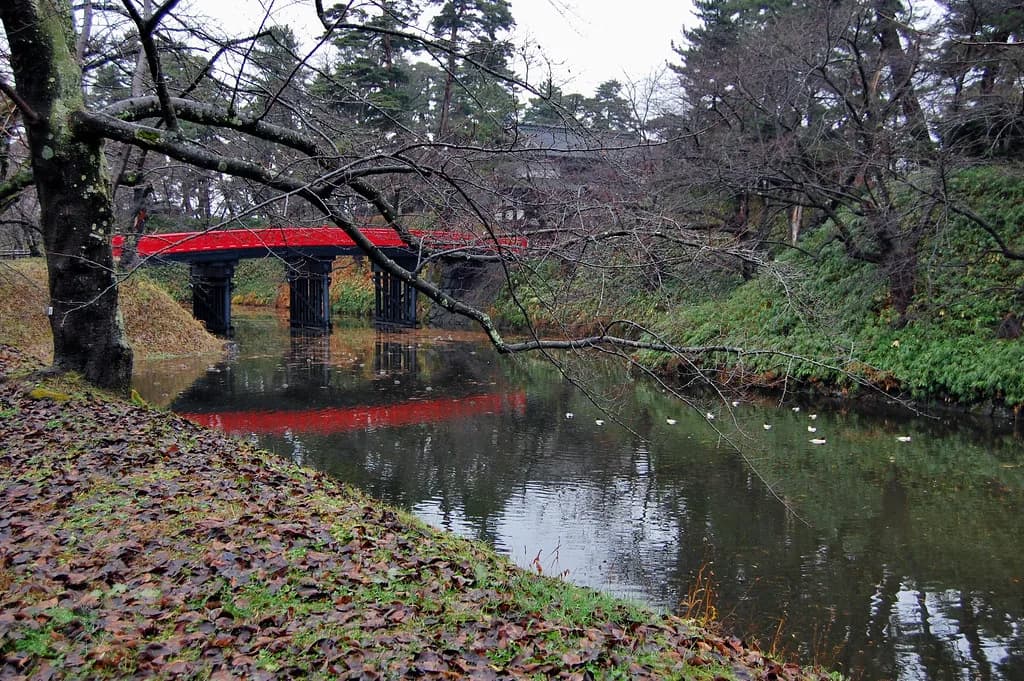
Hirosaki attractions for 2026: a castle-town and samurai capital famous for cherry blossoms. Compare the 6 best things to do — castle, gardens, samurai district, Neputa Village — with prices, hours and a 1-day plan.
Hirosaki is the old castle-town capital of the Tsugaru region in western Aomori, and it wears its history more openly than almost anywhere else in Tohoku. At its heart stands one of only twelve surviving original castle keeps in Japan, ringed by the moats and earthen ramparts of Hirosaki Park — home to roughly 2,600 cherry trees that turn the grounds into one of the country's most famous hanami destinations every spring, complete with an illuminated "petal carpet" floating on the moat. Step a few streets in any direction and the castle-town fabric is still intact: the hedged lanes of the Nakacho samurai district, the twin-towered Former City Library and other Meiji- and Taisho-era Western buildings, and the Tsugaru-han Neputa Village, where the giant fan-shaped floats of Hirosaki's summer festival are on show year-round.
Add to that the apples — Hirosaki and the surrounding orchards grow more apples than anywhere else in Japan, and the fruit flavours everything from local cider to curry — and you have a compact, walkable city that rewards far more than a quick castle photo. This 2026 guide narrows the field to the 6 attractions that consistently justify the time and ticket price. Each card below links to a full visitor guide with verified hours, current prices and practical tips; the sections that follow group the sights by theme and answer the planning questions first-time visitors ask most.
A rare original Japanese castle keep (1611) set in Hirosaki Park, famous for its moats and cherry blossoms.
Visitor guide →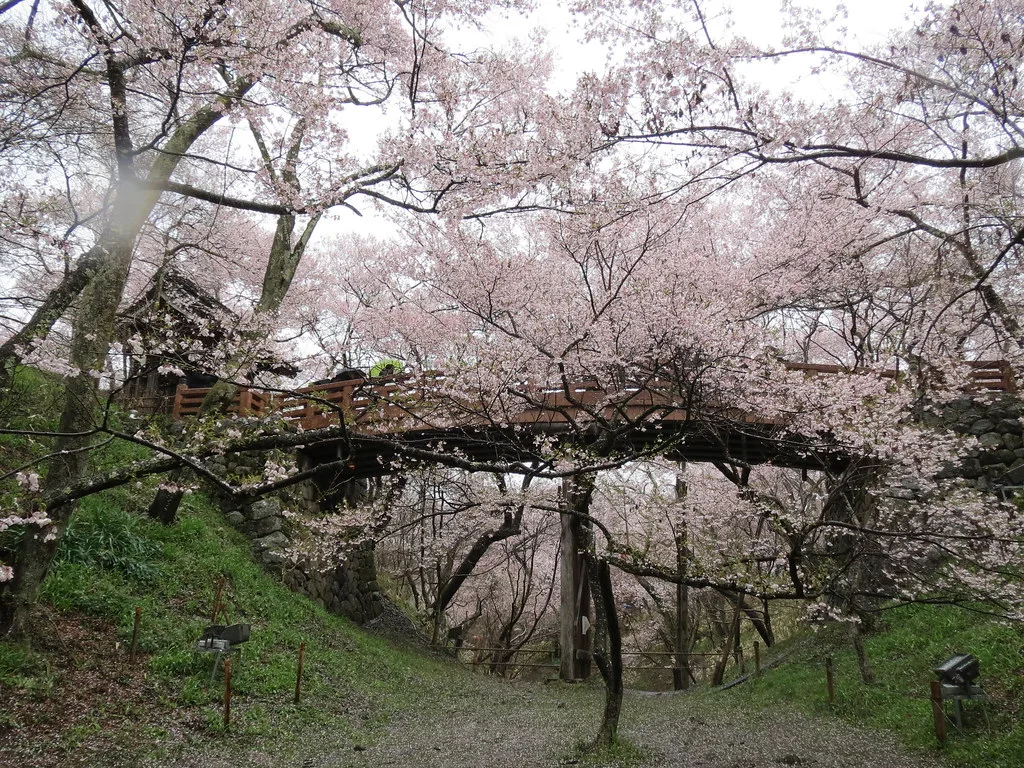
One of Japan's top hanami spots — ~2,600 cherry trees, illuminated evenings and a famous moat petal carpet.
Visitor guide →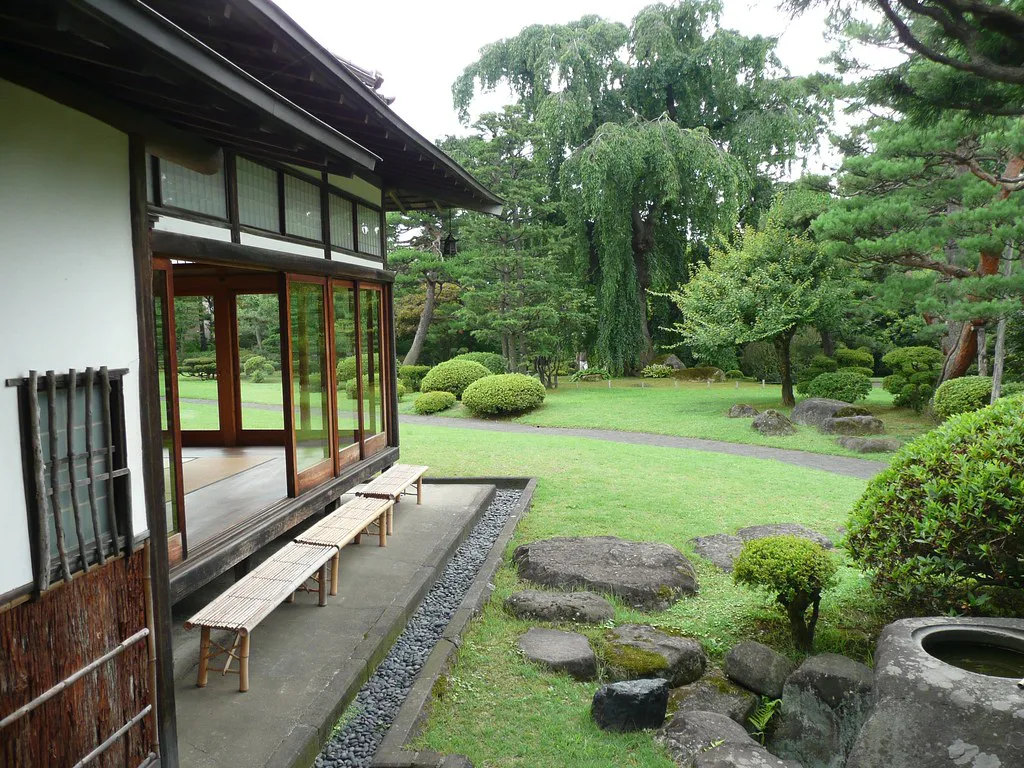
A 1919 Taisho-era garden near Hirosaki Park with Japanese and Western sections and views of Mt. Iwaki.
Visitor guide →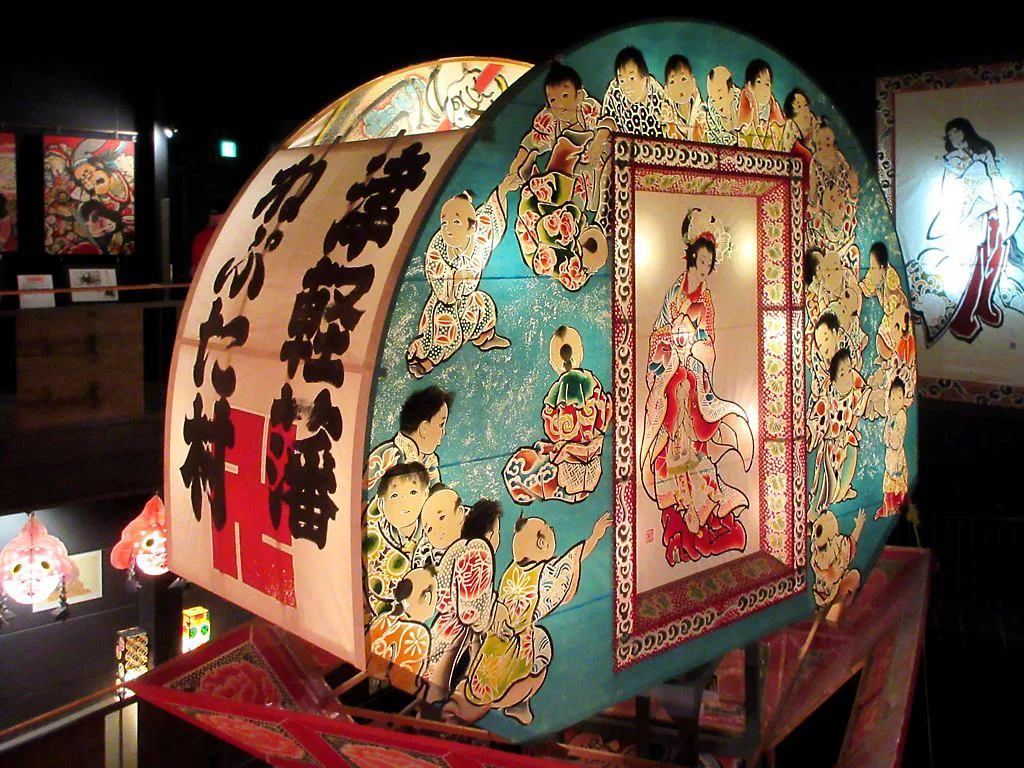
A year-round cultural village by Hirosaki Park displaying Hirosaki Neputa floats, taiko and Tsugaru craft demos.
Visitor guide →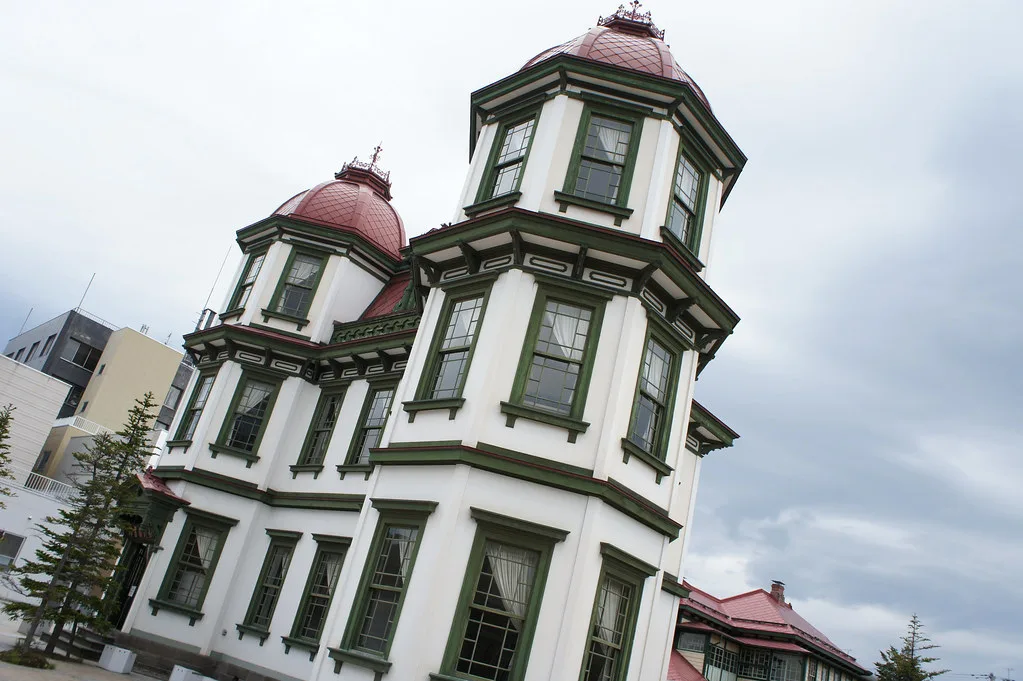
A 1906 Renaissance-style former library with twin octagonal towers, a highlight of Hirosaki's Meiji architecture.
Visitor guide →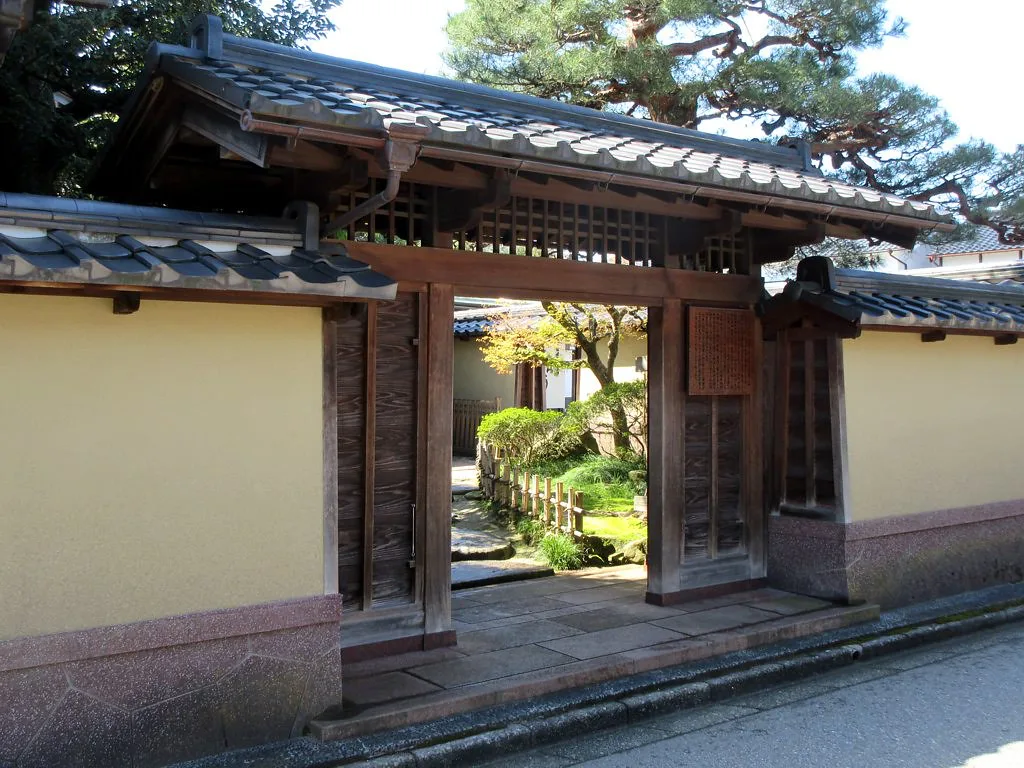
A preserved Edo-period samurai district north of Hirosaki Park, with hedged lanes and free-to-enter residences.
Visitor guide →Hirosaki's sights fall into four natural groups, and most visitors cover all of them on foot within a small area around the park.
Hirosaki Castle is the anchor: a genuine Edo-period keep raised in 1611 under the Tsugaru clan, surrounded by surviving gates, turrets, moats and ramparts that have barely changed in 400 years. The keep sits inside Hirosaki Park, so a single visit pairs the castle with botanical gardens, a Shinto shrine and moat-side walks. A short stroll west, the Fujita Memorial Garden is a 1919 Taisho-era estate garden split into upper Western and lower Japanese sections, with framed views of Mt. Iwaki — the kind of quiet, manicured space that balances out the castle crowds.
The Nakacho samurai district, just north of the park, preserves the hedged lanes and timber gates of an Edo-period warrior quarter; several former samurai residences are open and free to enter. A different chapter of the city's history shows in its Western-style architecture — most famously the Former Hirosaki City Library, a 1906 Renaissance-style building crowned with twin octagonal towers, a relic of the Meiji-era boom when local carpenters reinterpreted European design in wood.
Hirosaki's summer Neputa festival sends huge fan-shaped, illuminated floats through the streets each August. You don't have to time your trip to it: the Tsugaru-han Neputa Village beside the park displays the floats year-round alongside taiko drumming, shamisen performances and hands-on Tsugaru craft demonstrations, making it the easiest way to understand the region's living folk culture.
Hirosaki Park is the reason many people put the city on their map at all. Its roughly 2,600 cherry trees, moat reflections, evening illuminations and drifting petal carpet rank it among Japan's very best hanami sites — a destination in its own right for about two weeks each spring.
A surprising amount of Hirosaki costs nothing. Hirosaki Park itself is free to enter year-round (cherry-blossom season included, outside ticketed event zones), and so are the Nakacho samurai residences and the Former Hirosaki City Library. You can build a full half-day of sightseeing without buying a single ticket.
The paid attractions are modestly priced. Entry to the Hirosaki Castle keep is ¥320, or a ¥520 combination ticket bundles the keep with the castle botanical garden. The Fujita Memorial Garden is ¥320, and the Tsugaru-han Neputa Village is ¥600. Even visiting every ticketed sight here costs well under ¥2,000, which makes Hirosaki one of the better-value historic cities in Tohoku. Prices are current for 2026; check each linked guide before you go in case of seasonal changes.
One full day is enough to see the core: Hirosaki Castle and Hirosaki Park, the Nakacho samurai district and the Western-style buildings around the Former City Library all sit within easy walking distance, and you can add Fujita Memorial Garden or Neputa Village without rushing. Plan for two days in cherry-blossom season (late April to early May), when crowds slow you down and the park is worth seeing both by day and under the evening illuminations. Most travellers reach Hirosaki from Aomori City, the regional gateway, so it pairs naturally as a day trip or an overnight extension to an Aomori itinerary.
Hirosaki sits about 45 minutes from Aomori City by JR Ou Line local train, the simplest approach for most visitors arriving via the Shinkansen at Shin-Aomori. From JR Hirosaki Station the attractions cluster around the park, roughly 20–25 minutes' walk or a short ride on the city loop bus, which stops near the castle, Nakacho and the Western buildings. Once you're in the centre, the whole district is compact and flat enough to cover on foot, and renting a bicycle is a pleasant option in mild weather. Because the major sights are bunched together, you rarely need transport between them — the train and bus are mainly for getting into and out of the city.
The headline season is late April to early May, when the Hirosaki Cherry Blossom Festival fills the park and the moats with petals — the single most popular and most crowded time to come. Early August brings the Hirosaki Neputa festival, when illuminated floats parade through the streets. Autumn (October–early November) turns the castle grounds and surrounding mountains to red and gold and lines up with apple-harvest season, while winter offers a quieter, snow-blanketed park and the Hirosaki Castle Snow Lantern Festival in February. Outside the cherry-blossom fortnight, Hirosaki is calm and easy to enjoy at your own pace.
What is Hirosaki best known for? Hirosaki is best known as a Tsugaru castle-town: its original 1611 castle keep and Hirosaki Park, which is one of Japan's top cherry-blossom viewing spots with around 2,600 trees. It's also Japan's leading apple-growing region.
How do you get to Hirosaki from Aomori? Take the JR Ou Line local train from Aomori Station to Hirosaki Station, a ride of about 45 minutes. From the station, the main attractions are a 20–25 minute walk or a short city loop-bus ride.
Is Hirosaki Castle worth visiting outside cherry-blossom season? Yes. The keep, surviving gates and turrets, moats and ramparts make Hirosaki one of only twelve original castles left in Japan, and the park is attractive in autumn foliage and winter snow as well as spring.
How much do Hirosaki attractions cost? Hirosaki Park, the Nakacho samurai residences and the Former City Library are free. Entry to the castle keep is ¥320 (¥520 combined with the botanical garden), Fujita Memorial Garden is ¥320, and Tsugaru-han Neputa Village is ¥600.
How many days do you need in Hirosaki? One full day covers the castle, park, samurai district and Western buildings. Allow two days during the cherry-blossom festival in late April to early May, when crowds are heaviest and the evening illuminations are worth a second visit.
When is the best time to see cherry blossoms in Hirosaki? Peak bloom is usually late April to early May, when the Hirosaki Cherry Blossom Festival is held at Hirosaki Park. The moat petal carpet and nighttime illuminations are highlights of this period.
For deeper itineraries, read our full guide to the best things to do in Hirosaki and the dedicated Hirosaki Castle guide. If you're timing a spring trip, our Hirosaki Cherry Blossom Festival guide covers bloom forecasts and access, and you can extend the trip with attractions in nearby Aomori City.