Hirosaki is a city that preserves its rich history through stunning buildings and scenic parks.
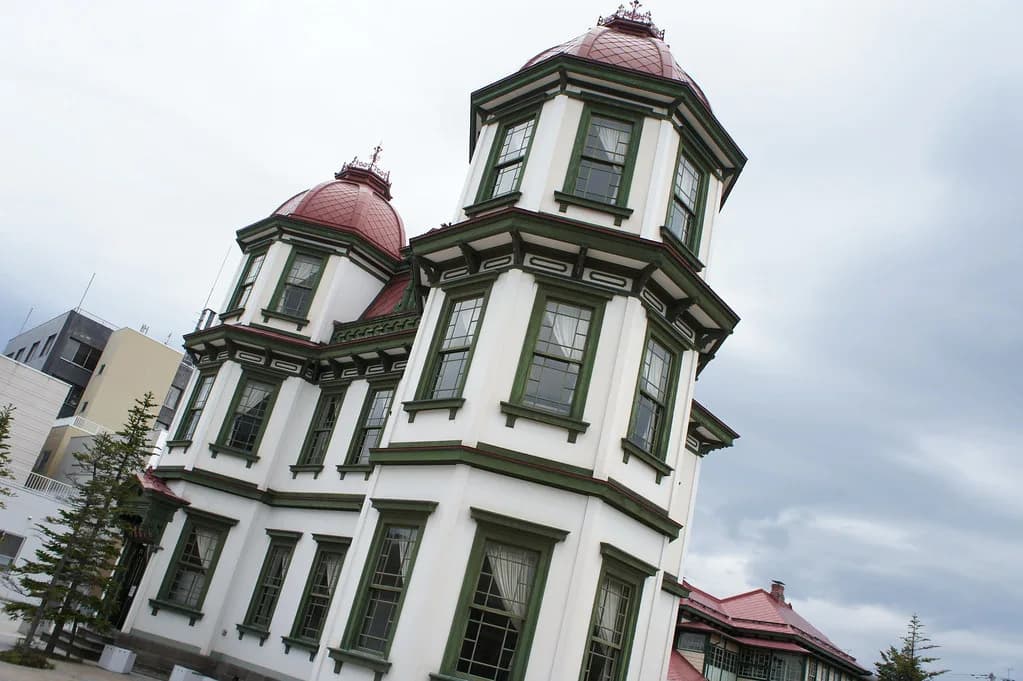
The Former Hirosaki City Library stands as a prime example of Western-style architecture from the Meiji period.
This guide provides everything you need to know for a perfect visit to this cultural landmark in Hirosaki.
Discover the unique design and practical tips that make this free attraction a must-see for every traveler.
History and Architecture of the Former Hirosaki City Library
The library was constructed in 1906 to celebrate the victory of the Russo-Japanese War and serve the community. Architect Horie Sakichi designed the building using a distinctive Renaissance style that was popular during that era. It served as the primary municipal library for several decades before being preserved as a cultural asset. Today, the structure remains one of the most photographed historical landmarks in the entire Aomori Prefecture.
You will immediately notice the two octagonal towers that flank the main entrance of the three-story wooden building. These towers provide a symmetrical beauty that reflects the Western influence on Japanese architecture at the time. The green-colored roof tiles contrast beautifully with the white exterior walls and dark wooden window frames. Inside, the building retains much of its original layout, including the grand staircase and high ceilings.
The construction utilized local materials and Japanese woodworking techniques to achieve a sturdy and elegant finish. It survived the fires and modernization efforts that claimed many other buildings from the same historical period. Visitors can admire the intricate plasterwork and the decorative details found on the exterior dormer windows. This library represents a fascinating bridge between traditional Japanese craftsmanship and modern global design trends.
Essential Visitor Information: Hours, Fees, and Access
Visiting this landmark is easy because admission remains free for all travelers throughout the entire year. You can explore the grounds daily from 9:00 AM until 5:00 PM without needing a prior reservation. Please note that the last entry occurs at 4:30 PM to allow for daily closing procedures. Always check the Official Hirosaki Tourism Website for any sudden seasonal closures or holiday updates.
The library is located within Ote-mon Square, which serves as a central hub for many historical sites. Restrooms and tourist information centers are available nearby to help make your visit more comfortable. The facility is generally open every day except during the year-end and New Year holiday period. Most visitors find that the staff is very helpful even if they only speak limited English.
Photography is permitted inside the building, but you should avoid using a flash to protect the artifacts. The interior can feel quite cool in the winter, so wearing layers is recommended during your visit. Wheelchair access is available for the first floor, though the upper levels may require climbing stairs. This site is an excellent budget-friendly addition to any itinerary focused on the history of northern Japan.
Top Things to See Inside the Library
The first floor features a series of exhibits that detail the history of the library and its architect. You can view original furniture and desks that were used by students and researchers over a century ago. The rooms are arranged to show how the library functioned as a center for learning and community growth. Look for the display of historical documents that highlight the literary culture of the Tsugaru region.
Walking up the wooden staircase reveals the architectural precision used to create this lasting municipal structure. The second floor offers a closer look at the interior of the octagonal towers and their unique windows. Natural light fills these spaces, creating a peaceful atmosphere that feels far removed from the modern city. You can imagine the quiet focus of past generations who came here to study and gain knowledge.
Special seasonal exhibits often take place in the main hall to showcase local art or historical photos. The building also houses a small collection of books related to the history of Hirosaki and its people. Take a moment to appreciate the view of the surrounding square from the upper-level windows. The combination of historical artifacts and architectural beauty makes every room worth exploring during your stay.
The Miniature Buildings of Ote-mon Square
One of the most unique features of this site is located directly behind the main library building. A collection of 1/10 scale models represents the historic buildings of Hirosaki that no longer exist today. These miniatures allow you to see the architectural diversity of the city from a bird's-eye perspective. The detail on these models is incredible, featuring tiny roof tiles and accurately carved window frames.
Walking through this outdoor display feels like stepping into a tiny version of the Meiji-era city streets. It is a fantastic spot for photography, especially if you enjoy capturing unique perspectives and small details. Children often find this section particularly engaging because of the toy-like appearance of the historical structures. The models are maintained with great care to ensure they withstand the heavy snowfall of the Aomori winters.
Information plaques provide the history of each building, explaining why they were significant to the local community. You can learn about old theaters, schools, and banks that once defined the skyline of this castle town. This area is free to enter and serves as a quiet park where you can enjoy the fresh air. Many visitors miss this section, so be sure to walk around the back of the library to find it.
Recommended Time Needed and Best Visiting Hours
Most visitors spend between 30 and 45 minutes exploring the library and the nearby miniature buildings. If you are an architecture enthusiast, you might want to budget an hour for detailed photography and reading. The site is compact, making it easy to fit into a busy day of sightseeing around the castle. Planning your visit for the morning can help you avoid the larger tour groups that arrive later.
The best light for photographing the exterior of the building occurs during the early morning or late afternoon. Soft sunlight highlights the textures of the wooden walls and the curves of the octagonal towers beautifully. During the winter months, the building looks magical when covered in a fresh layer of white snow. The surrounding trees change color in the fall, providing a vibrant backdrop for your travel photos.
Visiting on a weekday is usually much quieter than visiting during the busy weekends or public holidays. You will have more space to admire the interior exhibits without feeling rushed by other tourists. The late afternoon hours offer a calm atmosphere as the sun begins to set over the square. Consider checking the local weather forecast to ensure you have clear skies for your outdoor walk.
Nearby Historic Sites: Aomori Bank Memorial Hall & More
Just a short walk from the library, you will find several other significant historical landmarks to explore. The Aomori Bank Memorial Hall is another stunning Western-style building located just across the street. It features a more ornate design and requires a small entry fee to see the grand interior rooms. Combining these two sites gives you a complete picture of the architectural ambitions of the Meiji era.
The Tooh Gijuku Foreign Teachers' Residence sits adjacent to the library and offers a glimpse into colonial life. You can visit the first floor to enjoy a coffee at the popular cafe while admiring the garden views. This residence is conveniently located near the entrance to the lush Fujita Memorial Garden. Exploring these clustered sites allows you to see a lot of history without traveling long distances.
Of course, no visit to this area is complete without entering the grounds of the famous Hirosaki Castle. The Ote-mon Gate of the castle is only 600 meters away from the library's front entrance. You can easily spend an entire afternoon walking between these landmarks and enjoying the local scenery. This concentration of history makes Ote-mon Square the perfect starting point for any city tour.
How to Get to the Library from Hirosaki Station
The library is located approximately 1.7 kilometers away from the main Hirosaki Station exit. The most convenient way to reach the site is by taking the Dotemachi Loop Bus from the station. This bus runs frequently and costs only 100 yen for a single ride around the city center. You should get off at the Shiyakusho-mae stop, which is located right next to the library.
If you prefer to walk, the journey takes about 20 to 25 minutes through the local shopping streets. Walking allows you to see more of the daily life in Hirosaki and discover small local shops. The route is mostly flat and easy to navigate if you follow the signs toward the castle. You can also use the Google Maps Location for Ote-mon Square to find the quickest path.
Taxis are readily available at the station if you are traveling with heavy luggage or in a group. The fare is usually quite reasonable for the short ten-minute drive to the historical district. Bicycle rentals are another popular option during the warmer months for exploring the city at your own pace. Whatever method you choose, the library is one of the most accessible sites in the entire city.
Planning Your Hirosaki Architectural Walking Tour
Start your morning at the library to enjoy the quiet atmosphere before the afternoon crowds arrive. After exploring the interior, head behind the building to see the miniature models and the foreign residence. Walk across the street to the Aomori Bank Memorial Hall to see the contrast in architectural styles. This sequence ensures you see the most important Western-style buildings in a logical and efficient order.
From there, continue your journey toward the Nakacho Samurai District to see traditional Japanese homes. This area provides a stark contrast to the Western buildings you saw earlier in the morning. You can walk through the preserved streets and visit several former samurai residences that are open to the public. The transition from Meiji-era Western style to Edo-period Japanese style is a highlight of this walking route.
Finish your tour by visiting the Hirosaki Neputa Village to learn about the city's famous summer festival. This site is located near the northern edge of the castle park and offers interactive cultural experiences. You can try your hand at traditional crafts or listen to live shamisen performances throughout the day. This complete walking tour covers the best of Hirosaki's architectural and cultural heritage in one day.
Frequently Asked Questions
Is the Former Hirosaki City Library free to enter?
Yes, entry to the Former Hirosaki City Library is completely free for all visitors. You can explore both floors of the historic building and the outdoor miniature models without paying any admission fee. This makes it one of the best budget-friendly attractions in the city.
How do I get to the Former Hirosaki City Library from the station?
The easiest way to reach the library is by taking the Dotemachi Loop Bus from Hirosaki Station. Get off at the Shiyakusho-mae bus stop, which is just a short walk from the entrance. The bus ride takes about 10 minutes and costs 100 yen.
What are the opening hours for the Hirosaki Municipal Library?
The Former Hirosaki City Library is open daily from 9:00 AM to 5:00 PM. Please keep in mind that the last entry is allowed until 4:30 PM. The facility is closed during the New Year holidays from December 29th to January 3rd. For more info, see our Hirosaki guide.
What other historic sites are near Hirosaki Castle?
Near the castle, you can visit the Aomori Bank Memorial Hall and the Tooh Gijuku Foreign Teachers' Residence. The Fujita Memorial Garden is also within walking distance, offering beautiful landscape views. These sites are all clustered around Ote-mon Square for easy exploration.
The Former Hirosaki City Library is a remarkable testament to the architectural innovation of the Meiji era.
Its unique octagonal towers and free exhibits make it an essential stop for anyone visiting Aomori Prefecture.
By following this guide, you can enjoy a seamless experience while exploring the rich history of Hirosaki.
Make sure to bring your camera to capture the timeless beauty of this wooden Renaissance masterpiece.
To verify current details, consult the Former Hirosaki City Library on Wikipedia.