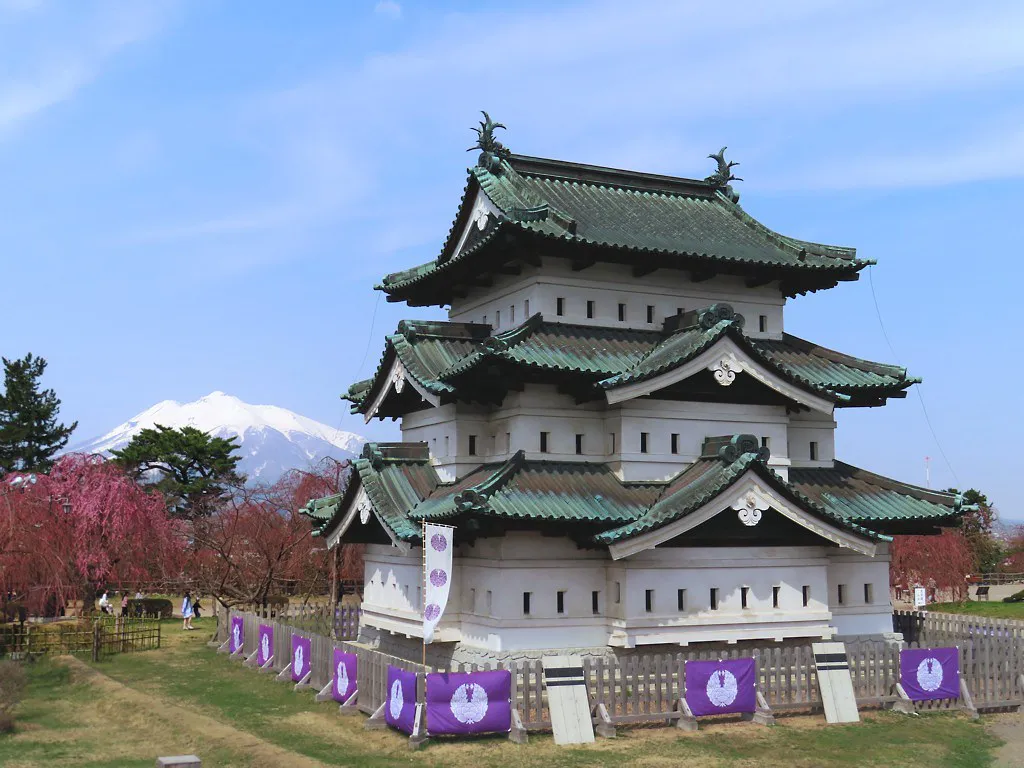
Hirosaki Castle stands as a rare treasure in northern Japan for its original Edo-period architecture. This iconic landmark serves as the centerpiece of a sprawling park filled with thousands of cherry trees. Our hirosaki castle visitor guide helps you navigate the historic grounds and unique seasonal festivals. Travelers often visit this site to see the only original castle keep remaining in the Tohoku region.
The city of Hirosaki offers much more than just a famous fortress and scenic gardens. You will find a rich history of samurai culture and delicious local apple specialties here. Exploring this area reveals a blend of traditional Japanese charm and unique Western-style buildings. Plan your visit carefully to experience the best of this northern cultural hub.
Must-See Hirosaki Attractions and Landmarks
The main tower of the castle is a primary draw for history buffs and casual tourists. Most visitors start their journey at the massive wooden gates that guard the park entrance. These structures date back centuries and showcase the power of the former Tsugaru clan. Walking through the park offers a glimpse into the defensive layout of a feudal stronghold.
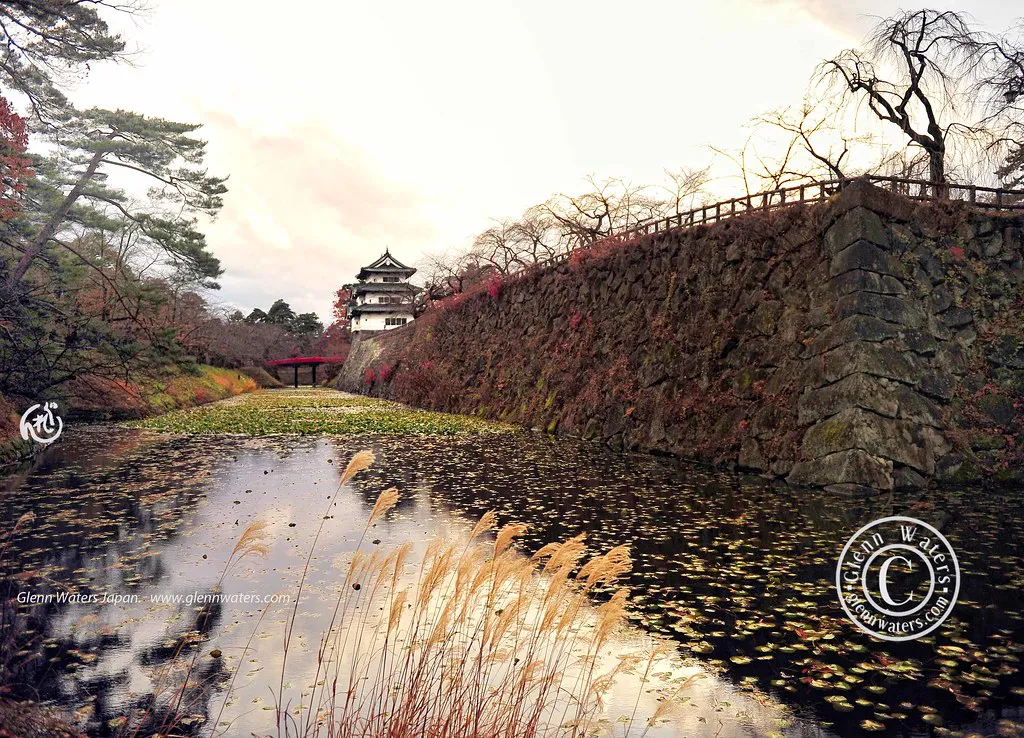
The surrounding Hirosaki Castle grounds cover a massive area perfect for long afternoon strolls. Several red bridges span the moats to create picturesque views for your travel photos. Each season brings a new look to the landscape from pink blossoms to white snow. Information boards provide historical context for the various ruins and preserved buildings.
The castle park is also home to several important cultural properties beyond the main keep. Five original gates and three corner turrets still stand in their original locations today. These buildings are designated as Important Cultural Properties by the Japanese government. Exploring these sites gives you a deeper understanding of traditional defensive architecture.
Museums, Art, and Culture: The Tsugaru Heritage
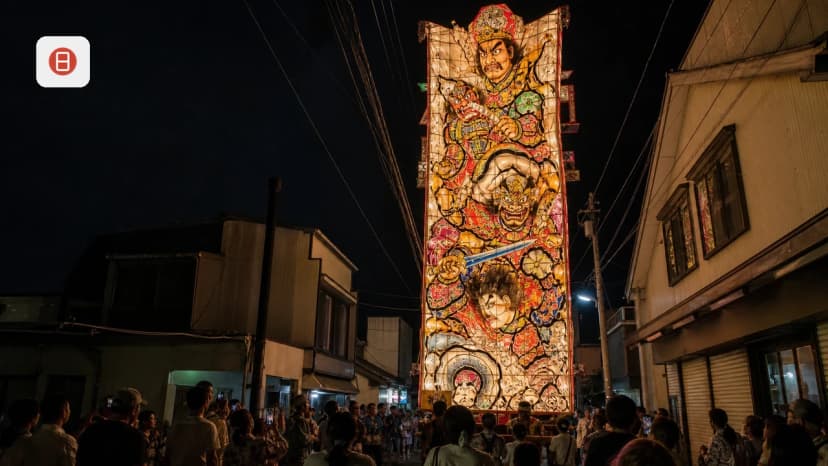
A visit to the Hirosaki Neputa Village is essential for understanding local festival traditions. This facility displays massive fan-shaped lanterns used during the summer festival season. You can watch artisans create traditional crafts like lacquerware and wooden toys here. Live performances of the Tsugaru shamisen provide a powerful musical backdrop to your visit.
The museum offers hands-on workshops where you can paint your own small lanterns. These activities are great for families looking to engage with Japanese folk art. Entry to the village costs 600 JPY per adult and includes access to all exhibits. The gift shop features unique local items that make perfect souvenirs from northern Japan.
Local history comes alive through the various exhibits detailing the life of the Tsugaru lords. Many artifacts show the intersection of daily life and military duty during the Edo period. The museum staff often provides demonstrations of traditional gold-leaf application techniques. Learning about these crafts helps preserve the unique identity of the Aomori region.
Parks, Gardens, and Outdoor Spots in Hirosaki
The Fujita Memorial Garden offers a peaceful escape with its traditional landscape design. This garden features a large pond and a beautiful Western-style house built in the 1920s. You can enjoy seasonal tea and sweets while looking out over the manicured lawns. The site is divided into an upper section and a lower section with distinct styles.
The lower garden follows a classic Japanese style with waterfalls and stone bridges. The upper garden houses the historic villa and a charming greenhouse full of plants. Walking paths connect the different areas and provide great views of Mount Iwaki. This spot is particularly beautiful during the autumn foliage season in late October.
Nature lovers should also explore the botanical garden located within the larger castle park. It features over 1,500 species of plants and trees from across the Tohoku region. The garden is a quiet place to learn about the local ecology of northern Japan. Quiet benches throughout the area provide space for reflection away from the main crowds.
Family-Friendly and Budget-Friendly Visiting Tips
Navigating the city is easy and affordable thanks to the Dotemachi Loop Bus system. A single ride on this convenient bus costs only 100 JPY for adults. The route stops at major landmarks including the castle and the main train station. Using this service saves you from long walks between the spread-out cultural attractions.
Hirosaki is known as the apple capital of Japan with many unique treats to try. Pick up a free "Apple Pie Map" at the Hirosaki Municipal Tourist Center to find local bakeries. The map rates over 40 shops based on sweetness, acidity, and crust texture. Trying different pies is a fun and low-cost way to explore the city streets.
Free volunteer guides are often available at the castle entrance to assist foreign visitors. These locals provide deep insights into the history that you might miss on your own. They usually speak several languages and can help with directions to nearby hidden gems. Booking a guide in advance ensures you have a personalized experience during peak times.
How to Plan a Smooth Hirosaki Attractions Day
Most travelers arrive via the JR Ou Line which connects Aomori Station to Hirosaki in 40 minutes. Trains run frequently throughout the day making it an easy day trip destination. The local limited express service is the fastest way to reach the city center. Check the latest schedules at the station to avoid long waits between departures.
The castle tower has specific seasonal hours that visitors should keep in mind. Entry to the keep is generally available from 9:00 AM until 5:00 PM daily. The interior is typically closed from November 24 to March 31 each year. Admission to the inner castle area costs 320 JPY per person for adults.
Luggage storage is available at the train station for those on a tight schedule. Coin lockers come in various sizes to accommodate small bags or large suitcases. Using these lockers allows you to explore the park without carrying heavy gear. Many hotels also offer luggage holding services if you arrive before your check-in time.
Aomori’s Nebuta Festival and Local Traditions
The region is famous for its summer lantern festivals which draw millions of visitors. Hirosaki hosts the Neputa Festival featuring fan-shaped lanterns with intricate paintings. This differs from the 3D human-shaped floats found at the Aomori Nebuta Festival. Both events offer a high-energy atmosphere with traditional drumming and dancing.
The Hirosaki Park cherry blossoms are another major draw during the spring season. This festival is considered one of the top three viewing spots in all of Japan. The moats become covered in pink petals to create a stunning "flower carpet" effect. Illuminations at night provide a magical perspective on the ancient trees and castle.
Winter brings the Snow Lantern Festival where hundreds of handmade lamps light the park. Local citizens build these lanterns to celebrate the beauty of the cold season. Large snow sculptures and frozen moats create a winter wonderland for evening walks. Dress warmly as temperatures in northern Japan drop significantly after the sun sets.
Hirosaki Castle: The "Moving" Edo-Era Original
The castle tower is currently famous for being a "moving" structure due to repairs. Engineers moved the 400-metric-ton building 100 meters from its original site in 2015. This massive project was necessary to repair the bulging stone walls beneath the keep. The tower now sits in the middle of the inner courtyard on temporary supports.
The repair work on the ishigaki stone walls is a meticulous and slow process. Workers must number and catalog every single stone before rebuilding the defensive wall. This ensures the historical integrity of the fortress remains intact for future generations. The tower is expected to return to its original position around 2025 or 2026.
Visitors can still enter the tower in its current temporary location during the summer. The view from the top has changed but still offers great vistas of the park. Exhibits inside the keep explain the engineering techniques used for the historic move. Seeing the castle in this state is a once-in-a-lifetime experience for many travelers.
Full-day Akita Samurai Town and Lake Tazawa Tour Options
Travelers with extra time often combine Hirosaki with a trip to nearby Akita Prefecture. The town of Kakunodate is famous for its well-preserved samurai district and black walls. It is often called the "Little Kyoto of Tohoku" due to its historical atmosphere. Direct train connections make it possible to visit both cities within a few days.
Lake Tazawa offers stunning blue water and is the deepest lake in all of Japan. The golden statue of Tatsuko on the shore is a popular spot for photography. Outdoor activities like cycling and boating are available during the warmer months. Combining these nature spots with historical tours provides a balanced travel itinerary.
Regional rail passes are the most cost-effective way to explore these distant locations. The JR East Pass (Tohoku area) covers the trains between Aomori and Akita. Plan for at least two hours of travel time between the major regional hubs. Staying overnight in Hirosaki allows you to start your journey early the next morning.
Half-Day Guided Tours to Akita and Samurai Districts
The Nakacho samurai district is located just north of the castle park boundary. This area features several preserved houses that belonged to the Tsugaru clan's warriors. Some of these residences are open to the public for free or a small fee. The district maintains its traditional Edo-period street layout and quiet atmosphere.
Walking through this neighborhood feels like stepping back in time to ancient Japan. You can see the unique architectural features like the sawara cypress hedges. These hedges served as both decorative elements and defensive barriers for the homes. Guided walking tours often include this district to show the life of the samurai.
The Ishiba Residence is one of the oldest merchant houses still standing in the area. It showcases how the local business class lived alongside the military elite. The building is a designated Important Cultural Property and serves as a local shop. Exploring these streets provides a comprehensive look at the city's social history.
Other Popular Art, Culture, and Historical Tours in Aomori
The former Hirosaki City Library is a stunning example of Meiji-era Western architecture. Its bright red roof and twin octagonal towers make it a unique local landmark. The interior houses small models of other historic Western buildings found in the city. This site is free to enter and is located near the castle's main entrance.
Several other missionary houses and schools from the late 1800s are scattered nearby. These buildings represent the city's history as an early center for international education. You can follow a dedicated walking path to see all the major Western-style sites. The contrast between these buildings and the samurai houses is quite striking.
Aomori City also offers the Wa Rasse Museum for those interested in festival floats. It is located right next to the Aomori train station for easy access. The museum allows you to see the massive 3D Nebuta floats up close year-round. Visiting both Hirosaki and Aomori gives you the full picture of regional traditions.
Frequently Asked Questions
Is Hirosaki Castle worth visiting during the renovation?
Yes, the castle is still worth visiting because the "moving" process is a unique historical event. You can see the tower in its temporary location and learn about the engineering. The surrounding park and seasonal festivals remain fully accessible to the public during this period.
How do I get to Hirosaki Castle from Tokyo?
Take the Tohoku Shinkansen from Tokyo to Shin-Aomori Station, which takes about three hours. Transfer to a local train on the JR Ou Line for a 30-minute ride to Hirosaki. From the station, take the 100 yen loop bus directly to the castle park entrance.
What is the best time to see cherry blossoms in Hirosaki?
The best time is usually from late April to early May. The peak bloom often coincides with Japan's Golden Week holidays. You can check the Hirosaki cherry blossom guide for specific annual forecast updates and festival event schedules.
Can you go inside Hirosaki Castle in winter?
The castle park remains open in winter, but the interior of the tower keep is closed. This closure typically lasts from November 24 through March 31. You can still enjoy the Snow Lantern Festival and view the exterior of the castle during these months.
Hirosaki Castle remains a top destination for anyone traveling through the Tohoku region. Its unique status as a moving castle makes it a fascinating site for history and engineering fans. The combination of seasonal beauty and deep cultural heritage ensures a memorable visit. Plan your trip today to experience one of Japan's most beautiful and historic cities.
For authoritative information, refer to the Hirosaki Castle official site and Hirosaki Castle on Wikipedia.