Fujita Memorial Garden stands as a premier destination for travelers exploring the historic city of Hirosaki in Aomori Prefecture. This sprawling landscape offers a unique blend of traditional Japanese aesthetics and early twentieth-century Western architectural influences. Visitors often find themselves enchanted by the serene atmosphere and the meticulously maintained greenery across the upper and lower levels.
Finding your way through this historic site requires a bit of planning to ensure you see every hidden corner and viewpoint. Our comprehensive fujita memorial garden visitor guide provides the essential details needed to maximize your time in this northern Japanese gem. You will discover the best spots for photography and the most efficient routes to take through the diverse garden sections.
Whether you are a fan of historic architecture or peaceful nature walks, this site offers something special for every type of traveler. Prepare to explore a space where the rugged beauty of Mount Iwaki meets the refined elegance of the Taisho Era. Let us dive into the history and practical tips that make this garden a highlight of any Hirosaki travel guide.
History and Legacy of the Fujita Memorial Garden
The origins of this magnificent site date back to 1919 when it was commissioned by the successful businessman Fujita Kenichi. Fujita was a prominent figure in the Japanese financial world and served as the first president of the Japan Chamber of Commerce. He hired skilled architects from Tokyo to design a residence and garden that reflected his high status and sophisticated tastes.
The construction took place during the Taisho Era, a period known for its fascinating fusion of Eastern and Western cultural styles. This influence is clearly visible in the buildings that still stand on the grounds today, showcasing a unique historical architectural snapshot. The garden serves as a living museum where visitors can experience the lifestyle of Japan's elite during the early 20th century.
Following decades of private use, Hirosaki City undertook a massive restoration project to preserve the site for the general public. The garden officially opened its gates to visitors in the summer of 1991 after careful work to restore its original beauty. Local authorities continue to maintain the grounds with high standards to ensure the legacy of Fujita Kenichi remains intact for future generations.
Exploring the Upper Garden and Mt. Iwaki Views
The upper section of the garden is famous for its masterful use of shakkei, a technique known as borrowed scenery. Designers carefully positioned the landscape features to frame the distant, snowcapped peak of Mount Iwaki within the garden's own borders. This creates a stunning visual illusion that makes the massive mountain feel like a natural part of the immediate garden scenery.
Many visitors enter through the East Gate, which provides the most direct access to the expansive lawns of the upper garden. Starting your journey here allows you to appreciate the open spaces before descending into the more enclosed, traditional lower sections. This route also ensures you do not miss the impressive Western-style villa that sits prominently on this higher elevation level.
Photographers should prioritize visiting this area during the early morning hours when the light hits Mount Iwaki most favorably. Clear days offer the best visibility, though the mountain often wears a dramatic cap of clouds that adds a different atmosphere. Take a moment to sit on the benches provided to fully absorb the scale of the landscape before continuing your exploration.
The Lower Garden: A Traditional Strolling Path
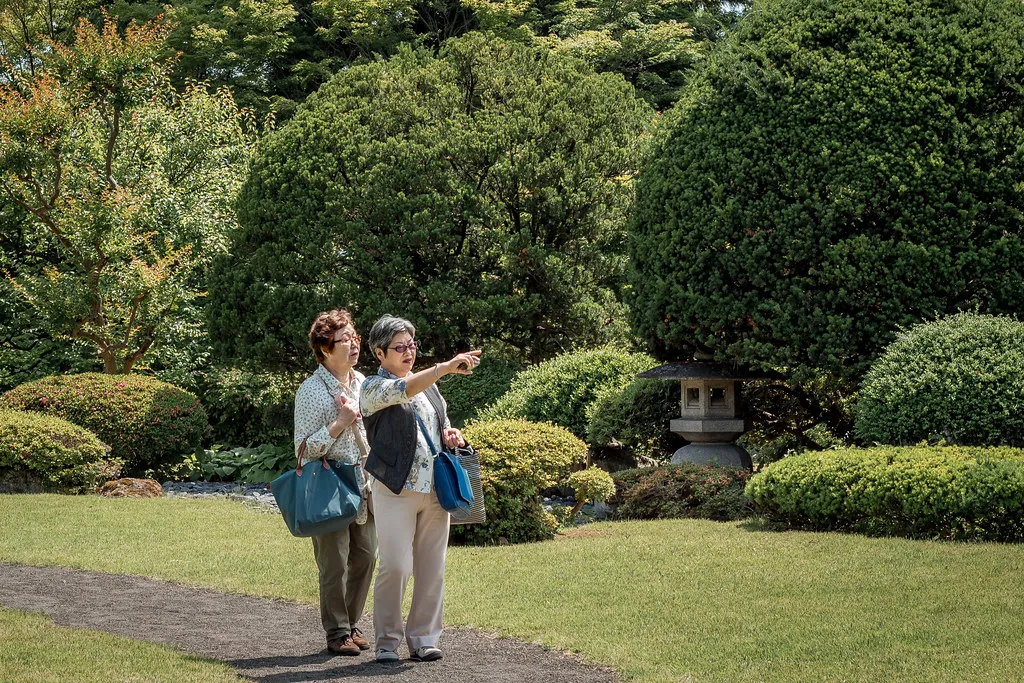
Descending from the upper level brings you into a classic Japanese strolling garden that feels worlds away from the open lawns. The lower garden features a complex system of streams, waterfalls, and ponds that create a soothing soundtrack for your walk. Narrow paths wind through dense trees and over small bridges, offering a sense of discovery at every turn of the trail.
One of the most iconic sights in this section is the bright red bridge that spans a peaceful iris pond. During the early summer months, the blooming irises add vibrant splashes of purple and white to the lush green surroundings. This area is particularly popular for traditional photography, as the bridge provides a perfect focal point against the natural backdrop.
The layout of the lower garden can feel slightly disorienting due to its many intersecting paths and varied elevation changes. Following the main loop in a clockwise direction is often the best way to see all the major water features. Keep an eye out for the small stone lanterns and hidden statues that are tucked away among the ferns and mossy rocks.
Architectural Highlights: The Yokan and Wakan Buildings
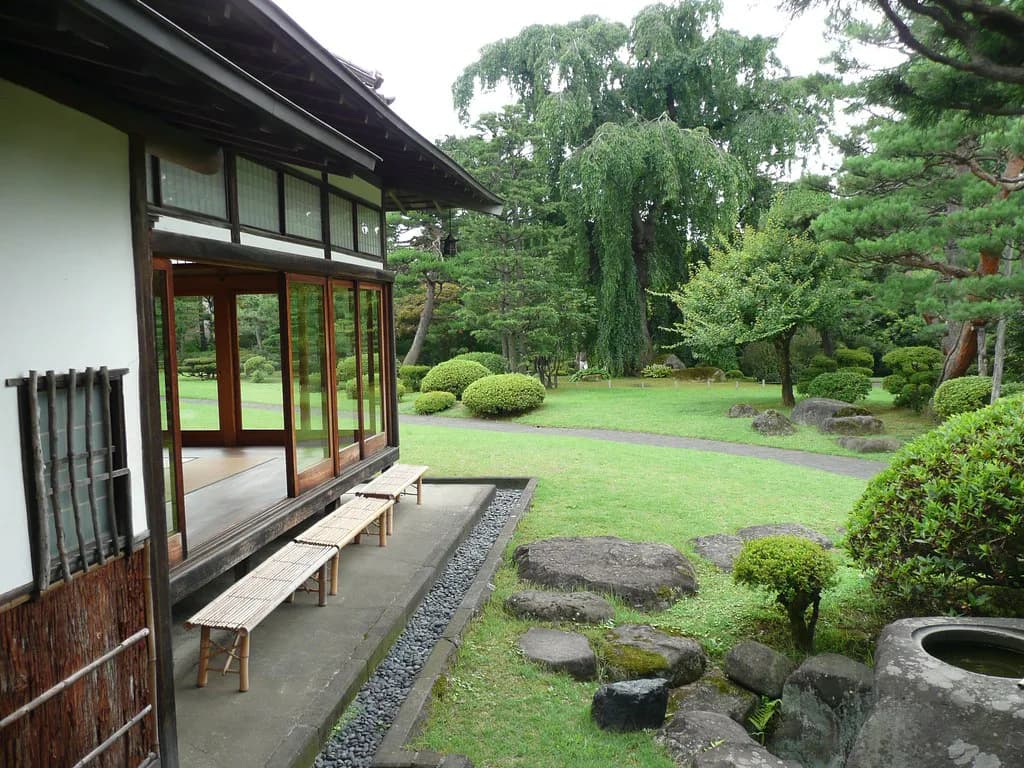
The garden is home to two distinct villas that represent the architectural duality of the Taisho Era in Japan. The Yokan is a Western-style building featuring red bricks, high ceilings, and elegant stained glass windows that evoke European designs. In contrast, the Wakan is a traditional Japanese-style villa with tatami mat floors, sliding paper doors, and a quiet tea room.
Inside the Yokan building, you will find a charming cafe that has become a must-visit spot for any local traveler. This cafe is famous for serving various types of apple pie, celebrating Hirosaki's reputation as the apple capital of Japan. Pairing a warm slice of pie with a cup of local tea while looking out at the garden is a highlight for many.
The Wakan villa offers a more meditative experience where you can sit quietly and appreciate the view of the inner courtyard. Art exhibitions are occasionally held within these traditional rooms, showcasing local crafts and historical artifacts from the Aomori region. Walking through both buildings allows you to feel the transition between different cultural worlds that defined elite life a century ago.
- The Western-Style Yokan Villa
- Style: Taisho Era European
- Feature: Stained glass windows
- Highlight: Garden view cafe
- Cost: Free with admission
- The Japanese-Style Wakan Villa
- Style: Traditional Shoin-zukuri
- Feature: Tatami mat rooms
- Highlight: Peaceful tea house
- Cost: Free with admission
Practical Visitor Info: Fees, Hours, and Best Seasons
Planning your visit requires checking the current operating hours and seasonal changes to avoid any disappointment upon arrival. The garden typically opens daily from 9:00 AM until 5:00 PM, though the last entry is usually thirty minutes before closing. According to the Hirosaki City Official Tourism PDF, the standard adult admission fee is 320 yen.
Spring is perhaps the most popular time to visit when the cherry blossoms in the surrounding area are in full bloom. The garden provides a quieter alternative to the nearby crowds at the Hirosaki Park cherry blossoms festival. Autumn is equally stunning as the many maple trees throughout the lower garden turn brilliant shades of red and orange.
Winter visits offer a different kind of beauty as the garden is often covered in a thick blanket of white snow. The traditional Yukitsuri rope structures are installed on the trees to protect them from the heavy northern Japanese winter snowfall. Be aware that some paths in the lower garden may be slippery or closed during periods of extreme winter weather conditions.
How to Get There: Access from Hirosaki Station
Reaching the garden from Hirosaki Station is straightforward whether you prefer public transportation or a brisk walk through the city. The most convenient option for many travelers is the Dotemachi Loop Bus, which costs only 100 yen per ride. Get off at the Shiyakusho-mae stop, which is located just a short walk from the garden's main entrance gates.
If you are coming from further away, the JR Ou Line provides frequent connections from major cities like Aomori and Akita. Travelers should consult the JR East Ou Line Schedules to plan their arrival and departure times accurately. The train ride from Aomori takes about 45 minutes and offers scenic views of the rural landscape along the way.
Walking from Hirosaki Station to the garden takes approximately 30 minutes if you enjoy exploring urban areas on foot. This route allows you to see local shops and smaller historic buildings that you might miss when riding the bus. Taxis are also readily available outside the station for those who prefer a more direct and private transport option.
- JR Ou Line from Aomori
- Time: 45 minutes
- Cost: 670 yen
- Frequency: Every 30-60 minutes
- Best for: Regional travelers
- JR Ou Line from Akita
- Time: 160 minutes
- Cost: 2,590 yen
- Frequency: Limited express options
- Best for: Long-distance trips
- Dotemachi Loop Bus
- Time: 15 minutes
- Cost: 100 yen
- Stop: Shiyakusho-mae
- Best for: Local budget travel
Nearby Attractions: Hirosaki Castle and Beyond
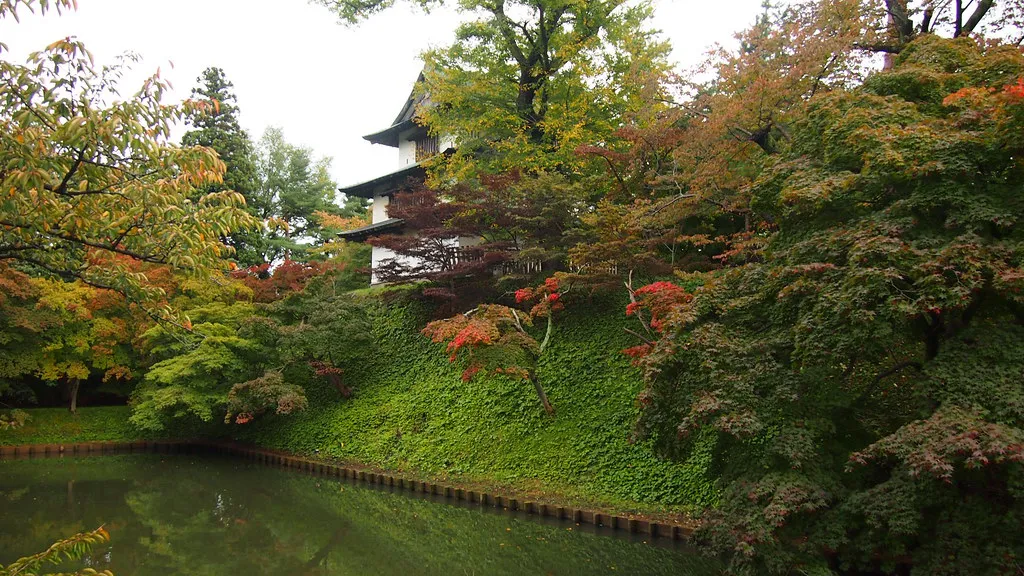
The garden is located directly adjacent to the famous Hirosaki Castle, making it easy to visit both in a single afternoon. You can walk between these two sites in less than five minutes, allowing for a very efficient sightseeing itinerary. The castle grounds are expansive and offer many historical gatehouses and fortified walls to explore at your own leisure.
A short distance away, you can find the Nakacho Samurai District with its well-preserved traditional residences. Walking through these historic streets feels like stepping back into the Edo Period of Japanese history. Many of these former samurai homes are open to the public and provide a fascinating look at ancient warrior life.
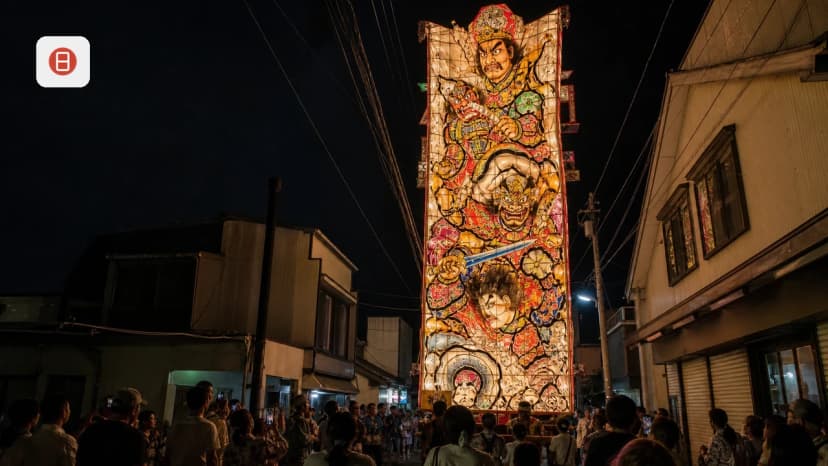
For those interested in local festivals, the Hirosaki Neputa Village is another excellent stop located within walking distance. This facility showcases the massive, fan-shaped floats used during the city's vibrant summer festival celebrations. Combining these sites into one Hirosaki travel guide itinerary provides a complete picture of the city's rich culture.
Frequently Asked Questions
How long does it take to walk through Fujita Memorial Garden?
Most visitors spend between 60 and 90 minutes exploring both the upper and lower garden sections. If you plan to enjoy a meal at the cafe inside the Yokan villa, you should budget at least two hours for your total visit. The varied terrain and paths invite a slower pace for photography.
Is Fujita Memorial Garden free to enter?
No, there is a small admission fee of 320 yen for adults to enter the garden grounds. Children and seniors may be eligible for discounted rates upon presenting valid identification. This fee helps support the ongoing maintenance and preservation of the historic Taisho-era buildings and landscaping. Hirosaki travel guide tips often suggest checking for combined tickets.
What is the best time of year to visit Hirosaki?
Late April is the most famous time to visit for the cherry blossom season, but autumn in late October is equally beautiful. The garden's maple trees create a stunning display of fall colors that attract many photographers. Each season offers a unique atmosphere, from summer irises to winter snowscapes.
Can you see Mt. Iwaki from Fujita Memorial Garden?
Yes, the upper garden is specifically designed to offer clear views of Mount Iwaki using the borrowed scenery technique. On clear days, the mountain peak provides a dramatic backdrop to the Western-style lawns and villa. It is one of the most famous viewpoints in the entire city of Hirosaki.
Fujita Memorial Garden is an essential stop for anyone visiting Hirosaki who appreciates history, architecture, and natural beauty. The contrast between the Western villa and the traditional Japanese strolling garden offers a fascinating look at the Taisho Era. You will find that the peaceful atmosphere provides a perfect escape from the busier tourist spots in the city center.
Remember to try the local apple pie at the garden cafe to truly experience the flavors of Aomori Prefecture. With its convenient location near the castle, this site fits perfectly into any day trip or weekend itinerary. We hope this fujita memorial garden visitor guide helps you plan an unforgettable journey to this historic northern Japanese landmark.
For official details, visit the Fujita Memorial Garden on Wikipedia.