Hirosaki Castle Travel Guide
Plan hirosaki castle with top picks, neighborhood context, timing tips, and practical booking advice for a smoother trip.
On this page
Hirosaki Castle stands as a proud symbol of northern Japan within the scenic Aomori Prefecture. This historic site features one of the few remaining original castle towers in the entire country. Visitors often flock to the grounds to experience deep history and stunning seasonal views. The massive park surrounding the keep offers a peaceful escape for travelers and locals alike.
Exploring the grounds allows you to step back into the Edo period of Japanese history. The complex includes ancient gates, fortified moats, and beautiful bridges that span the water. Many travelers consider this destination a top priority when visiting the Tohoku region. Planning your visit to 10 Best Things to Do in Hirosaki helps you see the best spots efficiently.
The castle remains famous for its incredible cherry blossom displays during the spring months. Winter also brings a magical atmosphere with snow-covered walls and glowing lanterns. You will find a unique mix of nature and history in every corner of the park. This guide provides everything you need to know for a perfect trip to this landmark.
Useful resources: Japan Guide's Hirosaki page and Wikipedia's Hirosaki overview have up-to-date access and background details.
Must-See Hirosaki Attractions
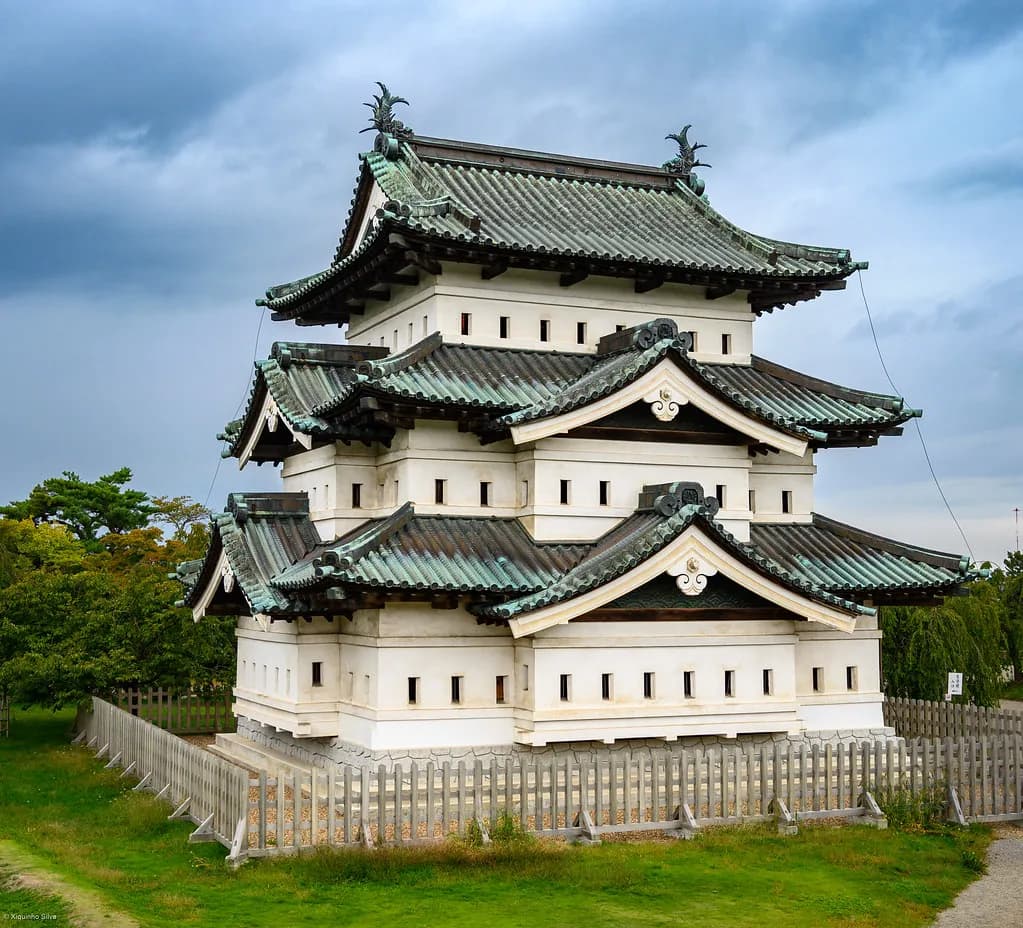
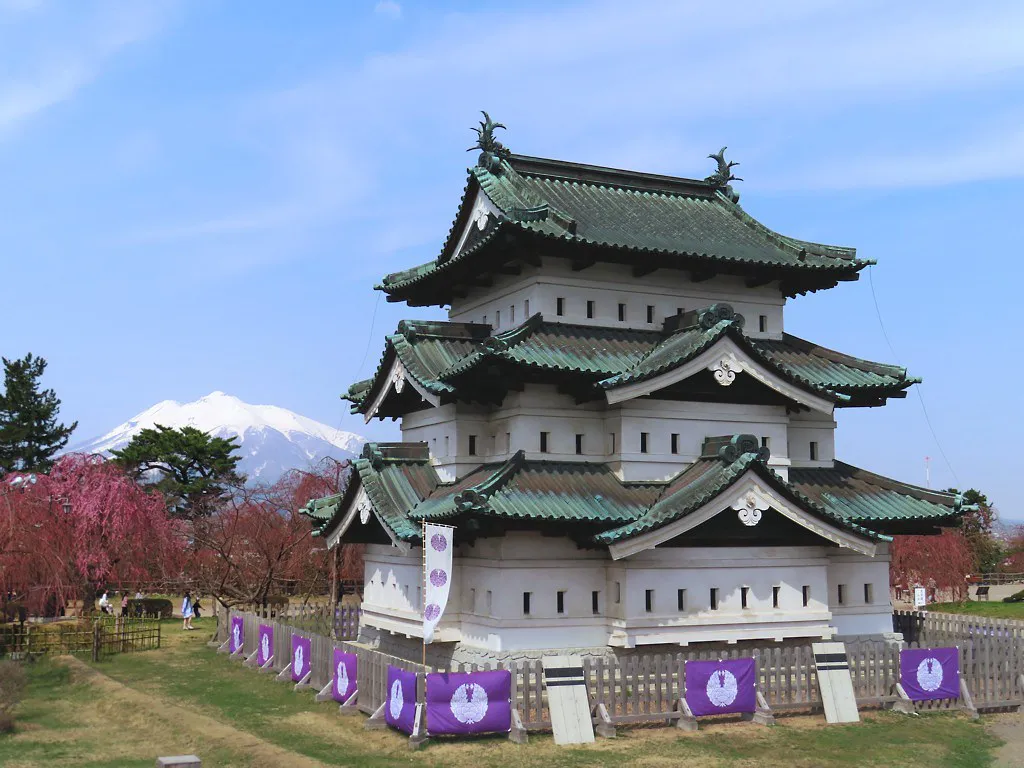
The main highlight of the park is the original three-story castle keep. It is one of only twelve towers in Japan that survived since the feudal era. You can enter the wooden structure to see historical artifacts and steep stairs. Check the official site for updated entry hours and ticket prices.
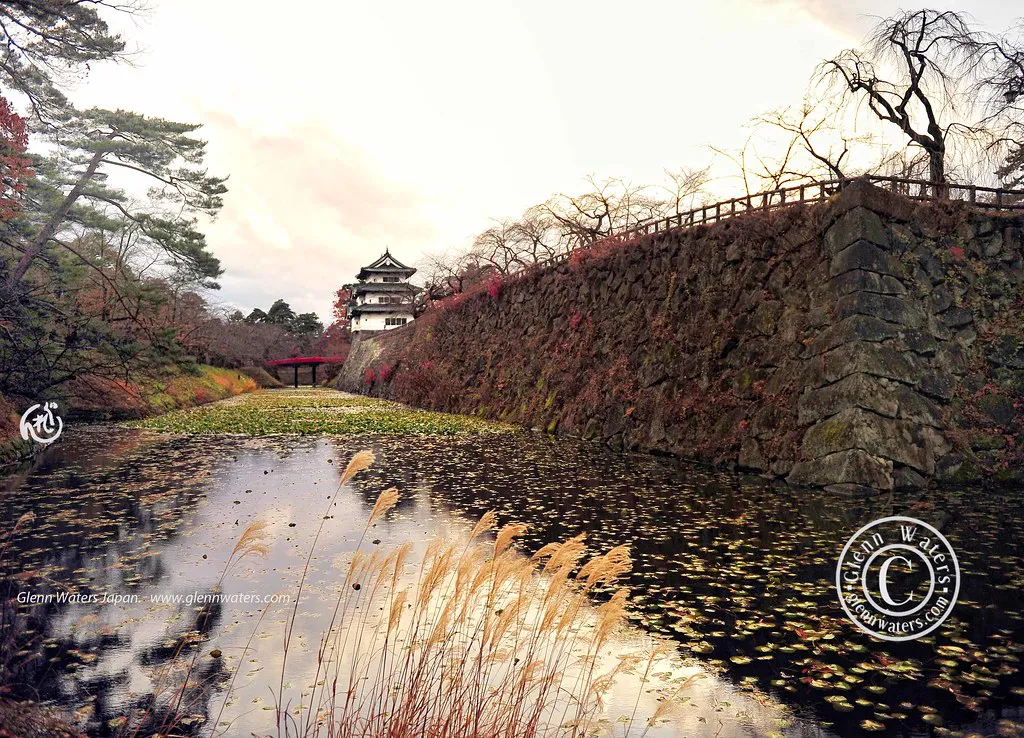
Five massive gates guard the various entrances to the inner castle grounds. These heavy wooden structures show the defensive power of the Tsugaru clan. Walking through these gates makes you feel like a samurai from centuries ago. The gates — including the Otemon Gate and the North Gate — are all designated Important Cultural Properties.
Bright red bridges cross the moats and connect the different park islands. The Gejo-bashi Bridge offers the most famous view of the castle keep. Photographers often wait here to capture the perfect reflection in the water. These bridges serve as iconic landmarks within the vast green space.
The stone walls of the castle are currently undergoing a major renovation project. Engineers moved the entire keep several meters to allow for wall repairs. You can still see the tower in its temporary position during your 2026 visit. This rare sight provides a unique look at Japanese architectural engineering.
Hirosaki's Original Castle Keep
Hirosaki Castle is one of only a dozen surviving medieval strongholds to have made it through the Meiji period intact. While many other keeps were dismantled or burned, Hirosaki's three-story tower and several gates survived. The Japan Castle Foundation has named it one of the "100 Best Castles in Japan." Set against the snow-dusted cone of Mt. Iwaki and surrounded by pink weeping cherry trees, the keep is genuinely striking from any angle.
For history enthusiasts, the keep was built in the Hirayama-style, meaning it sits atop a low hill rather than a steep mountaintop. Construction began in 1603 under the first Tsugaru lord Tamenobu and was completed in 1611. The current three-story structure is a 1810 rebuild following a lightning strike, making it younger than Himeji or Matsumoto but no less authentic. The surrounding moats, earthworks, and three turrets — Ushitora, Tatsumi, and Hitsujisaru — all date to the early Edo period.
Entry to Hirosaki Castle Park itself is free. To enter the keep and walk its steep interior stairs, you pay a small admission fee. When buying your ticket, always choose the combination ticket that bundles the keep with the Botanical Garden — it costs around ¥520 total and saves money versus buying separately. English pamphlets are available inside, though exhibit labels are primarily in Japanese.
The Hirosaki Cherry Blossom Festival
By almost any measure, the Hirosaki Cherry Blossom Festival is the best reason to visit the park. The grounds hold roughly 2,600 cherry trees ranging from standard Somei Yoshino to Shidare-zakura weeping varieties. The festival runs from when the first buds crack open in mid-to-late April through early May when the last petals fall. The park grounds are free to enter throughout this period, making it one of the finest free experiences in all of Japan.
What sets Hirosaki apart from other cherry blossom spots in Japan is what happens to the moats. As petals fall — especially after wind or rain — they settle on the surface of the water and create a solid carpet of pink. This phenomenon, called Hanafubuki (flower blizzard), turns the triple moats into something that looks painted. The petal-filled moat near the western keep is the shot every photographer chases, and it is actually better post-peak than at full bloom when the trees are still heavy with petals.
During the festival, food stalls line the paths with takoyaki, apple cider, and hot apple pie. There is even a haunted house inside the grounds in some years. Rental rowboats operate in the western moat — drifting through a tunnel of falling pink petals is as romantic as it sounds. Look for the heart-shaped hole in the stone wall just past the Sugi-no-Ohashi Bridge, which has become a popular photo spot. Stay after dark: the illuminated blossoms at night are arguably more beautiful than anything you will see during the day. Check the 8 Things to Know About the Hirosaki Cherry Blossom Festival before you go to understand peak dates and crowd patterns.
One practical warning: Shinkansen reservations and hotel rooms in Hirosaki City sell out weeks in advance for the festival period. If you cannot find accommodation in Hirosaki, book in Aomori City (about 40 minutes away by train) and commute in. Spring is also when buses to the park get extremely crowded — walking from JR Hirosaki Station takes about 20 minutes and is often faster than waiting for the shuttle.
The Hirosaki Castle Botanical Garden
After exploring the keep, cross to the southern edge of the park to find the Hirosaki Castle Botanical Garden. The garden holds over 1,500 different plant species spread across around ten distinct themed areas. Each area showcases a different type of flora — from peonies and irises in early summer to chrysanthemums in autumn. The result is a garden that changes character with every visit, unlike the more static appeal of the castle itself.
During the cherry blossom festival, the botanical garden offers a genuine relief valve from the main park crowds. Photographers who have already shot the famous moat views head here for quieter, cleaner compositions among the seasonal plantings. In summer, the grounds fill with lush greenery and bold blooms that make the garden worth a standalone trip. Entry is included in the combination ticket with the castle keep at around ¥520 total.
The garden closes during winter when snow blankets the grounds, but any warm month from April through November is a worthwhile time to visit. Spring visitors arrive just as early peonies begin to emerge alongside the last of the cherry blossoms. This layered blooming schedule means the botanical garden's season extends well beyond the two-week peak that dominates the rest of the park's calendar.
The Snow Lantern Festival of Hirosaki City
Hirosaki Castle Park draws visitors across three distinct seasons, not just spring. The Snow Lantern Festival, typically held in early February, transforms the grounds into one of the most atmospheric winter events in Tohoku. Hundreds of handmade snow lanterns and kamakura-style snow huts are lit from within after dark, casting soft glowing light across the frozen moats and the stone walls of the keep. The combination of snow, lanterns, and the silhouetted castle makes for photographs that look almost unreal.
Scattered throughout the park are elaborately carved snow sculptures, often featuring traditional motifs or famous characters, each illuminated at night. Food stalls serve up wintertime Aomori specialties — warming soups, grilled skewers, and hot apple cider — keeping the event comfortable even in below-freezing temperatures. The festival draws visitors from across Japan who come specifically for this event. Because most foreign travelers associate Hirosaki only with cherry blossoms, the winter festival sees far smaller crowds and a more local atmosphere.
Autumn is also quieter and very pretty. The castle grounds turn amber and red in October and November. Leaf-viewing (koyo) here is underrated compared to the spring crowds, and accommodation is easy to find without weeks of advance booking. Any season except summer heat is worth considering for a Hirosaki visit in 2026.
The Flavors of Aomori Prefecture
No trip to Hirosaki Castle is complete without engaging with the local food culture. Aomori Prefecture produces roughly half of all apples grown in Japan, and the area around Hirosaki is at the center of that industry. During the cherry blossom festival, temporary stalls inside the park sell fresh apple pies, apple ciders, and apple-flavored soft cream. These sell out early — by early afternoon on busy festival days, the best vendors are often cleaned out, so buy your apple pie before you do anything else.
Beyond apple pie, local cafes near the castle serve hot apple pies year-round. Taisho Roman Tea Room is one well-known spot for a sit-down apple dessert experience. More adventurous eaters can seek out apple curry and apple-infused ramen, which appear on menus throughout the city. The apple goods here reflect genuine local pride in the product, not tourist-facing novelty — the quality is consistently high.
The park itself also contains permanent food and souvenir buildings near the main gate. If you want to try the hirosaki apple pie in a relaxed setting without festival crowds, visiting outside of late April to early May gives you the same flavors at a fraction of the wait. Pair your visit with a stop at the Tsugaru-han Neputa Village next to the castle park, where you can watch live shamisen performances and pick up high-quality lacquerware as souvenirs.
Museums, Art, and Culture in Hirosaki
The Tsugaru-han Neputa Village sits right next to the castle park grounds. This museum showcases the massive glowing floats used in the summer Neputa Festival. You can watch live demonstrations of traditional drumming, flute music, and shamisen. Learning about Hirosaki Neputa Festival: 8 Essential Things to Know adds deep cultural context to your trip.
Local craftsmen display their skills within the cultural village area. You can see how artisans create beautiful lacquerware and wooden toys using patterns that represent the artistic heritage of the Tsugaru region. Many visitors spend more time here than expected and leave with handmade items that are far more distinctive than standard souvenir shop stock.
The Hirosaki City Museum offers more detailed history about the local area. Exhibits explain the life of the samurai who once lived near the castle, with displays of ancient armor, weapons, and maps of the old town. The museum provides a quiet, air-conditioned space to reflect on the city's long past — a useful mid-day stop during hot summer visits when the park grounds become exposed and bright.
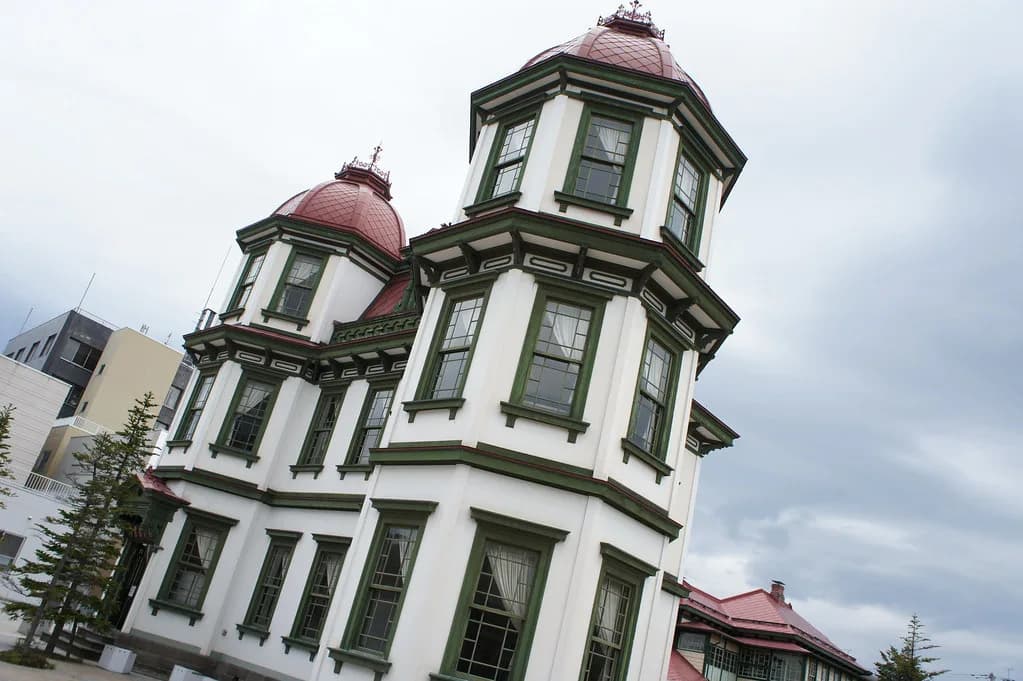
Hirosaki is also known for its collection of Meiji-era western-style buildings. A number of brick churches and former government offices from the late 19th century survive in walking distance of the castle, giving the city a layered historical feel that most Japanese castle towns lack. Ask at the tourist information desk inside JR Hirosaki Station for a free map of these buildings.
Parks, Gardens, and Outdoor Spots in Hirosaki
The park covers over 49 hectares — roughly ten times the size of the Tokyo Dome — divided into six distinct quarters. Wide paths allow visitors to walk comfortably through each section. You will find many quiet spots for a picnic under tall ginkgo trees, including a famous 120-year-old Somei Yoshino cherry tree and the renowned Otaki Zakura weeping cherry tree named by woodblock print master Shiko Munakata.
The park is encircled by triple moats, which serve different purposes at different times of year. In spring they fill with fallen cherry petals; in summer they reflect green hillsides; in winter they freeze and catch the light of snow lanterns. The moat-side walking paths are wide enough to be pleasant on even the busiest festival days if you stick to the outer rings rather than pressing toward the keep itself.
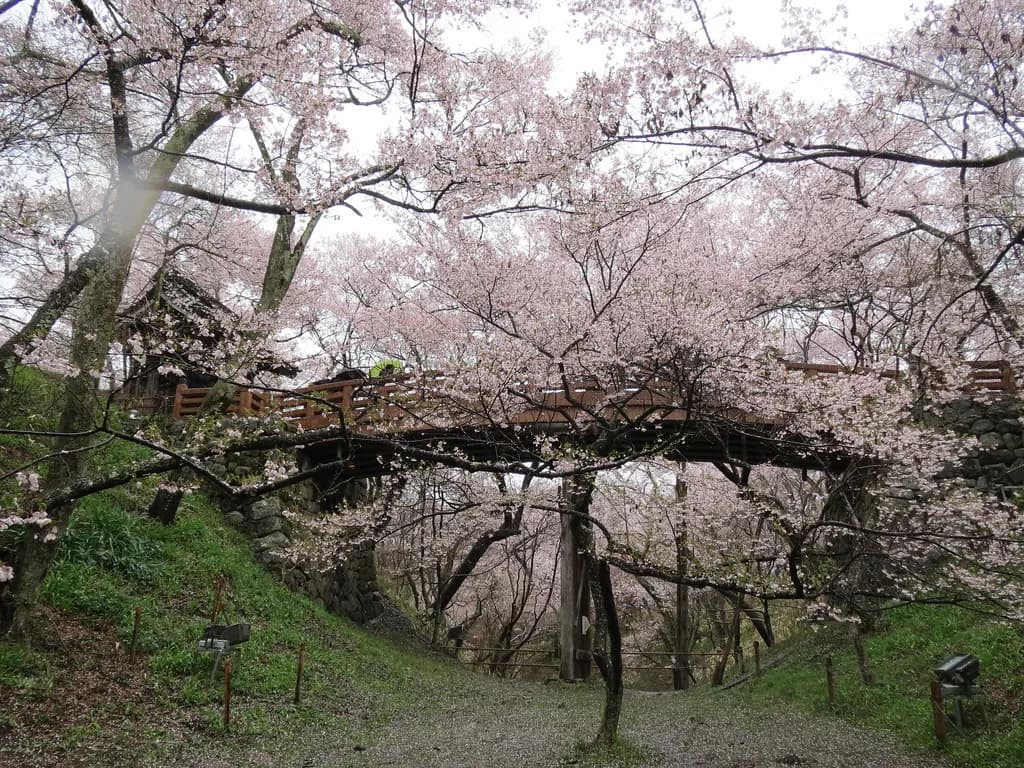
The Cherry Blossom Tunnel is a particular highlight during late April. Walking through the arching canopy of weeping cherry trees toward the Shunyo-bashi Spring Sun Bridge gives you the best angle on the boat pier and the inner moat beyond. Gokoku Shrine — the prefectural branch of Yasukuni Shrine — sits within the park grounds and is worth a few quiet minutes, particularly for the hundreds of yellow lanterns that appear during festival events.
Family-Friendly and Budget-Friendly Options in Hirosaki
Most of the park grounds are free for the public to enjoy year-round. You only need to pay a small fee to enter the inner keep area (around ¥320), with the combo ticket for the keep and botanical garden at roughly ¥520. Families can let children run safely in the wide open spaces across six quarters and multiple paths. Budget travelers will find this a very affordable way to spend a full day.
The city offers rental bicycles for a low daily rate. Cycling around the castle perimeter is a fast and fun way to explore, and flat paths make it accessible for people of all ages. This option helps families see more of the castle town without tiring feet. During the cherry blossom festival, cycling is also often faster than navigating the crowded pedestrian areas near the main gate.
Outside of festival season, Hirosaki is relaxed and very walkable. The park is about 20 minutes on foot from JR Hirosaki Station along a flat, well-signed route. First-time visitors are often surprised by how much there is to see beyond the castle itself: the moats, the turrets, the botanical garden, the shrine, and the Neputa Village can easily fill four to five hours without spending much money at all.
How to Plan a Smooth Hirosaki Attractions Day
From Tokyo, take a Hayabusa Shinkansen to Shin-Aomori Station — the journey takes around three hours. From Shin-Aomori, the Ou Line train to JR Hirosaki Station takes about 40 minutes and passes Mt. Iwaki, the "Mt. Fuji of Tsugaru," on the way. If you plan to visit during cherry blossom season, book the Shinkansen as far in advance as possible — trains fill quickly in late April. The JR East Pass (Tohoku Area) costs around ¥30,000 and covers the round trip from Tokyo plus travel to other Tohoku destinations, making it worthwhile if you plan more than one stop.
From JR Hirosaki Station, you can take a local bus or walk about 20 minutes to reach the castle gates. During the cherry blossom festival, walking is usually faster than waiting for the bus. The path to the castle is well-signed with English and Japanese markers, so navigation is straightforward even without data on your phone.
Arriving early in the morning helps you avoid the largest tour groups. The park is most peaceful before 09:00, and the keep queue can reach 30–40 minutes of waiting by mid-morning on busy festival days. Buy your combination ticket (keep + botanical garden) at the main gate rather than inside to avoid a second queue. Consider spending the morning at the castle, then moving to the Neputa Village and lunch before the afternoon crowds thicken. Check the Hirosaki From Aomori: Complete Travel & Transport Guide for transport logistics if you are staying outside the city.
For the 2026 season, verify current opening hours and any renovation-related closures at the official park site before you travel. The keep has been periodically moved or restricted during ongoing stone wall repairs, and the access path to the main stone base changes with the construction phase.
Frequently Asked Questions
Is Hirosaki Castle worth visiting?
Yes, Hirosaki Castle is definitely worth visiting for its original keep and massive park. It offers one of the best cherry blossom festivals in the world. You can also explore local culture and history in a relaxed northern setting. Check the when to visit Hirosaki for the best experience.
Which is the most beautiful castle in Japan?
Many travelers consider Hirosaki Castle among the most beautiful due to its seasonal surroundings. While Himeji Castle is famous for its size, Hirosaki excels in natural beauty. The combination of red bridges and blossoms creates a stunning visual scene. It is a top pick for photographers.
What is Hirosaki known for?
Hirosaki is primarily known for its historic castle and being Japan's top apple producer. The city hosts famous festivals like the Neputa and Cherry Blossom events. You will also find unique western-style architecture from the Meiji era throughout the town. It is a cultural hub of Aomori.
Is Hirosaki Castle original?
The main tower of Hirosaki Castle is an original structure from 1810. It is one of only twelve such towers remaining in Japan today. Several gates and moats also date back to the early Edo period. This makes it a highly significant historical site for visitors.
Hirosaki Castle offers a unique journey into the heart of Japanese history. The combination of an original keep and vast parkland makes it special. You will find beauty here whether you visit in spring, summer, or winter. It remains a top destination for anyone exploring the northern Tohoku region.
Plan your trip carefully to make the most of the local attractions. Don't forget to try the local apple treats while you explore the town. The peaceful atmosphere of the castle grounds will stay with you forever. We hope this guide helps you have an amazing visit to Hirosaki.
Free guide: Japan's Hidden Gems
12 under-the-radar places beyond Tokyo & Kyoto — with the best season to visit each and a local tip you won't find in the guidebooks.
You might also like


Continue reading
More guides you'll find useful