Aomori Bay Bridge And A-factory Travel Guide
Plan aomori bay bridge and a-factory with top picks, neighborhood context, timing tips, and practical booking advice for a smoother trip.
On this page
The the Aomori Bay Bridge stands as a striking symbol of modern engineering right next to the vibrant the A-Factory market hall marketplace. Visitors often start their journey at this harbor district to experience the unique blend of industrial design and local culture. This area serves as the gateway to the city for many travelers arriving by train or ferry.
Exploring the Aomori Bay Bridge and A-Factory allows you to see the best of the waterfront in a single afternoon. You can browse through artisanal shops before walking across the massive cable-stayed structure for panoramic views. These landmarks offer a perfect introduction to the charms of northern Japan.
Planning your visit to these Things To Do In Aomori ensures you capture the most scenic parts of the city skyline. Whether you are looking for local apple products or architectural photography, this district delivers exceptional value. Let us dive into the details of navigating these iconic city spots.
Useful resources: Japan Guide's Aomori page and Wikipedia's Aomori overview have up-to-date access and background details.
Must-See Aomori Attractions
The waterfront district is home to some of the most recognizable landmarks in northern Japan. You will find the sleek lines of the bridge contrasting beautifully with the triangular shape of the nearby ASPAM building. This cluster of sights makes it very easy to explore multiple points of interest on foot.
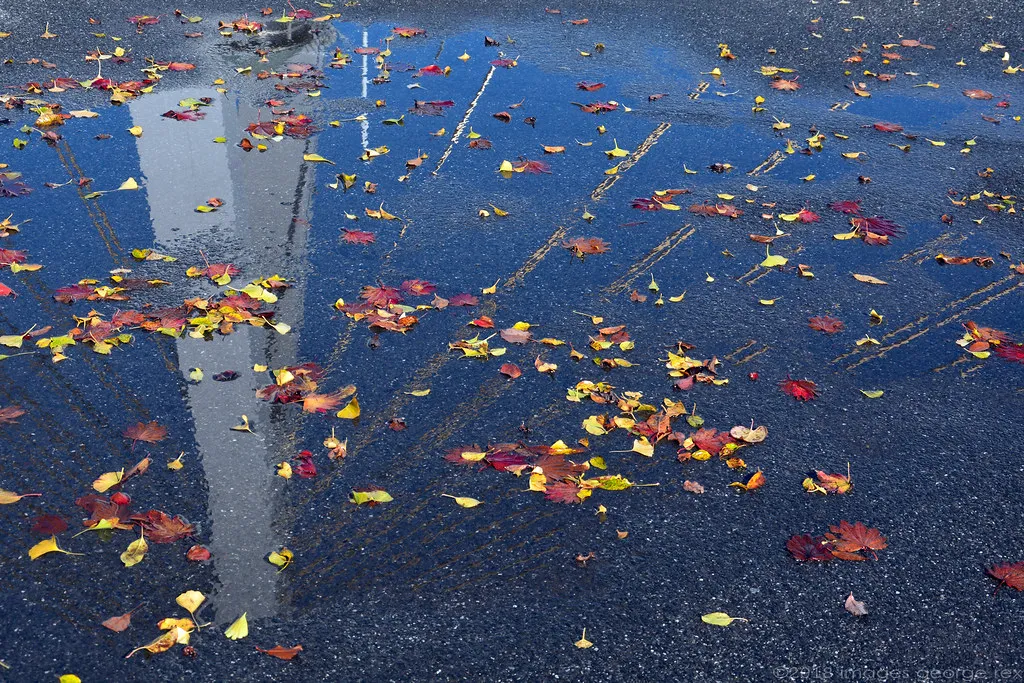
A-Factory is a stylish shopping mall that celebrates the famous apples grown in this prefecture. Inside, you can watch the production of sparkling cider through large glass windows while sampling fresh local snacks. It is a fantastic place to pick up high-quality souvenirs and artisanal food items.
Walking along the harbor allows you to appreciate the scale of the bridge and the bustling port activity. The promenade is well-maintained and provides plenty of benches for those who want to soak in the sea breeze. Many visitors find this area to be the most relaxing part of their city itinerary.
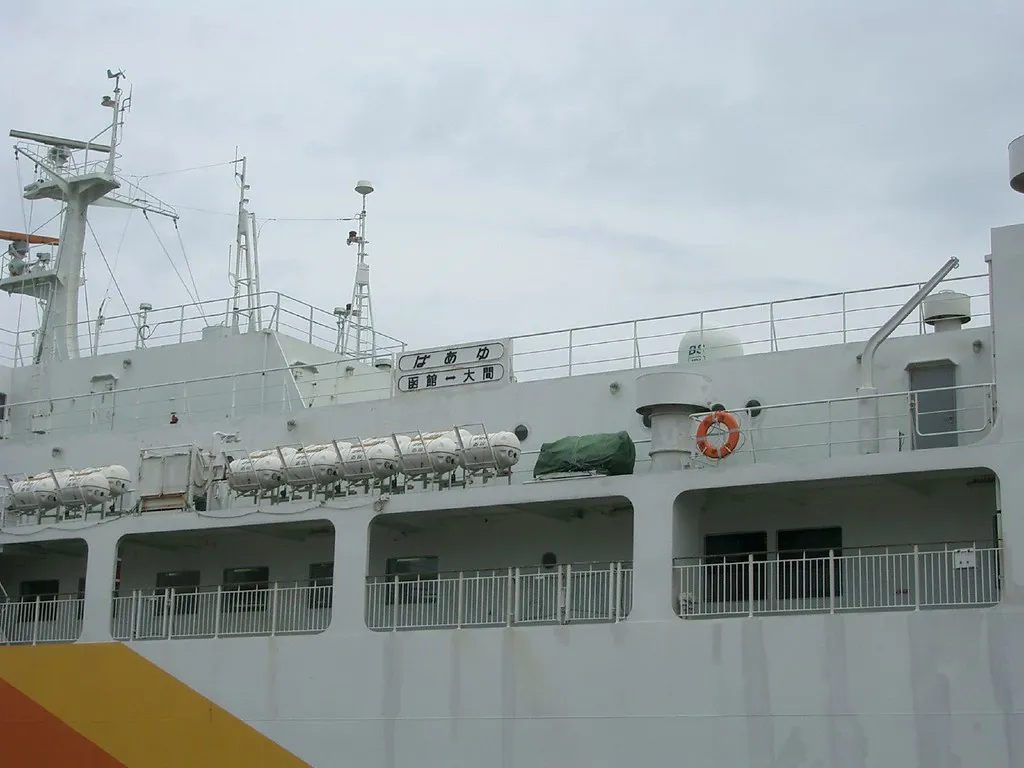
You should also look for the Hakkoda-maru, a former ferry turned into a museum that sits permanently in the harbor. This ship offers a glimpse into the history of transit between Honshu and Hokkaido before the Seikan Tunnel was built. It adds a layer of historical depth to your modern waterfront walk.
- A-Factory market specializes in apple cider, regional sweets, and hand-picked Aomori crafts — entry is free, products are priced individually.
- The waterfront promenade runs along Mutsu Bay and takes roughly 45 minutes to walk end to end.
- Both landmarks sit within a 15-minute walk of JR Aomori Station, making them easy to slot into any itinerary.
Aomori Bay Bridge: Modern Architecture
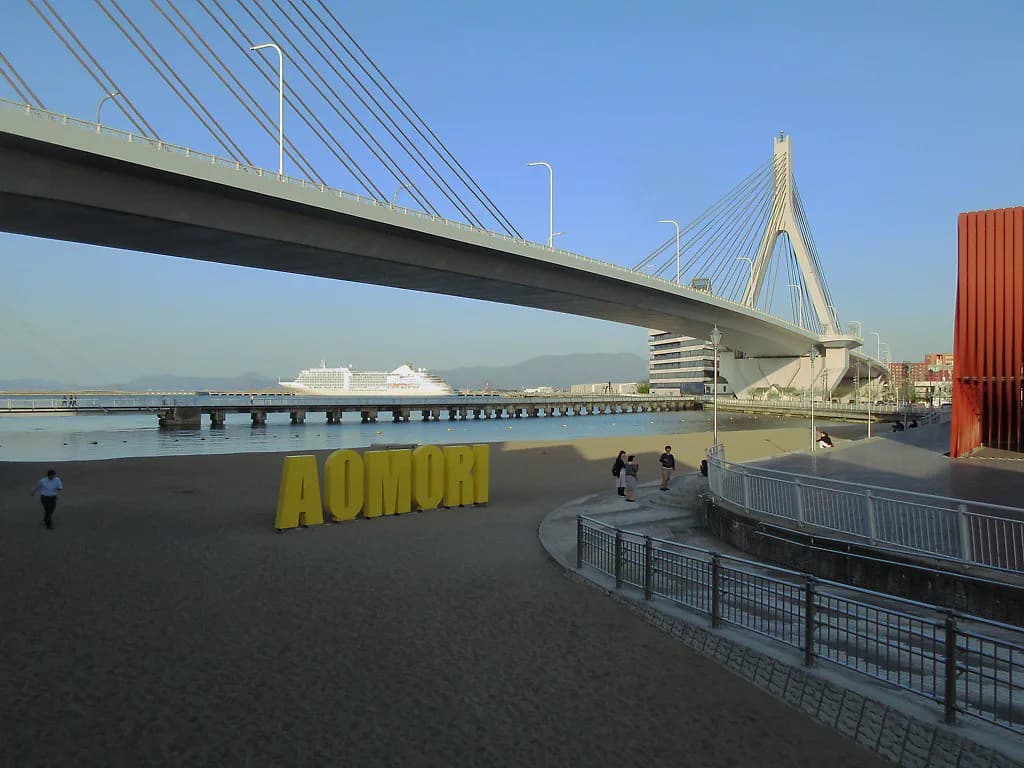
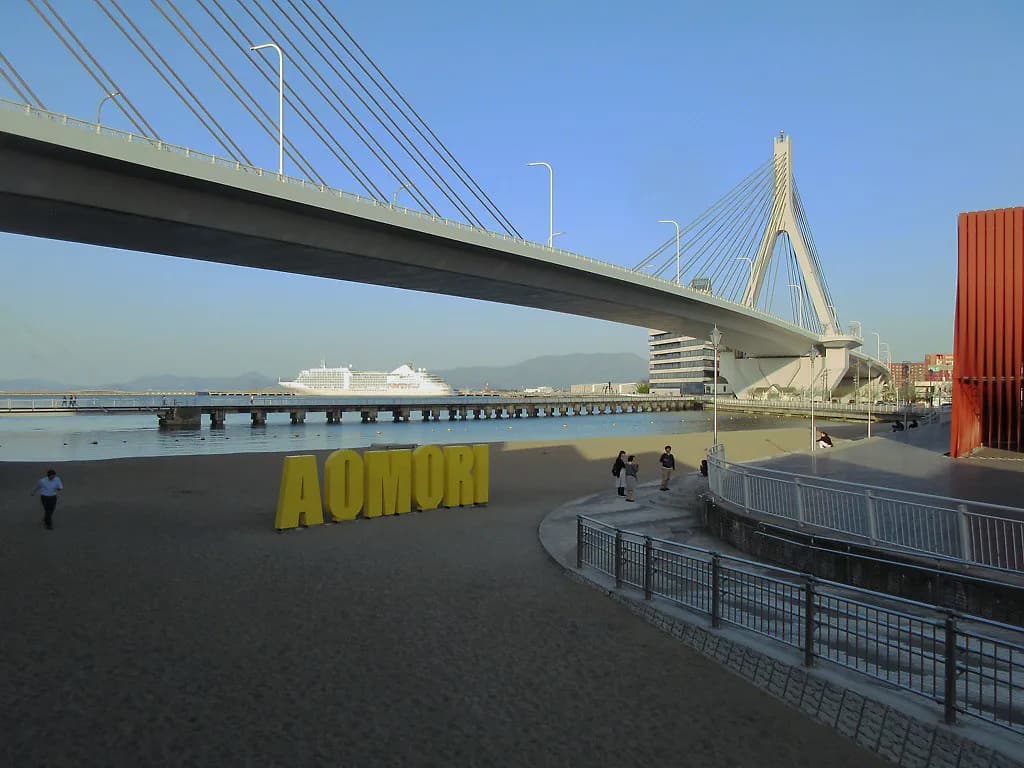
The Aomori Bay Bridge opened in 1991 and was designed by architect Hironaka Ikko. It is a cable-stayed structure with A-shaped towers — the letter "A" was a deliberate design choice to symbolize Aomori City, echoing the triangular ASPAM building and the name of A-Factory beside it. This shared "A" motif ties the entire bay precinct together as a consciously branded civic ensemble.
The towers reach 125 meters and the bridge spans 1,370 meters in total, with a main span of 600 meters. It is the longest bridge in Aomori City and second longest in the prefecture. Walking the pedestrian paths takes one to two hours; several viewpoints along the span frame the ASPAM pyramid and city skyline together.
At night the bridge is illuminated with seasonal colored lights. Evening around sunset is consistently cited as the best viewing time, and the reflection on the calm bay water is a favorite subject for night photographers. Access is free and the bridge is open at all hours.
- Address: Aomori, 030-0803 — 15-minute walk from JR Aomori Station.
- Admission: Free. Open 24 hours.
- Best time: Sunset or after dark for illumination.
Hirosaki Castle: Traditional Architecture
Hirosaki Castle (弘前城) is the most significant historical structure in Aomori Prefecture and a sharp contrast to the bay bridge's industrial steel. The castle keep is the only surviving Edo-period tower in Tohoku, rebuilt in the early 18th century after its predecessor was struck by lightning. A restoration process called hikiya (曳屋) — literally tugging the entire keep across its foundations — began in 2013 and is expected to take up to a decade to complete.
The surrounding Hirosaki Park holds over 2,500 cherry blossom trees and is listed among Japan's Top 100 Cherry Blossom Viewing Sites. During Golden Week (late April to early May), the Hirosaki Cherry Blossom Festival draws over two million visitors. The moats fill with drifting petals, creating the classic "flower raft" (hanaikada) effect. Getting there from the bay area takes about 45 minutes by JR train to Hirosaki Station, then a 15-minute ride on the Dotemachi Loop Bus.
- Address: 1 Shimoshiroganecho, Hirosaki, Aomori 036-8356.
- Access: Dotemachi Loop Bus, 15 minutes from JR Hirosaki Station.
- Best season: Late April to early May for cherry blossoms.
Museums, Art, and Culture in Aomori
Cultural enthusiasts will love the proximity of the Nebuta Warasse Museum to the bay bridge. This facility houses massive, colorful floats used in the famous Aomori Nebuta Festival held every August. Seeing these intricate lanterns up close reveals the incredible craftsmanship of local artists.
The museum offers interactive displays where you can learn about the history and music of the festival. Visitors can even try their hand at traditional drumming or dancing during scheduled performance times. It is a vibrant way to connect with the local heritage throughout the year.
Art installations are scattered around the harbor area, blending modern creativity with the natural coastal environment. You might notice sculptures that reflect the maritime history of the region while walking toward the bridge. These pieces provide excellent photo opportunities for travelers with an eye for design.
If you want to experience the full energy of the region, consider visiting during the Nebuta Matsuri season. The streets come alive with music and light, transforming the quiet waterfront into a massive celebration. Even outside of festival dates, the museum captures that magic for every visitor.
Aomori's Stunning Summer Festivals
The Aomori Nebuta Festival (青森ねぶた祭り) runs the first week of August every year and draws over three million visitors. It is one of Tohoku's Three Great Festivals alongside the Sendai Tanabata and Akita Kanto festivals. The processions of enormous illuminated floats move through streets adjacent to the bay, making the waterfront the ideal vantage point.
Hirosaki hosts the Hirosaki Neputa Festival (弘前ねぷたまつり) simultaneously in early August. The floats here are fan-shaped rather than three-dimensional, and each carries a front "mirror painting" (kagami-e) and a rear "farewell painting" (miokuri-e). The festival is registered as a Japanese Intangible Folk Cultural Property.
The Nebuta Museum WA-RASSE (ねぶたの家ワ・ラッセ) at 1-1-1 Yasukata, Aomori is a two-minute walk from JR Aomori Station and is open year-round. It is the practical option for visitors who cannot time their trip to August — the museum displays actual parade floats and hosts live drumming performances. Entry is ¥620 for adults.
Snow Festivals and Winter in Aomori
Winter travelers often use Aomori as a base for exploring some of the best ski slopes in Japan. The Hakkoda Mountains are famous for their deep powder and unique snow monsters — tree branches encased in ice that create a surreal white forest. These formations attract skiers and snowboarders from across the globe between December and March.
The Hirosaki Castle Snow Lantern Festival (弘前城雪燈籠まつり) is a highlight of the winter calendar and has been held annually since 1977. It is counted among Tohoku's Five Great Snow Festivals (みちのく五大雪まつり). Local craftspeople hand-build snow lanterns and large sculptures — including a full-scale replica of the castle tower — and fill igloos with lit candles visible after dark.
Accessing the ski resorts is convenient via buses from the main station near the bay. You can spend the day on the slopes and return to the city for a warm meal at A-Factory. The snow in Aomori is exceptionally light and dry, which is why the Hakkoda area draws backcountry enthusiasts who find the deep powder difficult to source elsewhere.
Be prepared for heavy snowfall when visiting between December and March. The city clears major paths well, but sturdy waterproof boots are essential for walking near the bridge. The winter scenery provides a stark and beautiful contrast to the summer bay views visible from the same promenade.
Jogakura Bridge: A More Traditional Architecture
The Aomori Bay Bridge is the area's showpiece of modern engineering, but Jōgakura Bridge (城ヶ倉大橋) offers a completely different experience. Located deep in the Hakkoda range, it uses a deck arch construction — and it is the longest bridge of that type in Japan. The deck arch method predates cable-stayed design by centuries, giving the bridge a classical silhouette against the forested gorge below.
In autumn, the ravine beneath the bridge turns vivid red and gold, making it one of the most photographed foliage spots in Tohoku. Even in summer the gorge is spectacularly green, and in winter the snow-laden trees visible from the span are quietly dramatic.
Getting there from the bay area takes about 40 minutes by car or Hakkoda-bound bus from Aomori Station. It pairs naturally with a Hakkoda ropeway visit — cross the bridge in the morning, ride the ropeway in the afternoon. There is no admission fee, though bus timing is limited, so check the schedule before departing.
Tsuru-no-Mai Bridge: Classical Architecture at its Finest
While the Aomori Bay Bridge represents the modern era, the Tsuru-no-Mai Bridge (鶴の舞橋) showcases traditional Japanese craftsmanship. This 300-meter wooden structure in the town of Tsuruta spans Tsugaru-Fujimi Lake and is the longest triple-arched wooden bridge in Japan. It is built entirely from Aomori Hiba, a cypress-like timber native to the prefecture that has been prized for centuries for its durability and natural oils.
The bridge is designed to resemble a crane in flight, with Mount Iwaki providing a majestic backdrop in the distance. Local tradition holds that crossing the bridge brings longevity to the visitor. The combination of the wooden arc, the still lake surface, and the mountain silhouette makes for one of the most compositionally satisfying photographs in Aomori Prefecture.
Visiting both bridges allows you to see the full spectrum of engineering and design across the prefecture. One represents the industrial future and maritime identity, while the other honors traditional materials and harmony with nature. Both are worthwhile stops for travelers interested in how a single prefecture can hold such contrasting architectural philosophies.
The Tsuru-no-Mai Bridge is particularly beautiful during autumn when the surrounding trees change color. The golden and orange tones of the foliage complement the warm color of the Hiba wood. Access is a 10-minute walk from JR Mutsu-Tsuruda Station (address: Osawa Mawarizeki, Tsuruta, Aomori 038-3542).
Inakadate: Fields of Living Artwork
The village of Inakadate (田舎館村), about 45 minutes from Aomori City by rail, is home to one of the most unusual art traditions in Japan: tanbo-art (田んぼアート), or paddy field art. Since 1993, locals have planted rice of different varieties and colors in geometric patterns to create massive images visible from elevated viewing platforms. The practice began as a way to revitalize a village of fewer than 10,000 people — and it worked, turning a rural hamlet into a seasonal destination.
Early designs honored the landscape by depicting Mount Iwaki, but the artwork has grown dramatically in ambition. Recent years have featured portraits and historical scenes spanning multiple paddy fields, each pixel made from a living rice plant. The viewing season runs from late June through September, when the rice has grown tall enough to define the image clearly.
Getting there independently involves the Konan Railway to Tamboato Station (弘南鉄道田んぼアート駅), a two-minute walk from the fields. Note that the station operates only from April to November. Combining Inakadate with a Hirosaki Castle visit makes for an efficient full-day trip west of Aomori City — both sites are connected by the same rail line and take roughly 30 minutes apart.
- Address: 123-1 Inakadate, Nakatsuji, Minamitsugaru-gun, Aomori 038-1113.
- Access: 2-minute walk from Konan Railway Tamboato Station (April–November only).
- Best months: July to September for full rice-field imagery.
Parks, Gardens, and Outdoor Spots in Aomori
Ao-umi Park is a beautiful green space located directly adjacent to the A-Factory and the bridge. It provides a wide-open area for families to play and for photographers to set up their tripods. The park is especially popular during sunset when the sky turns vibrant shades of orange and pink.
The waterfront promenade extends through the park, offering a seamless walking path along the edge of Mutsu Bay. You can watch large ships come and go while enjoying a coffee from one of the nearby stalls. It is a peaceful escape from the more crowded parts of the city center.
Seasonal changes bring different charms to these outdoor spots throughout the year. In summer, the sea breeze keeps the park cool, while winter transforms the landscape into a snowy wonderland. Each season offers a unique perspective on the bridge and the surrounding harbor architecture.
For those seeking a longer nature excursion, the Oirase Gorge is a manageable day trip from the city. However, staying within the bay area provides enough outdoor beauty for a relaxed morning or afternoon. The balance of urban design and natural water views is truly special here.
Cherry Blossoms and Late-Spring Viewing in Aomori
Aomori is world-famous for its spectacular cherry blossom season, which usually peaks in late April. While the bay bridge offers a modern backdrop, the nearby parks fill with thousands of blooming trees. The contrast of pink petals against the blue water of the bay is a sight to behold.
Hirosaki Park is the most famous spot in the region and is just a short train ride away. However, you can find lovely cherry trees right along the waterfront in the city center. These urban blossoms are perfect for those who want to avoid the massive crowds of the larger parks.
For those who miss the main April bloom in Aomori City, Tohoku's northern latitude offers a second window. Higher altitude spots around the Hakkoda range keep their blossoms longer due to the cooler mountain air. These late-blooming locations provide a stunning contrast between lingering white snow and delicate pink flowers, a rare combination found in only a few places on earth.
Evening illuminations during the sakura season create a magical atmosphere around the harbor and bridge. The trees are lit up, reflecting their colors in the calm waters of the bay. It is a romantic and peaceful way to end a day of sightseeing in the city.
Family-Friendly and Budget-Friendly Options in Aomori
Traveling on a budget is easy when you focus on the free sights around the Aomori Bay Bridge. Walking across the bridge costs nothing and provides some of the best aerial views of the city. It is an excellent way to see the layout of the harbor without spending a yen.
Families will appreciate the open spaces at A-Factory where children can move around safely. While the gourmet food has a cost, browsing the cider factory and seeing the machines in action is free. You can find reasonably priced ice cream and snacks that won't break the bank.
The Furukawa Market is another budget-friendly stop located just a short walk from the waterfront. Here, you can create your own seafood bowl for a very fair price using a ticket system. It is a fun and interactive dining experience that both kids and adults enjoy.
Many of the harbor displays and historical markers are free to read and explore at your own pace. You can spend several hours wandering between the bridge, the park, and the shopping areas for very little cost. This makes the bay district one of the most accessible parts of the city for all travelers.
How to Plan a Smooth Aomori Attractions Day
Starting your day early allows you to beat the crowds that typically arrive at A-Factory by mid-morning. Most shops and the cider factory open around 9:00 AM or 10:00 AM daily. You can grab a fresh pastry and coffee before heading up to the bridge for morning photos.
Navigating the area is simple because it is located right behind the main train station. If you are How To Get To Aomori: 10 Essential Routes and Travel Tips by Shinkansen, you will likely arrive at Shin-Aomori and take a short local train to the bay. Everything in the harbor district is within comfortable walking distance of the platform.
Consider grouping your visit with other nearby sites like the ASPAM building or the Nebuta museum. These locations are all within a ten-minute walk of each other, making for a very efficient itinerary. You can easily see all the major waterfront highlights in about four to five hours.
Rail pass holders should note that the JR EAST PASS (Tohoku area) covers unlimited travel on JR East lines for five consecutive days at ¥30,000 — considerably cheaper than a round-trip Shinkansen fare from Tokyo (approximately ¥35,740). This makes it practical to combine Aomori City with Hirosaki, Tsuruta, or the Hakkoda area on separate days without budgeting individual fares.
Check the weather forecast before planning your walk across the bridge, as it can get quite windy. If the weather is poor, spend more time inside the A-Factory or the various indoor museums nearby. Having a flexible plan ensures you enjoy the harbor regardless of the conditions outside.
Frequently Asked Questions
What is a factory in Aomori?
A-Factory is a unique shopping mall and cider production facility located near the Aomori Station. It specializes in products made from local apples, including sparkling cider, sweets, and crafts. Visitors can watch the cider-making process through glass windows while browsing for souvenirs. Check out more details on the Japan Activity blog for local shopping tips.
What is Aomori famous for?
Aomori is primarily famous for its high-quality apples and the massive Nebuta Matsuri summer festival. It is also known for its incredible snowfall, beautiful cherry blossoms, and modern landmarks like the Aomori Bay Bridge. The region offers a rich blend of traditional culture and stunning natural landscapes for travelers.
What is the triangle building in Aomori?
The triangle building is called ASPAM, which stands for the Aomori Prefecture Tourist Center. Its unique shape is designed to represent the letter 'A' for Aomori. It houses an observation deck, a 3D theater, and many shops selling local goods and crafts.
Was Aomori bombed in WWII?
Yes, Aomori City suffered a major air raid on July 28, 1945, which destroyed a large portion of the city center. The modern city you see today, including the bay bridge and harbor district, was largely rebuilt after the war. This history is why much of the city's architecture feels relatively modern and planned.
The Aomori Bay Bridge and A-Factory are essential stops for any traveler exploring northern Japan. These landmarks perfectly capture the city's transition from a historic port to a modern cultural hub. You will find plenty of beauty, history, and delicious food within this compact waterfront district.
By planning your visit to include these sites, you ensure a well-rounded experience of what the city has to offer. From the heights of the bridge towers to the artisanal flavors of local cider, the harbor district never fails to impress. It is a place where engineering meets art in a truly scenic coastal setting.
If you are still deciding 9 Best Areas and Tips for Where to Stay in Aomori (2026), consider a hotel near the station for easy access to these sights. Staying close to the water allows you to enjoy the bridge's night illumination and early morning walks at your leisure. Enjoy your journey through this vibrant and welcoming Japanese city.
Free guide: Japan's Hidden Gems
12 under-the-radar places beyond Tokyo & Kyoto — with the best season to visit each and a local tip you won't find in the guidebooks.
You might also like

Continue reading
More guides you'll find useful