
How To Get To Aomori: 10 Essential Routes and Travel Tips
Master your trip to Aomori with our guide on Shinkansen routes, flight comparisons, budget bus options, and local transit tips for 2026.
On this page
Last updated June 2026. Planning your journey to northern Honshu requires understanding the various rail and air connections available. A well-structured How Many Days In Aomori: 10 Planning Essentials ensures you see the best of the city and its surrounding nature. This guide covers every major route to help you reach Aomori efficiently.
Quick Answer: The Hayabusa Shinkansen from Tokyo is the best option, taking 3 hours and 20 minutes for ¥17,670 / ~$115. Travelers on a budget can take an 11-hour overnight bus for roughly ¥6,000 / ~$40. Those coming from Osaka or Sapporo should choose a flight to Aomori Airport for speed.
Aomori serves as the gateway to the beautiful Tohoku region and the northern island of Hokkaido. Whether you seek the massive snow walls or summer festivals, getting here is part of the adventure. The transport network is highly reliable but requires some advanced planning for the best rates.
Useful resources: Japan Guide's Aomori page and Wikipedia's Aomori overview have up-to-date access and background details.
By Shinkansen (Bullet Train) from Tokyo and Beyond
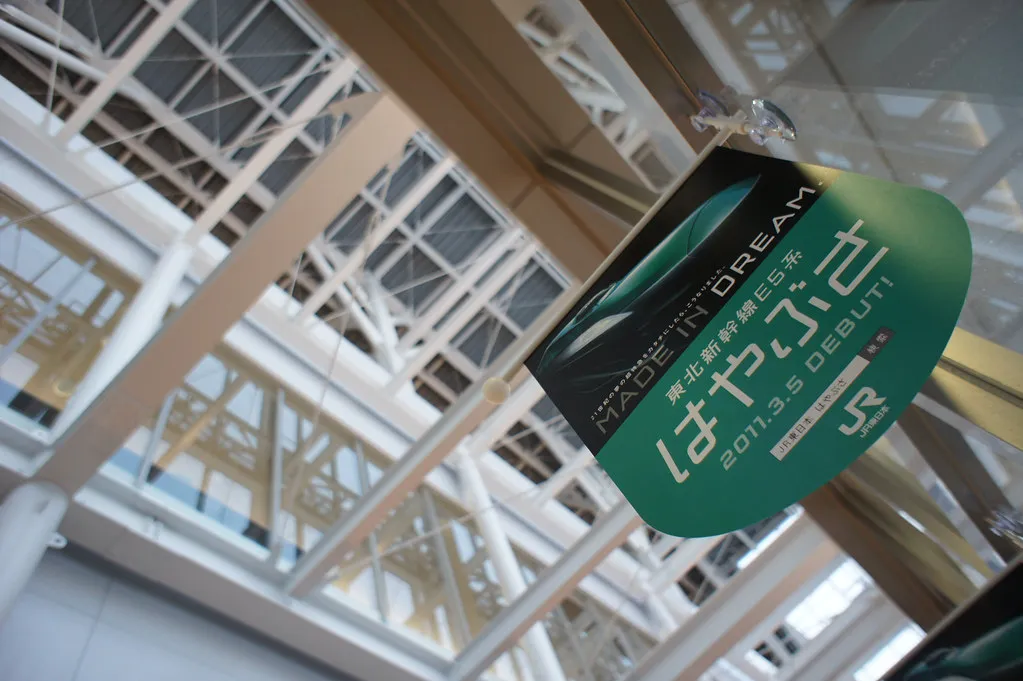
The Tohoku Shinkansen is the most popular way to reach the city from Tokyo Station. You should aim for the Hayabusa train, which is the fastest service on this line. The journey typically takes 3 hours and 20 minutes to reach Shin-Aomori Station. Choosing the Best Time To Visit Aomori: 10-Point Seasonal & Travel Guide often depends on these high-speed rail schedules.
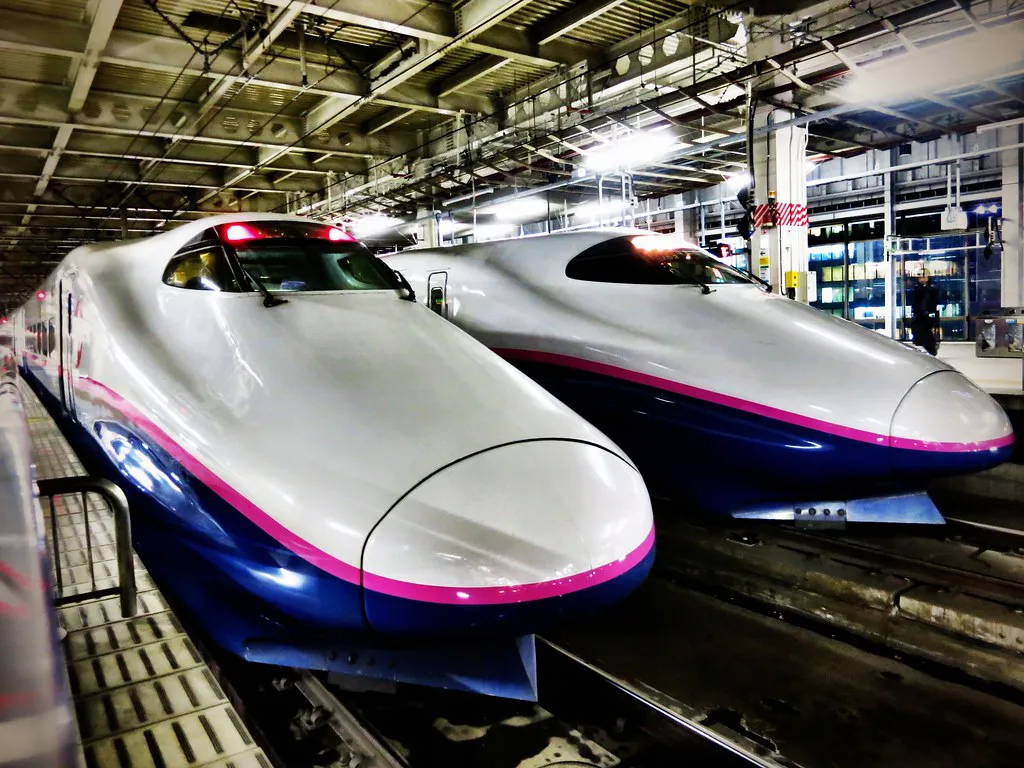
The Hayabusa requires mandatory seat reservations, so you cannot board with a general standing ticket. Alternatively, the Yamabiko line is slower but serves more intermediate stops and offers more flexible seating options for travelers joining at Sendai or Morioka. Standard one-way fares cost approximately ¥17,670 / ~$115 for a reserved seat from Tokyo. JR Pass holders can cover this entire cost, making the pass particularly attractive for the Tokyo–Aomori leg.
JR Pass holders save the most on this corridor. A 7-day JR East–South Hokkaido Pass (¥20,000 / ~$130) covers one Hayabusa round-trip plus the Hokkaido Shinkansen leg to Hakodate. Add a day trip to Hirosaki (¥740 / ~$5 each way on the Ou Line) and the pass pays for itself comfortably. Without a pass, a single round-trip reserved-seat ticket costs ¥35,340 — nearly double the pass price.
- Step 1: Secure Your Shinkansen Tickets and Seat Reservations
- Visit the JR East Travel Service Center at Tokyo Station for pass activation.
- Standard reserved seats cost about ¥17,670 / ~$115 and require advance booking.
- Check the machine kiosks if the service center has a long queue.
- Step 2: Navigate to Tokyo or Ueno Station
- Arrive at the station at least 20 minutes before your scheduled departure time.
- The JR Yamanote line provides easy access to these major Shinkansen hubs.
- Use your Suica or IC card to enter the local gates before the Shinkansen gates.
- Step 3: Board the Hayabusa Shinkansen Train
- Locate your car number on the platform floor markings to wait in line.
- The train usually departs every 30 to 60 minutes throughout the day.
- Store large luggage in the designated racks at the end of each car.
- Step 4: Arrive at Shin-Aomori Station
- Exit the Shinkansen gates and follow signs for the local JR lines.
- This station is the final stop for the Tohoku Shinkansen line.
- Grab a quick snack at the station bento shops before your local transfer.
- Step 5: Transfer to the Aomori City Center
- Take the local Ou Main Line for a quick 6-minute ride to Aomori Station.
- This transfer costs ¥190 / ~$1.25 and runs multiple times every hour.
- Check the platform display to ensure you are boarding the correct local train.
Flying to Aomori Airport: Routes and Airlines
Aomori Airport connects the region to major cities like Tokyo, Osaka, and Sapporo. Japan Airlines (JAL) and ANA are the primary operators for these domestic routes. A flight from Haneda Airport in Tokyo takes roughly 80 minutes to arrive. Fares vary greatly based on how early you book your tickets online.
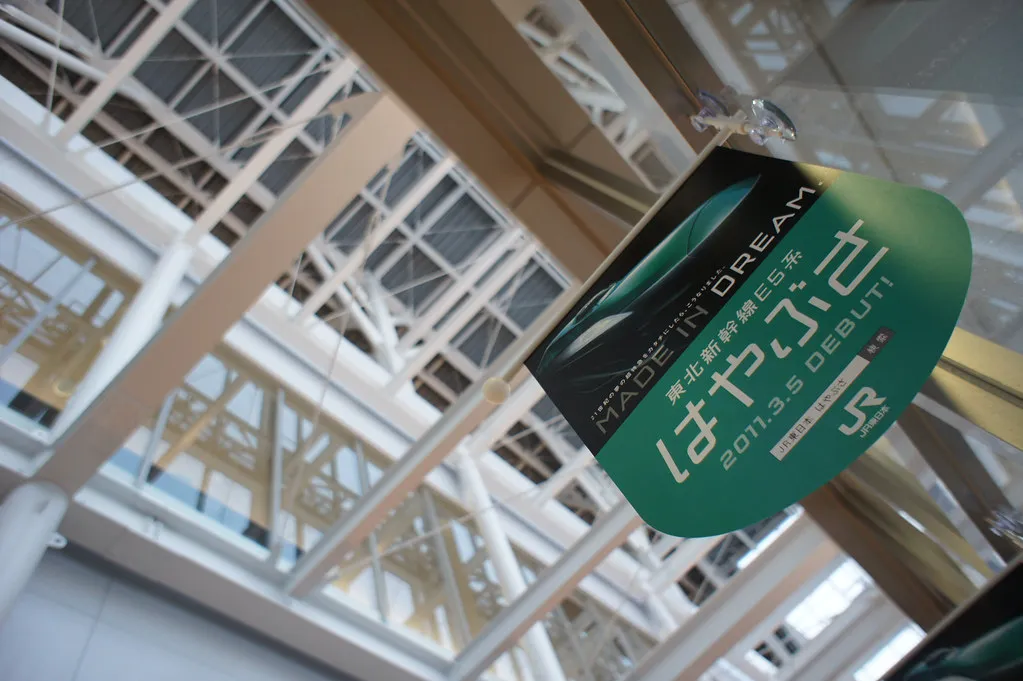
Once you land, an airport shuttle bus waits to take passengers to the city. This bus ride takes about 35 minutes and costs ¥800 / ~$5.25 per person. The bus schedule is usually synchronized with arriving flights for maximum convenience. Taxis are also available but cost significantly more for the same distance.
Flying is often the best choice if you are starting from southern Japan. Travelers from Osaka Itami Airport can reach Aomori in about 90 minutes. There are also international connections: Korean Air runs direct flights from Seoul, and EVA Air offers seasonal service from Taipei (generally October to March). Always check for seasonal flight cancellations during the heavy winter snow season, as low visibility frequently grounds morning departures.
Budget-Friendly Highway Bus Options
Overnight highway buses offer the most affordable way to travel from Tokyo. Operators like Willer Express and Konan Bus run daily services to Aomori. Most buses depart from the Busta Shinjuku terminal late in the evening. You will arrive at Aomori Station early the following morning.
Ticket prices generally range from ¥6,000 / ~$40 to ¥10,000 / ~$65 depending on comfort. Premium buses offer three-row seating with more legroom and privacy curtains. Standard buses use a four-row layout which is tighter but much cheaper. Booking several weeks in advance is recommended for the best seat selection.
The total travel time is approximately 11 hours including several rest stops. These stops allow you to buy food and use facilities at highway service areas. Bus travel is reliable but can be affected by traffic or weather conditions. It remains a favorite for students and long-term backpackers visiting Tohoku.
Ferry and Rail Connections from Hokkaido
Traveling from Hokkaido to Aomori is a scenic experience across the Tsugaru Strait. The Hokkaido Shinkansen connects Hakodate to Shin-Aomori in about one hour. This high-speed rail link uses the Seikan Tunnel, the world's longest undersea tunnel. Prices for this segment are approximately ¥7,720 / ~$50 for a reserved seat.
For a slower and more traditional route, consider taking the Tsugaru Kaikyo ferry. The ferry ride takes nearly four hours but offers beautiful ocean views and is smooth even in winter. Standard tickets cost roughly ¥3,000 / ~$20 for adult passengers, with food and shower facilities on board. This is an excellent option if you are traveling with a car or bicycle, or simply want a leisurely crossing from Hakodate to Aomori.
Aomori Airport vs. Shin-Aomori vs. Aomori Station
Understanding which arrival point suits your trip is the single most useful piece of planning you can do. Aomori has three distinct entry points, and choosing wrong costs time. Shin-Aomori is where the Shinkansen terminates; Aomori Airport is 11 km to the southeast; Aomori Station is the downtown hub you actually want to reach for most hotels and sights.
Use Shin-Aomori if you are coming from Tokyo or anywhere on the Tohoku Shinkansen line. The 6-minute Ou Main Line transfer to Aomori Station costs ¥190 / ~$1.25 and departs multiple times per hour. Use Aomori Airport if you are flying from Osaka, Sapporo, Seoul, or Taipei — the 35-minute airport bus to the city center (¥800 / ~$5.25) is your last-mile link. Avoid using a taxi from the airport unless you are in a group; the cost rises to roughly ¥3,000–¥4,000 / ~$20–$26 for the same distance.
For travelers going directly to the university district or specific parts of the city, the bus network from Aomori Station is your primary tool. Bus gate 1 or 4 serves Aomori Public University; the fare is ¥560 / ~$3.65 and takes about 35 minutes. A taxi for the same route costs roughly ¥3,500 / ~$23 and takes 25 minutes. Always confirm the last bus time in the evening, as frequency drops sharply after 20:00.
Seasonal Transit Tips: When Snow Changes Everything
Aomori records some of the heaviest urban snowfall in the world, often exceeding 7 metres per winter. The Shinkansen and local JR trains are the most resilient: heated tracks mean services almost never cancel. Buses and flights are vulnerable to visibility and road conditions.
Aomori Airport delays or cancels morning flights several times each winter when overnight snowfall is heavy. Afternoon departures from Haneda (around 14:00–16:00) have better completion rates, as ground crews finish clearing runways by midday. In January and February, take the Hayabusa if you must arrive by a fixed time — it has dedicated snow-management infrastructure and runs year-round without weather cancellations on the Tokyo–Shin-Aomori segment.
Highway buses are the riskiest option in deep winter. Blizzards on the Tohoku Expressway can add two to four hours to the scheduled 11-hour run. If you are traveling December through March with a firm arrival deadline, the Shinkansen is the only safe bet. Carry ¥2,000 in small bills regardless — many local buses and smaller stations do not accept IC cards during system outages.
- Check JAL and ANA apps the night before for live flight status.
- Keep your JR Pass safe — it cannot be reissued if lost.
- Confirm Shinkansen reservations a day ahead during peak holiday periods.
- Pack thermal layers if visiting the Hakkoda mountains — summit temperatures drop below -10°C.
Unique Experiences and Day Trips in Aomori 2026
Once you arrive, visiting the Aomori Nebuta Matsuri museum is a top priority. The Wa Rasse museum showcases the massive, colorful floats used in the summer festival. It is located just a two-minute walk from the main Aomori Station exit. Entry costs ¥620 / ~$4 and offers a deep look into local culture year-round, not just in August.
Nature lovers should head to the Complete Guide to the Hakkoda Mountains for incredible views. The Hakkoda Ropeway provides a 10-minute ride to the summit of Mt. Tamoyachi for ¥2,000 / ~$13. In winter, you can see the famous juhyo snow monsters formed by ice-coated trees. The Hakkoda Snow Wall drive along Highway 103 typically opens on April 1st with walls reaching 6 to 9 metres in record years.
Foodies must visit the Aomori Furukawa Fish Market Nokkedon: 6 Things to Know for a custom meal. You buy a 12-ticket voucher and exchange tickets for fresh seafood at each stall — scallops, tuna, salmon roe — until your bowl is full. A complete set of tickets costs about ¥2,000 / ~$13 at the Aomori Gyosai Center (Google Maps) entrance. The market is a five-minute walk from the station and closes by 16:00.
Art enthusiasts should not miss the Aomori Museum of Art Official Site for modern works. The iconic Aomori Dog sculpture by Yoshitomo Nara and the full Chagall backdrops from the Aleko Ballet are both housed here — two "must-photo" pieces in a single building. The museum is accessible via the Nebutan-go loop bus for ¥200 / ~$1.30. For a different kind of winter experience, the Tsugaru Railway Winter Stove Train departs from Goshogawara Station (about 70 minutes from Aomori by JR); passengers grill dried squid on a potbelly wood stove inside the carriage and pay the regular fare with no reservation needed.
For the wider city context, see our complete aomori tourism attractions guide.
Where to Stay in Aomori: Station vs. Onsen Town
Aomori's accommodation divides into two practical zones. Staying near Aomori Station keeps you within walking distance of Wa Rasse, the Gyosai Center, and the Nebutan-go bus stops for the Art Museum and Sannai-Maruyama. Hotels connected directly to the concourse — like ReLabo Spa & Stay — offer easy access and views over the Tsugaru Strait. This is the right base for short stays of one to two nights.
The onsen alternative means heading outside the city. Sukayu Onsen, 45 minutes into the Hakkoda Mountains, is one of Japan's few surviving mixed-gender communal baths (konyoku), built from cypress in 1929. Overnight guests receive a complimentary roundtrip transfer from Aomori Station. Hoshino Resorts KAI Tsugaru in Owani Onsen (90 minutes away) is the premium ryokan option if budget allows. Full coverage is in our 9 Best Areas and Tips for Where to Stay in Aomori (2026) guide.
Frequently Asked Questions
How do you get to Aomori Japan from Tokyo?
The fastest way is the Hayabusa Shinkansen from Tokyo Station. It takes about 3 hours and 20 minutes. Tickets cost roughly ¥17,670 / ~$115 per person.
Is Aomori Japan worth visiting in winter?
Aomori is famous for its incredible snowfall and winter activities. You can see snow monsters on Mount Hakkoda. The winter stove train is also a unique experience.
Does the bullet train go directly to Aomori?
The Shinkansen stops at Shin-Aomori Station, not the city center. You must take a 6-minute local train to reach Aomori Station. This transfer is very easy and frequent.
Reaching Aomori is a straightforward process whether you choose the rails or the skies. The Shinkansen remains the most reliable and comfortable method for most international travelers. Always verify the latest prices and schedules on the official travel blog before your departure.
From the vibrant festivals to the quiet mountain peaks, Aomori offers a unique Japanese experience. Proper planning will help you navigate the transit system with total confidence. Enjoy your journey to one of Japan's most beautiful northern destinations.
Free guide: Japan's Hidden Gems
12 under-the-radar places beyond Tokyo & Kyoto — with the best season to visit each and a local tip you won't find in the guidebooks.
You might also like


Continue reading
More guides you'll find useful


