Aomori Furukawa Fish Market Nokkedon: 6 Things to Know
Master the Aomori Nokkedon experience at Furukawa Fish Market. Learn how the ticket system works, current prices, and the best seafood toppings to try.
On this page
Quick Answer: The best default option is the 12-ticket Nokkedon bundle which costs ¥2,000 / ~$13 and takes 45 minutes. This DIY seafood bowl experience allows you to customize your breakfast with the freshest local catches. Arrive before 9:00 AM to enjoy the widest selection of sashimi before the lunch crowds arrive.
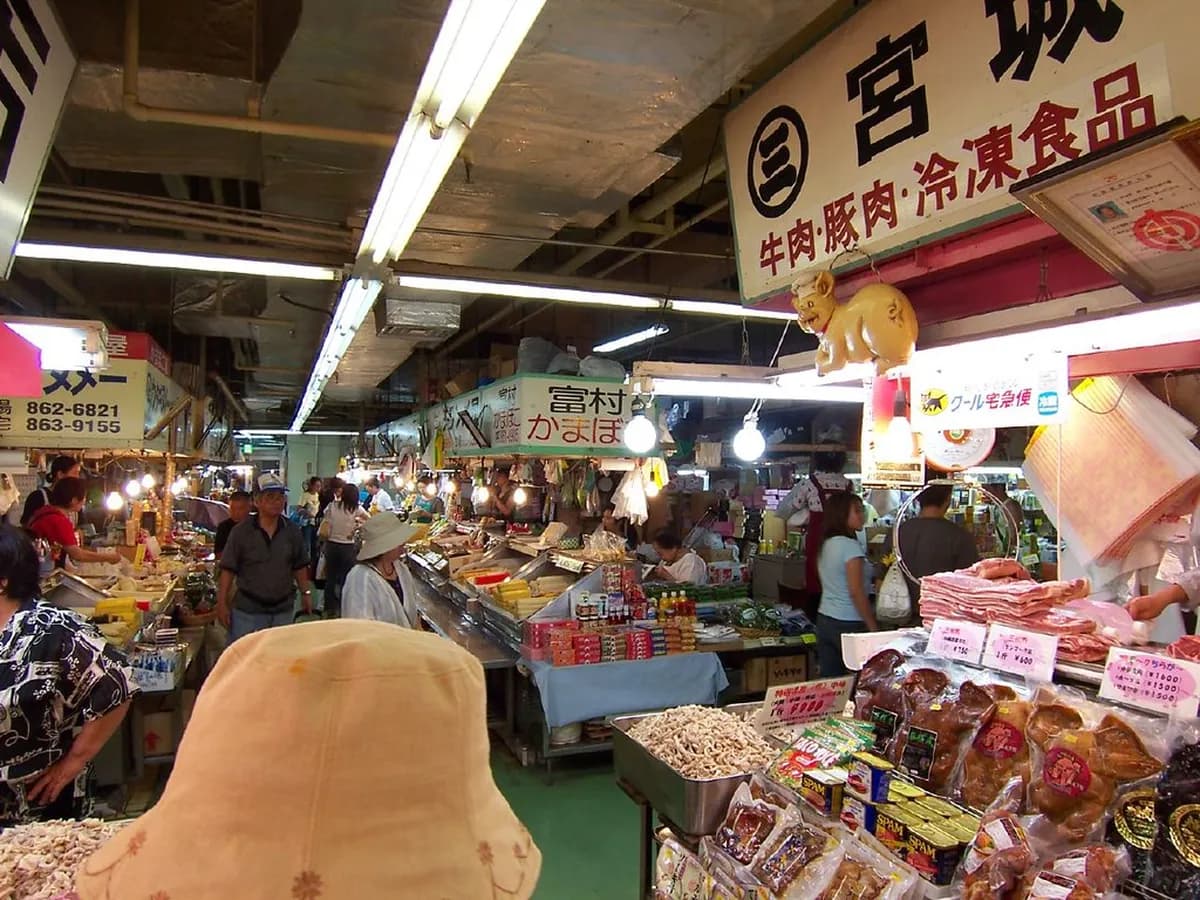
The Aomori Furukawa Fish Market is a premier destination for seafood lovers visiting northern Japan. This market is also known locally as the Aomori Gyosai Center. It offers a unique way to sample regional delicacies from Mutsu Bay in a single meal. Travelers often include this stop when exploring various Things To Do In Aomori during their stay.
Last updated June 2026 to reflect the latest pricing and vendor policies. The market remains a staple for both locals and international tourists seeking an authentic taste of Aomori. Understanding the ticket system is essential for a smooth and enjoyable visit to this bustling hub.
Useful resources: Japan Guide's Aomori page and Wikipedia's Aomori overview have up-to-date access and background details.
What is the Aomori Nokkedon Concept?
Nokkedon is a specialized style of seafood bowl where you choose every single topping yourself. The name comes from the Japanese word 'nokkeru', which means to put something on top. Unlike standard restaurants, you browse dozens of stalls to hand-pick your favorite slices of raw fish. This interactive dining style turns a simple meal into a fun culinary adventure through the market.
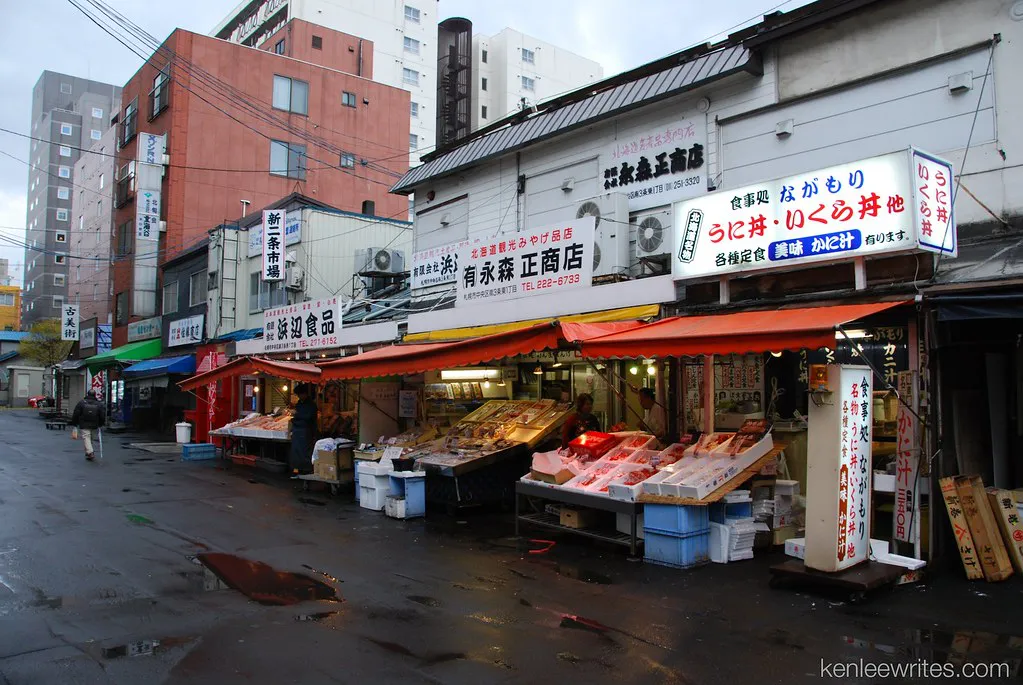
The Furukawa Fish Market is the only place in the city offering this specific ticket-based system. While the nearby Auga Fish Market offers traditional set meals, it lacks the DIY customization found here. Auga is better for those who prefer a sit-down restaurant environment with fixed menu prices. Furukawa provides a more energetic atmosphere that is perfect for curious foodies and photographers.
Visitors can compare their dining options based on their personal schedule and budget constraints. The Nokkedon experience costs ¥2,000 / ~$13 and typically lasts about 45 to 60 minutes. Auga Fish Market sets range from ¥1,500 to ¥3,000 and take roughly 30 minutes to serve. Station soba shops offer the fastest option at ¥500 but provide much less variety and freshness.
Choosing the Nokkedon system allows you to support multiple small vendors within the market building. Each stall specializes in different items, such as fatty tuna, succulent scallops, or briny sea urchin. This variety ensures that you get the best quality for every component of your seafood bowl.
How to Build Your Perfect Seafood Bowl
Building your bowl is a straightforward process once you understand the flow of the market. The vendors are accustomed to tourists and will guide you with simple gestures and signs. You can find more detailed planning tips in our Japan travel blog for regional foodies. Following the established steps ensures you don't miss out on the best available seasonal toppings.
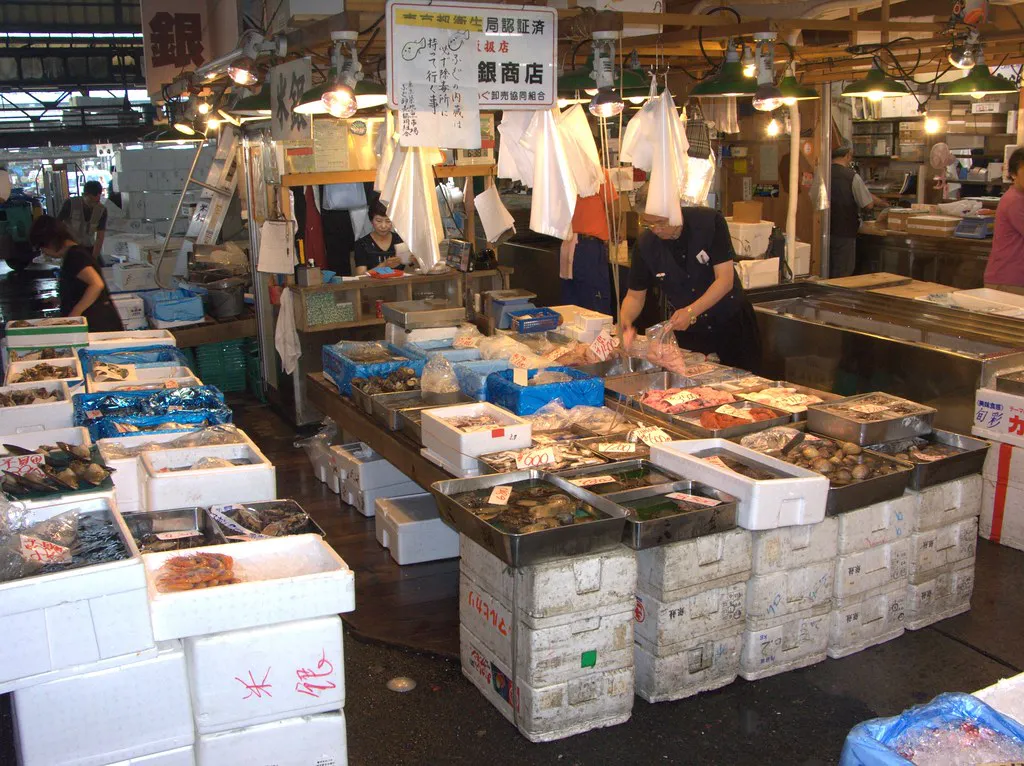
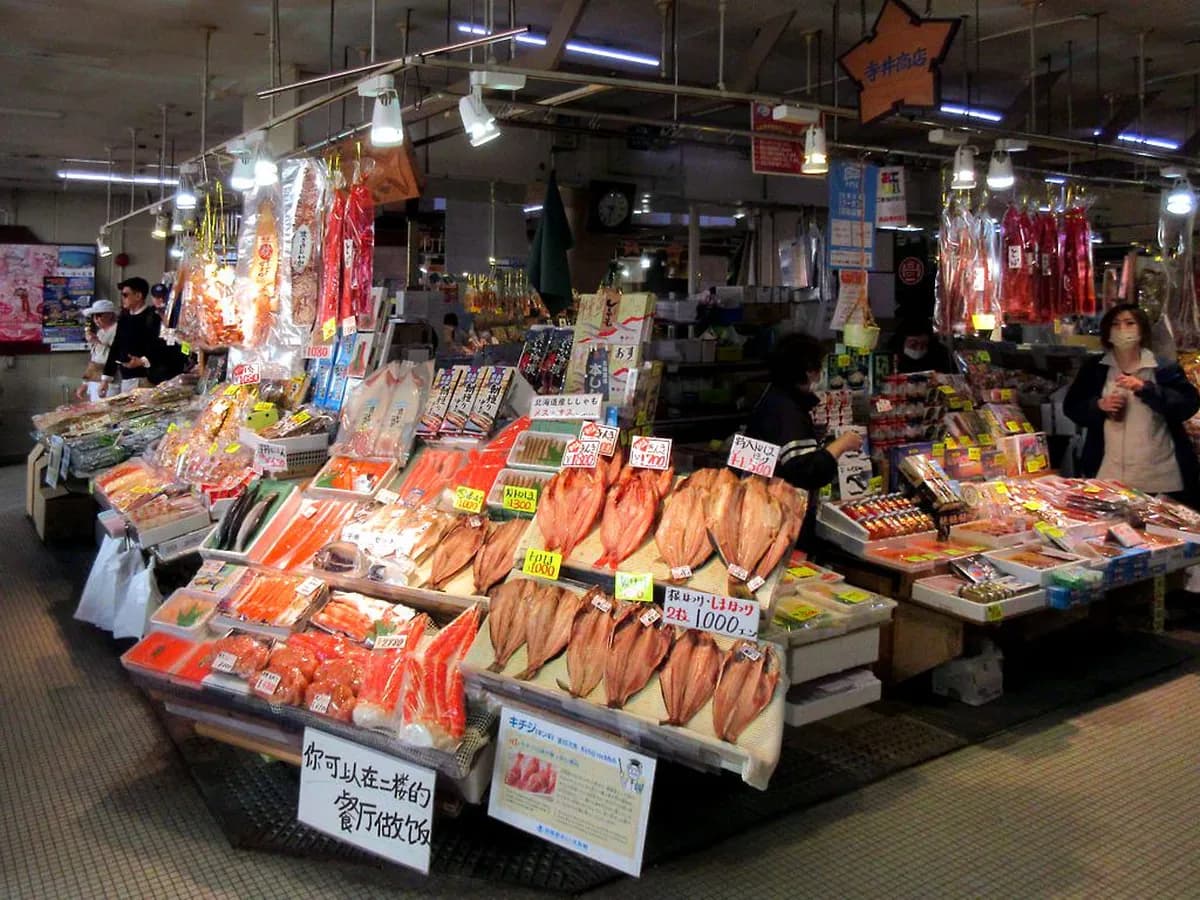
Most visitors start their journey at the main information desk to secure their voucher sheets. The market layout is designed to lead you from the rice stations toward the seafood stalls. It is helpful to walk through the entire market once before spending your precious tickets. This scouting trip helps you identify which stalls have the most appealing cuts of fish today.
Once your bowl is complete, you can head to the designated seating areas on either floor. These areas provide essential amenities like soy sauce, wasabi, and complimentary green tea for all diners. Proper etiquette involves clearing your own tray and disposing of trash in the correct bins provided. This helps maintain the clean and welcoming environment that the market is known for.
- Step 1: Buy your ticket voucher bundle
- Visit the orange information booth located near the main entrance of the market.
- A full set of 12 tickets costs ¥2,000 / ~$13 at the service counter.
- Most visitors find that the 12-ticket bundle provides a very satisfying meal.
- Step 2: Exchange a ticket for rice
- Look for stalls displaying a red flag to receive your foundation of white rice.
- One ticket usually buys a standard portion of steaming hot vinegared rice.
- Confirm the rice size with the vendor if you prefer a smaller or larger base.
- Step 3: Browse for seafood toppings
- Walk through the aisles and look for stalls with blue flags indicating seafood availability.
- Standard items like salmon or squid typically cost only one ticket per portion.
- Point clearly to the items you want and the vendor will plate them directly.
- Step 4: Select premium regional delicacies
- Spend two or three tickets for high-end items like Ooma tuna or fresh uni.
- These premium selections are often the highlight of the Aomori Furukawa Fish Market Nokkedon.
- Check the ticket signs at each stall to manage your remaining voucher balance.
- Step 5: Add soup or side dishes
- Use your remaining tickets for miso soup or local pickles to round out the meal.
- Miso soup usually costs one ticket and is served at the red flag stalls.
- Adding a side of tamagoyaki provides a nice sweet contrast to the salty seafood.
- Step 6: Enjoy your meal in the seating area
- Find an open table in the dining sections located on the first or second floors.
- Free tea and water dispensers are available for all guests to use during breakfast.
- Apply your soy sauce and wasabi at the table rather than at the individual stalls.
Understanding the Furukawa Fish Market Ticket System
The ticket system is designed to simplify transactions between dozens of different independent market vendors. Instead of handling cash at every stop, you simply tear off the required number of vouchers. This keeps the food handling process more hygienic and speeds up the service during busy hours. You can always buy extra individual tickets for ¥170 / ~$1.10 if you run out early.
The color-coded flag system is the most important visual cue for navigating the market aisles. Red flags indicate vendors who sell the rice, miso soup, and sometimes basic pickles or drinks. Blue flags mark the seafood experts who provide the sashimi, shellfish, and other raw toppings. Paying attention to these colors helps you find exactly what you need without getting lost.
A typical 12-ticket bundle allows for a very balanced and diverse seafood breakfast bowl. Most people use one ticket for rice and one for a warm bowl of miso soup. This leaves ten tickets for toppings, which could buy seven standard items and one premium item. For more information on the system, visit the Official Aomori Nokkedon Site (Japanese).
The value of each ticket is approximately ¥166 when purchased as part of the larger bundle. Vendors are very strict about the ticket counts for premium items like fatty tuna or crab. Always look for the small number cards placed next to the fish to see the cost. This transparency helps you budget your meal effectively as you move through the market.
Recommended Toppings: From Ooma Tuna to Fresh Uni
Aomori is world-famous for its Ooma tuna, which is often considered the best in Japan. This premium bluefin tuna is caught in the Tsugaru Strait and has incredible fat marbling. Expect to pay three tickets for a single high-quality slice of this legendary local fish. It is a must-try item for anyone visiting the market for the first time.
Mutsu Bay scallops are another regional specialty that you should definitely include in your bowl. These scallops are known for their natural sweetness and firm, meaty texture when served raw. They usually cost one or two tickets depending on the size and the specific vendor. Freshness is guaranteed as most of these are harvested just a few miles away.
Sea urchin, or uni, is a seasonal favorite that appears frequently during the summer months. A small portion of creamy uni typically requires two or three tickets due to its high value. The flavor is rich and briny, representing the pure taste of the surrounding northern oceans. Pairing uni with salmon roe creates a classic and visually stunning seafood combination.
If you are traveling with someone who dislikes raw fish, there are several cooked options available. Look for stalls selling grilled mackerel, sweet tamagoyaki omelets, or even fried chicken pieces. These items also use the ticket system and allow everyone to enjoy the market atmosphere. Pickled vegetables are a great way to cleanse your palate between different types of sashimi.
Essential Logistics: Pricing, Hours, and Location
The Furukawa Fish Market is conveniently located just a five-minute walk from Aomori Station. This makes it an ideal first stop after How To Get To Aomori: 10 Essential Routes and Travel Tips by train. The market typically operates from 7:00 AM to 4:00 PM throughout the most of the week. Note that the market is usually closed on Tuesdays, so plan your itinerary accordingly.
While the market stays open until the afternoon, many popular items sell out much earlier. Most stalls begin closing around 2:00 PM as their daily fresh inventory is depleted. If you want the best selection of Ooma tuna, aim to arrive before 10:00 AM. Check the Best Time To Visit Aomori: 10-Point Seasonal & Travel Guide for more seasonal travel advice.
The price for a 12-ticket bundle is currently set at ¥2,000 / ~$13 for all visitors. If you find yourself still hungry, you can return to the counter for more vouchers. Individual tickets are available for ¥170 / ~$1.10 to help you finish your custom bowl. For more details, consult the Aomori Prefecture Guide - Furukawa Market.
The market is fully indoors, making it a great activity regardless of the local weather conditions. It remains comfortable even during the snowy winters that Aomori is famous for experiencing. Wheelchair access is available, though the aisles can become quite narrow during peak lunch hours. Planning your visit for a weekday morning will provide the most relaxed and spacious experience.
- Preparation checklist for your visit
- Ensure you carry enough cash for your initial ticket bundle purchase.
- Wear comfortable walking shoes for navigating the concrete market floors.
- Bring a small bottle of hand sanitizer for use before eating.
- Arrive early in the morning to secure the best seafood selections.
- Keep a digital copy of the market map on your phone.
- Prepare an appetite for a large and diverse seafood breakfast.
- Check the local calendar for any unexpected holiday market closures.
- Bring a camera to capture the colorful displays of fresh fish.
Best Time to Visit and Timing Strategy
Arriving at 07:30 gives you the widest selection. Sushi chefs come early to hand-pick their stock, so premium cuts — Ooma tuna, sea urchin, live scallops — are freshest and most plentiful before 09:00. Avoid the 11:30–13:00 lunch rush, when seating fills up and the most popular stalls run short.
Late afternoon has a hidden advantage: vendors approaching closing time sometimes offer premium items — toro, uni — at a single ticket rather than the usual two or three, rather than discard unsold stock. Arriving around 14:00–15:00 can yield deals, but variety is reduced. Choose morning for selection, late afternoon if you want a deal and are flexible. Either way, you cannot take food off the premises, so come hungry and plan to eat everything at the table.
Ticket Math: Making 12 Tickets Count
Each ticket in the ¥2,000 bundle is worth roughly ¥166. Spending them strategically prevents the common mistake of blowing three tickets on the first stall you love and running short later. A realistic first-visit breakdown:
- 1 ticket — white rice from a red flag stall (mandatory first step)
- 1 ticket — miso soup from a red flag stall
- 2–3 tickets — two or three standard one-ticket items: salmon, squid, flounder, or octopus
- 1 ticket — tamagoyaki or a pickle to break up the richness
- 1–2 tickets — Mutsu Bay scallop portion
- 3 tickets — Ooma bluefin toro or fresh uni as the premium centrepiece
- 1 ticket — buffer for a second helping of anything outstanding
If you want two premium items, skip the soup and pickle and buy two extra individual tickets at ¥170 each. That keeps your total under ¥2,400 while still delivering the market's best.
Expert Tips for Navigating the Market Stalls
Walk the entire market once before spending any tickets. The three rows take no more than ten minutes to scan, and a scouting lap lets you identify the stalls with the most appealing cuts before you commit. This is how you avoid buyer's remorse from the very first stall.
If the main floor seating is full, head upstairs to the second-floor dining room. Many visitors overlook this area, so it often has more available tables and chairs. The second floor also features additional vending machines for various types of drinks. It provides a clear view of the market activity happening below.
You can easily integrate this meal into a larger How Many Days In Aomori: 10 Planning Essentials for the day. The market's central location makes it easy to visit nearby museums or the bay area. Many travelers walk to the nearby Nebuta Warasse museum immediately after finishing their breakfast. This efficient planning allows you to see the best of the city in one morning.
Don't be afraid to ask vendors for their daily recommendation — say 'osusume wa?' and point. They take great pride in their products and will indicate the freshest arrivals. Even with a language barrier, pointing and smiling works perfectly for most transactions here. Vendors occasionally add an extra piece to a bowl for an enthusiastic customer, though this is a pleasant surprise, not something to expect.
- Troubleshooting common market problems
- Purchase additional single tickets for ¥170 / ~$1.10 at the main counter.
- Look for the second-floor seating area if the main floor is full.
- Visit before 14:00 to ensure most stalls haven't already closed early.
- Seek out tamagoyaki or cooked meat stalls if you have seafood allergies.
- Follow signs for Aomori Gyosai Center if the market name seems confusing.
- Ask the information desk for a map if you feel lost.
- Use the free tea machines to save money on expensive bottled drinks.
- Check the official website for Tuesday closures before making the trip.
Frequently Asked Questions
How much does a Nokkedon bowl cost?
A standard 12-ticket bundle costs ¥2,000 / ~$13. This typically covers a full bowl with rice, soup, and several fresh seafood toppings. You can buy extra tickets individually for ¥170 if needed.
Is the Furukawa Fish Market open every day?
The market is usually open from 7:00 AM to 4:00 PM. However, it is typically closed on Tuesdays and certain holidays. Always check the official schedule before visiting.
Can I get non-seafood items at the market?
Yes, several stalls offer non-seafood options like tamagoyaki, pickles, and grilled meats. These items also use the ticket system. This makes the market accessible for different dietary preferences.
The Aomori Furukawa Fish Market Nokkedon is more than just a meal; it is a cultural highlight. By following this guide, you can navigate the ticket system and build a world-class seafood bowl. The freshness of Mutsu Bay and the hospitality of local vendors make this an essential stop. We hope this guide helps you enjoy every bite of your custom breakfast in Aomori.
For more tips on exploring Northern Japan, check out our latest posts on the Japan travel blog. Whether you are here for the seafood or the festivals, Aomori always leaves a lasting impression. Safe travels and enjoy your culinary journey through the Aomori Gyosai Center.
Free guide: Japan's Hidden Gems
12 under-the-radar places beyond Tokyo & Kyoto — with the best season to visit each and a local tip you won't find in the guidebooks.
You might also like

Continue reading
More guides you'll find useful