Best Time To Visit Aomori: 10-Point Seasonal & Travel Guide
Discover the best time to visit Aomori for cherry blossoms, the Nebuta Festival, and autumn colors. Includes weather charts, apple harvest dates, and transport tips.
On this page
The best time to visit Aomori is mid-April to early May for cherry blossoms or early August for festivals. Late spring and early fall are the ideal shoulder seasons for most travelers. These months offer mild temperatures and manageable crowds compared to the peak summer festival week. Last updated June 2026.
Aomori sits at the northern tip of Honshu island and experiences four very distinct seasons. Spring brings world-famous blossoms to Hirosaki Park while winter delivers some of the world's heaviest snowfall. Travelers often choose their dates based on specific Things To Do In Aomori like the the Hakkoda mountains. Understanding local weather patterns is essential for planning a successful trip to this northern prefecture.
Summer visitors can enjoy the legendary Aomori Nebuta Matsuri Official Site during the first week of August. Autumn brings fiery red leaves to the the Oirase Gorge trail roughly three weeks earlier than in Tokyo. Winter transformed the landscape into a frozen wonderland perfect for hot springs and skiing. This guide breaks down every month to help you find the perfect window for your visit.
Useful resources: Japan Guide's Aomori page and Wikipedia's Aomori overview have up-to-date access and background details.
Aomori Seasonal Overview: Choosing Your Month
The best time to visit Aomori depends heavily on your interest in nature or local culture. Late April is the peak for blossoms, while August 2 to 7 is the festival peak. Most visitors find that May and September offer the best balance of weather and price. These shoulder months avoid the extreme humidity of mid-summer and the deep winter freezes.
Aomori experiences a unique weather quirk known as the Yamase wind during early summer months. This cool wind from the Pacific can suddenly drop temperatures in eastern Aomori during June. Check the Japan Meteorological Corporation (Blossom Forecasts) if you plan a spring trip. Precise timing is required to see the petals at their absolute peak in Hirosaki.
Winter in Aomori is long and brings significant snow accumulation to the city and mountains. The Hakkoda Mountains become a premier destination for backcountry skiers from January through March. However, many rural roads and smaller attractions close during these heavy snow months. Plan for extra travel time if you visit between December and late March.
Season Comparison
Comparing the seasons helps you budget for both time and money during your Tohoku journey. Summer festival week sees the highest hotel prices and requires booking many months in advance. Winter offers the lowest prices for city hotels but higher costs for mountain resorts. Spring and autumn provide moderate pricing and excellent accessibility for most regional sightseeing.
Typical climate data shows that August is the warmest month with high humidity levels. January is consistently the coldest month, often seeing temperatures well below freezing daily. Rainfall is relatively consistent year-round, though it falls as heavy snow during the winter months. Use the table below to compare specific data points for your preferred travel window.
| Season | Month Range | Weather (°C/°F) | Crowds | Prices | Best for |
|---|---|---|---|---|---|
| Spring | Late April to May | 5–15°C / 41–59°F | High (Blossoms) | Moderate | Cherry Blossoms |
| Summer | July to August | 20–28°C / 68–82°F | Very High | High | Nebuta Festival |
| Fall | October to Nov | 10–18°C / 50–64°F | Moderate | Fair | Autumn Leaves |
| Winter | Dec to March | -5 to 2°C / 23–36°F | Low | Low | Skiing & Onsen |
Spring: Cherry Blossoms and the Snow Corridor
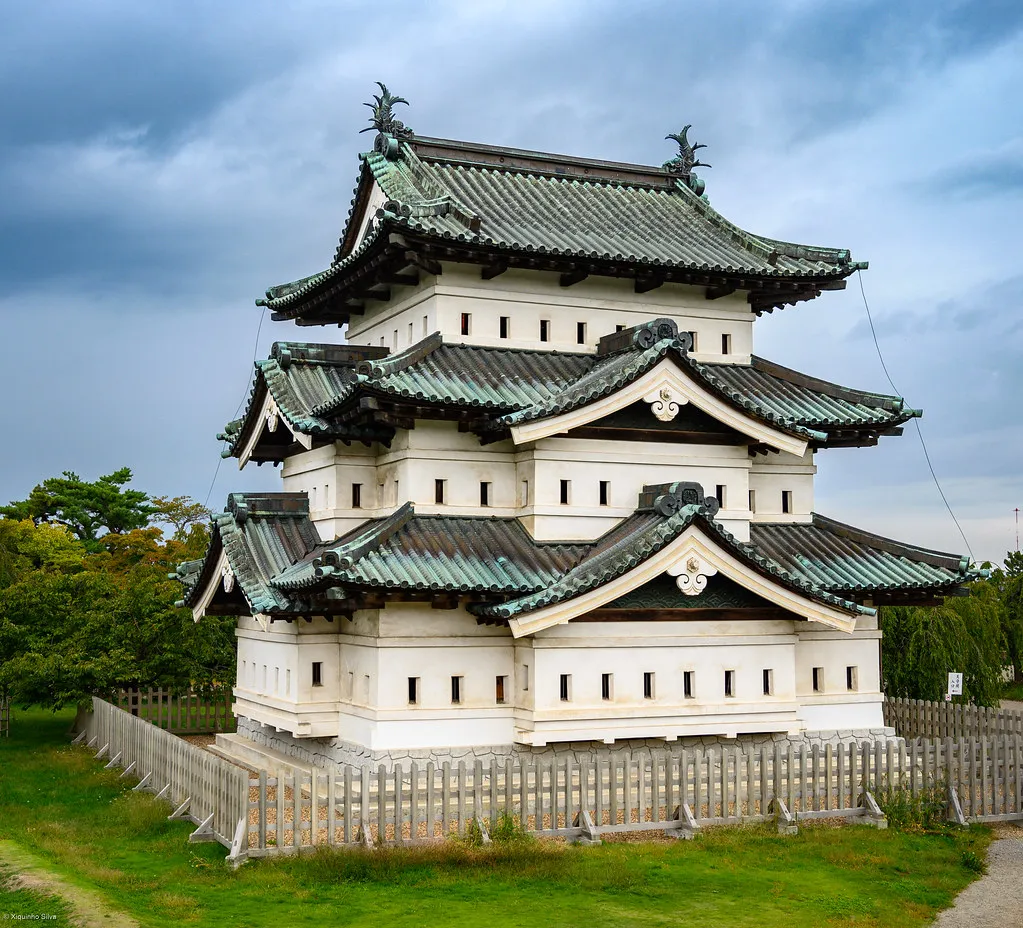
Spring is perhaps the most famous time to explore the northern reaches of Aomori Prefecture. The Hirosaki Park Cherry Blossom Info suggests that late April is the peak bloom window. Over 2,600 trees surround the castle, creating a pink carpet on the surrounding water moats. This period is also known as the Sakura Matsuri and attracts millions of visitors.
A unique spring attraction is the Hakkoda-Towada Gold Line, which opens in early April. Travelers can walk between snow walls that reach up to 9 meters / 30 feet high. This allows you to experience deep winter scenery and spring blossoms on the same day. The snow walls typically remain impressive through the end of May each year.
Spring weather remains quite chilly, especially in the evenings and early morning hours. Daytime highs rarely exceed 15°C / 59°F during the peak of the cherry blossom season. You will need a warm jacket even if the sun is shining brightly during the day. The transition from winter to spring is a beautiful but brisk time for outdoor exploration.
Summer: The Heat of the Nebuta Matsuri Festival
Summer in Aomori is defined by the energy of the Nebuta Matsuri festival. Massive illuminated paper floats parade through the streets of Aomori City from August 2 to 7. This is the busiest week of the year for the entire Tohoku region of Japan. Hotel rooms often sell out six months or more before the festival begins.
The weather in July and August is humid but generally cooler than Tokyo or Kyoto. Average highs stay around 28°C / 82°F, making it a popular escape from southern heat. The lush greenery of the Oirase Gorge provides a refreshing natural retreat. Hiking along the stream is best enjoyed during the clear days of late July.
Be aware of the Yamase wind, which can bring fog and cooler air to the coast. This phenomenon can make the bay area feel much cooler than the inland mountain regions. Pack a light layer for the evenings even during the peak of the summer heat. The festival atmosphere is electric, but the humidity can be taxing for long outdoor stays.
Autumn: Fiery Foliage and Peak Apple Season
Autumn is the best time for food lovers to visit the Aomori region for harvests. Aomori is Japan's top apple producer, responsible for over half of the national output, and picking season runs from September through November. Early varieties like Tsugaru peak in September, while the famous Fuji apples peak in late October. Many orchards near Hirosaki offer public picking experiences for a small fee.
The autumn foliage in Aomori peaks much earlier than in central or southern Japan. Colors usually reach their height in the Hakkoda Mountains by the middle of October. The Oirase Stream follows shortly after, showing brilliant yellows and reds by late October. Crucially, Aomori foliage peaks three to four weeks ahead of Kyoto and Tokyo, making it the ideal choice for travelers who want Japan's finest autumn colors before the southern crowds arrive.
Temperatures drop quickly in November as the region prepares for the first snowfall of winter. Daytime highs of 12°C / 54°F are common, requiring sweaters and medium-weight coats. Crowds are much smaller than in spring or summer, offering a more peaceful experience. The crisp air makes for excellent visibility when riding the Hakkoda Ropeway.
Winter: Deep Snow, Monsters, and Hot Springs
Winter in Aomori is remarkable rather than simply cold. The Hakkoda Mountains receive some of the world's heaviest snowfall, and by February the trees on the upper slopes are encased in ice formations called juhyo — commonly known as snow monsters. The Hakkoda Ropeway runs year-round and carries visitors up to Tamoyachidake Peak, where panoramic views of frozen ridgelines stretch toward the coast. Japan has just one other equally famous rime-ice spot — Mount Zao in Yamagata — where the "snow monsters" grow even larger.
Sukayu Onsen is the standout winter experience that few guides cover in detail. This historic hot spring is about 40 minutes by bus from Aomori Station and features the legendary Sennin-buro — a 1,000-person bath — one of Japan's few remaining traditional mixed-gender communal baths. The wooden bathhouse dates to 1694. Visitors should be aware that the bath is genuinely mixed-gender (not separated by partition), which is a culturally significant but uncommon format. Bring a small towel and check the bathing protocol on arrival.
The city itself hosts winter illumination events from late November into January. Hirosaki Castle grounds transform into a snowy wonderland during the Hirosaki Castle Snow Lantern Festival each February. Aomori city hotels are cheapest in January and February, with rates often 30 to 40 percent below the Nebuta Matsuri peak. Book mountain lodges and Sukayu Onsen well in advance, as they fill with domestic visitors during weekends.
The Hidden Value of June and September
June and September are the two months that most travel guides skip over, yet they offer some of the best value in Aomori. In June, the Yamase wind keeps temperatures mild at around 18 to 22°C / 64 to 72°F, and Oirase Gorge is lush and green with minimal foot traffic. Hotel rates drop sharply after Golden Week, and you can often book accommodation on short notice. The main drawback is occasional fog along the coast and reduced bus frequency on some mountain routes.
September is arguably the most underrated month of the year for visitors. Apple picking opens as early as mid-September with the Tsugaru variety, admission to orchards near Hirosaki typically runs 500 to 1,000 yen per person. The Hakkoda Mountains begin showing early foliage by the third week of September — a full month before the Tokyo crowds realize it is time to think about autumn leaves. Accommodation prices remain off-peak until the October holiday periods.
Golden Week (late April to early May) and the Nebuta Matsuri window (August 2 to 7) are the two hard-to-avoid crowd peaks. Both periods require reservations months in advance and push hotel rates to their yearly highs. If your schedule allows any flexibility, arriving the week before or after either window captures most of the scenery at a fraction of the cost.
Top Year-Round Attractions in Aomori City
Several key sites in Aomori City are worth visiting regardless of season. The Nebuta Museum WA RASSE, located beside the cruise terminal, displays full-scale illuminated festival floats with interactive exhibits and live craft demonstrations. It is open year-round and is the most efficient way to understand the cultural significance of the Nebuta Matsuri even if you visit outside August.
The Sannai-Maruyama Historical Site, a UNESCO World Heritage Site, is a 20-minute bus ride from Aomori Station. It preserves reconstructed pit dwellings, longhouses, and artifacts from the Jomon period, stretching back over 5,000 years. The on-site museum labels its exhibits in English, and visitors can try traditional craft activities on select days. Entry is free.
The Aomori Museum of Art sits five minutes from Sannai-Maruyama and holds a notable collection including the oversized "Aomori Dog" sculpture by locally born artist Yoshitomo Nara. The A-Factory waterfront market near the bay offers Aomori apple cider tasting, seasonal produce, and artisan goods with views across the bay — useful if you have a few hours to fill before a train or ferry departure.
Aomori Food Guide: Seafood Bowls and Miso Ramen
Food is a central reason to visit Aomori, and the local specialties are specific enough to plan meals around. The Furukawa Fish Market (open 07:00 to 16:00) is the city's most famous breakfast destination. The Nokke-don experience lets you build a custom rice bowl by spending a set of tokens on fresh toppings — grilled scallops from Mutsu Bay, sea urchin, minced tuna — across multiple market stalls. Tokens cost around 200 to 500 yen per topping, with a base bowl typically running 200 yen.
Miso curry milk ramen is Aomori's most distinctive noodle dish. Aji no Sapporo Onishi (open 11:00 to 18:00) is the benchmark restaurant for this style — a thick broth combining miso, curry powder, and creamy milk, topped with wakame seaweed, butter, and bean sprouts. The combination sounds unlikely but has been served here for decades. It is a short taxi ride from Aomori Station and is worth the detour from the bay area.
Kaiyaki Miso is another local dish worth seeking out: scallops cooked with egg and miso paste, served directly in a large scallop shell. Several small restaurants near Aomori Station serve this as a lunch set. For dessert, Angelique (open 10:00 to 18:00) bakes apple pies featuring varieties specific to the current harvest season — the filling changes from September through November as different apple types peak. Tsugaru lacquerware and dried scallops from the Auga Fish Market make practical, compact souvenirs.
Logistics: Getting to Aomori from Tokyo or the Port
The Tohoku Shinkansen is the most efficient way to reach the city from Tokyo. The Hayabusa train connects Tokyo Station to Shin-Aomori Station in roughly 3 to 4 hours. From Shin-Aomori, a short local train ride brings you to the central Aomori Station area. This route is fully covered by the Japan Rail Pass for international tourists.
Cruise passengers arriving at the Aomori Port will find the city center very accessible. Most major attractions in the bay area are only 10 to 20 minutes away by taxi. The Nebuta Museum WA RASSE and A-Factory are within easy walking distance of the port. Plan your time carefully if you only have a few hours during a port call.
Local transport to Hirosaki Castle takes about 45 minutes via the JR Ou Line from Aomori Station. Buses to the Hakkoda Ropeway depart from the front of Aomori Station throughout the day. Aomori Airport also receives domestic flights from Tokyo Haneda, Osaka, and Sapporo if you want to fly in and take the Shinkansen out. Driving is a great option in summer and autumn but is not recommended for winter travel on mountain routes.
What's Closed in Low Season
Travelers should be aware that Aomori's heavy winters cause several major seasonal closures. The Hakkoda-Towada Gold Line (Route 103) closes completely from late November to late March. This road connects Aomori City to scenic Lake Towada and is impassable during the winter. Many hiking trails in the Hakkoda range are also officially closed during these months.
Sightseeing boats on Lake Towada operate on a very limited schedule from mid-November. Some smaller museums and local restaurants in rural areas may close for the winter season. The the Hirosaki Castle keep interior is generally closed to the public from late November until March. Always check the official websites for specific How To Get To Aomori: 10 Essential Routes and Travel Tips transit updates.
Bus services between Aomori Station and the Oirase Gorge are significantly reduced in winter. While the main JR Bus route still runs, it may have fewer daily departures. Some mountain lodges and remote onsen may also have scheduled maintenance closures in June. Verify your destination's status if traveling outside the peak spring and summer windows.
Decision Guide: Is Aomori Worth Visiting?
Aomori rewards travelers who plan around a specific hook. If your sole reason is the Nebuta Matsuri, it is unquestionably worth the journey — the illuminated floats are on a scale that photographs cannot convey, and the festival energy is genuinely unlike anything else in Japan. If you are weighing Aomori against a more famous Tohoku destination, consider that Aomori's foliage season arrives weeks earlier than competitors and its crowds are a fraction of Nikko or Kyoto in October.
Travelers who find northern Japan too remote often underestimate the infrastructure. The Hayabusa Shinkansen makes Tokyo to Shin-Aomori a realistic day trip, and a three-night stay covers the city sights, a Hirosaki day trip, and Oirase Gorge comfortably. The food scene — Nokke-don, miso curry milk ramen, Mutsu Bay scallops — is reason enough on its own. Aomori Prefecture also borders Akita and Iwate, so it integrates naturally into a wider Tohoku itinerary.
For winter visitors, the calculus is straightforward: if you want Japan's deepest powder, most dramatic snow-monster scenery, and a genuine traditional onsen experience at Sukayu, Aomori has no close rival in Honshu. The caveats are limited transport hours on mountain roads and the need to book accommodation well ahead for ski weekends. Overall, Aomori consistently over-delivers relative to the effort required to reach it.
Frequently Asked Questions
How many days do you need in Aomori?
Most travelers find that 3 to 4 days is the ideal length for a visit. This allows time for Aomori City, Hirosaki Castle, and the Oirase Gorge. You may need more time if you plan to hike.
What is the coldest month in Aomori?
January is the coldest month in Aomori with average lows around -5°C / 23°F. It also sees the highest snowfall totals of the year. February is similarly cold with deep snow accumulation.
When is the best time for apple picking in Aomori?
The peak season for apple picking is from late September through mid-November. Early varieties start in September, while the famous Fuji apples are best in late October. Many orchards are near Hirosaki.
Is Aomori worth visiting in winter?
Yes, Aomori is excellent in winter for skiing and traditional hot springs. You can see the famous snow monsters on Mount Hakkoda in February. The city also hosts beautiful winter illumination events.
Aomori offers a rich variety of experiences that change dramatically with each passing season. Whether you want the pink petals of spring or the deep snow of winter, timing is key. Plan your trip around the late April blossoms or the early August festivals for the best results. The northern charm of Aomori Prefecture is sure to provide a memorable Japanese adventure.
Remember to book your 9 Best Areas and Tips for Where to Stay in Aomori (2026) accommodations early for peak dates. Check local forecasts and road closures if you plan to explore the mountain regions. This northern gem remains one of Japan's most rewarding destinations for those who travel off the beaten path.
Free guide: Japan's Hidden Gems
12 under-the-radar places beyond Tokyo & Kyoto — with the best season to visit each and a local tip you won't find in the guidebooks.
You might also like


Continue reading
More guides you'll find useful