Morioka Castle Ruins Park: 7 Essential Tips for Your Visit
Explore Morioka Castle Ruins Park with our guide to its famous granite stone walls, seasonal cherry blossoms, and the historic Sakurayama Shrine.
On this page
Morioka Castle Ruins Park stands as a beautiful symbol of history in the centre of Iwate Prefecture.
Once the home of the powerful Nanbu clan, this site now serves as a peaceful public space for everyone.
Visitors can explore massive stone walls and lush gardens that change with every season while visiting top Morioka attractions.
This guide provides everything you need to plan a perfect visit to this historic landmark in 2026.
Useful resources: Wikipedia's Morioka overview and Wikivoyage's Morioka travel guide have up-to-date access and background details.
What is Morioka Castle Ruins Park? (History & Overview)
Morioka Castle served as the seat of the Nanbu clan for over two centuries during the Edo period. Construction began in the late 16th century under the direction of Lord Nanbu Nobunao. The fortress was designed to protect the region and showcase the power of the local lords.
The original wooden structures were sadly demolished during the Meiji Restoration in the late 1800s. In 1906, the grounds were redesigned by modern landscape architects and opened as Iwate Park. Locals and tourists often use both names interchangeably when referring to this scenic destination.
Today, the site is recognized as one of the 100 Fine Castles of Japan due to its impressive remains. While the main keep is gone, the layout of the inner citadels remains clearly visible to walkers. Exploring the grounds offers a deep connection to the samurai heritage of northern Japan.
How to Get to Morioka Castle Ruins Park (Access & Parking)
Travelers often begin their journey at Morioka Station for a quick trip to the park grounds. Walking from the station takes about twenty minutes through the bustling city center. The path follows the scenic Nakatsu River and crosses the famous Kaiunbashi Bridge for great views.
The Dendenmushi loop bus offers a convenient alternative for those who prefer riding over walking. Buses depart frequently from the main terminal outside the station exit for easy transportation to Morioka sites. A flat fare of 130 yen covers the entire circular route through the downtown area.
Drivers will find several paid parking lots located around the perimeter of the park. Most lots charge by the hour and are busiest during festival seasons and weekends. Checking the (Official City Page) helps you find the most current parking maps and rates.
- Dendenmushi Loop Bus Details
- Fare: 130 yen flat
- Frequency: Every 10-15 minutes
- Route: Circular city loop
- Payment: Cash or IC card
The Famous Granite Stone Walls and Architecture
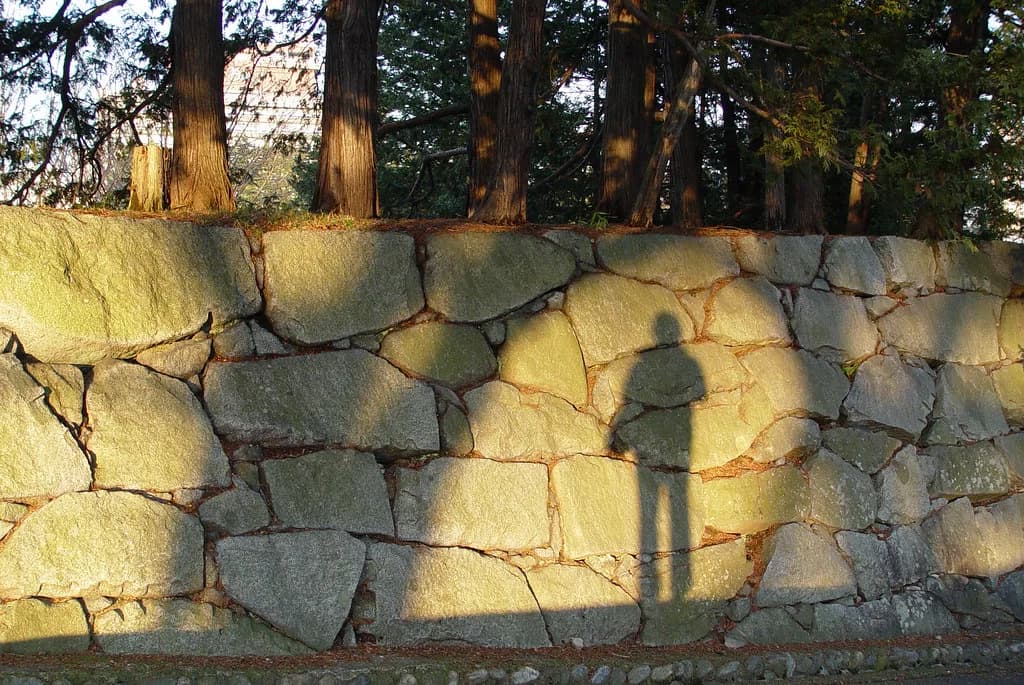
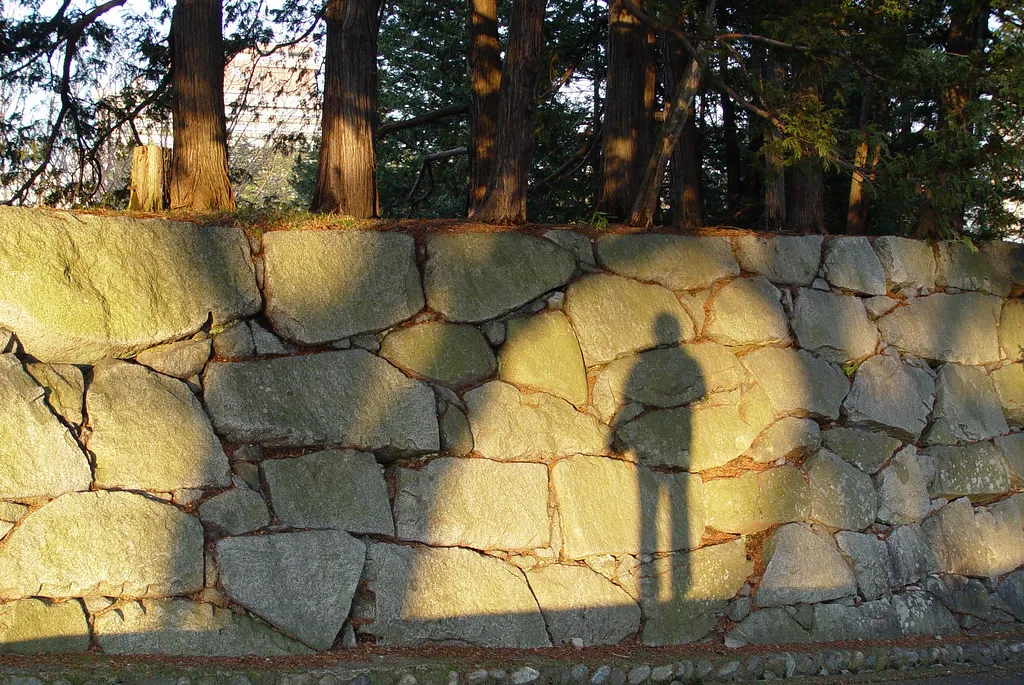
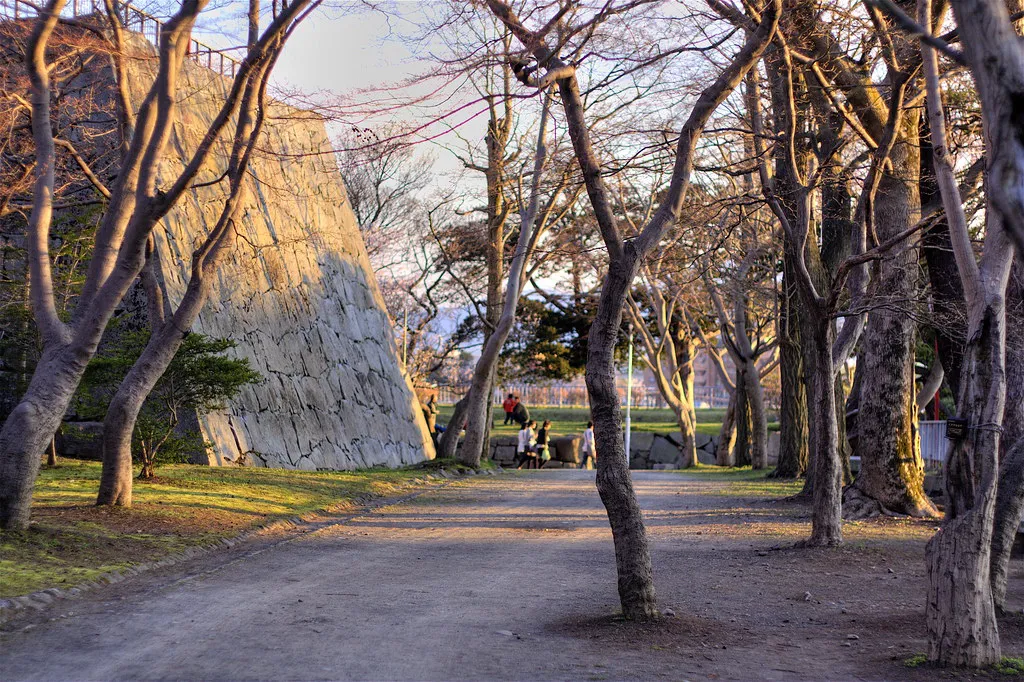
The granite stone walls are the most striking feature of Morioka Castle Ruins Park today. Unlike many other castles in the Tohoku region, these walls use high-quality local granite. This choice of material has allowed the structures to withstand centuries of harsh northern winters.
Architectural enthusiasts can observe three distinct masonry styles used throughout the various defensive layers. The oldest sections feature rough, uncut stones piled together for a natural appearance. Newer sections show more advanced techniques with tightly fitted, carved blocks that create smooth surfaces.
Walking along the inner moats reveals the sheer scale of the defensive engineering used by the Nanbu clan. You can find more detailed photos of these masonry styles on the Japan Activity blog for reference. These walls remain some of the best-preserved examples of castle masonry in all of Japan.
- Masonry Style Comparison
- Nozurazumi: Uncut natural stones
- Uchikomihagi: Partially shaped stones
- Kirikomihagi: Perfectly square blocks
- Material: Local white granite
Seasonal Highlights: Cherry Blossoms and Autumn Leaves
Spring brings a burst of color to the park as hundreds of cherry trees begin to bloom. The Morioka Cherry Blossoms: Best Spots and 2026 Viewing Guide typically peak in late April each year. Crowds gather under the trees for traditional hanami parties amidst the historic stone backdrops.
Autumn offers a different but equally stunning experience for nature lovers and photographers. From late October to early November, the maple and ginkgo trees turn vibrant shades of red and gold. The contrast between the colorful leaves and the grey granite walls is truly spectacular.
Winter transforms the park into a quiet, white wonderland that feels far removed from the city. Snow-covered walls and frozen moats create a serene atmosphere for a peaceful morning walk. Visit during the Best Time To Visit Morioka: A Seasonal Travel Guide to match your weather preferences.
Must-See Spots: Sakurayama Shrine and the Rock-Splitting Cherry Tree
Sakurayama Shrine sits at the foot of the castle ruins and serves as a spiritual hub. Visitors should look behind the main building to see the massive Eboshi-iwa rock. This giant granite boulder resembles a traditional courtier's hat and is considered a sacred site.
A short walk from the park leads you to the famous Ishiwarizakura, or Rock-Splitting Cherry Tree. This resilient tree grows directly out of a crack in a massive granite boulder in front of the courthouse. It is a designated national monument and a a highlight for any visitor to the area.
Walking between these two sites allows you to experience the unique blend of nature and spirituality in Morioka. The shrine often hosts local events that bring the community together in the park shadows. Take a moment to appreciate the quiet dignity of these ancient landmarks during your tour.
Morioka History and Culture Museum
The Morioka History and Culture Museum is located right at the edge of the park grounds. This modern facility offers a deep dive into the local traditions and the story of the Nanbu clan. It provides an excellent starting point for those who want to understand the ruins better.
Inside, you can view impressive displays of the giant floats used in the local festivals. The museum also features detailed models of how the castle looked before it was dismantled. These exhibits help visitors visualize the grand scale of the original fortress and its surrounding town.
Admission to the museum is very affordable for families and solo travelers alike. The second floor offers rotating exhibitions that change throughout the year to highlight different historical eras. It is a perfect indoor activity if the weather turns rainy during your outdoor exploration.
- Museum Visitor Information
- Adult Fee: 300 yen
- Student Fee: 200 yen
- Opening Hours: 9 AM - 7 PM
- Verdict: Highly recommended
Practical Tips: Admission, Hours, and Nearby Sightseeing
Entry to Morioka Castle Ruins Park is free for all visitors throughout the year. The park remains open 24 hours a day, making it a great spot for an evening stroll. Many paths are well-lit at night, especially during the peak cherry blossom and autumn leaf seasons.
Food lovers should try the famous wanko soba in Morioka after exploring the castle grounds. Several traditional restaurants are located within a five-minute walk of the park entrance. This local noodle challenge is a fun way to end your sightseeing day with a full stomach.
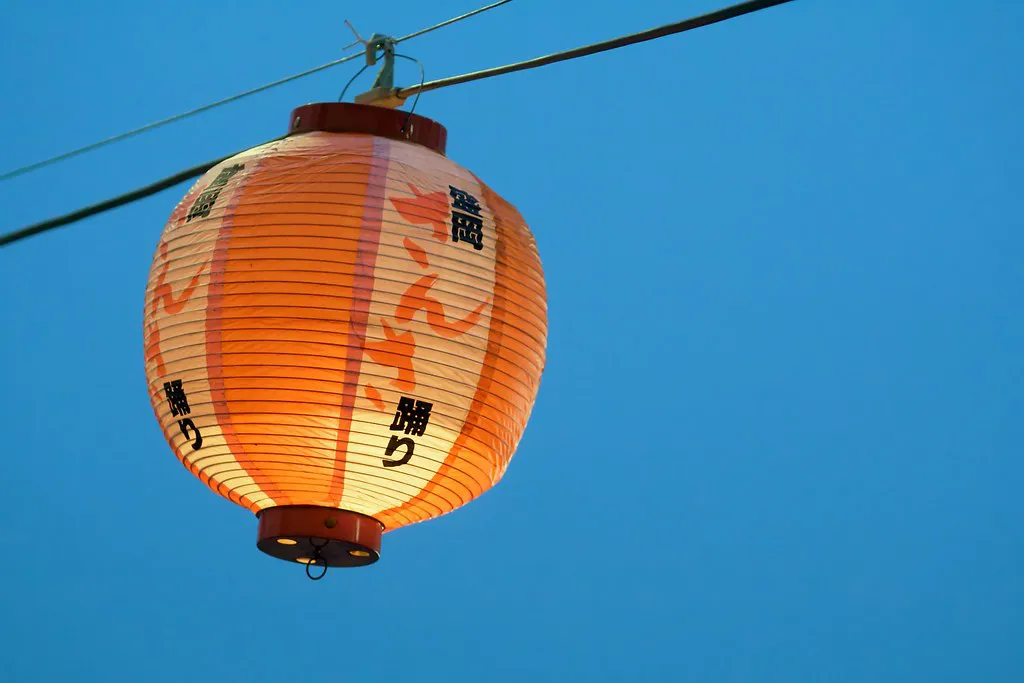
If you visit in late July, keep an ear out for the sound of Taiko drums. Local teams often practice for the Sansa Odori festival in the park during the evening hours. Watching these performers prepare for the parade adds a unique cultural layer to your visit in 2026.
Frequently Asked Questions
Is there an entrance fee for Morioka Castle Ruins Park?
No, admission to the park itself is completely free for all visitors. You can explore the stone walls and gardens at no cost. However, the nearby Morioka History and Culture Museum does charge a small entry fee for its exhibits.
How long does it take to walk through the park?
Most visitors spend between one and two hours exploring the various levels and citadels. If you plan to visit the Sakurayama Shrine and the museum, allow for three hours. The park is easy to navigate on foot for most travelers.
When is the best time to see cherry blossoms in Morioka?
The cherry blossoms usually peak in late April, which is slightly later than in Tokyo or Kyoto. This makes it a great spot for those who missed the earlier blooms elsewhere. You can check the best places to stay nearby for early morning access.
Are there restrooms and facilities inside the park?
Yes, there are several public restrooms and benches located throughout the park grounds. You will also find vending machines for drinks near the main entrances. The park is well-maintained and very accessible for families with children.
Can I see the original castle buildings today?
The original wooden buildings were demolished in 1874, so only the stone walls and moats remain. You can see a detailed model of the original castle at the History and Culture Museum. The granite walls still provide a clear sense of the castle's former grandeur.
Morioka Castle Ruins Park offers a striking mix of samurai history and seasonal natural beauty.
Whether you are admiring the granite walls or eating local noodles nearby, the park provides a memorable experience.
Plan your trip to this Iwate gem to discover one of the most unique historic sites in Northern Japan.
Free guide: Japan's Hidden Gems
12 under-the-radar places beyond Tokyo & Kyoto — with the best season to visit each and a local tip you won't find in the guidebooks.
You might also like


Continue reading
More guides you'll find useful