

10 Best Things To Do In Morioka (2026)
Discover the best things to do in Morioka, from the 'Three Great Noodles' to the historic Red Brick Building. Includes 2026 JR Pass updates and local festival tips.
On this page
Our editorial team has watched Morioka transform from a quiet regional capital into a global must-visit destination. After the New York Times highlighted this city in 2023, the local tourism scene has flourished while maintaining its authentic charm. Last updated June 2026, this guide reflects the latest pricing and transport updates for your next Tohoku adventure.
Travelers often reach Morioka via the Tohoku Shinkansen, finding a city framed by the majestic Mt. Iwate. The layout is remarkably walkable, connecting Meiji-era architecture with vibrant riverside parks and legendary noodle shops. We recommend spending at least two days here to fully appreciate the slower pace and deep cultural roots of Iwate Prefecture.
Whether you are chasing the spring blossoms or looking for a winter retreat, Morioka offers a unique blend of urban convenience and mountain scenery. This list covers the essential sights that make the city a standout stop on any northern Japan itinerary. Prepare your appetite for a noodle-centric journey that defines the local lifestyle.
Useful resources: Wikipedia's Morioka overview and Wikivoyage's Morioka travel guide have up-to-date access and background details.
Key Takeaways
- Best overall: Morioka Castle Site Park for history and seasonal beauty.
- Best for families: Morioka Handi-Works Village for interactive craft workshops.
- Best rainy-day: The Bank of Iwate Red Brick Building and local noodle shops.
- Best free activity: Viewing the Ishiwarizakura and the Mt. Iwate skyline from Asahi Bridge.
10 Best Things To Do In Morioka
Exploring Morioka requires a mix of historical curiosity and a very empty stomach. The city center is divided by the Kitakami and Nakatsu rivers, creating a scenic backdrop for the main attractions. Most major sights sit within a twenty-minute walk of the central bus terminal or the main train station.
Visitors should prioritize the "Three Great Noodles" as they represent the heart of local identity. Beyond the food, the city's ironware heritage and Meiji-era landmarks provide a glimpse into Japan's rapid modernization. We have selected these ten items to provide a balanced view of Morioka's past and present.
While the city is gaining fame, it remains much less crowded than Tokyo or Kyoto. This allows for a more intimate experience at shrines and in the quiet alleys of the old merchant districts. Keep an eye out for the many public sculptures and craft shops that line the streets.
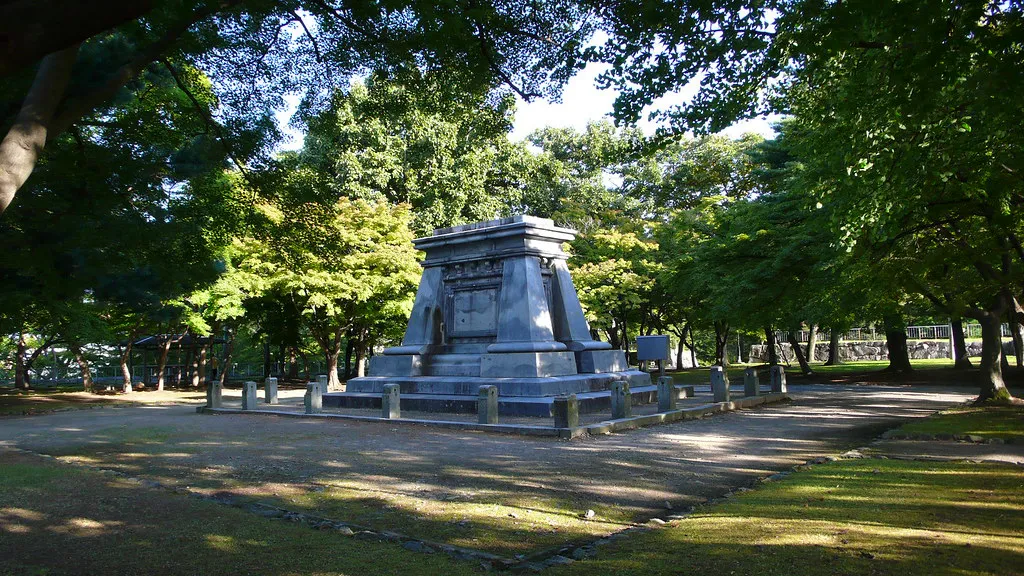
- Morioka Castle Site Park (Kozukata Park)
- This historic park occupies the former site of the Nanbu clan's massive fortification.
- Massive stone walls remain as a testament to the city's feudal importance and offer great views.
- Entrance is free for everyone, and the park remains open twenty-four hours a day for strolls.
- Visit in late April to see hundreds of cherry trees blooming against the ancient gray stone.
- Bank of Iwate Red Brick Building
- Designed by Kingo Tatsuno, this iconic structure shares its architectural DNA with the famous Tokyo Station.
- The striking red brick and white granite exterior makes it the most photographed building in the city.
- Standard entry costs about $3 per adult, and it typically opens from 10:00 am to 5:00 pm.
- We suggest checking out the opulent interior ceilings which are closed on Tuesdays.
- Morioka Hachimangu Shrine
- This vibrant shrine serves as the spiritual center of the city and hosts major annual festivals.
- The complex is famous for its colorful carvings and the unique 'tai' fish fortune-telling game.
- Admission to the main grounds is free, and the site is accessible daily throughout the year.
- According to the Morioka-Hachimantai Wide Tourist Area (Official), it is a top spot for New Year prayers.
- Ishiwarizakura (The Rock-Breaking Cherry Tree)
- A four-hundred-year-old cherry tree grows directly out of a massive granite boulder in front of the courthouse.
- This botanical wonder is a symbol of resilience and a designated national natural monument.
- Viewing the tree is free, and it is located just a ten-minute walk from the castle park.
- The blossoms usually peak in mid-April, drawing large crowds of local photographers and nature lovers.
- Wanko Soba Challenge at Azumaya
- Diners compete to eat as many small bowls of buckwheat noodles as possible in one sitting.
- Servers chant rhythmically as they toss new portions into your bowl until you cover it with a lid.
- A full meal challenge typically costs between $25 and $35 depending on the side dishes chosen.
- We recommend making a reservation at the main Azumaya branch to avoid long lunchtime waits.
- Morioka Reimen at Pyon-Pyon-Sha
- These chewy, cold noodles are served in a chilled beef broth with kimchi and seasonal fruit.
- The dish was adapted from Korean cold noodles and has become a staple of local summer dining.
- Expect to pay around $8 to $15 for a standard bowl at this famous local chain.
- Most locations open daily from 11:00 am until late, often serving as a popular dinner spot.
- Morioka Jajamen at Pairon
- Thick wheat noodles are topped with a savory black miso meat sauce and fresh cucumber.
- The traditional way to finish the meal is by cracking an egg into the remaining sauce for soup.
- A bowl at the original Pairon shop near the castle costs roughly $5 to $10.
- Arrive before the 11:00 am opening time because the tiny shop often has a queue down the street.
- Nanshoso Garden and Estate
- This beautifully preserved Meiji-era residence features a traditional Japanese garden that reflects the changing seasons.
- The wooden corridors offer a peaceful place to sit and view the meticulously manicured pond and moss.
- Entry is approximately $3, and the estate is open from 9:00 am to 5:00 pm most days.
- Autumn is particularly stunning here when the maple leaves turn vibrant shades of red and orange.
- Morioka Handi-Works Village (Tezukuri-mura)
- Visitors can watch local artisans create traditional Nambu Tekki ironware and hand-woven textiles.
- Workshops allow you to try making your own crackers or pottery for a small additional fee.
- General admission to the village is free, though individual craft experiences vary in price.
- The village is located on the outskirts, so plan for a thirty-minute bus ride from the station.
- Koiwai Farm (Makiba-en)
- Located at the foot of Mt. Iwate, this historic private farm offers fresh dairy and outdoor activities.
- Families enjoy the sheep-shearing demonstrations and the famous soft-serve ice cream made on-site.
- Admission fees range from $5 to $10, and the park typically opens from 9:00 am to 5:00 pm.
- The farm's lone cherry tree in the pasture is one of the most iconic landscapes in Iwate.
The Three Great Noodles of Morioka: A Culinary Essential
Morioka is widely recognized across Japan as a sanctuary for noodle enthusiasts. The "Three Great Noodles" consist of Wanko Soba, Reimen, and Jajamen, each offering a completely different texture and flavor. Eating all three during a single trip is considered a rite of passage for many visitors.
Wanko Soba is more of an event than a simple meal, involving an all-you-can-eat format with a personal server. In contrast, Morioka Reimen provides a refreshing, spicy kick that is perfect for humid summer afternoons. Jajamen offers a hearty, savory experience that locals often customize with vinegar, chili oil, and garlic.
We suggest trying Jajamen for lunch as it is quick, affordable, and incredibly filling. Save the Wanko Soba challenge for a dinner when you have plenty of time to enjoy the competitive atmosphere. Most shops are clustered near the station or the central Odori shopping street for easy access.
Museums, Art, and Culture: From Red Bricks to Modern Art
The architectural landscape of Morioka is defined by its transition from a castle town to a modern city. Walking along the Nakatsu River, you will see western-style buildings from the early 20th century standing beside traditional warehouses. The Bank of Iwate Red Brick Building remains the crown jewel of this Meiji-era heritage.
Art lovers should visit the Iwate Museum of Art, which showcases works by prominent local artists. The museum building itself is a modern masterpiece with large windows that frame the surrounding mountains. Expect to find rotating exhibitions that bridge the gap between traditional crafts and contemporary sculpture.
Nambu Tekki ironware is perhaps the most famous cultural export from this region. These heavy, durable iron kettles are prized for their ability to improve the taste of tea and last for generations. Many small workshops still operate in the city, allowing you to see the casting process firsthand.
Parks and Nature: Morioka Castle Site and the Rock-Breaking Cherry Tree
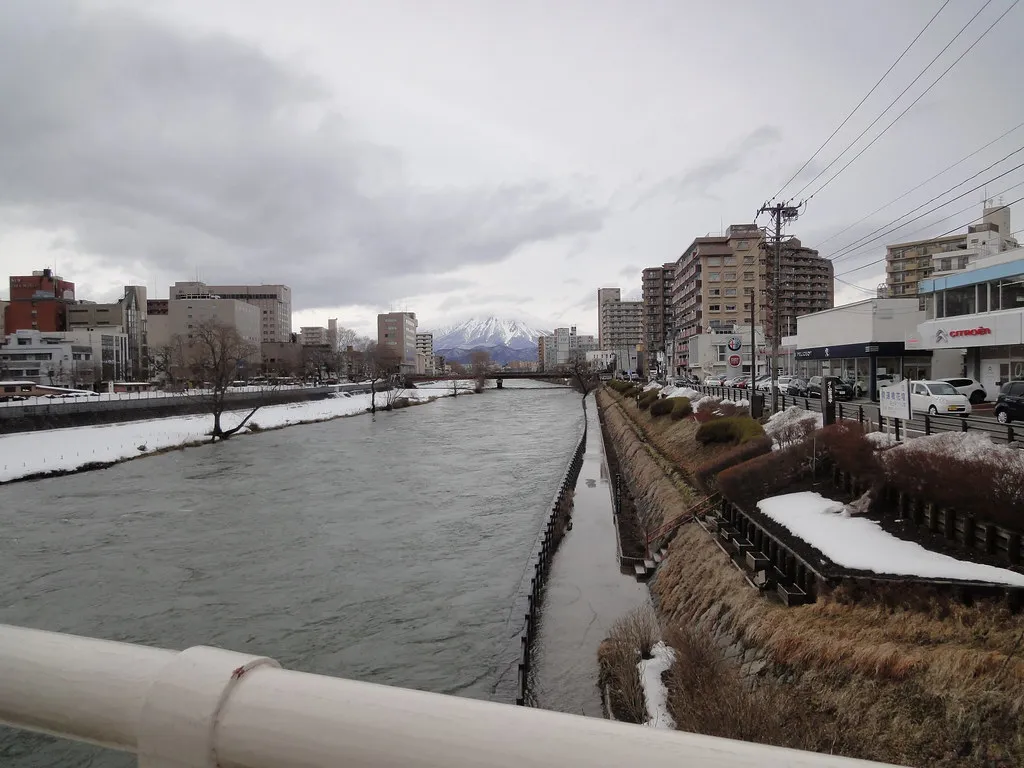
Nature is never far away in Morioka, with the city built at the confluence of three major rivers. The Kaiunbashi and Asahi bridges offer the most iconic views of Mt. Iwate rising above the skyline. On clear days, the mountain's snow-capped peak creates a dramatic backdrop for the urban landscape.
The Morioka Castle Site Park serves as the city's green lung throughout the year. While the wooden castle towers no longer stand, the massive stone foundations create a unique atmosphere for walking. It is the primary venue for seasonal festivals and a favorite spot for local morning joggers.
If you are visiting in late April, the Ishiwarizakura is a mandatory stop on your walk. The sight of delicate pink petals emerging from a split granite rock is a powerful image of nature's strength. This tree is often the first in the city to bloom due to the heat retained by the boulder.
Morioka Sansa Odori Festival: The World's Largest Drum Festival
Every August, the streets of Morioka come alive with the sound of thousands of taiko drums. The Sansa Odori Festival holds a Guinness World Record for the largest simultaneous drum parade. Dancers in traditional yukata perform synchronized moves while chanting "Sansa-Sansa" to the beat.
The festival originated from a legend where local people danced to celebrate the expulsion of a demon. Today, it is a massive four-day event that draws over a million spectators to the city center. We recommend booking your Morioka accommodation several months in advance if you plan to attend.
Visitors are encouraged to join the "Wa-odori" circles at the end of the nightly parades. Local volunteers are usually on hand to teach the basic steps to anyone willing to participate. Check the Japan Activity blog for updated festival dates and parade routes.
Essential Morioka FAQ: Weather, Logistics, and JR Pass Updates
Morioka is a year-round destination, but each season requires different preparation. Winter can be quite cold with temperatures often dropping below freezing, so pack heavy layers. Spring and autumn are the most comfortable times for walking tours and outdoor sightseeing.
For those using the rail network, the JR East Pass Official Site provides the latest booking rules. The 2026 updates have streamlined the digital seat reservation process for the Hayabusa Shinkansen. Most travelers find that the pass pays for itself with just one round trip from Tokyo.
Regarding what to skip, we suggest prioritizing the central cultural sites over the Morioka City Zoo if your time is limited. The zoo is a bit far from the center and offers a more standard experience than the unique local shrines. Focus on the riverside walks and noodle shops to get the true essence of the city.
Morioka remains one of Japan's most rewarding destinations for those who venture north of Tokyo. With its world-class noodle culture, stunning mountain views, and rich architectural history, it offers a deep sense of place. We hope this guide helps you navigate the best things to do in Morioka during your 2026 travels.
Whether you are competing in a soba challenge or admiring the resilience of a rock-breaking tree, the city leaves a lasting impression. Take your time to explore the quiet corners and enjoy the famous hospitality of Iwate Prefecture. Safe travels as you discover the heart of Tohoku.
Continuing through Tohoku? See our guides to Akita and the samurai town of Kakunodate, on the Akita Shinkansen Komachi line.
Heading into Fukushima/Tohoku? Don't miss the samurai castle town of Aizuwakamatsu — the Tsuruga Castle, the Byakkotai story, and the thatched post town of Ouchi-juku.
Browse the Morioka attraction directory for individual visitor guides, access details, and practical tips.
Going deeper on this theme? Our 6 Best Morioka Festivals to Plan a Trip Around guide covers it in detail, with the practical planning this page leaves out.
Frequently Asked Questions
How many days do you need in Morioka?
One to two days is ideal — a day for the castle park, the three great noodles and downtown, plus a day trip to Hiraizumi or Koiwai Farm.
What is Morioka famous for?
Morioka is known for its 'three great noodles' (wanko soba, jaja-men and reimen), the Morioka Castle Ruins Park, Meiji-era red-brick architecture, and as the relaxed gateway to Iwate. The New York Times named it a top place to visit in 2023.
How do you get to Morioka?
Take the Tohoku Shinkansen — about 2 hours 10 minutes from Tokyo and roughly 40 minutes from Sendai. Morioka Station is also the junction for the Akita and Hokkaido Shinkansen.
What are Morioka's three great noodles?
Wanko soba (bottomless buckwheat noodles), jaja-men (flat noodles with miso meat sauce) and reimen (chewy cold noodles in a spicy-tangy broth).
When is the best time to visit Morioka?
Late April for cherry blossoms, including the famous Ishiwarizakura rock-splitting tree, and early August for the Sansa Odori drum-and-dance festival.
Is Morioka worth visiting?
Yes — it's an easygoing castle town with excellent food, riverside walks, spring blossoms and quick access to Hiraizumi, Koiwai Farm and Hachimantai.
Free guide: Japan's Hidden Gems
12 under-the-radar places beyond Tokyo & Kyoto — with the best season to visit each and a local tip you won't find in the guidebooks.
You might also like


Continue reading
More guides you'll find useful


