Morioka Cherry Blossoms: Best Spots and 2026 Viewing Guide
Plan your Morioka cherry blossom trip with our 2026 guide. Discover the rock-splitting Ishiwari Zakura, Takamatsu Park views, and expert transport tips.
On this page
The peak viewing window for Morioka cherry blossoms usually falls between mid-April and early May each year. Last updated June 2026, this guide highlights the best spots for spring travelers. Morioka offers a unique blend of historical stone walls and resilient floral displays.
Visitors often prefer the shoulder season during late April for the best weather. Daytime temperatures typically range from 10–18°C / 50–64°F during the blooming peak. Evening air remains quite crisp due to the mountain winds from nearby Mt. Iwate. Planning ahead is essential for securing the best accommodation in the city center.
The city serves as a perfect hub for exploring the wider Tohoku region. You will find iconic trees growing directly out of massive granite boulders. Lakeside parks provide stunning reflections of snow-capped peaks and pink petals. Morioka maintains a quieter atmosphere compared to the crowded parks in Tokyo or Kyoto.
Useful resources: Wikipedia's Morioka overview and Wikivoyage's Morioka travel guide have up-to-date access and background details.
Morioka Cherry Blossom Timing and 2026 Forecast
The blooming cycle in northern Japan starts later than in southern regions. Most trees begin to open their petals around April 15 based on historical climate data. Full bloom typically occurs between April 20 and April 28 in central Morioka. High-altitude areas like Discovering Koiwai Farm Morioka may bloom even later into early May.
Expect daytime highs of 14–20°C / 57–68°F during the peak week. Nightly lows often drop to 3–7°C / 37–45°F, requiring warm outer layers. The cold 'Yama-oroshi' wind from Mt. Iwate can make the air feel much cooler. Check the Morioka City Tourism Division for daily updates during the season.
Rainy days can shorten the viewing window by knocking petals off the branches. Early May visitors can still find late-blooming varieties in the city outskirts. The first week of May often coincides with the busy Golden Week holiday period. Booking your Shinkansen seats well in advance is highly recommended for late April.
Season Comparison
Choosing the right week depends on your preference for crowds and blossom stages. Early April is often too cold for blossoms but offers lower hotel prices. Mid-April marks the start of the festival season with local food vendors. Late April provides the most vibrant colors and full-bloom photography opportunities.
Early May transitions into lush greenery as the petals begin to fall. Most festival stalls remain active until the end of the Golden Week holidays. Crowd levels peak significantly during the final days of April. Mid-week visits are much quieter than weekends for those seeking peaceful walks.
| Month-Half | Weather | Crowds | Prices | Events | Best for |
|---|---|---|---|---|---|
| Early April | 4–12°C / 39–54°F | Low | Budget | Budding | Quiet walks |
| Mid-April | 8–15°C / 46–59°F | Moderate | Standard | Festivals | First blooms |
| Late April | 10–18°C / 50–64°F | High | Peak | Illumination | Full bloom |
| Early May | 12–21°C / 54–70°F | Very High | Peak | Golden Week | Late petals |
Ishiwari Zakura: The Legendary Rock-Splitting Tree
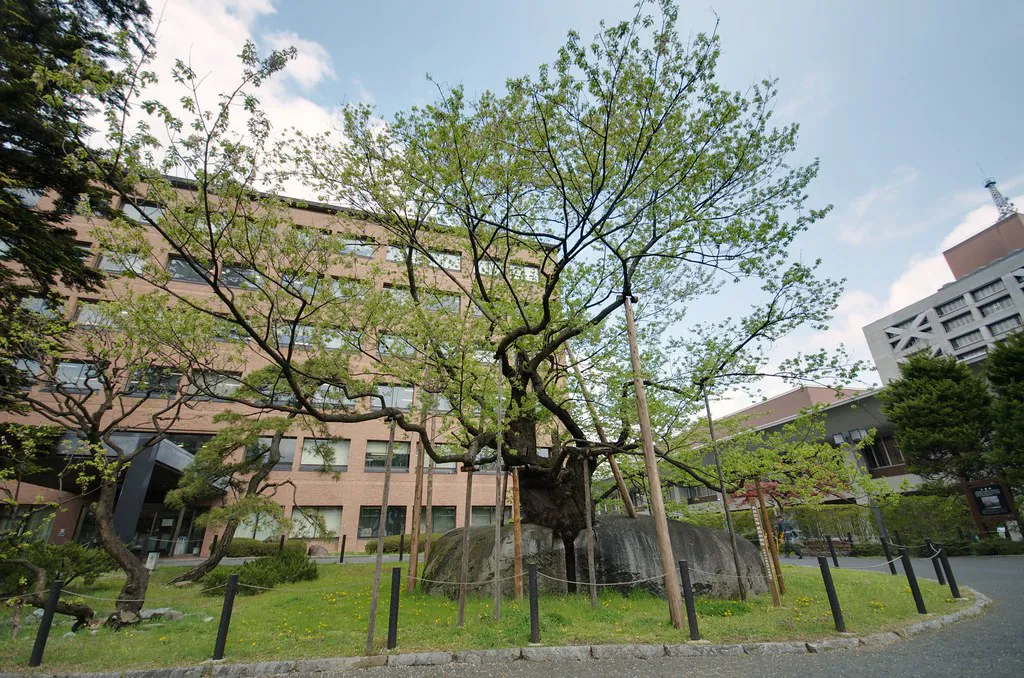
The Rock-Breaking Cherry Tree (Wikipedia) is a national natural monument of Japan. This 400-year-old Edohigan tree grows from a granite boulder with a 21-meter circumference. It stands 11 meters tall and symbolizes the resilience of the Tohoku spirit. The tree is located on the grounds of the Morioka District Court.
Local firefighters famously saved this tree from a massive courthouse fire in 1932. They prioritized the survival of the cherry tree over the burning building nearby. This act of devotion cemented the tree's status as a local cultural treasure. Visitors can view the tree for free throughout the day and evening.
Evening illuminations run from sunset until 21:00 during the peak blooming period. The white blossoms contrast beautifully against the dark gray granite and night sky. Security guards manage the flow of visitors to prevent overcrowding on the sidewalk. Photography enthusiasts should bring a tripod for stable long-exposure shots at night.
Takamatsu Park: Lakeside Hanami and Mt. Iwate Views
Takamatsu Park features over 800 cherry trees planted around a large central pond. The 1.4km pond circumference offers a scenic walking path for all fitness levels. Snow-capped Mt. Iwate provides a dramatic backdrop for your blossom photos. Rent a small rowboat to see the flowers from the water's surface.
The park is a 15-minute bus ride from Morioka Station for 220 yen. Local vendors sell traditional snacks like yakisoba and grilled squid during the festival. Illuminations light up the lakeside trees from 18:00 until 21:00 every night. Most visitors find the park offers the best variety of blossom species.
Picnic areas are available for those who want to experience traditional hanami. Arrive before noon to secure a good spot under the blooming branches. The park remains open to the public without any admission fees. Check the 10 Best Things To Do In Morioka guide for other nearby park activities.
Morioka Castle Ruins Park (Iwate Park)
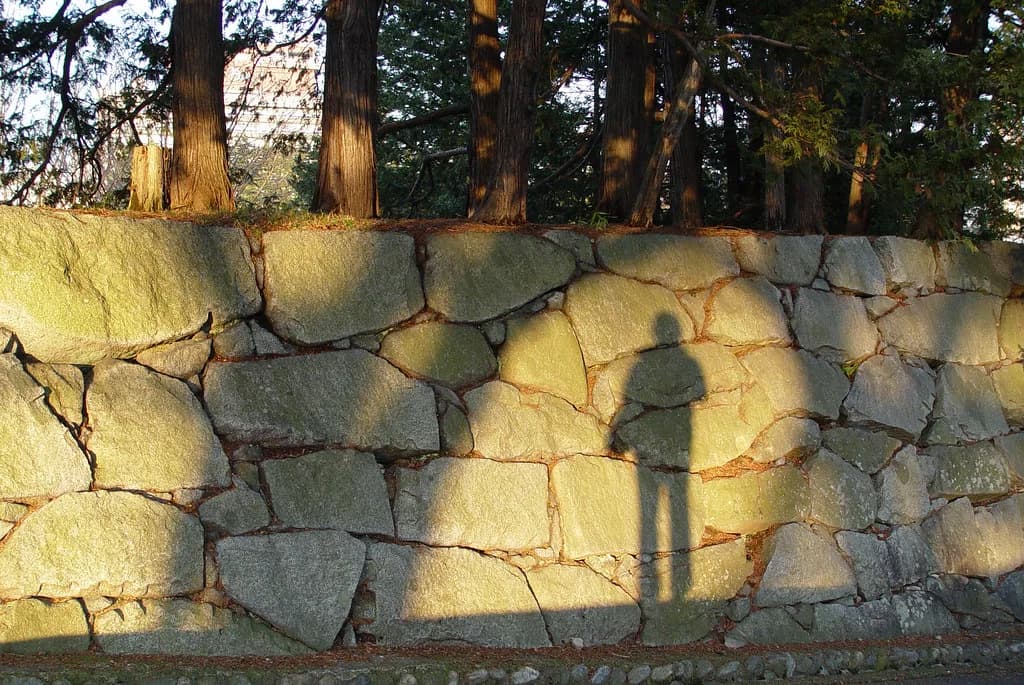
The Morioka Castle Ruins Park: 7 Essential Tips for Your Visit features impressive granite walls and 200 cherry trees. Somei Yoshino and Sato-zakura varieties create a dense canopy of pink petals here. The park is located just a 20-minute walk from the main train station. Take the 100-yen community bus to the 'Morioka Castle Ruins Park Mae' stop.
The elevated stone platforms provide excellent views of the surrounding city skyline. Evening lights illuminate the ruins and trees from 18:00 until 21:30 nightly. This location is often less windy than the lakeside parks on the outskirts. It serves as a central gathering point for local residents and students.
The park grounds are particularly beautiful when petals cover the historic stone steps. Public restrooms and vending machines are conveniently located near the park entrance. Nearby cafes offer seasonal cherry blossom-themed treats and hot tea for visitors. Consult a where to stay guide to find hotels near the park.
Which Season Is Right for You?
Each traveler has different priorities when visiting northern Japan in the spring. Families often prefer the wide open spaces and boat rentals at Takamatsu Park. Solo travelers might enjoy the quiet historical atmosphere of the castle ruins. Your choice of dates will determine the atmosphere of your Morioka visit.
Peak bloom offers the most beauty but requires navigating much larger crowds. Early spring provides a more peaceful experience for those avoiding the rush. Budget-conscious visitors should aim for the weeks before the Golden Week holiday. Luxury travelers can enjoy the premium transport options available from Tokyo.
- Pick mid-April if you want
- Fewer crowds and lower hotel prices
- Pick late April if you want
- The best full-bloom photography opportunities
- Pick early May if you want
- Lively festival atmosphere and late blossoms
- Pick the weekdays if you want
- Easier access to popular photo spots
What's Closed in Low Season
Many seasonal amenities in Morioka operate only during the peak spring months. Food stalls in Takamatsu Park typically close from November through early April. Public restrooms in smaller parks may be locked during the winter season. Rental boat services on the pond do not operate until the blossoms appear.
Some community bus routes have reduced schedules during the colder winter months. Outdoor seating at local cafes is often removed until the weather warms up. Evening illuminations at the castle ruins are strictly a seasonal spring event. Check local listings for specific museum hours during the transition to spring.
What to Pack
Spring weather in the Tohoku region can be quite unpredictable and cold. Layering is the most effective strategy for staying comfortable throughout the day. Mornings are often chilly while afternoons can become surprisingly warm and sunny. A windproof jacket is essential for the gusty conditions near Mt. Iwate.
Comfortable walking shoes are necessary for navigating the large park grounds. The gravel paths at the castle ruins can be uneven for some visitors. Bring a portable power bank to keep your camera and phone charged. Cold temperatures can drain electronic batteries faster than you might expect.
- Light down jacket
- Essential for cold evening illuminations
- Comfortable walking shoes
- For the 1.4km Takamatsu pond path
- Portable power bank
- Cold weather drains phone batteries quickly
- Small picnic mat
- Useful for sitting under the trees
Kitakami Tenshochi: A Nearby Shinkansen Day Trip
Kitakami Tenshochi is one of the top cherry blossom spots in Japan. It is located only 20 minutes away from Morioka via the Shinkansen. The park features a 2-kilometer path lined with 10,000 cherry trees. Sightseeing boats offer unique views from the middle of the Kitakami River.
Traditional horse-drawn carriages transport visitors along the floral tunnel during peak bloom. Take a 7-minute taxi from Kitakami Station to reach the main park entrance. The 'Double Hanami' strategy allows you to see two world-class sites easily. Most visitors find this day trip to be a highlight of their trip.
Evening illuminations here create a magical reflection on the river water surface. Food stalls offer regional specialties that differ slightly from those in Morioka. The JR East Pass covers the Shinkansen ride between these two major cities. Check the Japan Activity blog for more regional itinerary ideas.
Transport Guide: Reaching Morioka via Tohoku Shinkansen
The Hayabusa Shinkansen is the fastest way to reach Morioka from Tokyo. The journey takes approximately 130 minutes on the high-speed E5 series trains. Luxury travelers can book the 'Gran Class' for a supreme travel experience. This premium cabin includes spacious seating and high-quality seasonal meal service.
Morioka Station is the central hub for all local bus and train lines. The How to Get to Morioka: A Complete Travel Guide guide provides more details on regional transit. Purchase a JR East Pass to save money on multiple Shinkansen trips. Local community buses offer a flat 100-yen fare for central city loops.
Walking is a viable option for visiting the castle ruins and courthouse tree. Bicycles can be rented near the station for a more flexible exploration. Taxis are readily available for reaching the further outskirts like Takamatsu Park. Always check the final train times if you are staying outside the city.
Frequently Asked Questions
When is the best time to see cherry blossoms in Morioka?
The best time is usually from mid-April to early May. Peak bloom typically occurs in the last week of April. Temperatures range between 5–15°C / 41–59°F during this period.
How do I get to the rock-splitting cherry tree?
The Ishiwari Zakura is a 20-minute walk from Morioka Station. It is located at the Morioka District Court. You can also take a local bus to the Chuo-dori stop.
Is Morioka Castle Ruins Park worth visiting for sakura?
Yes, it features 200 trees against historic stone walls. The park offers beautiful evening illuminations until 21:30. It is a central spot for photography and picnics.
Morioka provides some of the most resilient and beautiful cherry blossom views in Japan. The combination of the Ishiwari Zakura and Takamatsu Park creates a diverse itinerary. Travelers should prepare for the cool mountain winds and crisp evening temperatures. Plan your 2026 visit during the last week of April for the best experience.
Using the Shinkansen makes it easy to explore nearby sites like Kitakami Tenshochi. The city offers a peaceful alternative to the more crowded southern blossom destinations. Your journey through the Tohoku region will be filled with stunning natural scenery. Morioka remains a top choice for those seeking authentic Japanese spring traditions.
Free guide: Japan's Hidden Gems
12 under-the-radar places beyond Tokyo & Kyoto — with the best season to visit each and a local tip you won't find in the guidebooks.
You might also like

Continue reading
More guides you'll find useful