
Morioka Hachimangu Shrine Travel Guide: History, Etiquette & Tips
Discover Morioka Hachimangu Shrine, Iwate's largest shrine. Learn about its 1680 history, the Twelve Zodiac shrines, omikuji fishing, and how to get there from Morioka Station.
On this page
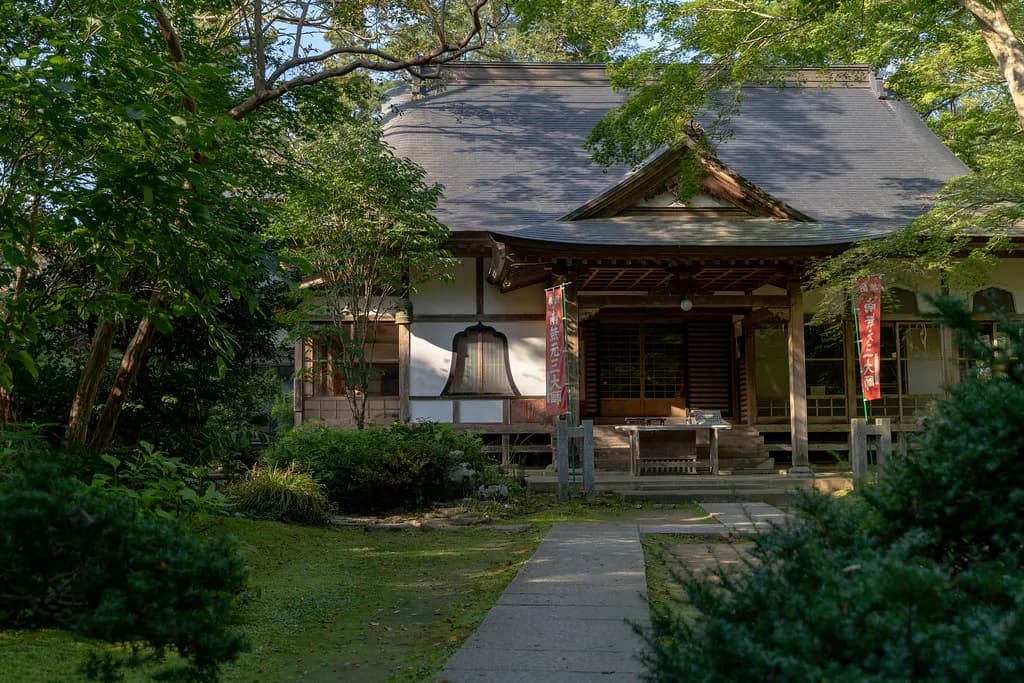
Morioka Hachimangu Shrine stands as a spiritual anchor for the residents of Iwate Prefecture in northern Japan. This expansive complex offers visitors a deep look into the cultural heart of the historic Morioka castle town. You will find vibrant colors and unique rituals that set this site apart from other regional shrines. Exploring these sacred grounds provides a peaceful escape while revealing centuries of local history and tradition.
As the largest shrine in the prefecture, it serves as a primary venue for major festivals and daily prayers. The site is famous for its striking vermilion architecture and its collection of smaller sub-shrines. Travelers often visit to seek good fortune through interactive rituals that involve fishing and floating coins. This guide covers everything you need to know for a meaningful visit to this top Morioka attraction.
Useful resources: Wikipedia's Morioka overview and Wikivoyage's Morioka travel guide have up-to-date access and background details.
The History and Significance of Morioka Hachimangu
The story of this sacred site began in 1680 under the direction of the powerful Lord Nanbu Shigenobu. He established the shrine to protect the growing castle town and ensure the prosperity of his citizens. As the 29th lord of the Nanbu domain, Shigenobu envisioned a grand space for the local community to gather. This historical connection remains vital to the identity of the city and its residents today.
According to historical records on en.Wikipedia.org, the shrine honors the deity Hondawake-no-Mikoto. This figure is traditionally associated with the legendary Emperor Ojin and is a patron of warriors and families. The shrine has survived several fires and city-wide changes over the last three centuries of its existence. Its resilience symbolizes the enduring spirit of the people living in the beautiful Iwate region.
The layout of the grounds reflects the urban planning of the Edo period when Morioka was a major hub. It sits at the end of a long approach road that once bustled with merchants and samurai. Visiting this area allows you to imagine the life of the city during its time as a castle stronghold. You can learn more about this era by visiting the Morioka Castle Ruins Park: 7 Essential Tips for Your Visit nearby.
Top Highlights: The Vermilion Main Hall and Paulownia Carvings
The current main hall is a masterpiece of modern craftsmanship that was fully reconstructed in late 1997. Its brilliant vermilion lacquer creates a stunning contrast against the green trees and blue sky of Morioka. This bold color choice is common in Hachiman shrines and signifies protection against evil forces. The intricate woodwork showcases the high level of skill possessed by local Iwate carpenters and artisans.

One of the most distinctive features is the presence of Paulownia flower carvings throughout the worship hall. These floral motifs represent the official crest of the Nanbu clan who once ruled this entire domain. The Paulownia symbol connects the religious site directly to the political history of the northern Tohoku region. You should look closely at the roof beams and gates to spot these detailed golden carvings.
According to official details from Iwatetabi.jp, the main building serves as the primary site for formal rituals. Visitors gather here to offer prayers for health, success, and the safety of their households. The grand scale of the building reflects its status as the most important religious structure in the city. It remains a focal point for photography due to its impressive size and vibrant decorative elements.
Exploring the Twelve Zodiac Sub-Shrines
To the left of the main stairs, you will find a unique row of twelve small wooden shrines. Each of these structures is dedicated to one of the animals from the traditional Chinese zodiac. This arrangement allows visitors to pay their respects to the specific deity guarding their birth year. It is a popular spot for families who want to ensure good luck for every household member.
You will notice small animal statues placed in front of each sub-shrine to identify the correct one. The craftsmanship of these miniature buildings is just as detailed as the much larger main hall. Local residents often leave small offerings of coins or charms at the shrine matching their own zodiac sign. This practice highlights the personal connection people feel toward the spiritual world in Japanese culture.
- Zodiac Shrine Comparison
- Purpose: Personal protection
- Location: Left of stairs
- Quantity: Twelve individual shrines
- Focus: Birth year deities
- Other Notable Sub-Shrines
- Health Shrine: Pray for recovery
- Success Shrine: Career and exams
- Cooking Shrine: Honors kitchen tools
- Safe Travel: Protects commuters
Interactive Traditions: Fishing for Fortunes and Floating Coins
One of the most popular activities involves 'fishing' for your personal fortune from a large wooden tub. These colorful fish-shaped charms contain a paper scroll with your luck written inside for the coming year. You use a small fishing rod to snag the specific charm that calls to you during your visit. This playful tradition costs 200 yen and creates a very memorable moment for travelers of all ages.
Visitors also gather around a specific water basin to try the 1-yen coin floating challenge. You must carefully place a single coin on the water surface without breaking the surface tension. Success in this ritual suggests that your personal wishes might soon come true in your daily life. It requires a steady hand and a bit of patience to master this delicate spiritual task.
The shrine grounds also feature a variety of unique omikuji paper fortunes and protective wooden amulets. Some fortunes are specifically designed to look like local crafts or seasonal flowers found in Morioka. If you receive a 'bad luck' fortune, you can tie it to a designated rack to leave it behind. This ensures that the negative luck does not follow you home after your trip is finished.
Essential Etiquette for Visiting a Japanese Shrine
Begin your visit by bowing once before you walk through the large torii gate at the entrance. This simple gesture shows respect to the deities residing within the sacred shrine grounds. Always walk on the sides of the path rather than directly down the center of the walkway. The middle lane is traditionally reserved for the passage of the gods in Shinto belief.
Locate the temizuya water pavilion to perform a ritual purification of your hands and mouth. Fill the wooden ladle with water and rinse your left hand first, followed by your right hand. Pour a small amount into your palm to rinse your mouth before cleaning the ladle handle. This process prepares your spirit for the act of worship at the main vermilion hall.
When you reach the altar, toss a small coin into the offering box and bow twice deeply. Clap your hands twice to alert the deity of your presence and then offer a silent prayer. Finish the ritual by bowing once more before stepping away from the front of the building. Keep your voice low and avoid eating or drinking while you are in the main worship areas.
Photography Guidelines for Visitors
Casual photography for personal use is generally allowed throughout the open outdoor areas of the shrine. You should avoid taking photos of people while they are actively engaged in deep prayer or rituals. Professional photography or large group sessions usually require special permission from the shrine administrative office. Always look for signs that prohibit cameras inside the specific wooden buildings or sacred inner chambers.
The best spot for a wide-angle shot of the main hall is near the purification fountain. From this angle, you can capture the grand stairs and the vibrant roofline in a single frame. Morning light often provides the best illumination for the red lacquer and the golden Paulownia carvings. Wait for a quiet moment between groups of visitors to get a clear shot of the architecture.
Seasonal Events: The Chagusama Horse Festival and More
The Chagusama Horse Festival is one of the most famous events held at this shrine every June. Dozens of horses are decorated with colorful bells and fabrics for a parade through the city streets. The procession typically arrives at the shrine around 14:00 after traveling from the nearby town of Takizawa. You can find more details about the parade schedule on Tohokukanko.jp.
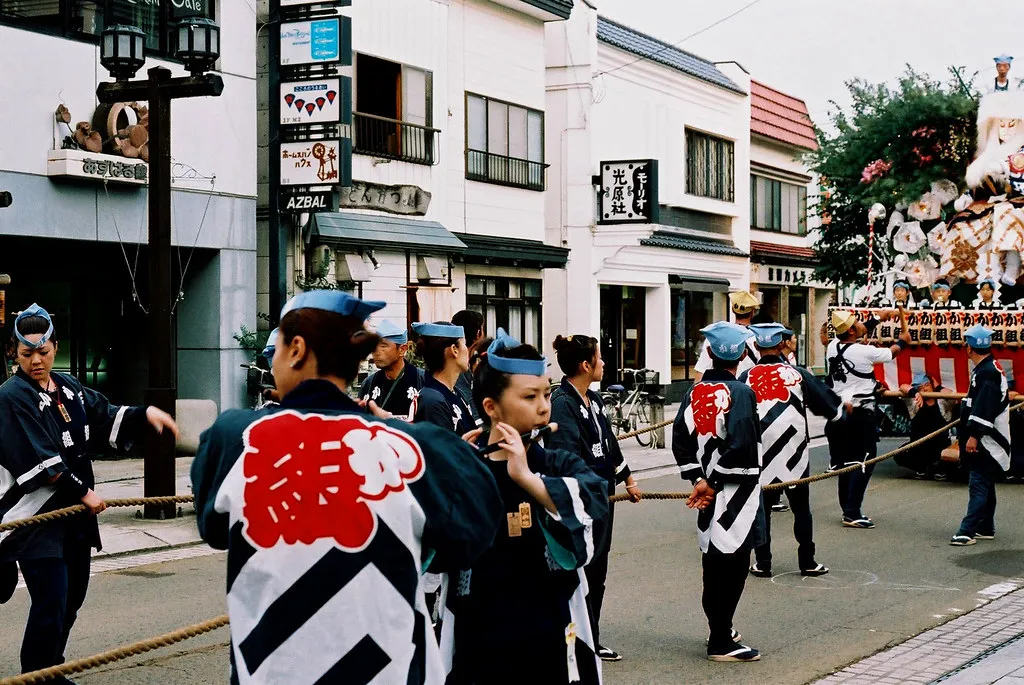
September brings the annual Hachimangu Matsuri, which features massive floats and traditional drumming performances. The shrine grounds transform into a lively festival site with food stalls and local entertainment for everyone. It is the Best Time To Visit Morioka: A Seasonal Travel Guide if you enjoy vibrant crowds and culture. Plan to arrive early in the morning to secure a good viewing spot for the float parade.
Winter visitors will find the shrine covered in a beautiful layer of white snow during the colder months. The red buildings look particularly striking against the frozen landscape of the northern Tohoku region. New Year's Day is the busiest time as thousands of locals arrive for the first prayer of the year. Dress warmly and wear sturdy shoes to navigate the potentially icy paths around the sub-shrines.
How to Get to Morioka Hachimangu Shrine
Reaching the shrine is quite simple if you are starting your journey from the main JR Morioka Station. You can take a local bus from the station's east exit bus terminal for a short ride. The trip usually takes between 15 and 20 minutes depending on the current traffic in the city. Look for buses heading toward the Hachiman-cho district to ensure you are on the right route.
Walking from the city center is also a great option for those who enjoy exploring on foot. It takes about 30 minutes to walk from the station to the shrine's main torii gate entrance. The route takes you through interesting neighborhoods filled with small shops and traditional wooden houses. Detailed maps and transit tips are available in our guide on How to Get to Morioka: A Complete Travel Guide.
Nearby Spots to Explore in Morioka
After your visit, take some time to wander through the charming streets of the Hachiman-cho district. This area is known as the 'shrine approach' and features many shops selling local snacks and souvenirs. You can find traditional sweets and handmade crafts that make perfect gifts for friends and family. Many of these businesses have been operated by the same local families for several generations.
Hungry travelers should stop at a nearby restaurant to try a bowl of famous Wanko Soba noodles. This unique dining experience involves eating many small servings of buckwheat noodles in a fast-paced setting. It is a signature dish of the city and a fun way to conclude your cultural tour. Several highly-rated noodle shops are located within a short walking distance of the shrine grounds.
Frequently Asked Questions
Is there an entrance fee for Morioka Hachimangu Shrine?
No, entering the main shrine grounds is free for all visitors. However, you should bring small coins for offerings and rituals. Interactive activities like the fishing omikuji cost 200 yen per person. Check Tripadvisor.com for recent visitor reviews and updated pricing on specific charms.
What are the opening hours for the shrine facilities?
The main grounds are accessible 24 hours a day for walking and quiet reflection. Specific facilities like the amulet shop and the shrine office typically operate from 8:30 to 17:30 daily. These hours may be extended during major festivals or the New Year holiday period.
Can I visit the shrine during the winter months?
Yes, the shrine is open year-round and offers a beautiful snowy atmosphere during the winter. You should be careful as the stone paths and stairs can become slippery when covered in ice. Many visitors enjoy the peaceful silence of the grounds during the off-peak winter season.
Is parking available at the shrine for rental cars?
The shrine provides a dedicated parking lot for visitors who choose to drive to the site. Space may become limited during major festivals like the Chagusama Horse Festival in June. Using public transportation is often easier during peak event times to avoid traffic congestion in Hachiman-cho.
Morioka Hachimangu Shrine is a must-visit destination for anyone traveling through the Tohoku region. Its combination of historical depth and interactive rituals offers a unique look at Japanese spiritual life. Whether you are fishing for a fortune or admiring the vermilion hall, the experience is truly special. Plan your trip today by checking out our guide on 9 Best Areas and Tips: Where to Stay in Morioka.
Remember to respect the local customs and enjoy the peaceful atmosphere of this sacred landmark. The shrine continues to be a source of pride and protection for the entire Iwate community. You can find more travel inspiration and local tips at japanactivity.com/blog. Safe travels as you explore the beautiful and historic city of Morioka in 2026.
Free guide: Japan's Hidden Gems
12 under-the-radar places beyond Tokyo & Kyoto — with the best season to visit each and a local tip you won't find in the guidebooks.
You might also like


Continue reading
More guides you'll find useful

