
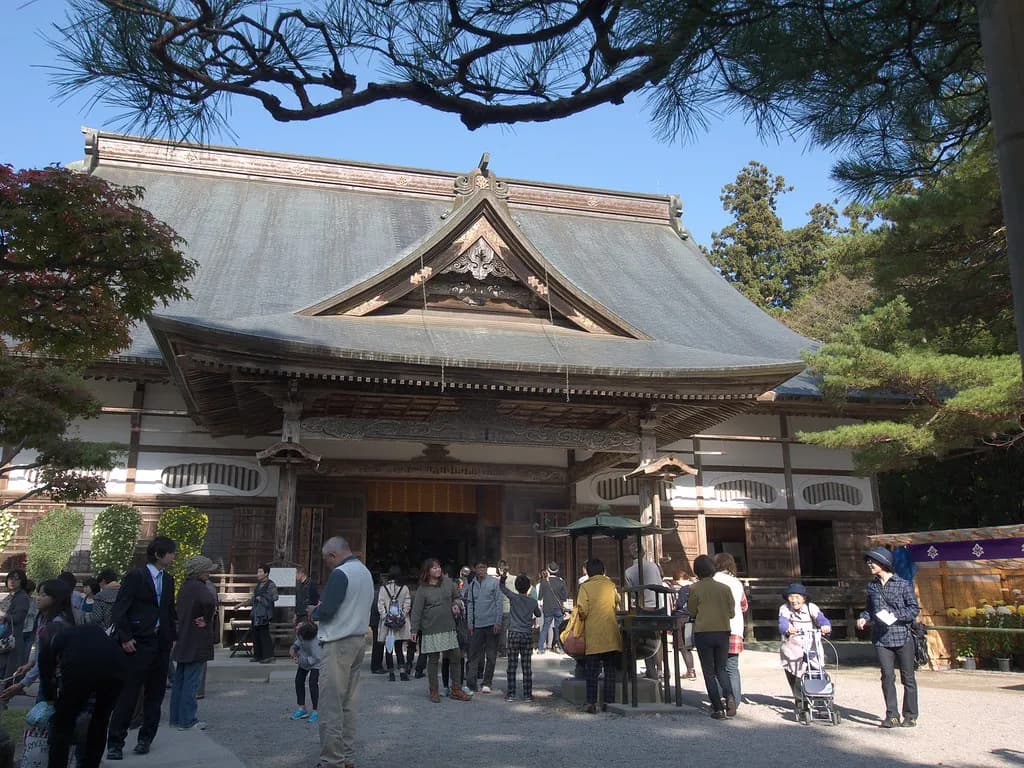
Chuson-ji Temple Konjikido: A Complete Visitor Guide
Discover the Golden Hall of Chuson-ji Temple in Hiraizumi. Our guide covers the history of the Oshu-Fujiwara clan, transport tips from Morioka, and must-see treasures.
On this page
Chuson-ji temple's Konjikido Temple stands as a golden jewel in the heart of Hiraizumi, Japan. This sacred site represents the peak of the Oshu-Fujiwara clan's power and spiritual vision from centuries ago.
Visiting the chuson-ji temple konjikido offers a rare look at 12th-century craftsmanship that remains in its original form today. Travelers often find the blend of nature and ancient architecture deeply moving during their journey through Iwate.
The temple grounds provide a peaceful escape while showcasing some of the most important cultural treasures in the country. Planning your visit carefully ensures you see every shimmering detail of this historic masterpiece.
Useful resources: Wikipedia's Hiraizumi overview and Wikivoyage's Hiraizumi travel guide have up-to-date access and background details.
The Legacy of the Oshu-Fujiwara Clan and the Pure Land
Fujiwara no Kiyohira founded the temple complex around 1100 to honor those fallen in the long wars of the region. He envisioned a 'Pure Land' on earth where peace and Buddhist teachings could flourish together for all people. This Hiraizumi UNESCO World Heritage Guide: 6 Essential Sites & Tips site showcases the unique culture and independent spirit of Northern Japan during the Heian period. The clan used their immense wealth from local gold mines to create this spiritual masterpiece as a beacon of hope. Their influence turned Hiraizumi into a cultural rival to the capital of Kyoto for nearly a century.
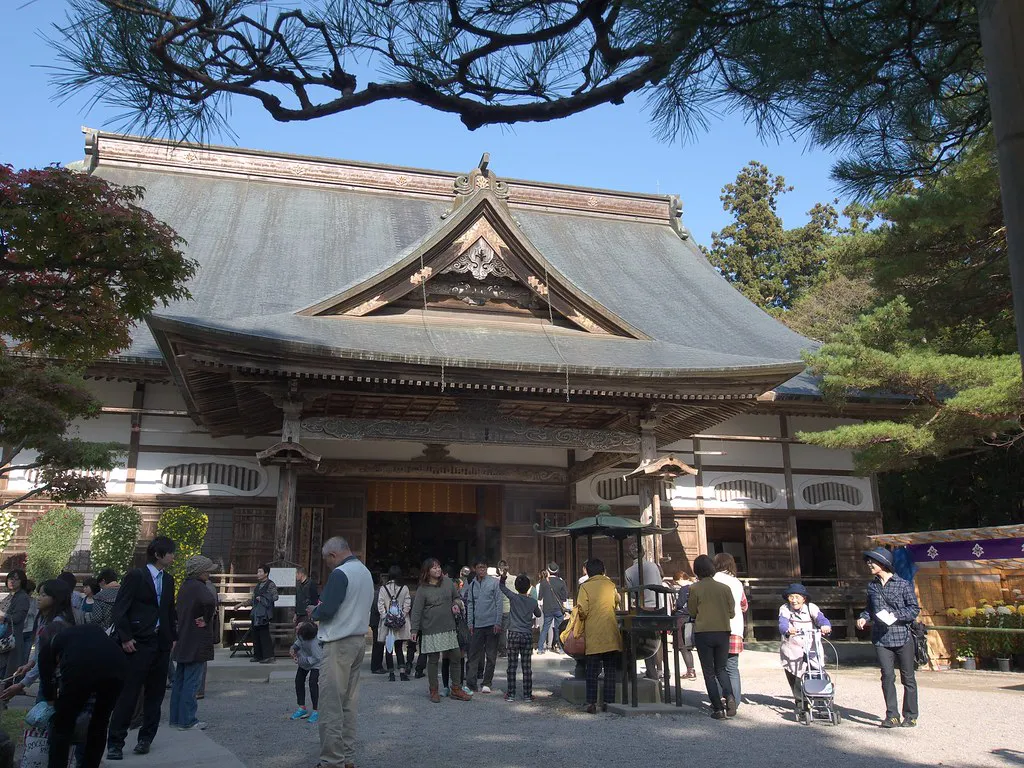
The layout of the temple follows the principles of Pure Land Buddhism, which emphasizes reaching a celestial paradise after death. Every garden and building was designed to reflect the beauty and order of this divine realm. Walking through the gates feels like stepping back into a time when faith and art were perfectly intertwined. The preservation of these ideas makes Chuson-ji a vital stop for history enthusiasts and spiritual seekers alike.
While many structures were lost to fire over the years, the spirit of the Fujiwara legacy remains strong in the surviving halls. You can see how the local landscape was shaped to support this grand religious vision. Understanding this history adds a layer of depth to your visit that goes beyond simple sightseeing. It transforms a walk through the woods into a journey through a thousand years of Japanese heritage.
Inside the Konjikido: A Golden Heaven of Infinite Light
The Konjikido, or Golden Hall, is the only structure at Chuson-ji that has survived in its original form since 1124. Every surface of the hall is covered in shimmering gold leaf and decorated with intricate mother-of-pearl inlays. The interior features rare rosewood and ivory details that were brought to Japan through ancient trade routes across Asia. These exotic materials highlight the incredible reach and wealth of the Oshu-Fujiwara rulers at their peak.
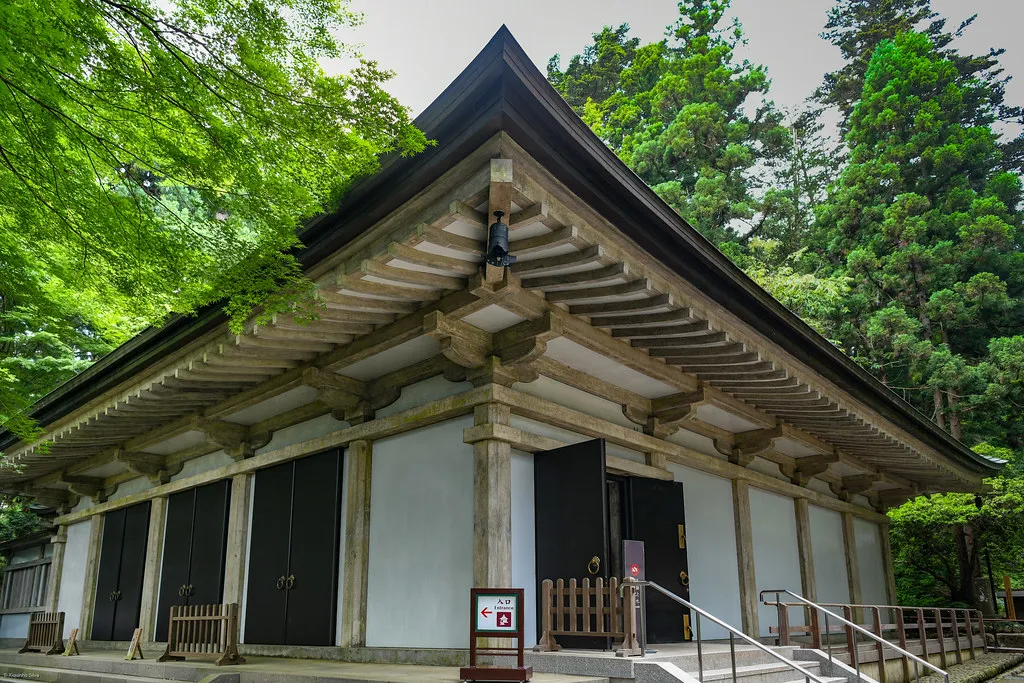
Inside the hall, eleven statues of Amida Nyorai and other deities stand in a display of celestial grace. The central altar also serves as the final resting place for the four generations of the Fujiwara lords. A modern concrete building now protects the original wooden hall from the harsh Iwate weather and environmental damage. This 'New Shelter' allows visitors to view the golden structure through thick glass while maintaining a controlled climate.
Please remember that photography is strictly forbidden inside the Konjikido to preserve its delicate artistic features and religious atmosphere. You should take a moment to observe the fine gold work in silence to truly appreciate the skill involved. The hall measures approximately 5.5 meters on each side, making it a compact but powerful statement of faith. Its survival through centuries of conflict and natural disasters is considered a miracle by many locals.
Exploring the Chuson-ji Complex: Key Halls and Treasures
Walking up the steep Tsukimizaka Slope takes about twenty minutes through a forest of massive, ancient cedar trees. This path serves as a meditative entrance that prepares your mind for the sacred sites at the top of the hill. You will pass several smaller sub-temples before reaching the impressive Main Hall, where important religious ceremonies still take place today. Each stop along the way offers a different perspective on the 2-Day Things To Do In Hiraizumi found within the precinct.
The Sankozo Museum is a must-visit destination that houses over 3,000 National Treasures and Important Cultural Properties. You can see the actual 12th-century artifacts, including burial items and Buddhist statues, that were recovered from the site. This museum provides the historical context needed to understand the craftsmanship seen in the Golden Hall. It is often the best place to learn about the specific techniques used by Heian-period artisans.
Be sure to visit the Kyozo, or Sutra Repository, which once held thousands of sacred scrolls written in gold and silver ink. Although the original scrolls are now in the museum, the building itself remains a beautiful example of classical architecture. Pair this visit with a trip to the nearby motsu-ji garden for a complete look at the Pure Land aesthetic. Both sites are essential for understanding the full scope of Hiraizumi's historical importance.
Practical Travel Guide: Transport, Fees, and Opening Hours
Reaching Chuson-ji is straightforward whether you are coming from local towns or major cities like Morioka. The 'Loop-line Bus Run Run' provides easy access from JR Hiraizumi Station for a small fee of 150 yen per ride. Travelers often prefer the day pass for 400 yen if they plan to visit multiple sites across the town. This bus runs frequently during the peak tourist season to accommodate the many visitors arriving by train.
Admission to the Konjikido and the Sankozo Museum costs 800 yen for adults as of early 2026. Most visitors spend about two to three hours exploring the entire temple grounds and the various forest paths. Check the Official Chuson-ji Website (English) for seasonal opening hours before you depart on your journey. The temple typically opens at 8:30 AM and closes earlier during the winter months.
For the Best Time To Visit Hiraizumi: Seasonal Guide and Itinerary, consider the autumn months when the maple leaves turn vibrant shades of red and orange. The contrast between the golden temple and the colorful forest creates a stunning scene for outdoor photography.
- Transport Comparison from Morioka to Hiraizumi
- Local Train: ~80 minutes
- Shinkansen Combo: ~60 minutes
- Local Cost: ~860 yen
- Shinkansen Cost: ~3,200 yen
- Essential Visitor Information for 2026
- Adult Fee: 800 yen
- Bus Pass: 400 yen
- Walking Time: 20 minutes
- Photo Rule: Strictly Prohibited
Regional Context: Combining Hiraizumi with Morioka and Iwate
Many travelers combine their visit to Chuson-ji with a stay in Morioka to enjoy local culture and famous noodles. You can find the cute 'Wanko Kyodai' mascots throughout the region, representing the fun tradition of wanko soba. These bowl-shaped characters add a touch of modern charm to the ancient atmosphere of the Iwate prefecture. Sampling the local food is a great way to recharge after a long day of walking through historical sites.
Recent 8K digital preservation projects allow visitors to see the hall's details in stunning high resolution at special exhibitions. These digital displays offer a close-up view of the gold work that is impossible to see with the naked eye behind the glass. You can often find these exhibitions at major museums like the Tokyo National Museum: Chuson-ji Exhibition Details during special anniversary years. This technology helps ensure that the beauty of the hall is documented for future generations.
If you have extra time, consider taking a Geibikei Gorge Boat Ride boat tour to see more of the region's natural beauty. The towering limestone cliffs and peaceful river provide a perfect contrast to the golden halls of the temple. A well-planned One Day In Hiraizumi Itinerary helps you balance your time between these historic landmarks and the scenic wonders of Northern Japan. This region remains one of the most rewarding areas for travelers seeking authentic Japanese culture.
Frequently Asked Questions
Where is the Chuson-ji Temple located?
Chuson-ji Temple is located in Hiraizumi, within the Iwate Prefecture of northern Japan. You can reach the site easily by taking a short bus ride or a twenty-minute walk from the JR Hiraizumi Station. For more details on local landmarks, check our guide to 2-Day Things To Do In Hiraizumi.
What is the significance of the Konjikido?
The Konjikido is significant as the only 12th-century structure at Chuson-ji remaining in its original form. It represents the wealth of the Oshu-Fujiwara clan and their devotion to Pure Land Buddhism. The hall is completely covered in gold leaf and serves as a mausoleum.
How do I get to Chuson-ji from Morioka?
You can take a local train from Morioka to Hiraizumi in about 80 minutes. For a faster trip, take the Shinkansen to Ichinoseki and transfer to a local line, which takes about 60 minutes total. Both options are convenient for a day trip to the temple.
Is Chuson-ji Temple a World Heritage Site?
Yes, Chuson-ji Temple is a central part of the Hiraizumi UNESCO World Heritage site. It was recognized in 2011 for its unique representation of the Pure Land Buddhist philosophy. The site includes several other temples and gardens that reflect this ancient spiritual vision.
The chuson-ji temple konjikido remains one of the most breathtaking sights in all of Japan. Its golden glow and deep historical roots offer a unique window into the Heian period and the Oshu-Fujiwara legacy.
By following this guide, you can navigate the complex with ease and appreciate the fine details of this UNESCO World Heritage: Hiraizumi landmark. Every visitor leaves with a deeper understanding of the spiritual and artistic heights achieved by ancient Japanese craftsmen.
Make sure to leave enough time to enjoy the quiet forest paths and the local flavors of Iwate. Your journey to this golden heaven will surely be a highlight of your travels through the Tohoku region.
Free guide: Japan's Hidden Gems
12 under-the-radar places beyond Tokyo & Kyoto — with the best season to visit each and a local tip you won't find in the guidebooks.
You might also like


Continue reading
More guides you'll find useful


