Chuson-ji Temple stands as a golden jewel in the heart of Iwate Prefecture.
This comprehensive chuson-ji temple visitor guide helps you navigate the historic grounds of Hiraizumi.
Visitors often travel from across Japan to witness the stunning architecture and peaceful forest trails.
You will find ancient treasures and spiritual insights hidden within this UNESCO World Heritage site.
Must-See Chuson-ji Temple Visitor Guide Attractions
The Konjikido Golden Hall remains the most famous structure within the entire temple complex. This small building is completely covered in gold leaf and houses several precious Buddhist statues. You must pay a separate entrance fee to see this magnificent site up close. The hall is protected by a larger concrete building to preserve its delicate exterior.
The Hondo serves as the main hall where many religious ceremonies and daily rituals take place. It features a large wooden structure with a peaceful atmosphere for quiet reflection. You can observe local monks performing their duties during certain times of the day. The architecture reflects the traditional styles found throughout the Tohoku region.
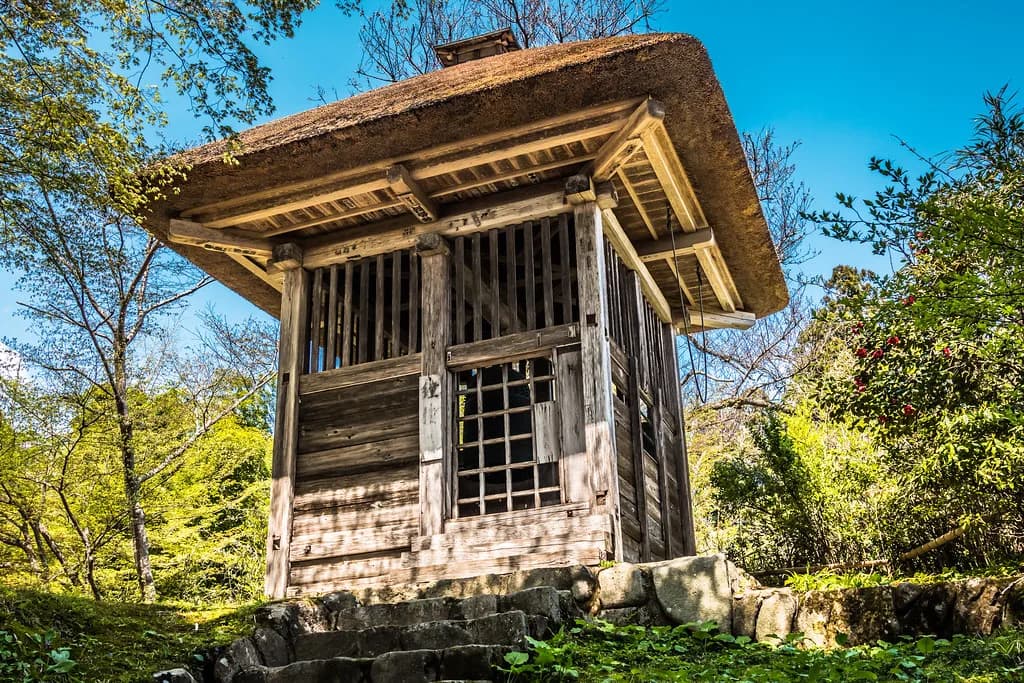
Benkei-do is a smaller sub-temple dedicated to the legendary warrior monk who served the Fujiwara family. It sits near the beginning of the main uphill path and offers a glimpse into local folklore. Visitors often stop here to admire the wood carvings and historical artifacts. This spot provides a great introduction to the temple's deep connection with Japanese history.
- Konjikido Golden Hall
- Type: Golden mausoleum
- Best for: Historical art
- Where: Upper temple grounds
- Cost: 800 yen
- The Hondo Main Hall
- Type: Active worship site
- Best for: Spiritual atmosphere
- Where: Central complex
- Cost: Free access
Museums, Art, and Culture in Chuson-Ji
The Sankozo Museum houses over three thousand national treasures and important cultural properties. You can view intricate Buddhist statues, ancient sutras, and burial goods from the Fujiwara lords. These items showcase the high level of craftsmanship achieved in the twelfth century. The museum provides English descriptions to help international travelers understand the historical context.
Buddhist art in this region often focuses on the concept of the Pure Land. You will see many depictions of Amida Buddha and other celestial figures throughout the galleries. These artworks were intended to create a heaven on earth for the local people. Exploring these halls gives you a deeper appreciation for the spiritual goals of the temple founders.
Cultural heritage extends beyond the physical objects to the surrounding landscape. The temple grounds include several sites like Takkoku-no-Iwaya which are carved directly into the cliffs. These unique structures demonstrate how the local people integrated their faith with the natural environment. You should allow at least one hour to fully explore the museum exhibits.
Parks, Gardens, and Outdoor Spots in Chuson-Ji
The Tsukizaka slope serves as the main entrance path and offers a beautiful forest walk. Towering cedar trees line the trail and provide shade even during the hot summer months. This path is quite steep in some sections, so wearing comfortable shoes is highly recommended. Many visitors enjoy the fresh air and the sound of rustling leaves as they climb.
Seasonal changes transform the temple grounds into a colorful display of natural beauty. Cherry blossoms bloom in late April, while vibrant green moss covers the forest floor in summer. You might also want to visit the nearby Motsu-ji Temple for its famous Pure Land garden. Both sites offer a peaceful escape from the busy city life found in larger Japanese hubs.
Outdoor exploration allows you to discover smaller shrines hidden among the trees. These quiet spots are perfect for photography or a few moments of meditation. You will find several viewpoints that offer glimpses of the Kitakami River valley below. Taking your time on the trails ensures you do not miss these subtle natural features.
Family-Friendly and Budget-Friendly Options in Chuson-Ji
Visiting the main grounds of Chuson-ji is free for all travelers. You only need to pay if you wish to enter the Konjikido and the museum area. This makes it an excellent choice for budget-conscious families who want to experience Hiraizumi history. You can enjoy the forest trails and the exterior of the main halls without spending any money.
The entrance fee for the paid areas is generally 800 yen for adults. Discounts are available for high school and junior high students to make it more affordable. Younger children often receive even lower rates or free entry depending on their age. These prices help maintain the historic structures and support the ongoing preservation efforts.
Families will find plenty of space for children to walk and explore safely. There are rest areas with benches where you can take a break and enjoy a snack. Bringing your own water and light food can save money compared to buying at local stalls. The temple environment is educational and engaging for visitors of all ages.
How to Plan a Smooth Chuson-Ji Attractions Day
Travelers arriving From JR Hiraizumi Sta. can choose between a bus or a scenic walk. The 'Run Run' loop bus offers a convenient way to reach the temple entrance quickly. Walking takes about thirty minutes but allows you to see the local town. Most people spend approximately two hours exploring the various halls and forest paths.
Arriving early in the morning helps you avoid the largest crowds and tour groups. The temple usually opens at 8:30, which is the perfect time to start your climb. You will have better opportunities for photos when the grounds are quiet. Planning your route from the bottom to the top ensures you see everything in a logical order.
Check the weather forecast before you depart as the paths can be slippery when wet. Carrying a small umbrella or wearing a waterproof jacket is a smart precaution. You should also verify the bus schedule if you plan to visit late in the afternoon. Early planning makes for a much more relaxed and enjoyable experience.
Combine your favorite train with lodging or a day trip plan!
Reaching Hiraizumi is easy if you use the high-speed Shinkansen network from Tokyo or Sendai. You can take the bullet train to Ichinoseki Station and then transfer to a local line. This journey takes about two and a half hours from the capital city. Using a rail pass can make this a very cost-effective part of your trip.
Many travelers choose to stay in nearby cities like Morioka to enjoy more dining options. You can take a local train from Morioka to reach Hiraizumi in about eighty minutes. This allows you to explore the temple during the day and return to a larger city for the evening. It is a great way to balance historical sightseeing with modern convenience.
Consider a day trip if you are staying in the Sendai area for your holiday. The frequent train connections make it simple to visit the temple and return by nightfall. You should check the last train times to ensure you have plenty of time for your return journey. Combining your travel with a well-planned lodging strategy improves your overall experience.
Nighttime illumination during the autumn foliage season
Autumn brings a special magic to the temple grounds with the annual light-up event. This usually takes place between late October and early November when the leaves are most vibrant. The illuminated trees create a stunning contrast against the dark night sky. It is a popular time for this chuson-ji temple visitor guide to recommend an evening visit.
The event typically runs from 16:30 until around 18:30 during the peak foliage weeks. You will need to check the specific dates for 2026 as they change slightly each year. Seeing the Golden Hall glowing under the night lights is a truly unforgettable experience. Be prepared for cooler temperatures as the sun goes down in northern Japan.
Crowds can be quite large during the weekend nights of the illumination period. Visiting on a weekday evening often provides a more peaceful and contemplative atmosphere. You should bring a tripod if you plan to take professional-quality photos of the lights. The local community puts a lot of effort into making this a highlight of the season.
World Heritage Site Hiraizumi, the home of Hiraizumi Buddhist art
Hiraizumi was designated as a UNESCO World Heritage site in 2011 for its unique cultural value. The area represents the Buddhist concept of the Pure Land through its architecture and gardens. You can see this influence most clearly in the layout of the temple buildings. It serves as a reminder of the power and vision of the Northern Fujiwara clan.
Learning about the history of the region adds a new layer of meaning to your visit. The Hiraizumi area was once a major political and cultural rival to Kyoto. This historical significance is preserved in the many temples and ruins scattered across the town. Most visitors find that understanding the past makes the physical sites more impressive.
You can easily visit other important sites like Kanjizaio-in Ato on the same day. These locations are all part of the World Heritage listing and are within walking distance. Exploring the entire town provides a complete picture of the Fujiwara family's legacy. It is a journey through a unique chapter of Japanese spiritual history.
Details of the event period, lighting hours, etc.
The temple grounds generally open at 8:30 in the morning throughout the year. Closing times shift to 16:30 during the colder winter months starting in November. You can find the most current schedule on the official http://www.chusonji.or.jp/en/ website. Always verify these times before your visit to avoid missing the main halls.
Special events like the spring and autumn festivals can change the standard operating hours. These festivals often feature traditional performances and special prayers for visitors. You might find the grounds more crowded during these cultural celebrations. It is a great time to see the temple's living traditions in action.
This chuson-ji temple visitor guide recommends allowing at least ninety minutes for a basic walk. If you plan to visit the museum and the Golden Hall, add another hour to your schedule. Most visitors find that a half-day trip is perfect for seeing all the major highlights. Proper timing ensures you can enjoy the peaceful atmosphere without rushing through the sites.
Frequently Asked Questions
How much time should you plan for a Chuson-ji visitor guide trip?
You should plan for at least two to three hours to explore the grounds fully. This time allows you to walk the main path, visit the Golden Hall, and see the museum treasures. If you enjoy photography or nature walks, a half-day is even better.
Is the Chuson-ji temple visitor guide worth a day trip?
Yes, it is absolutely worth it for anyone interested in history or art. The Konjikido is a unique masterpiece that you cannot find anywhere else in the world. Its status as a World Heritage site reflects its global importance and cultural beauty.
Chuson-ji Temple offers a unique window into the spiritual and artistic past of Japan.
Following this visitor guide ensures you see the most important sites and hidden gems.
The combination of golden architecture and natural beauty makes it a highlight of any trip to Iwate.
Start planning your journey today to experience the peaceful atmosphere of Hiraizumi.
For official details, visit the Chuson-ji Temple on Wikipedia.