
Hiraizumi UNESCO World Heritage Guide: 6 Essential Sites & Tips
Plan your trip to Hiraizumi's UNESCO sites. Includes Chuson-ji, Motsu-ji, the Golden Hall, and practical tips for the Run Run Loop Bus and Tokyo access.
On this page
Hiraizumi represents a unique chapter in Japanese history where spirituality and architecture merged to create a physical heaven on earth.
Located in the scenic Iwate Prefecture, this collection of temples and gardens earned its place on the UNESCO World Heritage List in 2011.
The Oshu Fujiwara clan spent nearly a century building this northern capital to reflect the ideals of Pure Land Buddhism.
Exploring these ancient grounds requires a thoughtful One Day In Hiraizumi Itinerary to truly appreciate the deep historical and cultural layers found here.
Useful resources: Wikipedia's Hiraizumi overview and Wikivoyage's Hiraizumi travel guide have up-to-date access and background details.
Historical Significance of Hiraizumi’s Pure Land
The hiraizumi unesco world heritage sites were designed to symbolize the Buddhist concept of the Pure Land or Jodo.
Fujiwara no Kiyohira established this vision in the 12th century after a series of brutal wars devastated the northern regions.
He intended for these temples to offer a peaceful sanctuary where all souls could find rest regardless of their previous allegiances.
Today, the remaining structures and archaeological sites provide a rare glimpse into the sophisticated culture of the Oshu Fujiwara dynasty.
- Pure Land Philosophy Core
- Concept: Buddhist Paradise
- Founder: Fujiwara no Kiyohira
- Period: 12th Century
- Goal: Universal Peace
- UNESCO Site Designations
- Year: 2011
- Region: Tohoku Japan
- Status: Cultural Heritage
- Scope: 5 Main Sites
Chuson-ji Temple and the Golden Hall (Konjikido)
Chuson-ji Temple serves as the crown jewel of the region and houses the breathtaking Konjikido Golden Hall.
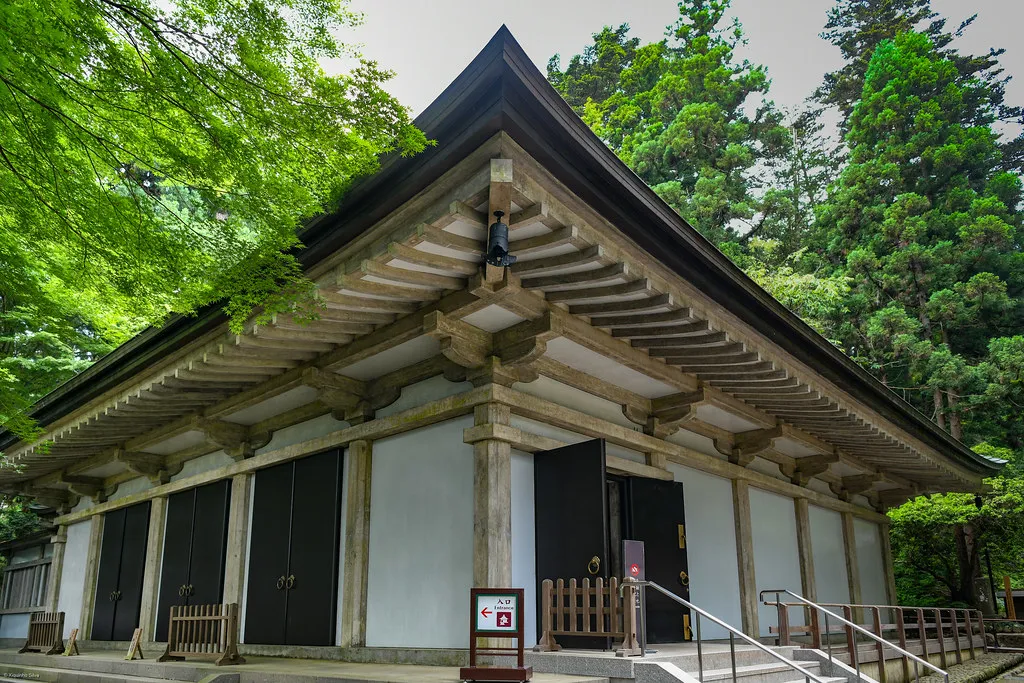
This small building is entirely covered in gold leaf and decorated with intricate mother-of-pearl inlays and complex lacquerwork.
Photography of the golden hall is prohibited to protect the delicate materials and maintain the solemn atmosphere of the interior.
Winter visitors can capture stunning shots of the surrounding cedar forest and temple exteriors under a pristine blanket of snow.
- Konjikido Visiting Details
- Entry: 800 yen
- Time: 60-90 minutes
- Rule: No photos inside
- Highlight: Golden interior
Motsu-ji Temple and the Pure Land Garden
The Motsu-ji garden remains one of the few surviving examples of Heian-period landscape design in modern Japan.
Centered around the massive Oizumi-ga-ike pond, the garden features rock formations and pebble beaches that represent various natural coastlines.
While the original wooden temple buildings were lost to fire centuries ago, the foundation stones still mark their former locations.
Strolling along the water provides a meditative experience that aligns with the original monks' pursuit of spiritual enlightenment.
Takkoku no Iwaya Bishamondo Rock Temple
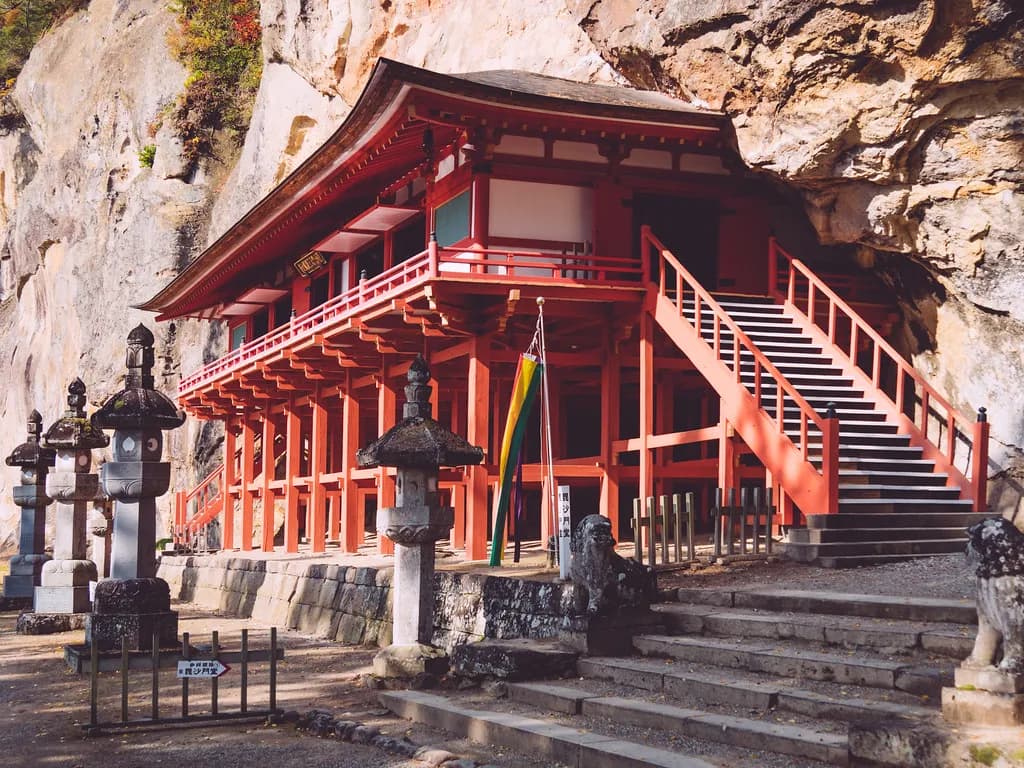
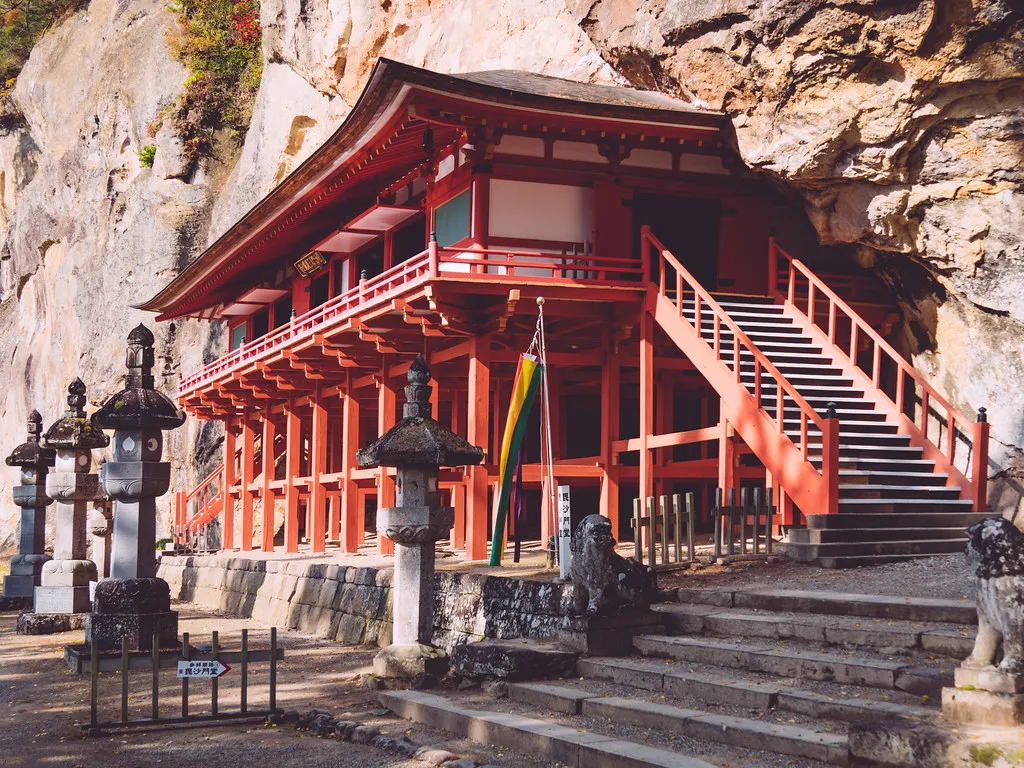
A short bus ride from the town center leads to the striking Takkoku No Iwaya Bishamondo temple complex.
This architectural marvel is built directly into a shallow cave on a vertical cliff face, creating a dramatic visual impact.
The site honors the deity Bishamonten and commemorates a victory by the famous general Sakanoue no Tamuramaro.
Look closely at the high cliff walls to see the Ganetsu Daibutsu, a large Buddha figure carved into the stone surface.
The Tragic Legend of Minamoto no Yoshitsune
Hiraizumi is also the site of the tragic final stand of Minamoto no Yoshitsune, one of Japan's most beloved samurai heroes.
After falling out with his brother, the first Shogun of Kamakura, Yoshitsune sought protection from the Fujiwara family in the north.
He eventually committed ritual suicide at the Takadachi Gikeido hilltop when the fourth Fujiwara leader betrayed him under political pressure.
History enthusiasts often visit this quiet memorial to reflect on the end of the legendary warrior and the subsequent fall of Hiraizumi.
Logistics: Getting to Hiraizumi from Tokyo
Reaching this historic destination from Tokyo is a smooth process using the high-speed Shinkansen network and local connections.
The closest JR station is the Ichinoseki Station, which is about 2 hours away from Tokyo Station by Tohoku Shinkansen.
From Ichinoseki, travelers transfer to the local JR Tohoku Line for a short eight-minute ride to Hiraizumi Station.
Planning a Hiraizumi 1-Day Trip From Morioka and Sendai is possible, though staying overnight allows for a more relaxed exploration of the sites.
- Tokyo Transfer Route
- Step 1: Shinkansen to Ichinoseki
- Step 2: Local to Hiraizumi
- Cost: ~13,000 yen
- Pass: JR Pass valid
Getting Around: The Hiraizumi Run Run Loop Bus
The bus loops from Hiraizumi station every 15 minutes and stops at all world heritage sites for easy passenger access.
Travelers should check the Run Run Loop Bus Schedule to plan their timing between the major temple stops.
One trip is 150 yen, but an all-day pass costs only 400 yen for unlimited rides throughout the day.
You will save money with the day pass if you plan to visit more than two sites during your stay.
Frequently Asked Questions
Is Hiraizumi an UNESCO site?
Yes, Hiraizumi was officially designated as a UNESCO World Heritage site in 2011. The listing includes Chuson-ji, Motsu-ji, Kanj自在o-in Ato, Muryoko-in Ato, and Mount Kinkasan. These locations represent the unique Pure Land Buddhist culture of the Oshu Fujiwara clan. You can see all the main highlights by following a 2-Day Things To Do In Hiraizumi guide.
What is the main historical significance of Hiraizumi?
Hiraizumi served as the political and cultural capital of Northern Japan during the 12th century. The Fujiwara clan built the city to represent a Buddhist utopia on earth. Its architecture and gardens influenced Japanese landscape design for centuries to come. The site remains a powerful symbol of peace and spiritual devotion.
How do I get to Hiraizumi from Tokyo?
Travelers take the Tohoku Shinkansen from Tokyo Station to Ichinoseki Station, which takes approximately two hours. From Ichinoseki, a local train on the JR Tohoku Line reaches Hiraizumi in about eight minutes. The entire journey is fully covered by the Japan Rail Pass. Check the Hiraizumi Tourism Association for seasonal travel updates.
Is the Hiraizumi loop bus worth it?
The Run Run Loop Bus is highly recommended for most visitors to the area. While a single fare is 150 yen, the 400 yen day pass pays for itself after just three rides. It provides a convenient way to reach distant sites like Takkoku no Iwaya without long walks. The bus runs frequently throughout the peak tourist season.
Visiting the hiraizumi unesco world heritage sites offers a profound journey into the heart of Japan's spiritual and artistic history.
The golden splendor of Chuson-ji and the tranquil gardens of Motsu-ji provide a perfect balance of beauty and quiet reflection.
Careful planning with the loop bus and Shinkansen schedules ensures a smooth experience in this historic northern capital.
Consider the Best Time To Visit Hiraizumi: Seasonal Guide and Itinerary to match your travel preferences with the region's stunning seasonal transformations.
Free guide: Japan's Hidden Gems
12 under-the-radar places beyond Tokyo & Kyoto — with the best season to visit each and a local tip you won't find in the guidebooks.
You might also like


Continue reading
More guides you'll find useful


