Takkoku No Iwaya Bishamondo: The Complete Visitor Guide
Plan your visit to Takkoku no Iwaya Bishamondo, Iwate's stunning cliff temple. Explore the 16.5m rock Buddha, kake-zukuri architecture, and 801 AD history.
On this page
Takkoku no Iwaya Bishamondo stands as one of the most visually striking spiritual sites in northern Japan.
This ancient temple is carved directly into a rugged sandstone cliff just outside the historic center of Hiraizumi.
Many travelers include this unique stop while following a comprehensive One Day In Hiraizumi Itinerary through the region.
Its bright vermillion hall creates a stunning contrast against the weathered gray rock of the mountain face.
Useful resources: Wikipedia's Hiraizumi overview and Wikivoyage's Hiraizumi travel guide have up-to-date access and background details.
What is Takkoku no Iwaya Bishamondo?
Takkoku no Iwaya Bishamondo is a historic Buddhist temple complex located in the peaceful countryside of Iwate Prefecture.
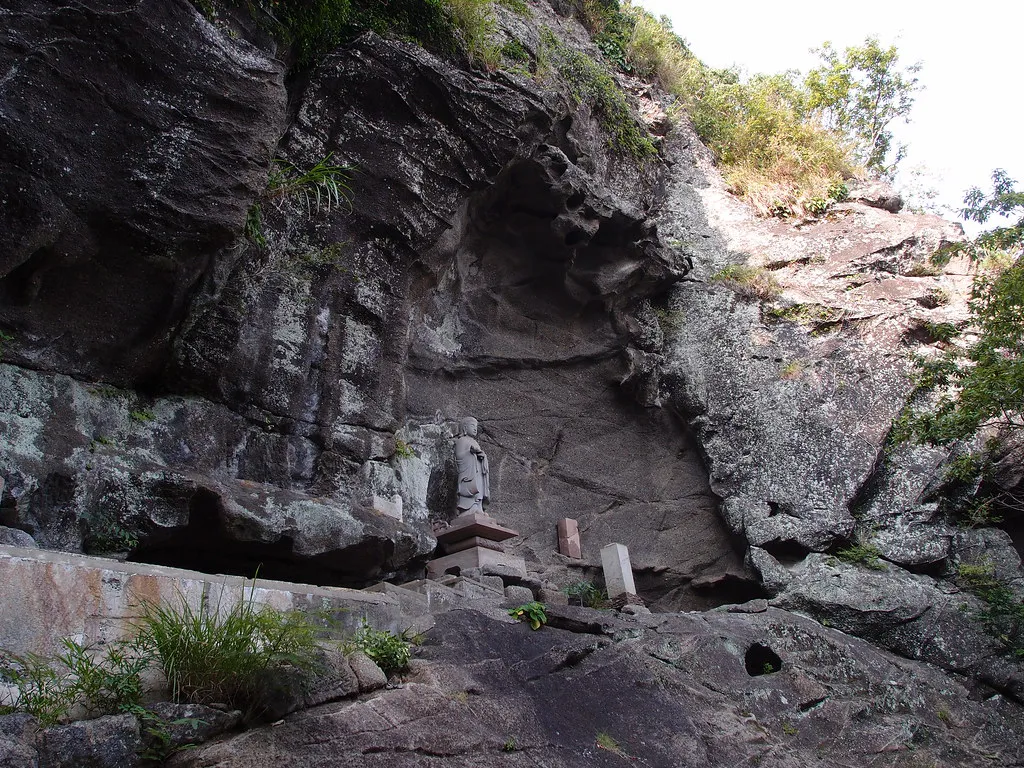
Founded in 801 AD, it serves as a powerful reminder of the early Heian period's military and religious history.
The site is famous for its main hall, which sits partially inside a shallow cave on the cliffside.
It is often considered a essential addition to a tour of other 2-Day Things To Do In Hiraizumi nearby.
- Primary Deity
- Type: Bishamonten
- Role: God of War
- Statues: 108 total
- Status: Sacred protectors
- Site Significance
- Status: Special Historic Site
- Era: Heian Period
- Founded: 801 AD
- Theme: Military victory
Architectural Marvel: The Kake-zukuri Hall
The architecture of the Bishamon-do hall utilizes a traditional Japanese style known as kake-zukuri.
This method involves building structures on steep slopes using a complex network of tall wooden pillars.
This design allows the temple to cling to the rock while providing a level floor for worshippers.
You may find this style familiar if you have visited the world-famous Hiraizumi UNESCO World Heritage Guide: 6 Essential Sites & Tips temples.
- Construction Details
- Style: Kake-zukuri
- Support: Wooden stilts
- Placement: Cliff cave
- Inspiration: Kiyomizu-dera
- Current Structure
- Generation: Fifth version
- Year: Rebuilt 1961
- History: Fire in 1946
- Color: Bright Vermillion
The Ganmen Daibutsu: A 16.5-Meter Rock-Carved Buddha
Walking further into the grounds reveals the Ganmen Daibutsu, a massive Buddha face carved into the high cliff.
This stone figure stands approximately 16.5 meters tall, making it a truly imposing sight for visitors.
The carving represents the Buddha of the Western Paradise and was created to offer peace to fallen warriors.
Many guests stop here during a Hiraizumi 1-Day Trip From Morioka and Sendai to admire the ancient craftsmanship.
- Carving Dimensions
- Height: 16.5 meters
- Scale: 4-story building
- Material: Sandstone
- Subject: Amida Nyorai
- Preservation Status
- Condition: Weathered face
- Damage: 1896 earthquake
- Visibility: Upper torso
- Age: 11th-12th century
History and Legends: From Tamuramaro to Yoshiie
The temple's origins trace back to General Sakanoue no Tamuramaro, who defeated a local rebel leader in the ninth century.
He established the shrine to thank the god Bishamonten for his success in the northern military campaigns.
One popular legend claims that the warrior Minamoto Yoshiie carved the great Buddha by firing arrows at the rock.
This site is often compared to the spiritual atmosphere found at Chuson-ji Konjikido in the city center.
- The 2042 Reveal
- Items: 108 statues
- Cycle: Every 33 years
- Status: Secret treasures
- Next: Year 2042
- Founding Figures
- Founder: Sakanoue no Tamuramaro
- Warrior: Minamoto Yoshiie
- Enemy: Akuro-o
- Legacy: Northern peace
Seasonal Beauty: Spring Blossoms and Autumn Leaves
Timing your visit for the Best Time To Visit Hiraizumi: Seasonal Guide and Itinerary can greatly enhance your experience at the temple.
Late April usually brings cherry blossoms that frame the entrance gates in soft pink and white petals.
The surrounding forest turns into a sea of red and gold during the peak of the autumn season.
Early November is typically the best window to see the maple leaves contrasting with the red temple hall.
- Spring Highlights
- Peak: Late April
- Flora: Cherry blossoms
- Vibe: Gentle and fresh
- Photography: Temple gates
- Autumn Highlights
- Peak: Early November
- Flora: Japanese Maples
- Vibe: Bold and dramatic
- Photography: Cliff face
Practical Guide: Access, Fees, and Visiting Tips
Takkoku no Iwaya Bishamondo is located roughly six kilometers away from the main Hiraizumi train station.
You can reach the temple in about 10 minutes by taxi or local bus from the city center.
The Hiraizumi Run Run Loop Bus provides a convenient way for tourists to access the site during the day.
Always check the Official Temple Website for the most accurate and updated operating hours.
- Visitor Logistics
- Cost: 500 yen
- Time: 30-60 minutes
- Hours: 8 AM - 5 PM
- Photos: No interior shots
- Travel Resources
- Bus: Run Run Loop
- Walking: 60-90 minutes
- Information: Iwate Tourism Portal
- Taxi: ~2,000 yen
Frequently Asked Questions
How do I get to Takkoku no Iwaya from Hiraizumi Station?
You can take the Hiraizumi Run Run Loop Bus or a local taxi for a 10-minute ride. Walking takes about 60 to 90 minutes through scenic rural roads. Some visitors combine this with a stop at the Motsu-ji Garden during their daily tour.
What is the significance of the rock-carved Buddha?
The Ganmen Daibutsu is a 16.5-meter carving of Amida Nyorai meant to provide peace for those who died in battle. It is one of the largest rock-carved Buddhas in northern Japan. The face remains visible despite centuries of natural erosion on the lower body.
Can you take photos inside the Bishamon-do?
Photography is strictly prohibited inside the main Bishamon-do hall to protect the sacred atmosphere and ancient artifacts. However, you are welcome to take photos of the exterior architecture and the rock carvings. Please respect all posted signs regarding restricted areas on the grounds.
When is the best time to see the autumn foliage at Takkoku no Iwaya?
The peak season for autumn colors usually occurs during the first two weeks of November. During this time, the maple trees around the cliff turn vibrant shades of red and orange. This creates a breathtaking backdrop for the vermillion temple pillars and the gray stone cliff.
Takkoku no Iwaya Bishamondo offers a rare glimpse into the ancient spiritual traditions of northern Japan.
The combination of cliffside architecture and massive stone carvings makes it a standout destination in Iwate.
Whether you visit for the history or the scenery, the temple provides a deeply memorable experience for every traveler.
Make sure to plan your visit soon to witness this architectural marvel in the heart of Hiraizumi.
Free guide: Japan's Hidden Gems
12 under-the-radar places beyond Tokyo & Kyoto — with the best season to visit each and a local tip you won't find in the guidebooks.
You might also like


Continue reading
More guides you'll find useful