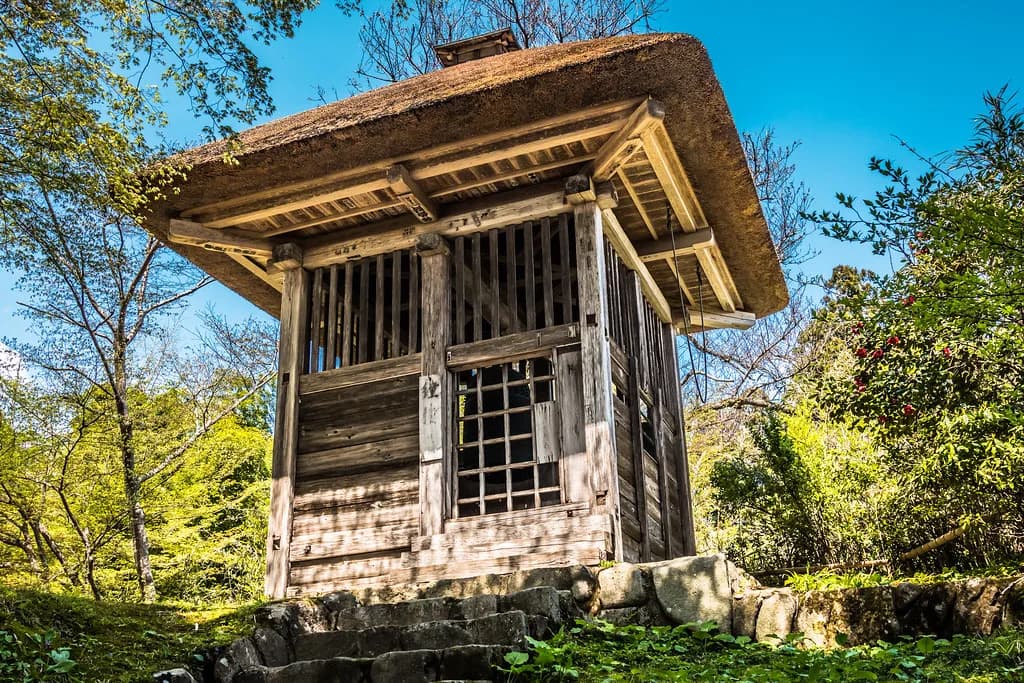
Motsu-ji Temple Garden: A Guide to Hiraizumi’s Pure Land Paradise
Discover the serene beauty of Motsu-ji Temple Garden in Hiraizumi. Our guide covers the Pure Land Garden, Oizumigaike Pond, history, and practical travel tips.
On this page
Motsu-ji's Pure Land garden Temple Garden offers a rare glimpse into the spiritual heart of ancient Japan.
Located in the historic town of Hiraizumi, this site represents the Buddhist vision of paradise.
Visitors come here to experience the peaceful atmosphere of the Heian period.
This guide provides everything you need to plan a meaningful visit to this sacred space.
Useful resources: Wikipedia's Hiraizumi overview and Wikivoyage's Hiraizumi travel guide have up-to-date access and background details.
The History and Significance of Motsu-ji Temple Garden
Motsu-ji stands as a testament to the vision of the Northern Fujiwara clan. They built this temple to represent the Buddhist concept of a heavenly paradise on earth.
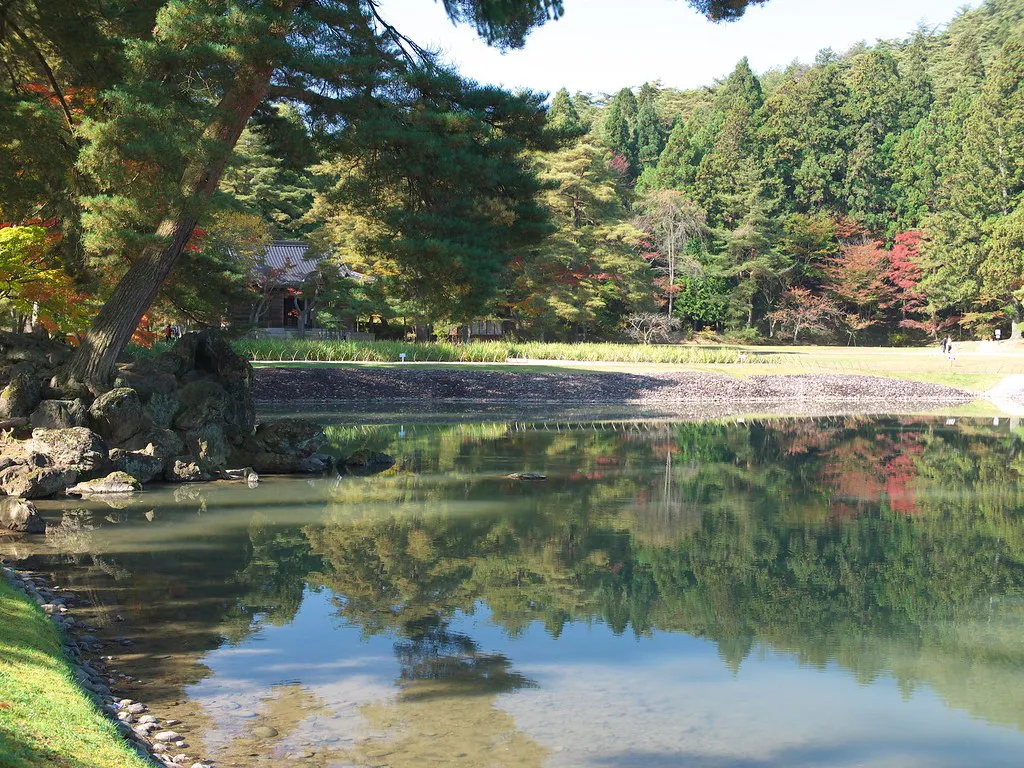
Founded by Jikaku Daishi Ennin in 850, the site grew significantly during the 12th century. It eventually became part of the Hiraizumi UNESCO World Heritage Guide: 6 Essential Sites & Tips listing.
While most original buildings were lost to fires, the layout remains remarkably intact. Visitors can still feel the spiritual atmosphere that once defined this royal temple complex.
The site reflects the wealth and power of the Fujiwara family at their peak. Exploring these grounds helps travelers understand the unique cultural identity of northern Japan.
Exploring the Pure Land Garden and Oizumigaike Pond
The heart of the site is the Oizumigaike Pond, which stretches nearly 180 meters across. This layout strictly follows the rules of the Sakuteiki, Japan's oldest gardening manual.
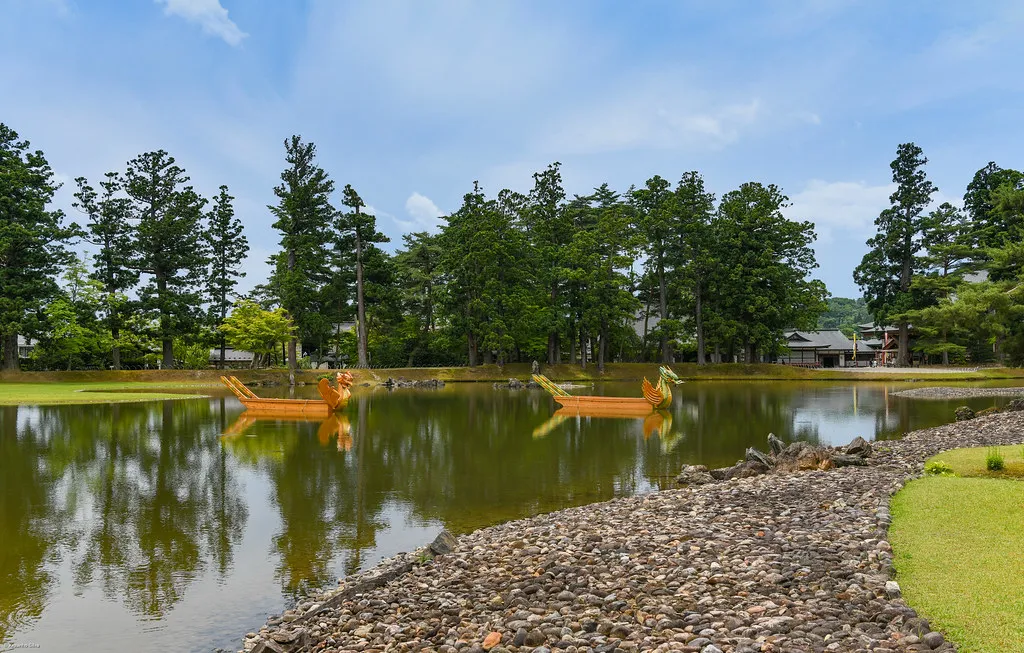
Designers used the "Pure Land" style to create a physical representation of the Buddhist afterlife. Strolling around the water offers a meditative experience that changes with every step.
Look for the Yarimizu stream, a unique feeder channel used for ancient poetry festivals. Participants would write verses before a cup of sake floated past them in the water.
The rocks and islands in the pond are not placed randomly. They symbolize rugged coastal landscapes and deep spiritual meanings found in Heian-period art.
The pond reflects the surrounding mountains and trees, creating a sense of infinite space. This visual trick was a key element of Heian-period landscaping.
Key Architectural Ruins and Seasonal Highlights
Motsu-ji holds a rare double designation as both a Special Historic Site and a Special Place of Scenic Beauty. This status highlights both its historical value and its aesthetic perfection.
Seasonal beauty peaks during the Iris Festival, known locally as the Ayame-matsuri. Over 30,000 iris plants bloom in late June, creating a sea of purple and white.
Autumn brings a dramatic shift as the maple trees turn vibrant shades of red and orange. Photographers often gather here to capture the colorful reflections on the still pond surface.
Winter provides a quiet, snowy landscape that emphasizes the minimalist beauty of the garden ruins. Each season offers a different way to experience this One Day In Hiraizumi Itinerary highlight.
Practical Visitor Information: Fees, Hours, and Access
Visiting Motsu-ji is easy for those arriving at JR Hiraizumi Station. You can walk to the entrance in about 10 minutes or take the "Run Run" loop bus.
The admission fee for adults is currently ¥700, which supports the preservation of this historic site. Check the Official Motsu-ji Website for the latest updates on opening hours.
Buses run every 15 minutes on weekends and every 30 minutes during the week. Travelers often find that renting a bicycle is the fastest way to see multiple 2-Day Things To Do In Hiraizumi in one day.
For more detailed transit tips, you can read this Zooming Japan: Hiraizumi Guide for personal insights. For 2026, visitors should expect standard operating hours to remain consistent throughout the peak seasons.
- Walking from Hiraizumi Station
- Time: 10 minutes
- Cost: Free of charge
- Difficulty: Very easy walk
- Run Run Loop Bus
- Time: 3 minutes
- Cost: 150 yen
- Frequency: Every 15-30 minutes
- Rental Bicycle for Fast Travel
- Time: 5 minutes
- Cost: Varies by hour
- Best for: Fast travel
Planning Your Visit: Nearby Hiraizumi Attractions
Many travelers combine a visit here with a trip to Chuson-ji Konjikido, located just a short bus ride away. While Chuson-ji temple's Konjikido is famous for its golden hall, Motsu-ji is prized for its landscape design.
If you have extra time, consider heading to the Geibikei Gorge Boat Ride for a traditional boat ride. This nearby natural wonder complements the historical depth of the Hiraizumi temples.
A well-planned Hiraizumi 1-Day Trip From Morioka and Sendai should include both major temples to see the full scope of Fujiwara history. Both sites offer unique insights into the religious culture of the Heian period.
Staying overnight in the area allows for a more relaxed exploration of the smaller shrines. You will find that the local hospitality matches the serene beauty of the gardens.
Visiting these sites in a specific order helps you follow the chronological history of the region. Most people start with the garden before moving to the golden temple.
Frequently Asked Questions
How much does it cost to enter Motsu-ji Temple?
The admission fee for adults is ¥700, while children pay a reduced rate. These fees contribute to the ongoing maintenance and preservation of the UNESCO site. Always verify current prices on the official website before your trip to ensure accuracy.
How long does it take to walk around Motsu-ji Garden?
Most visitors spend between 40 and 60 minutes exploring the grounds at a relaxed pace. This allows enough time to walk the full perimeter of Oizumigaike Pond and view the historical ruins. Photography enthusiasts may want to allow extra time for capturing the reflections.
What is the best time of year to visit Motsu-ji?
The garden is most beautiful in late June during the Iris Festival and in early November for autumn foliage. Check our guide on the Best Time To Visit Hiraizumi: Seasonal Guide and Itinerary for seasonal weather details. Each season provides a unique spiritual atmosphere.
How do I get to Motsu-ji from Hiraizumi Station?
You can reach the temple entrance by a simple 10-minute walk from JR Hiraizumi Station. Alternatively, the "Run Run" loop bus takes only 3 minutes to reach the site. Many visitors prefer walking to enjoy the local atmosphere of the town.
Motsu-ji Temple Garden is a peaceful sanctuary that captures the essence of Heian-era Japan.
Its unique design and historical ruins make it a must-see destination in Iwate Prefecture.
Plan your trip today to experience the timeless beauty of this Pure Land paradise.
Free guide: Japan's Hidden Gems
12 under-the-radar places beyond Tokyo & Kyoto — with the best season to visit each and a local tip you won't find in the guidebooks.
You might also like


Continue reading
More guides you'll find useful