Best Time To Visit Hiraizumi: Seasonal Guide and Itinerary
Discover the best time to visit Hiraizumi for cherry blossoms, autumn colors, and the fresh green 'Shinryoku' season. Includes transport tips and a 2-day itinerary.
On this page
Last updated June 2026. Late spring (mid-May to early June) is the best time to visit Hiraizumi for mild weather. This window features the beautiful 'Shinryoku' or fresh green season across the temple grounds. Exploring the Hiraizumi UNESCO World Heritage Guide: 6 Essential Sites & Tips sites reveals the spiritual vision of the Fujiwara clan.
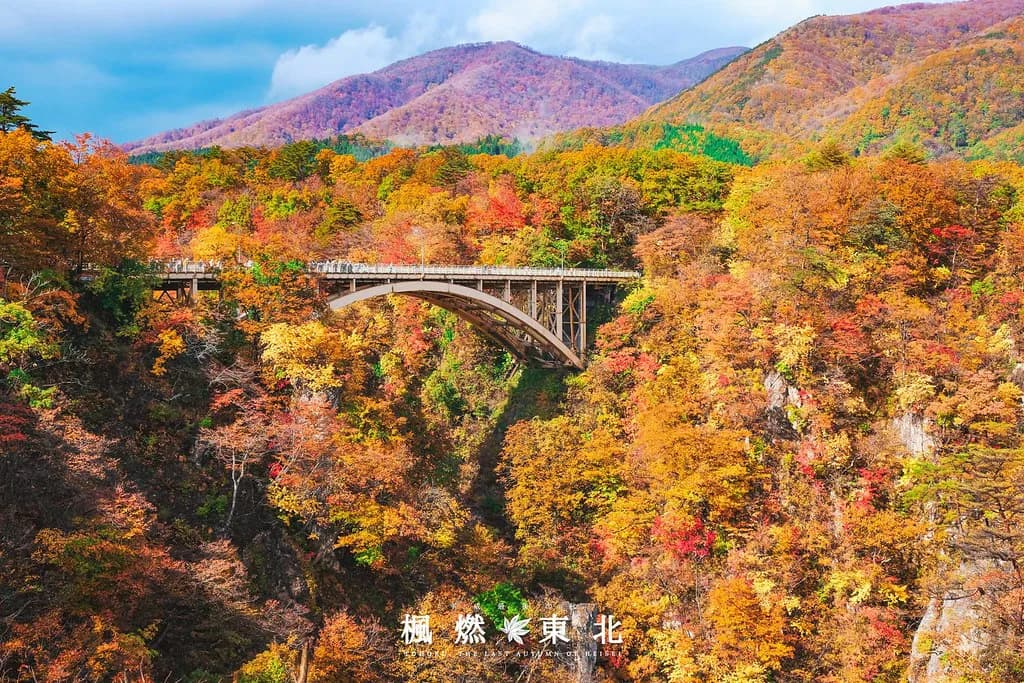
Autumn is another excellent choice for travelers seeking vibrant fall foliage. The maple trees typically peak from late October through early November. Visitors can enjoy cooler temperatures while walking between the historic Pure Land gardens. This guide breaks down every season to help you plan your perfect northern Japan trip.
Useful resources: Wikipedia's Hiraizumi overview and Wikivoyage's Hiraizumi travel guide have up-to-date access and background details.
When Is the Best Time to Visit Hiraizumi?
The best time to visit Hiraizumi depends on your interest in nature or history. Spring brings cherry blossoms in mid-April, though the season is shorter than in southern Japan. Temperatures during this time range from 10–18°C / 50–64°F, requiring light layers for comfort. Many 2-Day Things To Do In Hiraizumi look their best under the soft spring sunlight.
Summer offers the famous Shinryoku season where the forest turns a deep, vibrant green. High humidity is common in July and August, with temperatures reaching 30°C / 86°F. The 'Yamase' cold wind can occasionally bring misty weather to the Iwate region. Early summer is ideal for those who want to avoid the largest crowds.
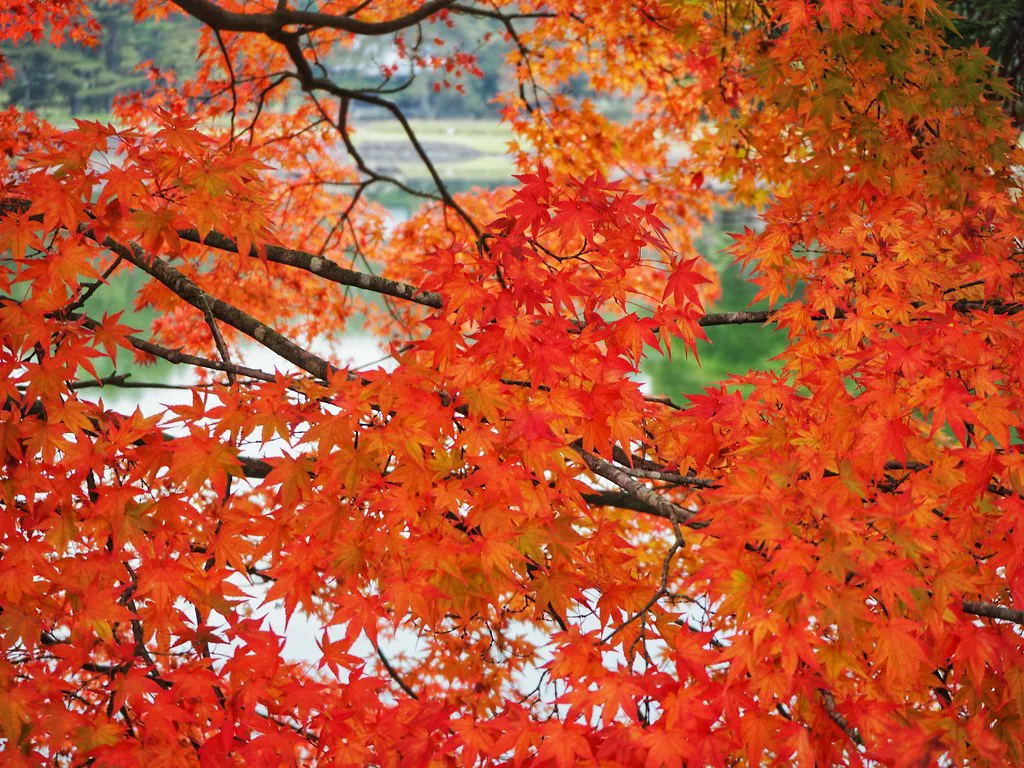
Autumn provides a dramatic backdrop of red and gold leaves against ancient wooden temples. The weather stays crisp and dry, making it the most comfortable season for long walks. Expect temperatures between 12–20°C / 54–68°F during the peak foliage weeks. Photographers often prefer this season for the high-contrast colors at Motsu-ji Temple.
Season Comparison
Choosing the right month ensures you see the specific landscapes Hiraizumi is famous for. Winter is the quietest time, offering a serene atmosphere with occasional heavy snowfall. Snow typically covers the ground from late December through early March. Prices for local stays are often lower during the colder months.
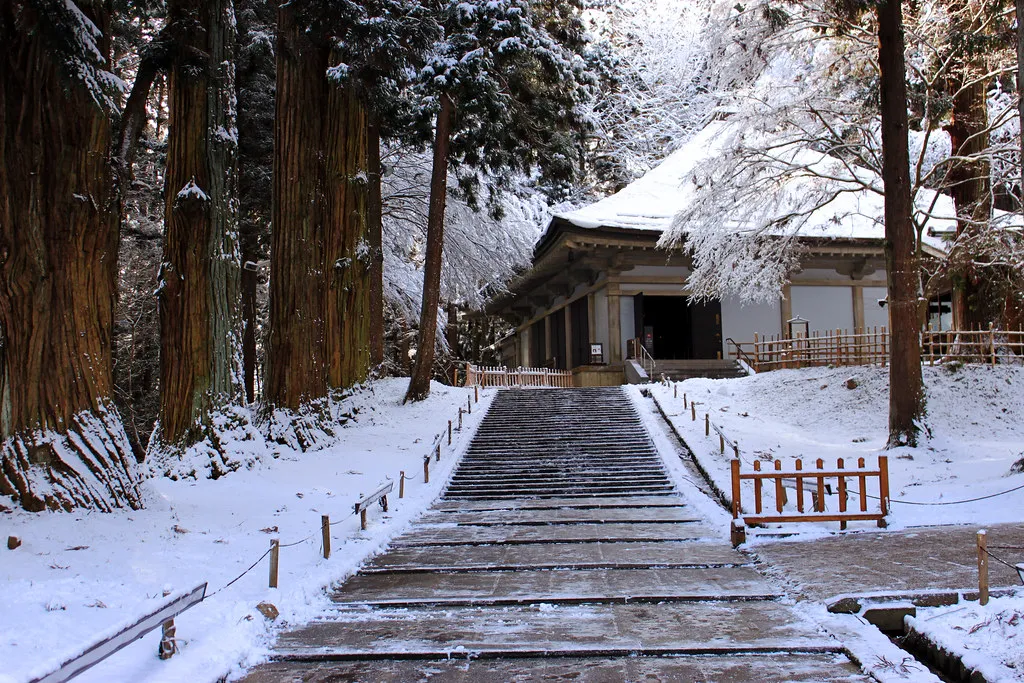
Crowd levels peak during the Golden Week holidays in early May and autumn weekends. Booking accommodation in nearby Ichinoseki is recommended if Hiraizumi is full. Consult the Chusonji Official Site for seasonal event updates. Climate data shows that August is the wettest month due to summer storms.
| Season | Weather | Crowds | Prices | Events | Best for |
|---|---|---|---|---|---|
| Mid-April to May | 10–18°C / 50–64°F | High | High | Spring Festival | Blossoms |
| June to August | 22–30°C / 72–86°F | Moderate | Medium | Gokusui-no-en | Greenery |
| Sept to early Nov | 12–20°C / 54–68°F | High | High | Autumn Festival | Foliage |
| Late Nov to March | -3 to 5°C / 27–41°F | Low | Low | New Year | Solitude |
Which Season Is Right for You?
Every traveler has different priorities when visiting the Tohoku region. History enthusiasts might prefer the quiet of winter to contemplate the Fujiwara legacy. Families often enjoy the summer for outdoor activities in the nearby gorges. Your choice will determine the pace and cost of your visit.
Budget travelers should aim for the shoulder months of March or early June. These periods offer lower rates at a Booking.com for Minpaku Hiraizumi while keeping sites accessible. Avoid the first week of May to skip the highest national travel prices. The town remains walkable even during the warmer summer months.
- Pick mid-April if you want
- Cherry blossoms and festive local crowds
- Pick late May if you want
- Fresh green landscapes and mild temperatures
- Pick early November if you want
- Peak autumn colors and crisp air
- Pick February if you want
- Snow-covered temples and total peace
What to Pack
Packing correctly ensures you can enjoy the outdoor temple paths comfortably. Hiraizumi involves significant walking on gravel and paved inclines. Sturdy walking shoes are essential regardless of the season you choose. Check the JR East Access Info for weather-related travel alerts.
Summer visitors should bring high-SPF sunscreen and a portable fan. The humidity can make the climb to Chuson-ji feel more strenuous. Winter requires insulated boots with good grip for icy temple stairs. Autumn and spring demand a versatile layering system for changing temperatures.
- Spring and Fall essentials
- Light jackets and comfortable walking shoes
- Summer heat gear
- Breathable clothing and a sun umbrella
- Winter warmth items
- Heavy coats and thermal base layers
- Year-round necessities
- Small towel and refillable water bottle
Historical Hiraizumi: Exploring Chuson-ji and Motsu-ji
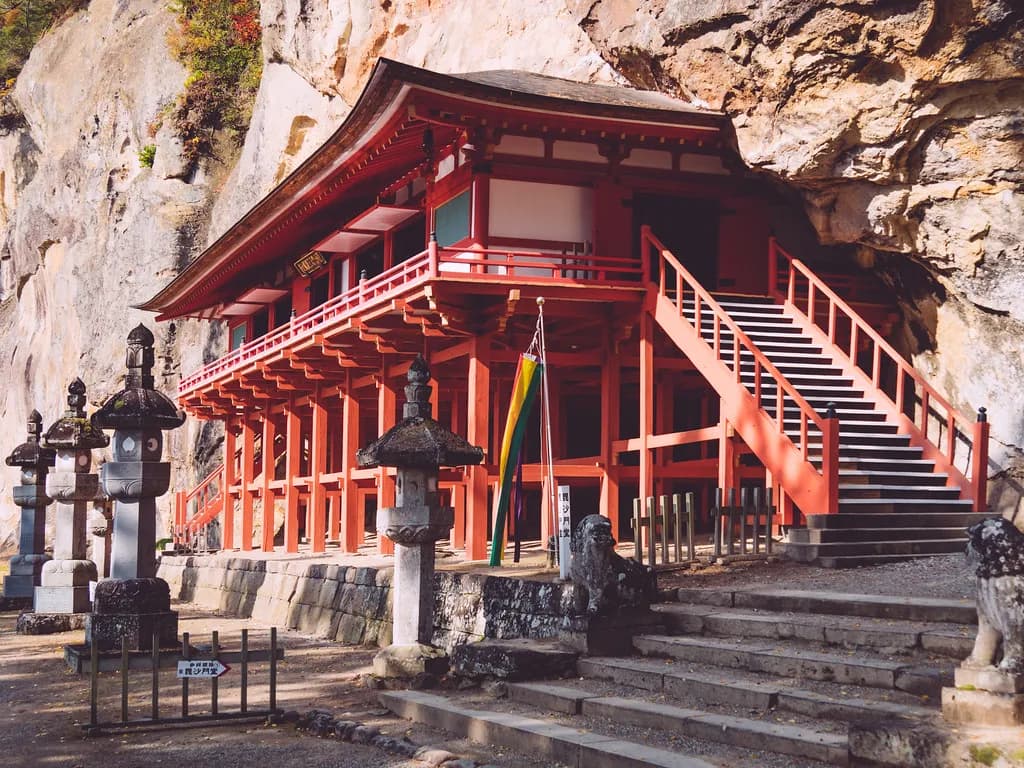
Chuson-ji is the most famous site in town, founded in the year 850. Visitors should prioritize the Chuson-ji Temple Konjikido: A Complete Visitor Guide to see the hall covered in gold leaf. The temple complex sits on a hill and takes about two hours to see. Tall cedar trees line the main path, providing shade during the summer.
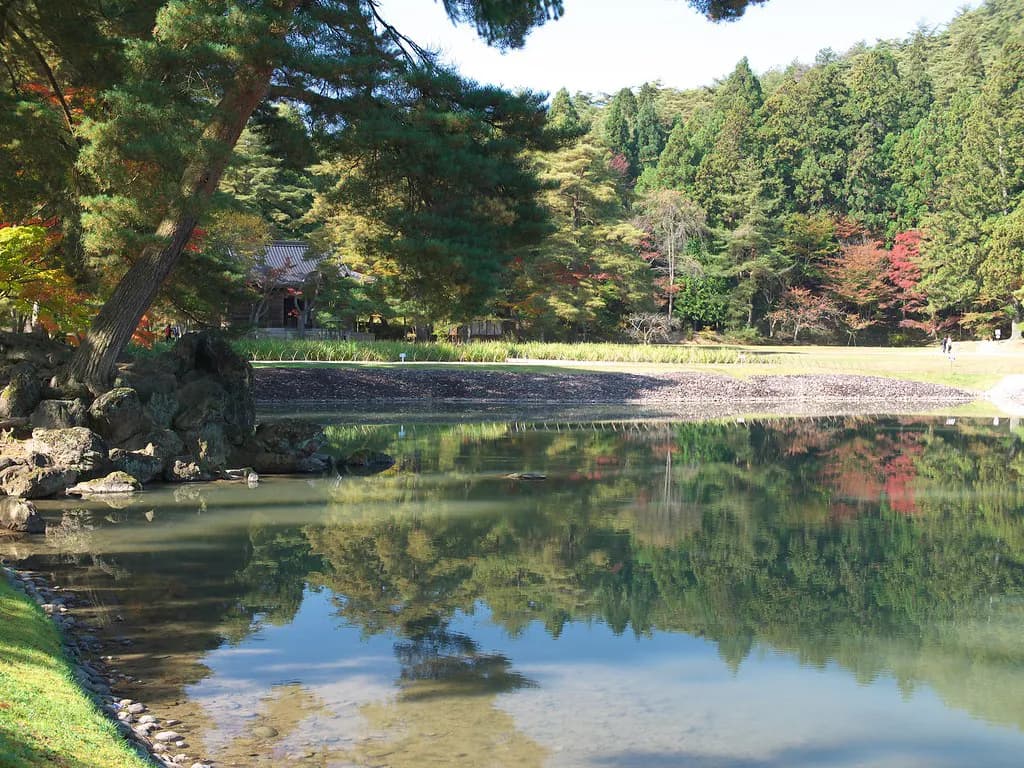
The Motsu-ji Temple Garden provides a peaceful space that represents the Pure Land. Its large pond and rock formations remain largely unchanged from the 12th century. This site is just a ten-minute walk from the main train station. Pure Land Buddhism inspired the town's design as a peaceful earthly paradise.
How to Get to Hiraizumi: Shinkansen and Local Access
Getting to Hiraizumi from Tokyo is efficient via the Tohoku Shinkansen. Take the Hayabusa or Yamabiko train to Ichinoseki Station in two hours. The JR Tohoku Line connects Ichinoseki to Hiraizumi in just seven minutes. Planning a Hiraizumi 1-Day Trip From Morioka and Sendai is easy when using this rail connection.
The Hiraizumi 'Run Run' Loop-line Bus circles the main historic sites. A single ride costs 150 yen, while a day pass is 400 yen. Walking from Motsu-ji to Kinkeizan takes approximately 1.5 hours for active travelers. Bicycles are also available for rent near the station during the warmer months.
Day 2: The Grand Gorges and Food Culture of Ichinoseki
Extend your stay to visit the dramatic Geibikei Gorge for a boat cruise. The boatman uses a pole to navigate the river through towering limestone cliffs. Testing your luck by throwing stones into cliff holes occurs halfway through the ride. Follow a detailed One Day In Hiraizumi Itinerary to balance temples with these natural wonders.
Genbikei Gorge is different and famous for its 'Flying Dango' snack. You place money in a basket and a cable sends it across the river. The dango arrives via the same cable, often accompanied by a small flag. Lunch at the Seki no Ichi brewery offers local sake and craft beer.
Check out more tips on the japanactivity.com/blog for regional travel advice. Ichinoseki is also known for its 'Wanko Siblings' mascots and mochi culture. Try a mochi platter featuring sweet and savory toppings for a local treat. Staying at the Toyoko Inn Ichinoseki Ekimae is a smart choice for budget travelers.
What's Closed in Low Season
Winter travel requires awareness of reduced services in the Hiraizumi area. The 'Run Run' Loop-line Bus often stops operating from December through March. Taxis are available but cost significantly more than the local bus service. Many small island-style tavernas and local cafes close during the coldest weeks.
The Geibikei Gorge boat cruise starts later at 9:30 am in winter. Some temple buildings may close early if heavy snowfall occurs unexpectedly. Walking paths between sites can become slippery and difficult to navigate. Check local signage at the station for the latest seasonal closures.
Frequently Asked Questions
How many days do you need in Hiraizumi?
One full day is enough to see the major UNESCO sites like Chuson-ji and Motsu-ji. Two days allow for a visit to Geibikei Gorge and Ichinoseki. Most visitors prefer a day trip from Morioka or Sendai.
Is Hiraizumi worth visiting in winter?
Yes, Hiraizumi is beautiful in the snow if you enjoy quiet landscapes. You will find very few crowds and lower prices. However, be prepared for cold winds and some reduced bus services.
What is the best way to get around Hiraizumi?
The 'Run Run' Loop-line Bus is the best option for most visitors. It connects the station to all major temples for a small fee. Walking or renting a bicycle is also popular during spring and fall.
Hiraizumi offers a unique glimpse into Japan's spiritual and architectural history. Whether you visit for the fresh green spring or the golden autumn leaves, the town impresses. Plan your transport via Ichinoseki to make the most of your time in Tohoku. This historic destination remains a peaceful alternative to the busier temples of Kyoto.
Free guide: Japan's Hidden Gems
12 under-the-radar places beyond Tokyo & Kyoto — with the best season to visit each and a local tip you won't find in the guidebooks.
You might also like

Continue reading
More guides you'll find useful