Best Time To Visit Morioka: A Seasonal Travel Guide
Discover the best time to visit Morioka. Our guide covers seasonal weather, the Sansa Odori festival, cherry blossom peaks, and winter travel tips for Iwate.
On this page
Last updated June 2026. The best time to visit Morioka is during the mild shoulder months of May or October. These periods offer the most comfortable temperatures for exploring the scenic Kitakami River banks.
Morioka sits in a beautiful valley surrounded by impressive mountains like Mt. Iwate. Travelers often use the city as a peaceful base for exploring the broader 10 Best Things To Do In Morioka. The city provides a slower pace compared to the busy streets of Tokyo or Osaka.
Each season brings a distinct character to this capital of Iwate Prefecture. Spring features the famous rock-breaking cherry tree while summer explodes with massive drum festivals. Autumn offers deep red maple leaves and winter provides a snowy sanctuary for food lovers.
Useful resources: Wikipedia's Morioka overview and Wikivoyage's Morioka travel guide have up-to-date access and background details.
Morioka Weather and Climate Overview
Morioka experiences a humid continental climate with four very distinct seasons. Winters are notably cold with frequent snowfall and freezing winds. Summers can be hot and humid though the mountain air often provides relief.
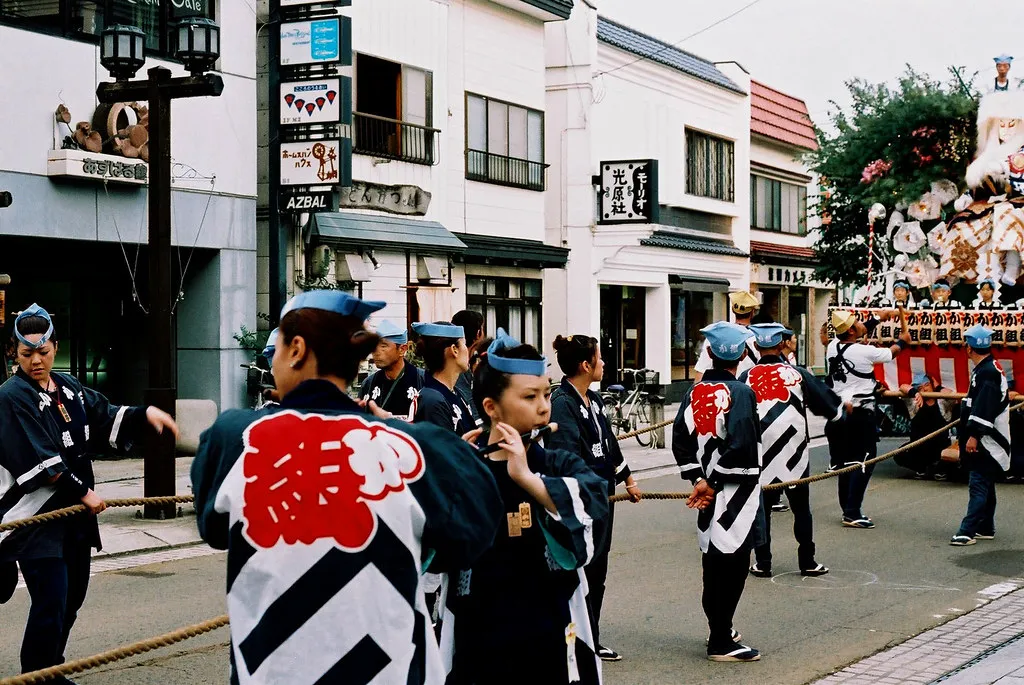
According to data from best time to visit morioka, average highs reach 28°C / 82°F in August. January is the coldest month with lows dropping to -8°C / 17°F. The city also experiences the Yamase wind which brings cool sea air in early summer.
Rainfall is consistent throughout the year but peaks during the mid-summer monsoon. September also sees higher precipitation due to the regional typhoon season. Most visitors find the clear skies of May and October ideal for outdoor photography.
Humidity levels fluctuate significantly between the dry winter and the muggy summer months. Planning your trip around these shifts ensures a much more comfortable experience. Always check local forecasts as mountain weather can change quite rapidly.
Season Comparison
Choosing the right dates depends on your interest in festivals or nature. Peak tourist seasons align with the cherry blossoms and the major August festivals. Off-peak travel offers lower prices and a more authentic local atmosphere.
The table below summarizes what you can expect during different times of the year. Prices tend to rise during national holidays like Golden Week in early May. Booking accommodation early is essential if you plan to visit during festival weeks.
| Season | Months | Weather | Crowds | Prices | Best for |
|---|---|---|---|---|---|
| Spring | Mid-April to May | 10-18°C / 50-64°F | High | High | Cherry Blossoms |
| Summer | June to August | 20-28°C / 68-82°F | Peak | Peak | Sansa Odori |
| Fall | Sept to Nov | 12-20°C / 54-68°F | Medium | Medium | Autumn Colors |
| Winter | Dec to March | -5 to 3°C / 23-37°F | Low | Low | Onsen & Food |
Spring in Morioka: Cherry Blossoms and the Rock-Breaking Tree
Spring typically arrives in Morioka during the middle of April. The city is famous for the Ishiwari-zakura which is a 200-year-old cherry tree. This incredible tree grew through a narrow crack in a massive granite boulder.
The peak bloom for Morioka Cherry Blossoms: Best Spots and 2026 Viewing Guide usually occurs in late April. Cooler northern temperatures mean the flowers last longer than those in southern Japan. Evening illuminations at the park create a magical atmosphere for visitors.
the Castle Ruins Park becomes a sea of pink during this season. Locals gather under the trees for traditional hanami picnics and celebrations. The air remains crisp so a light jacket is necessary for evening walks.
May brings vibrant green leaves and comfortable walking temperatures for all. This is the perfect time to explore the city's historic red brick buildings. Crowds are manageable once the initial blossom rush subsides in early May.
Summer in Morioka: Sansa Odori and Chagu Chagu Festivals
Summer is the most energetic time to experience the local culture. The Chagu Chagu Horse Festival takes place on the second Saturday of June. It features a 15km parade of horses wearing colorful bells and decorations.
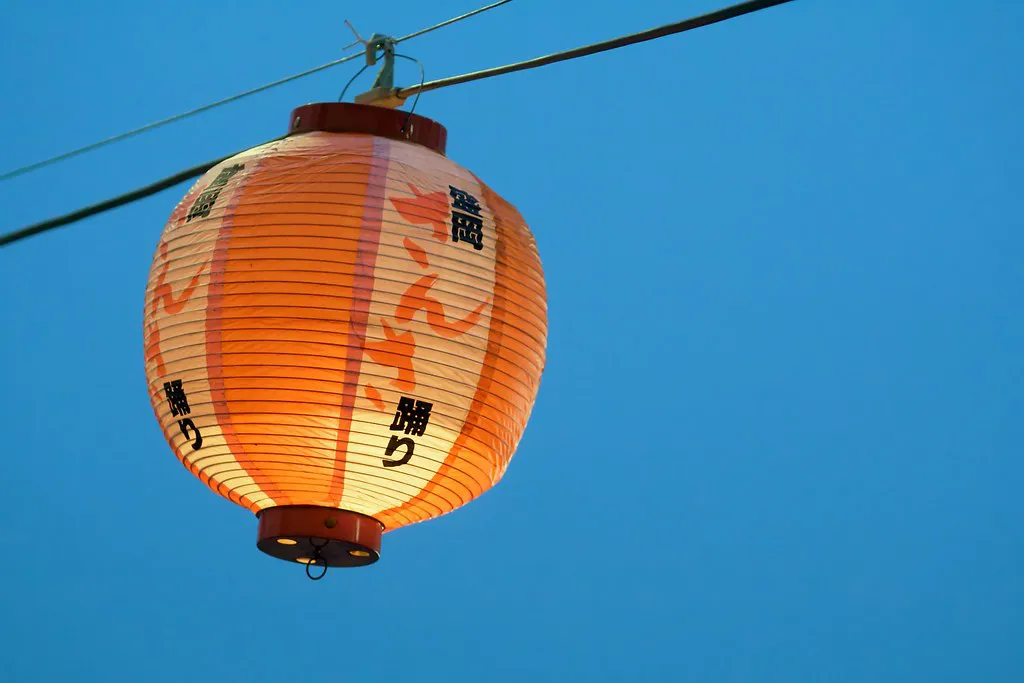
August brings the Morioka Sansa Odori which is a world-class event. According to best time to visit morioka, it is the world's largest taiko festival. Thousands of dancers and drummers fill the main streets with rhythmic energy.
Temperatures in July and August can feel quite intense due to humidity. The Morioka Hachimangu Shrine Travel Guide shrine hosts various smaller summer rituals. Iced reimen noodles become the most popular meal for cooling down.
Summer nights are often pleasant for strolling along the river banks. The city lights reflect beautifully on the water during the clear evenings. Be prepared for occasional heavy rain showers during the monsoon weeks.
Autumn in Morioka: Fall Foliage at the Castle Ruins
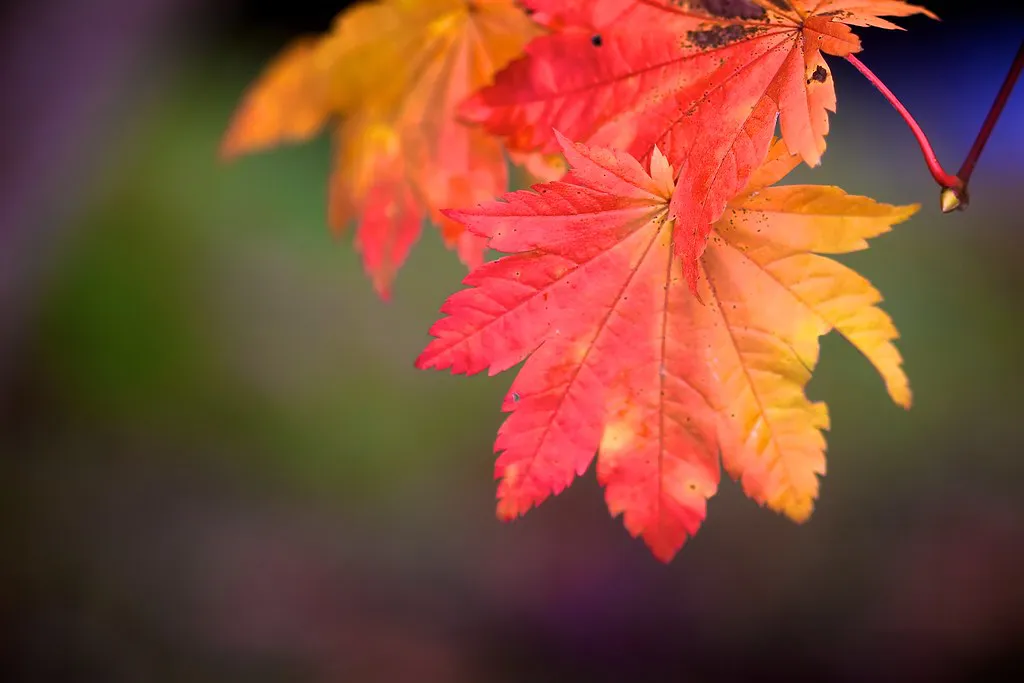
Autumn is arguably the most beautiful season for nature lovers in Iwate. The leaves begin to change color in early October near the mountains. By late October the city center is filled with brilliant gold and red.
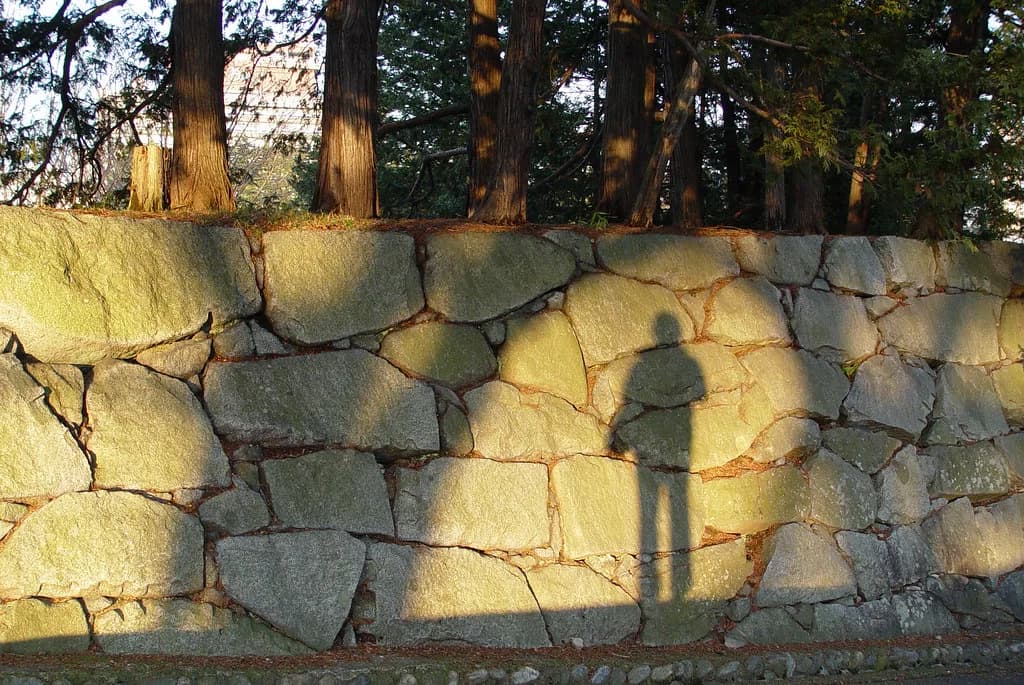
The Morioka Castle Ruins Park: 7 Essential Tips for Your Visit offers the best views of the foliage. Stone walls provide a stark contrast to the vibrant maple and ginkgo leaves. Photographers often flock to the bridges for shots of Mt. Iwate.
Morioka Aki Matsuri or the Autumn Festival occurs in mid-September. Large ornamental floats parade through the streets to celebrate the harvest. The weather during this time is usually dry and very comfortable.
Walking through the historic districts feels peaceful as the air turns cool. Hot jajamen noodles are a perfect treat during the chilly autumn afternoons. This season offers the best balance of good weather and lower prices.
Winter in Morioka: Snowscapes and Onsen Retreats
Winter transforms the city into a quiet and snowy wonderland. Snow usually begins to accumulate in late December and lasts through March. The cold is biting so proper thermal clothing is absolutely essential.
Visitors can take a short bus ride from How to Get to Morioka: A Complete Travel Guide to reach Tsunagi Onsen. Soaking in hot volcanic water while snow falls is a classic experience. The nearby ski resorts offer excellent powder for winter sports enthusiasts.
Winter is the best time to try the famous 10 Things to Know About Wanko Soba in Morioka challenge. Eating dozens of small bowls of hot noodles warms you from inside. The city feels very cozy with many small bars and hidden cafes.
January temperatures often stay below freezing for the entire day. Ice lanterns decorate the streets during local winter festivals in February. Travel costs are at their lowest during this quiet snowy period.
Which Season Is Right for You?
Every traveler has different priorities when planning a trip to Japan. Some prefer the excitement of festivals while others want peaceful nature. Morioka caters well to those who enjoy a slower pace of life.
Budget is also a major factor for many international visitors. Winter offers the best value for flights and 9 Best Areas and Tips: Where to Stay in Morioka. Summer requires the most planning and the highest travel budget.
Think about your tolerance for cold or humidity before booking. The shoulder seasons of spring and fall are the safest choices. Use the rules below to help narrow down your ideal travel dates.
- Pick spring if you want
- Iconic cherry blossoms and mild days
- Pick summer if you want
- Powerful drum festivals and vibrant energy
- Pick fall if you want
- Stunning foliage and perfect hiking weather
- Pick winter if you want
- Hot springs and low travel costs
What to Pack
Packing correctly ensures you can enjoy the city in any weather. The valley location means winds can feel stronger than in other cities. Comfortable walking shoes are a must for the flat city center.
Japanese weather can be unpredictable so layers are always recommended. Summer requires protection from both the sun and the heavy rain. Winter demands specialized gear to handle the sub-zero temperatures.
Don't forget a portable battery for your phone during long festival days. Local pharmacies sell heat packs called kairo which are great for winter. Follow this simple checklist for each season of the year.
- Spring packing essentials
- Light jackets and versatile layers
- Summer packing essentials
- Breathable cotton and a sturdy umbrella
- Fall packing essentials
- Sweaters and a medium weight coat
- Winter packing essentials
- Heavy parkas and thermal base layers
What's Closed in Low Season
Low season travel requires some extra planning regarding local attractions. Many outdoor food stalls at Discovering Koiwai Farm Morioka close during winter. The farm remains open but offers a much more limited experience.
Popular riverbank cafes often stop their outdoor seating from November. They continue to serve indoors but you lose the scenic views. Some smaller museums may have shorter operating hours in January.
Bus schedules to remote hiking trails often change in late autumn. Fewer departures make it harder to reach certain mountain viewpoints. Always verify the current timetables at the Morioka Station info center.
How Long Do You Need in Morioka?
Most visitors find that two full days is enough for the center. This allows time for the castle ruins and the historic bank. You can also fit in at least two of the famous noodle styles.
Three to four days is better if you plan day trips. The city is a great base for visiting Kakunodate or Hiraizumi. Slow travelers often stay a week to enjoy the local crafts.
The city center is very walkable and easy to navigate. Using the Loop Bus is an affordable way to see major sites. Give yourself extra time if you visit during a major festival.
Frequently Asked Questions
When is the cheapest time to go to Morioka?
The cheapest time to visit is during the winter months of January and February. Flight and hotel prices drop significantly after the New Year holidays. You can find great deals on accommodation during this snowy off-peak period.
What is the nicest month to visit Japan?
May and October are widely considered the nicest months for visiting Japan. These months offer mild temperatures and very little rainfall across the Tohoku region. You will enjoy clear skies and beautiful natural scenery during these times.
Is Morioka worth visiting in winter?
Morioka is definitely worth visiting in winter for fans of snow and hot springs. The city offers a cozy atmosphere and world-class local cuisine like wanko soba. Nearby onsen resorts provide a perfect escape from the freezing temperatures.
Morioka is a year-round destination that rewards those who look beyond Tokyo. Whether you want cherry blossoms or massive drum festivals, there is a perfect month. Plan your visit for May or October to enjoy the best overall weather.
The city's unique blend of crafts and nature makes it a hidden gem. Always check the festival calendar before booking your Shinkansen tickets. We hope this guide helps you choose the best time for your trip.
Free guide: Japan's Hidden Gems
12 under-the-radar places beyond Tokyo & Kyoto — with the best season to visit each and a local tip you won't find in the guidebooks.
You might also like


Continue reading
More guides you'll find useful