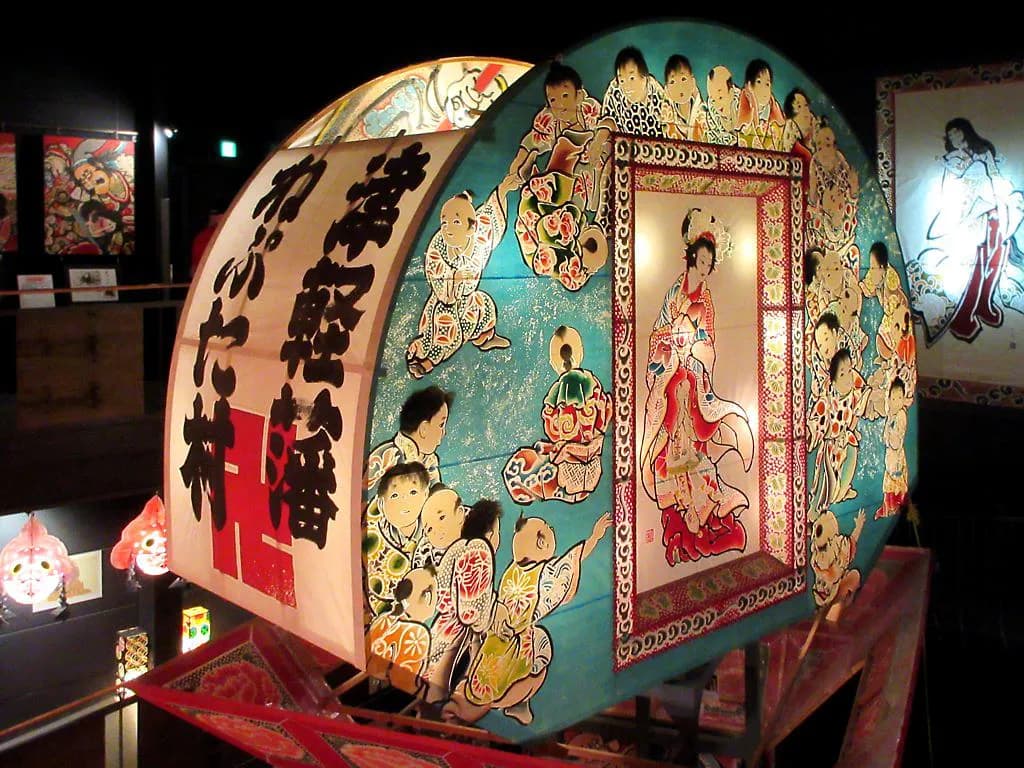
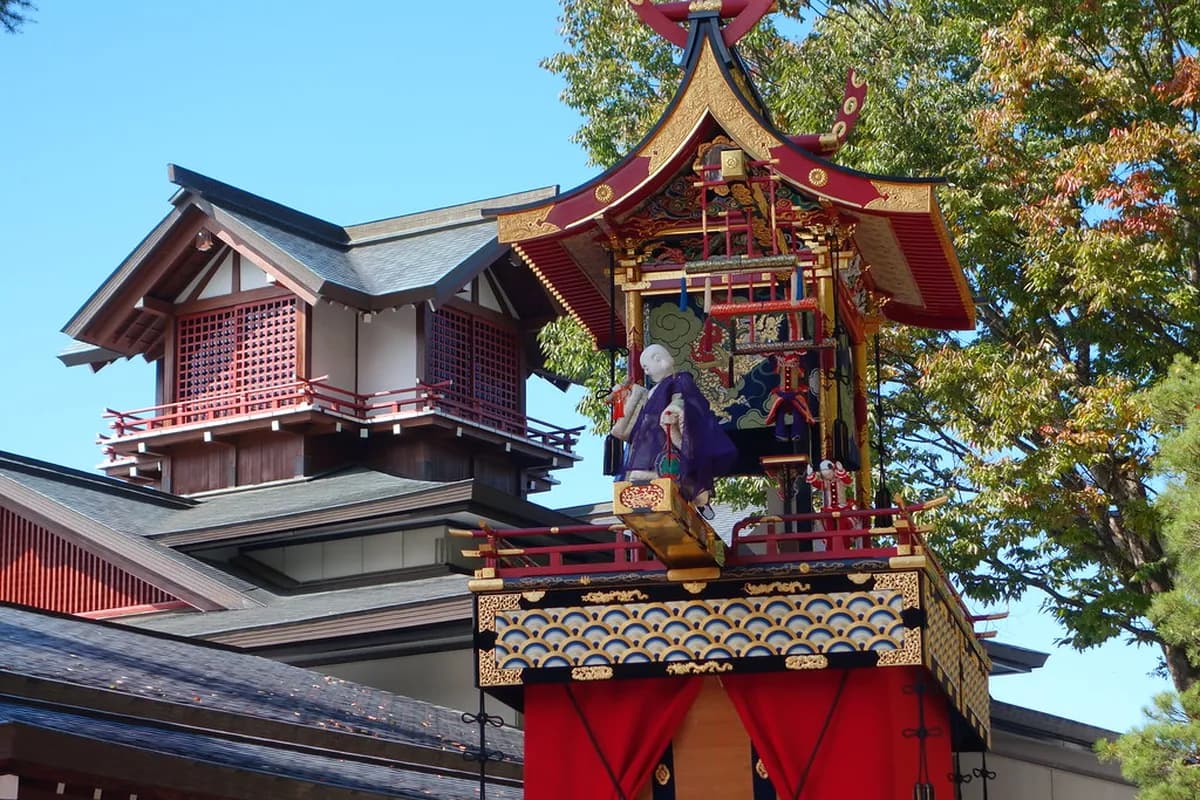
Akita Kanto Festival Travel Guide
Plan your Akita Kanto Festival trip with top picks, cultural context, timing tips, and practical booking advice for a smoother experience.
On this page
The Akita Kanto Festival is one of Japan's most spectacular summer events, held every year in early August in Akita City, Akita Prefecture.
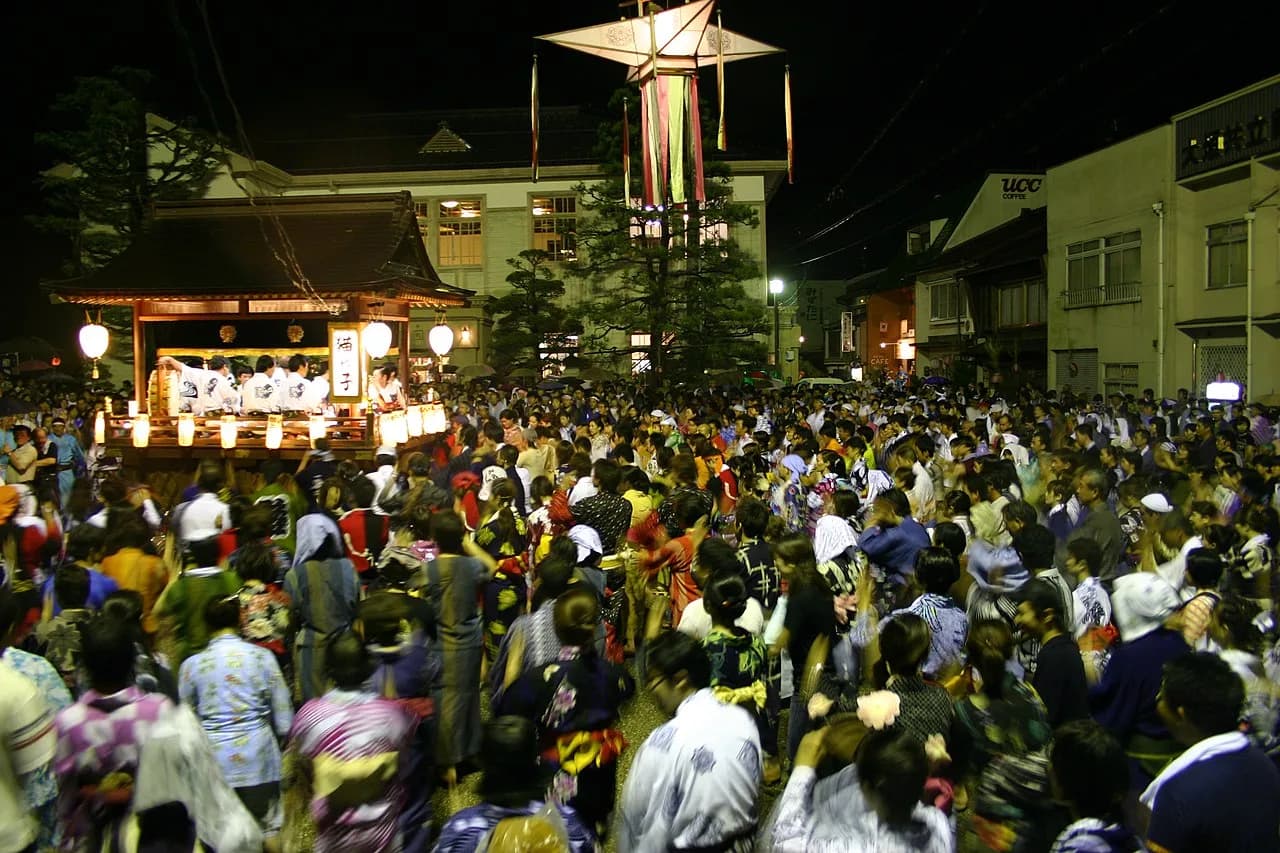
This vibrant celebration showcases extraordinary balancing skills with towering bamboo poles — each adorned with rows of glowing paper lanterns. The effect at night, hundreds of illuminated poles swaying above a packed street, is unlike anything else in Japan.
Visitors gather to witness the historic Neburi Nagashi tradition, originally a prayer ritual for good harvests and protection from evil spirits. This guide covers everything you need to plan an unforgettable trip to the 2026 Akita Kanto Festival.
What is the Akita Kanto Festival?
The Akita Kanto Festival — formally the Kanto Matsuri (竿燈まつり) — is a traditional annual event stretching back to the Horyaku period (1751–1763), placing its origins firmly in the Edo era. Before it took its current name, the gathering was called Neburi Nagashi, a ceremony to repel drowsiness and the lethargy caused by brutal summer heat during the harvest season. It also served as a ritual to purify communities and shield them from evil spirits. When Emperor Meiji visited Akita in 1881, the event was renamed Kanto — meaning "pole lantern" — and the name has remained ever since.
The central object is the bamboo kanto pole itself. Poles come in four sizes: Owaka (large, up to 12 metres tall, weighing 50 kg, carrying 46 lanterns), Chuwaka (medium), Kowaka (small), and Yowaka (child-sized). The lanterns represent rice bales, the gohei ornament at the top acts as a prayer token, and the way the pole sways also tells performers about wind direction. Skilled performers — called sashi-te — balance these poles using only five body points: the palm (hirate), forehead (hitai), shoulder (kata), waist or hip (koshi), and a passing technique called nagashi.
The festival is recognized as a significant Intangible Folk Cultural Property of Japan. Balancing a large Owaka is estimated to require 40% strength and 60% skill. Performers train for years before attempting the full-sized poles in public competition. It draws visitors from across Japan and internationally, all arriving in Akita City for four days in August.
When and Where is the Akita Kanto Festival?
The 2026 Akita Kanto Festival runs from August 3 to August 6. These dates are fixed each year — the festival always falls on August 3–6 regardless of the day of the week. Confirm the official schedule at Akita Kanto Festival official website before you travel. The main performance street is Kanto Odori, the central avenue in Akita City that closes to traffic each evening to become the festival stage.
Evening performances (Yoru Kanto) run from approximately 19:15 to 21:00 each night. This is when the lantern-lit processions take place along Kanto Odori, and it is the moment most visitors come for. Arrive by 18:30 at the latest to secure a standing spot. Reserved grandstand seats are also available for purchase through the official festival website and sell out weeks in advance — they offer unobstructed, elevated views and are worth the cost for first-timers.
Daytime events (Hiruma Kanto) run from August 4 to August 6 at Area Nakaichi Nigiwai Hiroba, a 10-minute walk from Akita Station. The competition schedule is 09:20–15:40 on August 4 and 5, and 09:00–15:00 on August 6. These competitions are free to watch and offer something the evening parade cannot: close proximity to performers and the ability to observe the five techniques in detail. Top performers from across Akita compete in six categories covering individual and group events for both adults and children.
Akita City is a 4-hour ride from Tokyo Station on the Akita Shinkansen (Komachi line). Check Getting to Akita by Train for full transport options including overnight buses, which cost significantly less than the bullet train. Local buses and taxis cover the short distances between Akita Station and the festival venues.
Evening performances run 19:15–21:00 each night from August 3–6, 2026. Arrive by 18:30 to claim a free standing spot, or book reserved grandstand seats in advance — they sell out weeks ahead and offer unobstructed elevated views worth the premium cost. Daytime competitions (August 4–6, 09:00–15:40) are free and let you see the five balancing techniques up close.
Experiencing the Akita Kanto Festival: Highlights and Performances
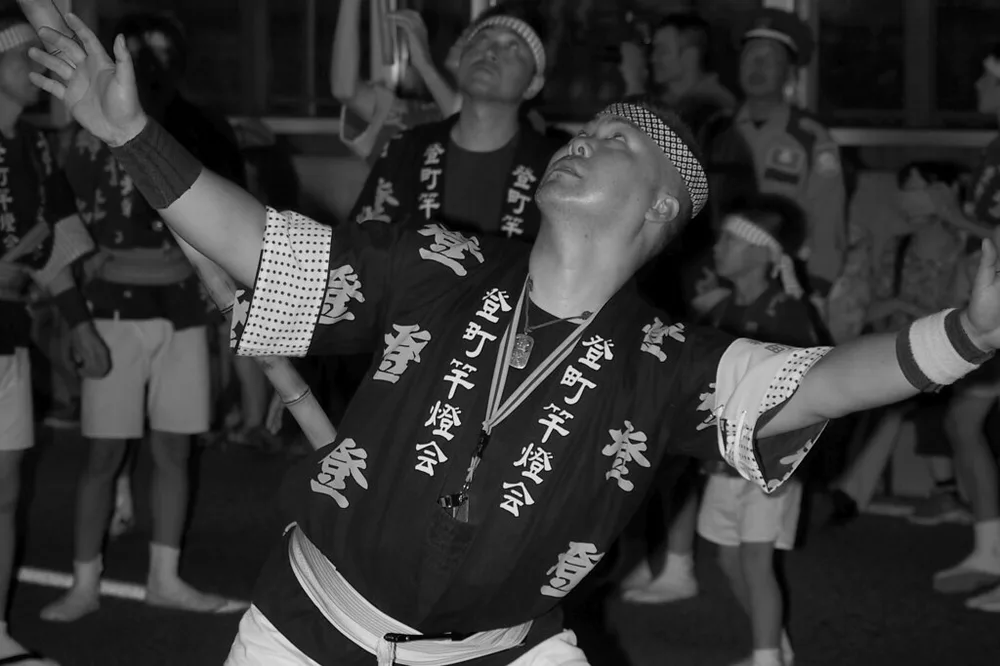
The evening parade is the centrepiece. Hundreds of sashi-te carry their glowing poles down Kanto Odori while taiko drums and bamboo flutes play the Kanto Bayashi festival rhythm. The crowd chants "Dokkoisho! Dokkoisho!" in unison to encourage the performers, and the energy builds steadily from the opening procession to the climax when dozens of full-sized Owaka poles are raised simultaneously. The sight of 46 lit lanterns swaying 12 metres above the street, held only by a performer's hip or forehead, is viscerally dramatic in a way photographs do not capture.
The five official techniques are what separate good performers from master ones. Watch for nagashi (the seamless transfer of a pole between body points), hirate (balancing flat on the palm with minimal grip), and hitai (forehead balance, considered the most precarious). The kata (shoulder) and koshi (hip) placements tend to be the stablest and are where young performers begin. Competitions during the day award points in each category, so the daytime events have a genuine sporting tension that complements the ceremonial atmosphere of the evenings.
After the final evening performance, organisers open a hands-on section where visitors can attempt to balance smaller kanto poles themselves. Most adults cannot keep a child-sized Yowaka upright for more than a few seconds, which makes for immediate appreciation of the performers' skill. Check the official program for the exact location of this activity — it is typically signposted in English near the main stage area.
The festival concludes on August 6 with a closing ceremony where all participating groups parade together. This final procession carries a different emotional weight from the competitive nights — it is a communal celebration rather than a showcase, and many long-term visitors consider it the most moving part of the whole event.
The five official balancing techniques — nagashi (pole transfer between body points), hirate (palm balance), hitai (forehead balance), kata (shoulder), and koshi (hip) — showcase the range of performer skill. Hitai is considered the most precarious; kata and koshi are where younger performers begin. Watch the daytime competitions (August 4–6) to see judges score each technique separately, which adds genuine sporting tension to the festival atmosphere.
Planning Your Visit to Akita Kanto Festival
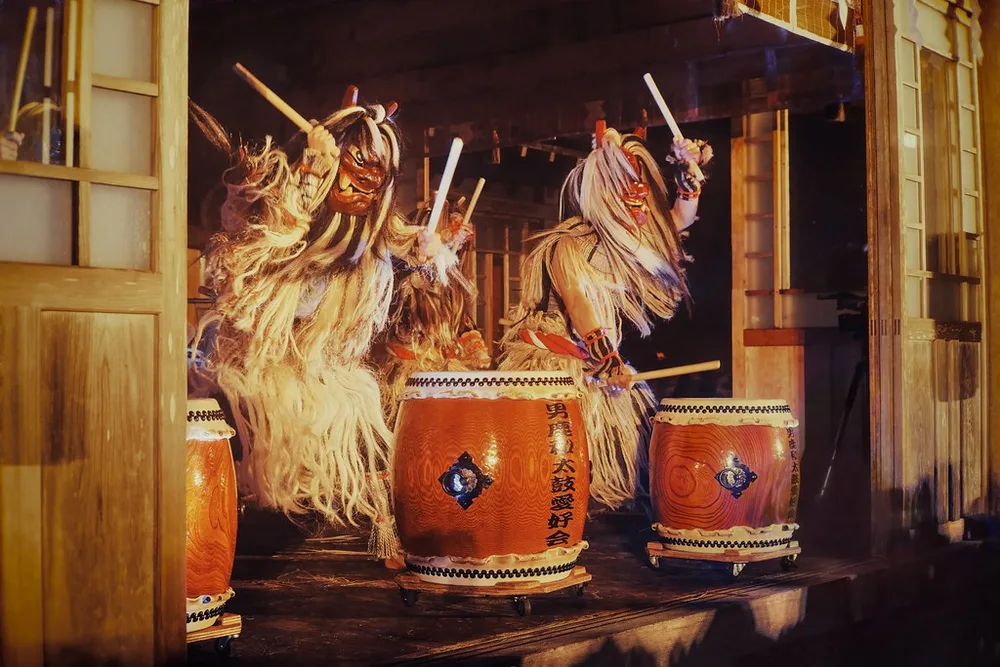
Book accommodation at least three months in advance. Hotels in Akita City sell out completely for the August 3–6 window, and prices rise sharply once rooms become scarce. If Akita City hotels are already full, consider staying in Kakunodate (about 50 minutes south by local train) or Yokote and commuting in for the evenings. Check Akita Accommodation Areas for neighborhood-level guidance on which districts give you the shortest walk to Kanto Odori.
For the evening performances, arriving early matters more than any other single decision. Free standing areas fill from around 18:00. Bring a small folding stool or a lightweight picnic blanket if you plan to wait; the standing sections can become uncomfortable after two hours on your feet. Reserved grandstand tickets eliminate this entirely — book them via the official festival website as soon as they go on sale (typically April or May).
Pack for Akita's August climate: daytime temperatures reach 28–32°C with high humidity, but evenings cool noticeably. A light layer for 21:00 onward is useful. Carry cash — many food stalls near the festival grounds do not accept cards. Budget around ¥1,000–2,000 for yakitori, Akita sake (offered in small cups at several stands), and grilled kiritanpo skewers.
- Arrive by 18:30 for evening performances, earlier on August 3 (opening night crowds are largest).
- Download the official Akita Kanto Festival app or carry a printed schedule — performance zones shift slightly between days.
- Umbrellas are allowed in standing areas but frustrate neighbours; a folding rain poncho is better.
- The nearest convenience stores to Kanto Odori are a 5-minute walk north on Route 13.
- Avoid the last Shinkansen to Tokyo (departs Akita around 20:00) — you will miss the heart of the evening performance. Stay at least one night.
The Tohoku Triple: Combining Three Great Summer Festivals in One Week
The Akita Kanto Festival is one of the three great Tohoku summer festivals, alongside Aomori Nebuta (August 2–7) and Sendai Tanabata (August 5–8). The dates overlap in a way that makes a single week-long trip possible. Aomori is roughly 2.5 hours from Akita by limited express train; Sendai is about 1.5 hours from Akita by Shinkansen. A practical itinerary runs Aomori Nebuta on August 2–3, train south to Akita for the Kanto Festival August 4–5, then continue south to Sendai for Tanabata August 6–7.
No competitor guide in the SERP spells out the day-by-day logistics clearly, but the overlap is deliberate — Tohoku tourism authorities have long positioned the three festivals as a single draw for international visitors. The key constraint is accommodation: you need to book all three cities simultaneously, ideally in February or March for August travel. Aomori and Sendai hotels fill almost as fast as Akita's during their respective festival days.
For rail travel across all three cities, the JR EAST PASS (Tohoku area) covers unlimited travel on JR East lines including bullet trains for 5 consecutive days at ¥30,000. A Tokyo–Akita Shinkansen return alone costs approximately ¥34,000, so if you are traveling the full Tohoku loop from Tokyo, the pass pays for itself on the first two journeys. Seat reservations on Shinkansen and some scenic trains can be made in advance for free through the JR-EAST Train Reservation service. Foreign passport holders residing in Japan are also eligible to use this pass, not just overseas visitors.
| Festival | Dates | Location | Main Spectacle |
|---|---|---|---|
| Akita Kanto | August 3–6 | Akita City | Bamboo pole lantern balancing |
| Aomori Nebuta | August 2–7 | Aomori City | Large illuminated float parade |
| Sendai Tanabata | August 5–8 | Sendai City | Bamboo and paper decoration displays |
Akita Kanto Festival Tours: Finding the Right Option
Guided tours to the Akita Kanto Festival typically package the event alongside the other two Tohoku summer festivals — Aomori Nebuta and Sendai Tanabata. The standard format is 10–14 nights covering Hokkaido, Tohoku, and sometimes Tokyo, departing in late July or early August. Prices start from around US $5,000 per person for 12-day deluxe group tours. These packages handle accommodation in all festival cities, reserved viewing seats, and ground transport, which removes the single most stressful element of independent planning.
The tradeoff is flexibility. Group tour itineraries are fixed and move on regardless of whether you want more time at a particular venue. You will see the evening parade but may miss the daytime competition or the hands-on balancing activity. If you have visited Japan before and are comfortable with rail travel, the independent route is usually more rewarding and often cheaper — particularly if you use a rail pass.
If you are having difficulty finding a tour, search specifically for "Tohoku 3 Great Summer Festivals" tours rather than "Akita Kanto Festival" alone. Most operators list the Akita component under the regional festival bundle rather than as a standalone product. Japanese domestic travel agencies (JTB, Hato Bus, Kinki Nippon Tourist) also offer Japan-only packages that rarely appear on international booking platforms but can be booked in English via their overseas desks.
Experience the Kanto Spirit Year-Round: Neburi Nagashi Kan
If you cannot visit Akita in August, or if you want cultural context before the festival, the Neburi Nagashi Kan — the Akita City Folk Performing Arts Heritage Centre — is the essential stop. The museum sits at 1-3-30 Omachi, Akita (010-0921), a 17-minute walk or 7-minute bus ride from Akita Station. Typical hours are 09:30–16:30; closed Tuesdays and the New Year period. Verify current hours at the Neburi Nagashi Kan official page before visiting.
The interior holds full-sized kanto poles — including Owaka poles — displayed vertically so you can appreciate their actual scale in a way that festival-crowd photography never conveys. Immersive audio and video installations recreate the night parade atmosphere. Visitors can also try on traditional Hanten festival coats and attempt to balance smaller kanto poles on their own foreheads and hips. The museum reports that most first-timers cannot hold the pole upright for more than a few seconds, which reframes the evening performance completely when you later watch professionals hold an Owaka steady for minutes at a time.
A separate interactive station lets visitors try the taiko drums with video guidance, learning the Kanto Bayashi rhythms and the call-and-response chants (Hayashi Kotoba) used during performances. Allow at least 90 minutes — the interactive elements are genuinely engaging and not the brief "touch-it-and-move-on" type common at Japanese cultural museums. The combination of physical participation and contextual exhibits makes this one of the better regional festival museums in the Tohoku area.
Meet the Makers: Takahashi Lantern Workshop (Chochin-ya Takahashi)
Chochin-ya Takahashi is a family-run workshop that has supplied handcrafted lanterns for the Kanto Festival across multiple generations. The lantern-making process follows a strict sequence: design, build the bamboo framework, paste washi paper over the frame, hand-paint the crest or family/group motif, then finish and inspect. Each lantern takes a full day or more to complete. The workshop operates year-round — even in the height of summer — partly because the glue used in papering must be dried with a stove even in August heat.
The lanterns are not generic decorations. Each one bears the crest or emblem of the specific performing group that commissioned it, and the designs are protected by the teams themselves. Seeing dozens of these in a museum case looks impressive; understanding that each was individually commissioned and hand-painted by an artisan adds a different dimension to watching them sway 12 metres above a street at night.
Workshops like Chochin-ya Takahashi are not always open to the public on a walk-in basis. Contact the Akita City Tourism and Culture Promotion Division in advance to confirm visiting arrangements. Purchasing a lantern as a souvenir is possible at some workshops and at the Neburi Nagashi Kan gift shop. Prices for decorative lanterns start from around ¥2,000 for small versions and rise steeply for festival-grade pieces.
Why Visit Akita Beyond the Festival Season?
Akita offers strong reasons to visit outside August. Autumn (October–November) brings vivid foliage across the mountains and a quieter version of the city, with hotels at a fraction of festival prices. Winter is the season of kiritanpo nabe — the regional hot pot made with pounded rice sticks, chicken broth, and burdock root — best eaten in a small izakaya near the central market. Spring brings cherry blossoms to the Senshu Park, a 20-minute walk from Akita Station, where the castle ruins create a classic sakura backdrop without the queues of more famous locations.
A day trip to the Oga Peninsula works from Akita Station year-round. The peninsula is a 40-minute drive (or 70 minutes by the Oga Line train) and offers the Namahage Sedo Festival in February, a dramatic coastline, and the Namahage Museum year-round. The Oga Peninsula is particularly uncrowded compared to better-known Tohoku destinations and rewards travelers who want rural Japan without large tour groups.
Akita sake ranks among Japan's finest regional varieties. The climate — cold winters and clean mountain snowmelt — produces rice of exceptional quality, and the prefecture has a higher concentration of sake breweries per capita than most Japanese prefectures. Several breweries in and near Akita City offer tours and tastings, with some requiring reservations and some walk-in friendly. Explore Akita food like kiritanpo and beef alongside a sake trail for a food-focused itinerary. For itinerary planning across the broader prefecture, an Akita Itinerary Ideas covering both city and rural sites is the most efficient starting point.
Frequently Asked Questions
When is the 2026 Akita Kanto Matsuri?
The 2026 Akita Kanto Festival is anticipated to run from August 3rd to August 6th. These dates are typical for the festival. Always confirm the exact schedule on the official Akita Kanto Festival website closer to your travel date. This ensures you have the most accurate information for planning.
How much time should you plan for Akita Kanto Festival?
Most visitors find two to three days sufficient to experience the main events of the Akita Kanto Festival. This allows you to see both day and night performances. It also provides time to explore Akita City's other attractions. Consider an extra day if you plan side trips.
Which Akita attractions are best to combine with the Kanto Festival?
Combine your Akita Kanto Festival visit with trips to the Neburi Nagashi Kan museum for cultural context. The Akita Dog Visitor Center is popular for animal lovers. Exploring the Oga Peninsula offers stunning natural beauty and unique folklore. Things to Do in Akita provide a diverse range of experiences.
Is Akita Kanto Festival worth including on a short itinerary?
Yes, the Akita Kanto Festival is absolutely worth including, even on a short itinerary. Its unique spectacle makes it a memorable cultural experience. Focus on the evening parades for the most impactful viewing. A two-day visit allows for a concentrated and rewarding festival experience.
What should travelers avoid when planning Akita Kanto Festival?
Avoid booking accommodation last minute, as hotels sell out rapidly. Do not expect to find prime viewing spots without arriving early or reserving seats. Also, avoid underestimating Akita's summer heat; prepare for warm weather. Plan your travel carefully to maximize your festival enjoyment.
The Akita Kanto Festival is a truly unique and unforgettable cultural experience in Japan.
Its dazzling display of lantern-laden poles and the performers' incredible skill captivate all who witness it. Planning your visit carefully ensures a smooth and enriching journey.
From securing accommodation to exploring year-round Kanto spirit, every detail contributes to a memorable trip. Akita City welcomes you to share in this ancient tradition.
Embrace the vibrant energy and deep cultural roots of this remarkable festival. Make your Akita Kanto Festival adventure a highlight of your Japan travels.
Free guide: Japan's Hidden Gems
12 under-the-radar places beyond Tokyo & Kyoto — with the best season to visit each and a local tip you won't find in the guidebooks.
You might also like


Continue reading
More guides you'll find useful