Hirosaki Neputa Festival: 8 Essential Things to Know
Plan your trip to the Hirosaki Neputa Festival with our guide to 2026 dates, parade routes, viewing spots, and the Tsugaru-han Neputa Village museum.
On this page
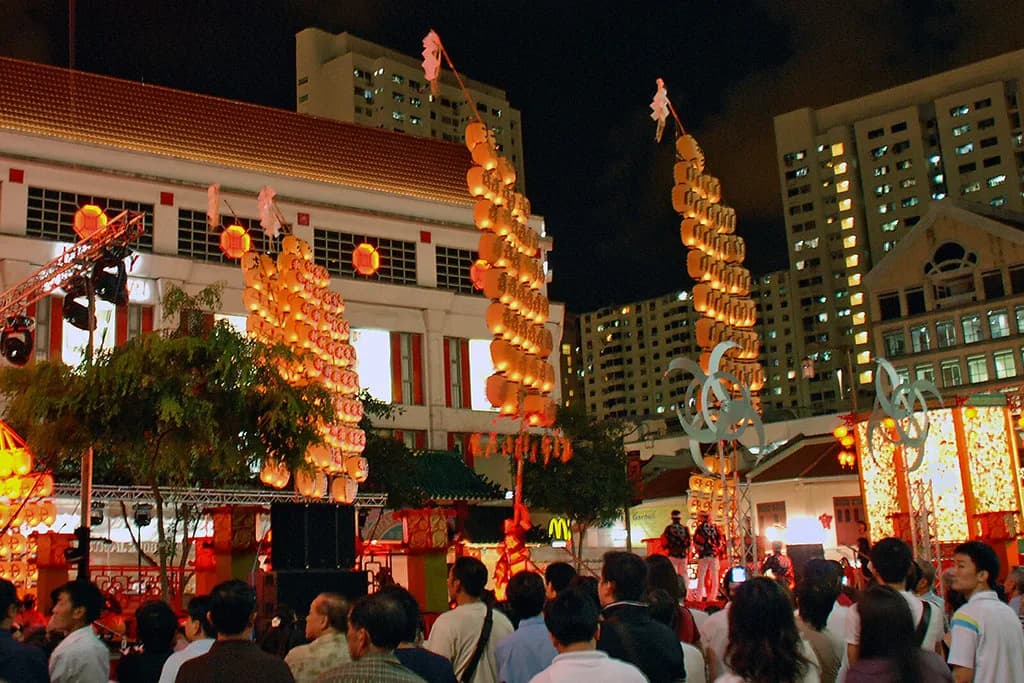
The best time to experience the Hirosaki Neputa Festival is from August 1 to August 7 each year. This traditional event fills the streets of Hirosaki with massive glowing lanterns and thunderous taiko drums. Last updated June 2026, this guide provides the current details for planning your summer visit.
Visitors often consider the when to visit Hirosaki based on these vibrant cultural displays. The festival is a designated Important Intangible Folk Cultural Property of Japan. It features fan-shaped floats called ougi-neputa that reach up to 10 meters in height. These lanterns are made from bamboo frames covered in hand-painted washi paper.
Hirosaki offers a more intimate and artistic atmosphere compared to the larger Aomori Nebuta Festival. The local community takes great pride in constructing these lanterns throughout the year. You will hear the rhythmic "Ya-ya-doh" chant echoing through the historic castle town. This guide covers everything from parade routes to the best museum exhibits in the city.
Useful resources: Japan Guide's Hirosaki page and Wikipedia's Hirosaki overview have up-to-date access and background details.
The History and Significance of Hirosaki Neputa
The origins of the festival date back to the Edo period in the Tsugaru region. Local legends suggest the event began as a way to banish sleepiness during harvest time. The term neputa comes from the Tsugaru dialect words neputee and neputejaa, both meaning drowsy. Farmers would float small lanterns down rivers to send away the spirits of laziness before dawn.
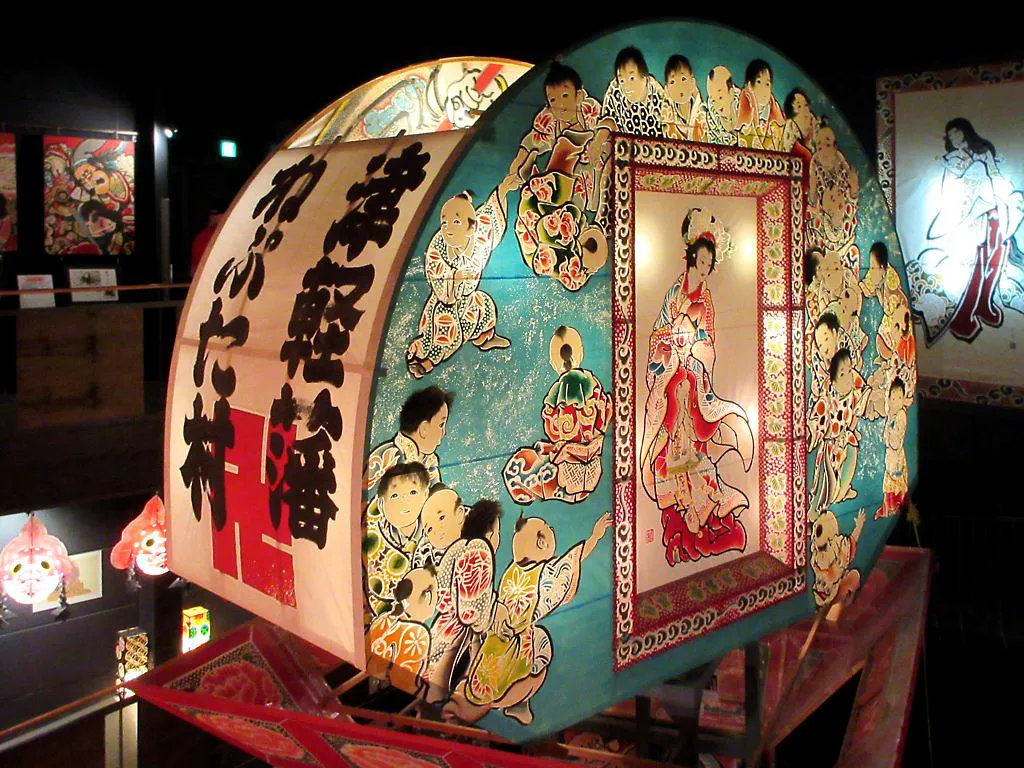
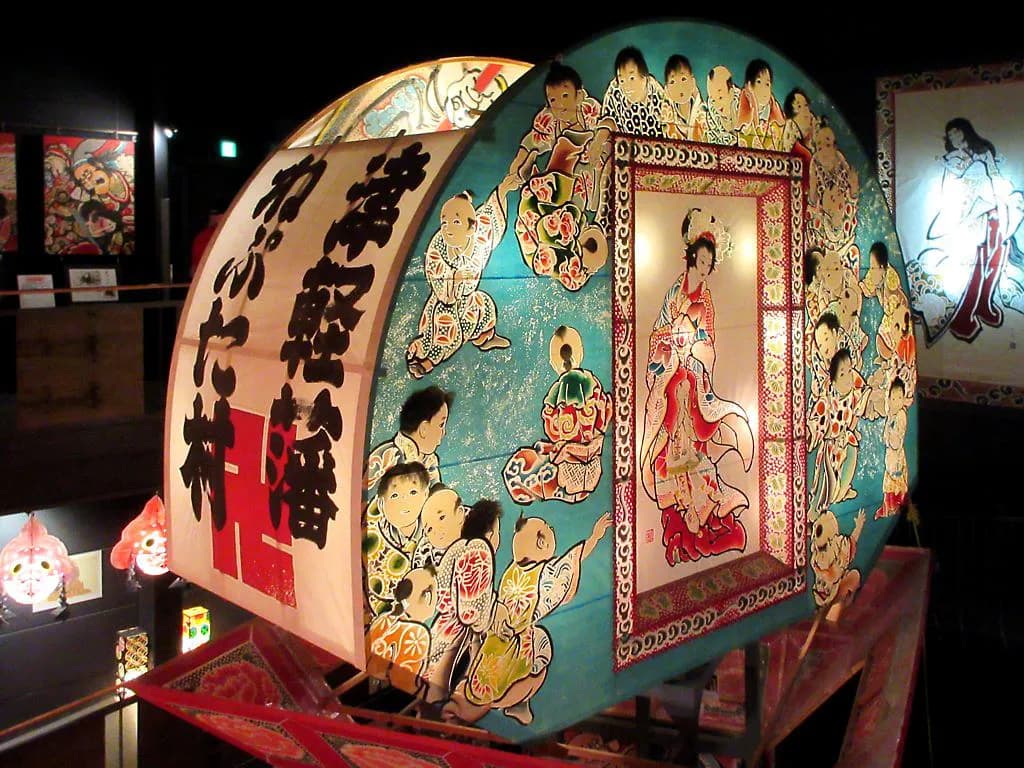
Over time, these simple lanterns evolved into the elaborate floats seen today. The artwork often depicts scenes from traditional kabuki plays and Chinese folklore. Each float features a fierce warrior on the front face and a graceful woman on the back. The contrast between the two sides is a deliberate artistic statement unique to the Hirosaki tradition.
The spinning mechanics of the ougi-neputa are a defining feature of this festival. Young men use thick ropes to manually rotate the massive fan lanterns at street corners. This movement allows the audience to see both sides of the intricate artwork in a single pass. The spinning also creates a dramatic play of light against the night sky that no photograph fully captures.
The festival serves as a vital connection to the history of the Tsugaru-han domain. Many participants are descendants of the samurai who once lived in the Nakacho Samurai District Hirosaki nearby. It remains a grassroots celebration where local neighborhoods build and pull their own floats. This community spirit distinguishes it from more commercialized festivals in larger Japanese cities.
Neputa vs. Nebuta: Key Differences Explained
Many travelers confuse the Hirosaki Neputa with the Aomori Nebuta Festival. Both events fall within the same week in early August and are recognized as Important Intangible Folk Cultural Assets of Japan. The most visible difference lies in the shape of the illuminated floats. Hirosaki uses fan-shaped lanterns while Aomori features giant three-dimensional human figures.
The energy and chants of the two festivals also differ significantly. In Hirosaki, participants shout "Ya-ya-doh" in a steady, measured cadence as the procession moves slowly through the streets. The Aomori festival is known for the high-energy "Rassera" chant and thousands of costumed dancers called haneto who skip alongside the floats. Official records at Reportage HIROSAKI highlight these unique local traditions.
Hirosaki's parade is consistently described as more somber and stately. It focuses on the beauty of the paintings, the precision of the drummers, and the choreography of the float-spinning. Aomori's version feels more like a large-scale street party with scale rather than artistry at its center. Choosing between them depends on whether you prefer artistic depth or high-energy spectacle.
If you have time, you can visit both cities during the festival week. The train journey for Hirosaki From Aomori: Complete Travel and Transport Guide takes about 40 minutes on local lines. This allows you to compare the ougi-neputa fan floats with Aomori's massive human-shaped constructions. Most first-time visitors find that Hirosaki offers a more authentic neighborhood feel and better viewing access without the crush of Aomori's crowds.
Aomori's Summer Festival Circuit: Neputa, Nebuta, and Tachineputa
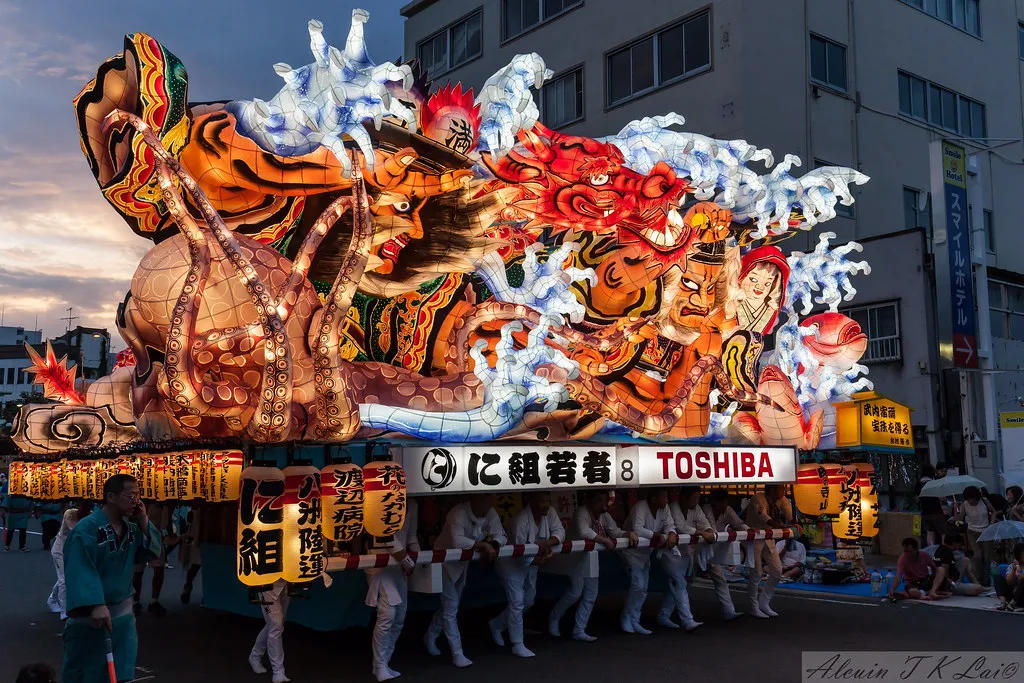
Aomori Prefecture hosts three major lantern festivals within the same two-week window in early August, and serious festival travelers often combine two or all three. Understanding what separates them helps you decide which deserves your overnight stay and which can be a day trip.
| Festival | City | Dates | Float Shape | Float Height | Atmosphere |
|---|---|---|---|---|---|
| Hirosaki Neputa | Hirosaki | Aug 1–7 | Fan (ougi-neputa) | Up to 10 m | Somber, artistic |
| Aomori Nebuta | Aomori City | Aug 2–7 | 3-D human figures | 5–9 m | High-energy, dancing |
| Goshogawara Tachineputa | Goshogawara | Aug 4–8 | Towering upright figures | Up to 23 m | Dramatic, vertical scale |
Goshogawara's Tachineputa (立佞武多) is the least internationally known of the three yet arguably the most visually shocking. The floats stand 23 meters tall — roughly the height of a seven-story building — and must pass beneath specially raised power lines as they move through the city center. They were revived in 1996 after the original tradition lapsed for nearly a century. Goshogawara is 30 minutes by Konan Railway from Hirosaki Station, making a same-week double-header entirely feasible for Aug 4–7.
If you can only pick one overnight stay for the festival experience, Hirosaki is the right base. You can day-trip to Goshogawara and take the 40-minute train to Aomori City for an evening parade. This lets you compare all three float traditions without the premium hotel prices that Aomori City commands during the festival peak.
2026 Festival Schedule and Parade Routes
The Hirosaki Neputa Festival runs nightly from August 1st through August 6th, with evening processions beginning around 19:00. The August 7th finale is a morning parade that starts earlier, typically around 10:00, before the floats are ceremonially retired. You can find specific route maps and any 2026 schedule updates on the Hey Japan festival listing.
The main parade route runs along Dotemachi Street, the central shopping thoroughfare, and extends toward Hirosaki Station. Floats depart from a staging area near the station and process north through the city center before looping back. The full route takes approximately two hours for the lead floats to complete. Each neighborhood group pulls its own ougi-neputa, so the procession continues well past midnight on the busiest nights.
A secondary route runs through the Tsugaruhan zone near the castle park on some evenings. This section is less crowded and offers cleaner sightlines for photography. Arrive by 18:00 to stake out a position along the secondary route before the main crowds settle at Dotemachi. During the afternoon on Aug 7th, a smaller daytime parade allows you to examine the painted details in natural light before the floats are formally decommissioned.
Best Viewing Spots and Seating Strategies
Dotemachi Street is the most popular location for watching the floats, and the intersection near the Bunka Center is the single best spot. This is where handlers use ropes to manually spin the fan lanterns so the crowd can see both painted faces — the warrior on the front and the woman on the back. Arrive at least one hour early to claim curb space at this corner.
Paid reserved seating is available for those who prefer a guaranteed view. These bleacher-style seats are typically positioned in front of city hall and near Hirosaki Station. Tickets go on sale several months in advance through local ticket services. Most locals simply bring a small folding mat or a sheet of cardboard and sit along the sidewalk for free.
Photographers should position themselves near any float-spinning corner for the best angles. The lanterns glow most intensely between 20:00 and 21:00 as full darkness sets in. A standard 50mm lens captures the full float; a wider lens at street level lets you include the crowd and taiko drummers in the same frame. Avoid using flash — it flattens the warm glow of the washi paper and annoys other spectators.
- Bunka Center intersection on Dotemachi: prime spinning-float corner, arrive by 18:30
- Hirosaki Station forecourt: good for watching the procession depart, less crowded
- Castle park perimeter on alternate evenings: quieter, cleaner sightlines
- Daytime Aug 7th morning parade: natural light, visible float artwork detail, easy access
Exploring the Hirosaki Neputa Village Museum
If you miss the August festival — or want to go deeper into the tradition before the parades start — visit the Tsugaru-han Neputa Village. This museum displays massive ougi-neputa floats and kingyo-neputa goldfish lanterns throughout the year. It sits directly adjacent to the north gate of Hirosaki Castle Park. Detailed visitor notes are available at Zooming Japan's Hirosaki Neputa Village review.
The museum features live demonstrations of Tsugaru-jamisen, the regionally distinctive three-stringed lute that accompanies the festival processions. You can also watch craftsmen painting fresh washi paper for future float panels and observe the spinning of traditional Tsugaru Dako kites — one of Japan's three finest kite traditions. The entry fee for adults is approximately ¥600. The museum is open daily from 09:00 to 17:00.
To reach the museum, take the Konan Dote-machi Loop Bus from Hirosaki Station and get off at the Bunka Center-mae stop, a 13-minute ride costing ¥100. From the stop it is an 8-minute walk to the entrance via the castle park perimeter. The Tamenobu Loop Bus also serves the village directly but only operates from April 1 to November 30. If you are visiting from Aomori City, read the Hirosaki From Aomori transport guide first to time your arrival.
The village also includes the Yokien Japanese-style garden, built between 1880 and 1914 using techniques unique to the Tsugaru district. Hands-on workshops let you paint a small kingyo-neputa goldfish lantern to take home. These workshops are popular with families and run on a walk-in basis most days. The goldfish design traces back to the Tsugaru Nishiki goldfish species, revered locally as a harbinger of good luck since the 18th century.
Practical Logistics: Getting There and Getting Around
Reaching Hirosaki from Tokyo requires a Tohoku Shinkansen to Shin-Aomori Station, followed by a transfer to the local JR Ou Line for the final 30 minutes to Hirosaki Station. The total journey takes approximately four hours one way. Book Shinkansen seats at least two weeks before the festival; trains fill rapidly in late July as festival-goers reserve the same travel window. You should also book your room through the 10 Best Things to Do and Places to Stay in Hirosaki guide well in advance — central hotels sell out by late June for the August 1–7 period.
Within Hirosaki, the ¥100 Konan Dote-machi Loop Bus connects Hirosaki Station with the castle park, the Neputa Village museum (Bunka Center-mae stop), and the main Dotemachi parade strip. During festival week the city runs extended evening bus services along the parade corridor. Taxis queue at Hirosaki Station forecourt from 22:00 onward to handle the post-parade surge.
The parade itself is free to watch from the sidewalks. Paid reserved bleacher seats cost roughly ¥1,000–¥2,000 per person depending on position and are sold via local ticketing agents from around May each year. Food stalls (yatai) line the side streets during the festival week with standard matsuri fare: yakitori, takoyaki, kakigori shaved ice, and cold Aomori apple drinks. Budget ¥1,500–¥2,500 per evening for food and drinks at the stalls.
Essential Tips for First-Time Visitors
Packing correctly will make your festival experience much more enjoyable. August in Aomori Prefecture is hot and humid, with daytime highs around 30°C. Lightweight cotton or linen clothing is best; many locals wear traditional yukata or jinbei to stay cool. Avoid heavy synthetic fabrics that trap heat and moisture.
Comfortable walking shoes are essential for navigating the crowded parade routes. You may be standing or walking for several hours each evening. A small portable fan or a traditional folding fan is genuinely useful, not just a tourist prop. Carry a small towel and a refillable water bottle — vending machines along the route do run dry on busy nights.
Families with young children should note that the evening parades start at 19:00 and run late. The daytime activities on August 7th are a better fit for small children, with natural light and a more relaxed crowd. Budget travelers who miss the parade dates can visit the Tsugaru-han Neputa Village for ~¥600 and experience the float art, live shamisen, and craft workshops at a fraction of the festival-week hotel premium. Visiting the various 10 Best Things to Do in Hirosaki gives you a fuller picture of the city beyond the festival alone.
The most common first-timer mistake is underestimating how early to arrive at the Bunka Center corner. By 19:30 — thirty minutes after the official start — curb space at the spinning point is already several spectators deep. Arriving at 18:00 to 18:30 lets you set down a mat, buy food from nearby stalls, and settle in before the lanterns are lit. The wait is part of the experience: you will hear the taiko drums approaching from several blocks away before the first float appears.
- Lightweight cotton clothing or yukata for the heat and humidity
- Comfortable walking shoes for multi-hour sidewalk standing
- Portable fan and small towel — essential, not optional
- Small folding mat or cardboard sheet for free curbside seating
- Camera with good low-light capability — no flash near the floats
- Arrive at Bunka Center corner by 18:00 to 18:30 for a first-row view
Frequently Asked Questions
What is the difference between Neputa and Nebuta?
The main difference is the shape of the floats. Hirosaki's Neputa uses fan-shaped lanterns, while Aomori's Nebuta features 3D human figures. The chants also differ between the cities.
When is the Hirosaki Neputa Festival?
The festival takes place every year from August 1st to August 7th. Evening parades occur for the first six nights. A morning parade concludes the event on the final day.
How do I get to the Hirosaki Neputa Village?
Take the 100-yen Dotemachi Loop Bus from Hirosaki Station. Get off at the Bunka Center-mae stop. It is a short 8-minute walk from there to the museum entrance.
What is the chant for the Hirosaki festival?
Participants in Hirosaki use the rhythmic "Ya-ya-doh" chant. This is different from the "Rassera" chant used in Aomori City. It creates a more steady and atmospheric mood.
The Hirosaki Neputa Festival is a highlight of the Japanese summer calendar. Its unique fan-shaped floats and rhythmic chants offer a deep cultural experience that rewards visitors who understand what they are watching. Whether you attend the parades in August, combine them with Goshogawara and Aomori on the same week-long circuit, or explore the Neputa Village museum year-round, the artistry of the Tsugaru tradition is undeniable.
Plan ahead: book trains and hotels by late June, arrive at the Bunka Center corner by 18:30, and budget an extra morning for the Neputa Village workshops. The Tsugaru region welcomes visitors with genuine pride and hospitality. Enjoy the glowing lanterns and the thunder of the taiko drums in Hirosaki.
Free guide: Japan's Hidden Gems
12 under-the-radar places beyond Tokyo & Kyoto — with the best season to visit each and a local tip you won't find in the guidebooks.
You might also like

Continue reading
More guides you'll find useful