Nakacho Samurai District Hirosaki Travel Guide
Plan nakacho samurai district hirosaki with top picks, neighborhood context, timing tips, and practical booking advice for a smoother trip.
On this page
Exploring the Nakacho Samurai District in Hirosaki offers a rare journey back to Japan's feudal era.
This historic neighborhood served as the residential area for high-ranking warriors who protected the Tsugaru clan.
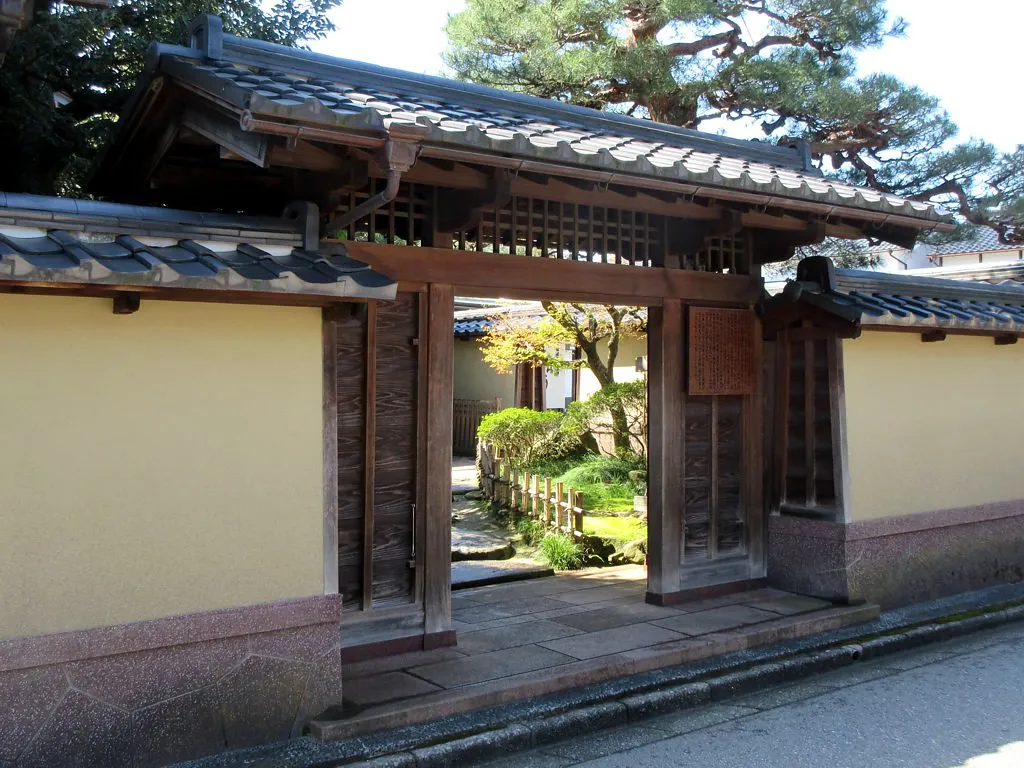
Today, visitors can walk along quiet streets lined with black wooden walls and ancient medicinal trees.
The district provides a peaceful contrast to modern city life while showcasing authentic Edo-period architecture.
Useful resources: Japan Guide's Hirosaki page and Wikipedia's Hirosaki overview have up-to-date access and background details.
Hirosaki Samurai District
The Nakacho samurai district was established in the early 1600s when Hirosaki Castle was first built to house the Tsugaru clan's ruling elite.
High-ranking warriors were allocated residences north of the castle moats, forming a defensive buffer that separated the lord's inner citadel from the merchant quarters below.
Four preserved samurai residences are open to the public today, each with distinct architecture and its own story.
Exploring this area helps you understand the rigid social hierarchy that governed Tohoku for over two centuries.
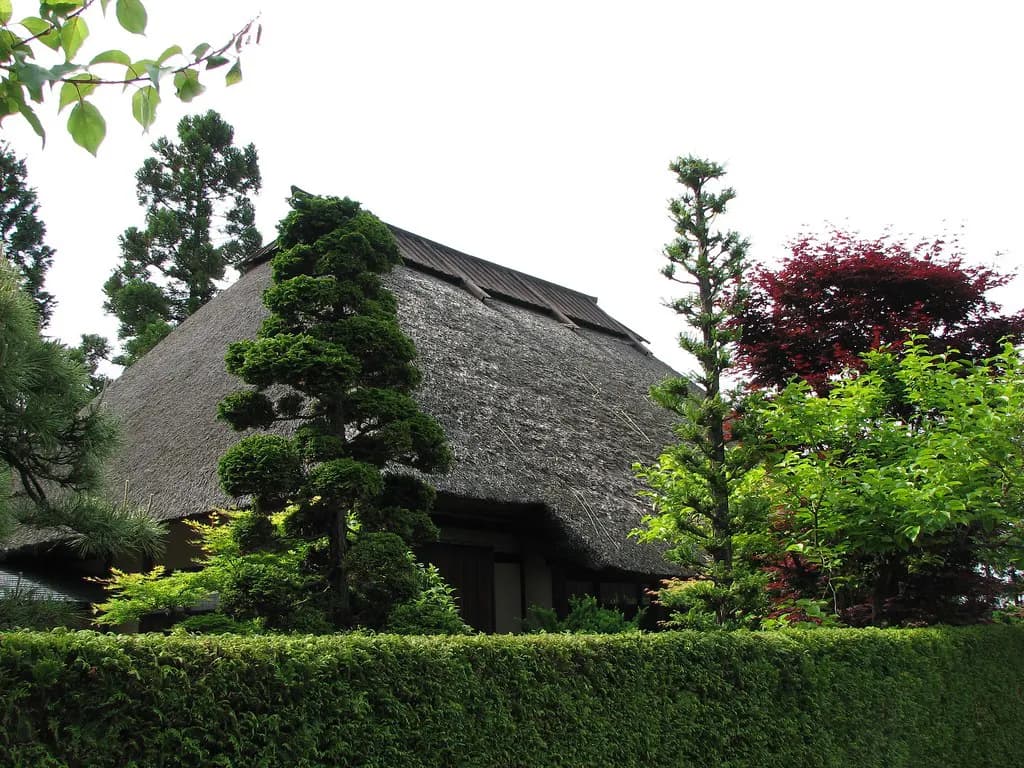
The most visited is the former Sasamori residence, home to a middle-class samurai family whose armor is still displayed in the guest room.
Until around 25 years ago the building was still occupied; the family then donated it to the city, which restored it and opened it to visitors.
Distinctive sawara cypress hedges define the boundary of each property — these natural fences provided both privacy and a defensive sightline along the lane.
You can find many of the 10 Best Things to Do in Hirosaki clustered within a short walk of these residences.
Hirosaki Castle
No visit to Nakacho is complete without exploring the neighboring Hirosaki Castle and its park grounds.
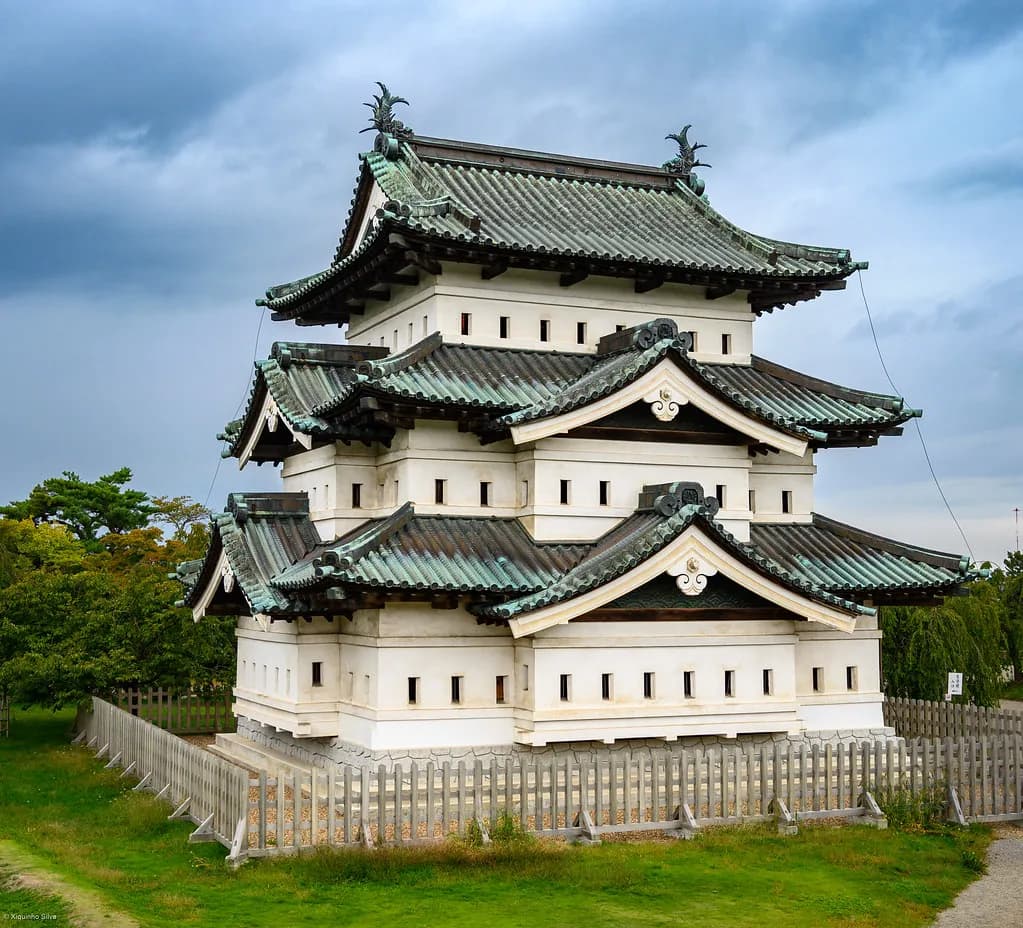
This fortress is one of only twelve original castle towers remaining in Japan — the current three-storey keep was rebuilt in 1810 after lightning destroyed the first tower in 1627.
The gates, turrets, walls, and main tower are all designated National Important Cultural Properties, making the entire inner citadel a single architectural monument.
In 2015 the entire 400-ton castle tower was moved to a temporary position so workers could repair the deteriorating stone wall base beneath it.
In 2026 that repair project is in its final phase, and the tower has been moved back toward its original position — giving 2026 visitors an unusual chance to see traditional stone-wall construction techniques in action alongside the historic keep.
The castle grounds double as a public park, most famous in late April to early May when over 50 varieties of cherry blossom bloom along the moats.
Learn About Hirosaki's Famous Lantern Festival at Neputa Mura
Just a short walk from the samurai houses lies the Tsugaru-han Neputa Village cultural center, which is open year-round regardless of festival season.
Inside you'll find enormous fan-shaped lantern floats used in the annual Hirosaki Neputa festival — seeing them up close in a lit hall gives a sense of their scale that photographs rarely capture.
The museum also hosts live performances of the Tsugaru shamisen, a regional variant of the three-stringed instrument played with a powerful striking technique that produces a faster, more percussive rhythm than the mainland style.
Local artisans work in a separate building producing lacquerware, kokeshi dolls, and pottery — you can watch and purchase directly.
The attached shop sells Aomori specialties, particularly apple-based sweets: the prefecture produces roughly 20% of Japan's total apple harvest, and the confectionery reflects that bounty.
If you only have time for one cultural stop beyond the samurai district itself, Neputa Mura is the right choice — it covers the festival, the craft traditions, and the music in a single visit.
Walk Down Hirosaki's Japanese Temple District
Southwest of the castle lies Zenringai (禅林街), a road flanked by 33 Zen Buddhist temples of the Soto school, all relocated here in 1610 to spiritually protect the castle from bad spirits.
Choshoji (長勝寺) anchors the road — it served as the family temple of the Tsugaru clan and is the most architecturally impressive, marked by a 16-metre Sanmon gate that is an early-Edo Zen masterpiece.
Tall trees line the entire street, creating a shaded tunnel effect that makes even a mid-summer walk comfortable.
Note that Choshoji's inner hall is reserved for its community members, as a resident monk explained to one visitor: temples in smaller cities like Hirosaki serve active congregations rather than tourist circuits.
Visitors are welcome to walk a designated route to the inner sanctuary, and a smaller adjacent building houses a Buddha surrounded by roughly 100 arhat statues.
Budget 30–45 minutes for the full temple road walk; it pairs naturally with a morning at the samurai district since both lie within a 10-minute walk of the castle's northern gate. Check the when to visit Hirosaki guide to catch the street at its most atmospheric, particularly in autumn.
Aomori's Nebuta Festival and Hirosaki's Neputa
Many travelers confuse the Hirosaki Neputa festival with the larger Nebuta festival in Aomori City — they share a name root but differ significantly in character.
Hirosaki's Neputa Matsuri runs 1–7 August each year and features about 80 fan-shaped lantern floats depicting Japanese folklore and traditional theatre motifs; the atmosphere is quieter and more ceremonial.
The Aomori Nebuta Matsuri, held at the same time, is known for massive 3D floats of gods and mythical figures, loud taiko drumming, and high-energy "haneto" dancers who anyone can join by wearing a costume.
Both events take place in early August and represent the cultural peak of summer in Aomori Prefecture.
If your dates overlap both festivals, use Hirosaki as a base on 1–3 August for the quieter processions, then travel the 40 minutes to Aomori City for the final nights of Nebuta.
Hotel rooms across the prefecture fill months in advance for this period — book at least two months out.
Hirosaki Cuisine and Local Specialties
A visit to Hirosaki without tasting its apple products is genuinely incomplete — the city produces roughly 170,000 tons of apples annually, about 20% of Japan's national harvest, and the food culture reflects this obsession.
Apple pie is the signature local sweet, and the city publishes an Apple Pie Guide that maps each bakery's relative sweetness, tartness, and cinnamon level so visitors can find a pie to their exact taste.
Beyond apples, look for soba (buckwheat noodles) and fresh Aomori scallops, which appear across local restaurants and festival stalls in summer.
For a cultural food-plus-music experience, seek out Anzu, a restaurant known for live Tsugaru shamisen performances during dinner service — the kind of pairing that is rare even in larger Japanese cities.
Apple juice, apple gelato, and whole fruit are sold at the Tsugaru-han Neputa Village shop and at the Brick A-Factory souvenir mall near the station, both convenient stops on a standard Hirosaki itinerary.
How to Get to Hirosaki and Getting Around
From Tokyo, take the Tohoku Shinkansen to Shin-Aomori Station, then transfer to a local JR train to reach Hirosaki Station in about 30 minutes — total journey time from Tokyo is roughly four hours.
Hirosaki is also served by Aomori Airport, roughly 45 minutes by bus or taxi from the city center.
From Aomori City the ride to Hirosaki by local train is approximately one hour.
Within the city, the Dotemachi Loop Bus connects Hirosaki Station to the castle area in about 15 minutes and covers Neputa Village and the main sightseeing zone.
The samurai district, castle, and temple road are all within easy walking distance of each other once you alight near the park.
Official transit maps and timetables are available via Hirosaki City's tourism PDF; download it before you travel since connectivity in the northern parts of the district can be patchy. See also the 8 Must-See Hirosaki Western Meiji Architecture Sites for additional stops you can add to the same walking route.
Finding a Guided Tour in Hirosaki
English-language guided tours are less common in Hirosaki than in bigger Japanese cities, but the Hirosaki City Volunteer Guide Association offers free or low-cost services for international visitors.
These guides are knowledgeable local residents who can unlock details about the residences — like which room held a family's armor, or why a particular hedge was planted at an unusual angle — that no signboard will tell you.
Book at least one week in advance during festival season (late April to early May for cherry blossoms, and August for Neputa).
For self-guided visits, digital walking maps cover the main route through the samurai district and castle grounds; the printed city tourism PDF above includes a detailed street map of Nakacho.
Most of the preserved residences have multilingual information boards, and several staff members at Neputa Mura speak basic English.
Frequently Asked Questions
Is Hirosaki, Japan worth visiting?
Yes, Hirosaki is absolutely worth visiting for its rich history and original castle. The city offers a unique blend of samurai heritage and beautiful cherry blossoms. You can find many 10 Best Things to Do in Hirosaki that showcase the deep culture of Northern Japan.
What is Hirosaki famous for?
Hirosaki is most famous for its original Edo-period castle and its massive cherry blossom festival. It is also known as Japan's top apple-producing region. Travelers often visit to see the preserved Nakacho samurai district and the vibrant Neputa lantern festivals held every summer.
Is Nagamachi Samurai District worth visiting?
While Nagamachi is in Kanazawa, the Nakacho district in Hirosaki offers a more peaceful and authentic experience. Both areas provide excellent insight into samurai life and architecture. If you are in Northern Japan, Nakacho is the best place to see well-preserved warrior residences.
What is the famous samurai town in Japan?
Japan has several famous samurai towns, including Hirosaki, Kanazawa, and Kakunodate. Hirosaki stands out because its samurai district is located right next to an original castle. This proximity allows visitors to easily see how the warrior class lived near their ruling lords.
The Nakacho Samurai District in Hirosaki remains one of the most significant historical sites in Northern Japan.
Walking these quiet streets provides a deep connection to the traditions and values of the samurai era.
Whether you are an architecture fan or a history buff, this neighborhood offers something truly special.
Plan your visit today to experience the timeless beauty of this preserved warrior district.
Free guide: Japan's Hidden Gems
12 under-the-radar places beyond Tokyo & Kyoto — with the best season to visit each and a local tip you won't find in the guidebooks.
You might also like


Continue reading
More guides you'll find useful