Aomori Nebuta Matsuri Travel Guide
Plan aomori nebuta matsuri with top picks, neighborhood context, timing tips, and practical booking advice for a smoother trip.
On this page
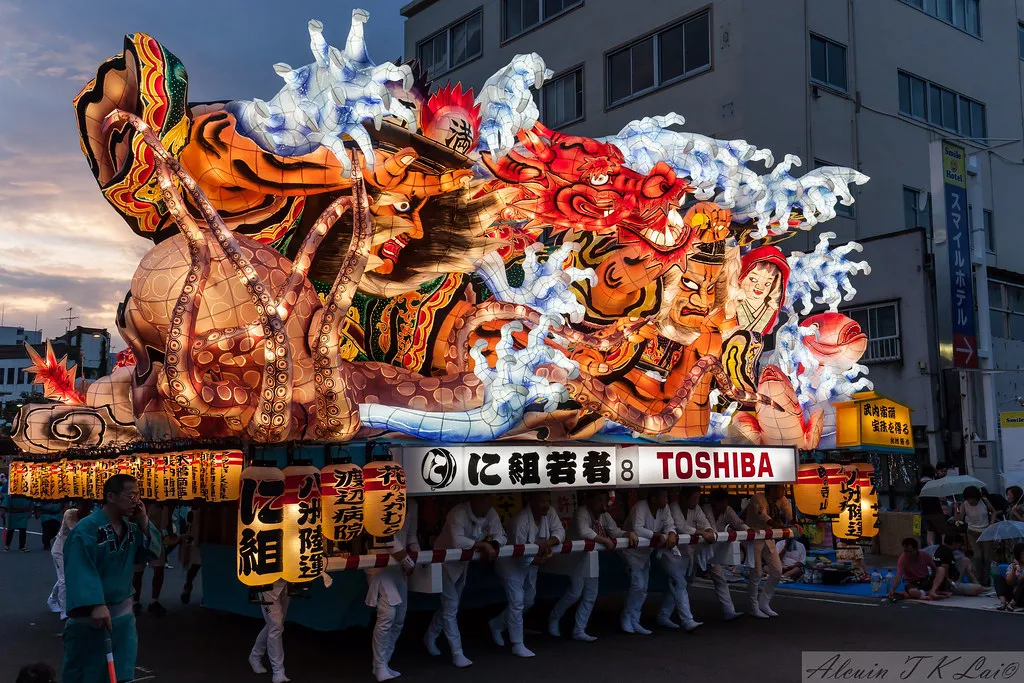
The Aomori Nebuta Matsuri stands as one of the most vibrant cultural displays in northern Japan. Every August, the city transforms into a glowing stage for massive, hand-painted lanterns made of washi paper. These floats depict legendary warriors and mythical creatures that light up the night sky while hundreds of costumed dancers chant and jump around them.
Planning a trip for the 2026 festival requires early preparation to secure the best viewing spots and lodging. The combination of thundering taiko drums, flute music, and the crowd's infectious chant of "Rassera, Rassera!" creates an atmosphere unlike any other event in Japan. This guide covers everything you need to know for a successful visit to this iconic event.
Useful resources: Japan Guide's Aomori page and Wikipedia's Aomori overview have up-to-date access and background details.
What Is the Nebuta Matsuri Festival
The Aomori Nebuta Matsuri is a Japanese summer festival that has taken place in Aomori City for centuries. It was designated an Important Intangible Folk Cultural Property in 1980, and it consistently draws the largest crowds of any nebuta festival in the country. It is also counted among the three largest festivals in the entire Tohoku region, alongside Akita's Kanto Matsuri and Sendai's Tanabata.
The festival most likely evolved out of traditional Shinto purification ceremonies linked to Tanabata. The most widely known origin legend connects it to the 8th-century general Sakanoue no Tamuramaro, who reportedly used flutes and taiko drums to lure enemies during a battle in Mutsu Province. Whether or not that tale is historical fact, it explains why so many floats today depict warrior figures — specifically the clash between Tamuramaro's imperial forces and the Emishi general Aterui.
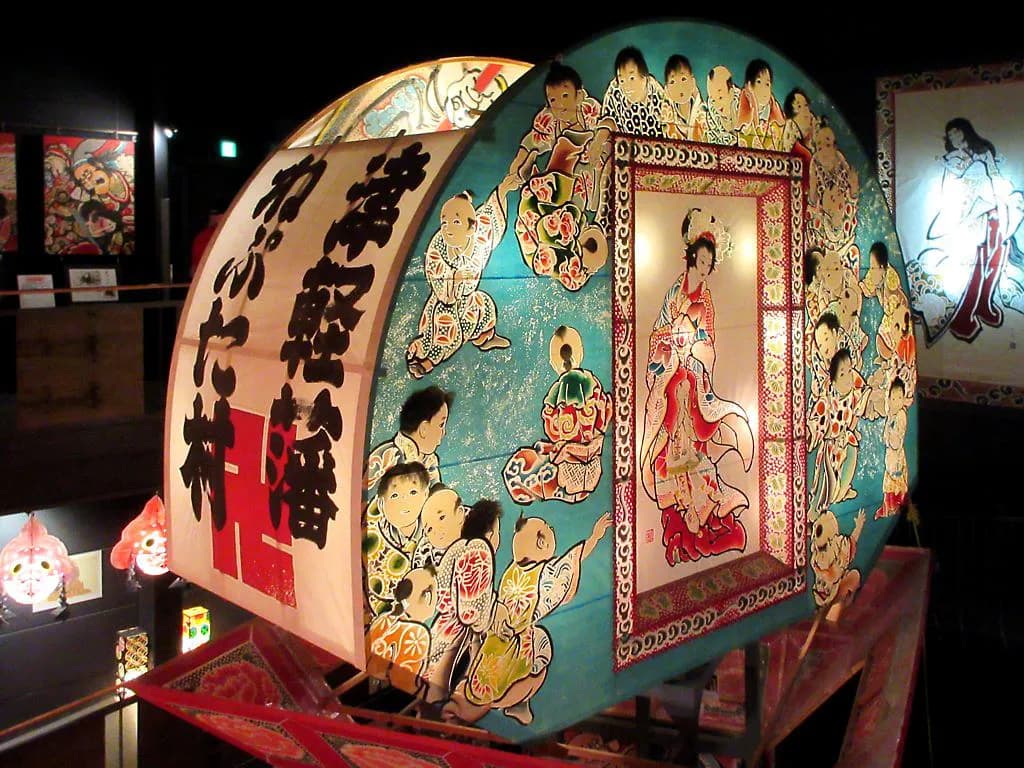
The giant illuminated floats themselves are called nebuta. They can reach five meters in height and take nearly a full year to design and build by hand. Craftsmen stretch washi paper over a wire frame, then paint vivid figures on both sides so the lantern glows evenly from within. The light source was originally candlelit; today floats are powered by rechargeable battery packs, which eliminated much of the historic fire risk that led to repeated government bans during the Edo and Meiji periods.
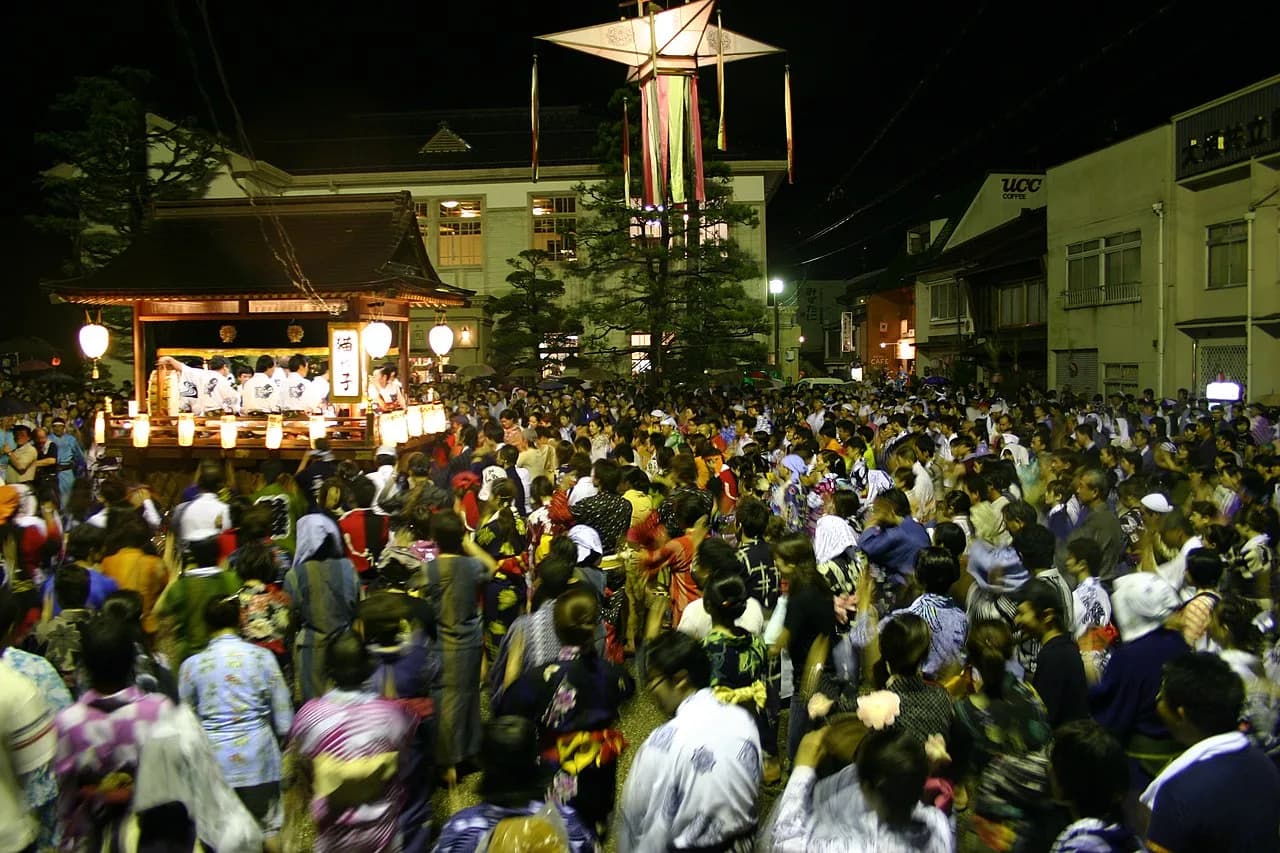
Dancers called Haneto jump and chant around each float as it moves through the streets. The word haneru means "to bounce" in Japanese, which accurately describes the leaping, repetitive movement that makes the dancers so striking to watch. Anyone properly dressed in the official Haneto costume is welcome to join the procession — more on that below.
When Is the Aomori Nebuta Matsuri in 2026
In 2026, as in every year, the Aomori Nebuta Matsuri runs from August 2 through August 7. Evening parades take place on August 2, 3, 4, 5, and 6, starting at sunset and lasting roughly 3–4 hours each night. August 7 is the daytime finale, when the winning floats are placed on boats and paraded around Aomori Bay while a large fireworks display lights up the water.
The six-day window is useful for travelers who are combining the Nebuta with other Tohoku festivals that occur during the same week. The Akita Kanto Matsuri runs August 3–6, and the Sendai Tanabata Matsuri runs August 6–8. With some route planning you can catch two or even three of these events in a single trip. Trains between Aomori and Sendai take around two hours on the Tohoku Shinkansen, making multi-city scheduling genuinely feasible.
Having six parade nights also gives you flexibility on accommodation. Hotels in Aomori City sell out fast — most open reservations six months in advance and are fully booked within days. If you cannot secure a room in Aomori itself, look at Hirosaki (about 45 minutes west by train) as a base. Local train services run extra late-night services during the festival week so guests staying outside the city can still attend the full parade without rushing.
The Parade Route and Best Viewing Spots
The parade follows a counter-clockwise loop through central Aomori, bounded by National Route 4, Shinmachi Street, Kencho Street, and Aomori Heiwa Park. The change to a counter-clockwise, simultaneous-start format was introduced in 2001 to prevent the procession from bunching up on the narrow Shinmachi stretch. Under the current system, all floats begin moving at the same moment triggered by a fireworks signal, which means there is no single "front of the parade" to chase.
The stretch of Hakko-dori just south of the ASPAM Pyramid building is widely considered the best base for first-timers. Looking back toward the ASPAM building, the left side of the street offers slightly less obstructed sightlines. Arrive at least two hours before sunset to claim a curb spot. Paid reserved bleacher seats are available for a portion of the route — check the official festival website in the spring, as these seats sell out almost as fast as hotels.
Walking along the parade route as the procession moves is encouraged and adds to the excitement. The full loop is several kilometers, and the floats turn eastward after the initial southward stretch, so following them on foot lets you experience the energy from multiple angles. Wear comfortable shoes and bring a small flashlight for navigating the darker side streets after the floats pass.
How to Join as a Haneto Dancer
One of the most distinctive features of the Nebuta Matsuri is that it is a participatory event. Any visitor who wears the full official Haneto costume can join the dancers and walk alongside the floats. The costume consists of a short yukata-style top, a striped or patterned sash, a flower headpiece, and wooden geta sandals. Rental sets are available from shops near Aomori Station for around ¥4,000 for the evening.
If you plan to dance, book the costume rental well in advance. Many shops take online reservations, and availability during the August 2–6 parade nights is limited. You will also want to wear the costume from the beginning of the evening — arriving mid-parade in street clothes and expecting to be handed a costume on the spot is not realistic during peak hours.
The dance itself is accessible even for complete beginners. The Haneto movement is essentially a repetitive jump-step synchronized to the chant "Rassera, Rassera!" Watching a few instructional videos before you arrive will help you blend in quickly. Local children dance alongside veteran performers, so there is no pressure to be technically perfect — enthusiasm matters far more than precision.
The Float Competition and What the Prizes Mean
What many first-time visitors do not realize is that the Nebuta Matsuri is a formal competition. Each float is entered by a sponsor group — typically a major corporation, a city ward, or a civic organization — and judged by a panel throughout the festival week. The top award is the Nebuta Taisho (Grand Prize), which was established in 1962 under the name the Tamuramaro Prize. Winning the Taisho is the pinnacle achievement for any float builder, and it determines which float leads the bay parade on the final night.
Watching the crowd during the parade, you will notice that certain floats draw louder cheers and camera flashes than others. These are usually the contenders for the top prizes. The floats that impress judges tend to feature exceptionally dynamic poses — warriors mid-strike, dragons mid-coil — rather than static symmetrical figures. The quality of the washi-paper painting and how evenly the float glows from within are both scoring criteria that become obvious once you know to look for them.
If you visit the Nebuta WA RASSE museum before attending the parade, you can study past prize-winning floats up close at ground level. This context transforms the parade from a beautiful spectacle into something more like a moving gallery opening, where you can form your own opinion on who deserves the Taisho before the judges announce theirs.
Tips for Enjoying the Aomori Festival
Book accommodation as early as possible — ideally the moment reservations open, which is typically around six months before the festival. Hotels inside Aomori City fill up within days. If you are flexible on which parade night you attend, you have more accommodation options, since cancellations do occasionally surface in the final week before the event.
Eat a full meal before the parade begins. Food stalls line the festival streets, but the lines are long once the floats start moving and you will not want to leave your spot. Aim to finish dinner by 17:00 at the latest. The Aomori Gyosai Center market near the waterfront serves kaisendon and fresh hotate (scallop) dishes at reasonable prices and is a good pre-parade dining spot.
Carry cash. Most small food vendors and costume rental shops do not accept credit cards. The ATMs at Aomori Station and the nearby convenience stores are the most reliable options during the festival week. Cell phone networks become congested during peak parade hours, so download an offline map before you arrive and pick up a physical festival guide from the tourist information counter inside the station.
To make the most of your time in the city, consult an How Many Days In Aomori: 10 Planning Essentials guide before you go. Arriving one day before the parade starts gives you time to visit the WA RASSE museum, explore the waterfront, and stake out your viewing spot without the first-night rush. Check the Best Time To Visit Aomori: 10-Point Seasonal & Travel Guide for weather patterns across the August festival window.
- Arrive at your chosen curb spot at least two hours before sunset on parade nights.
- Bring a small folding stool or plastic mat — you will be standing or sitting on pavement for 3–4 hours.
- Wear light, breathable clothing. August humidity in Aomori is high, and the crowds add considerable body heat.
- Stay hydrated. Bottled water from convenience stores is cheaper than festival-stall drinks.
- The karasu-zoku disruptions that once troubled the parade's tail-end were largely eliminated after the simultaneous-start format was introduced in 2001. The event today is safe and welcoming for families and solo international travelers.
How to Get to the Nebuta Matsuri
Read the full options in our How To Get To Aomori: 10 Essential Routes and Travel Tips guide, but here is the practical summary. From Tokyo, the fastest route is the Tohoku Shinkansen to Shin-Aomori Station, which takes around three hours on the Hayabusa service. From Shin-Aomori you ride the Ou Line one stop to JR Aomori Station — a five-minute journey. The festival parade begins just a short walk north of the station, so you do not need any additional transport once you arrive.
Book Shinkansen tickets several weeks in advance for early August travel. The trains fill up quickly because Aomori is the terminus and many passengers are also heading to the Akita and Sendai festivals during the same week. If you have a Japan Rail Pass, the Shinkansen leg is fully covered; the Ou Line local train is also included.
The city bus network runs extended services during the festival but becomes very crowded after the parade ends. Walking is faster than waiting for buses in the post-parade crush. Most hotels, the WA RASSE museum, the A-Factory market, and the ASPAM Pyramid are all within a fifteen-minute walk of the station, so a car is genuinely unnecessary for the festival itself.
Exploring Aomori Beyond the Parade
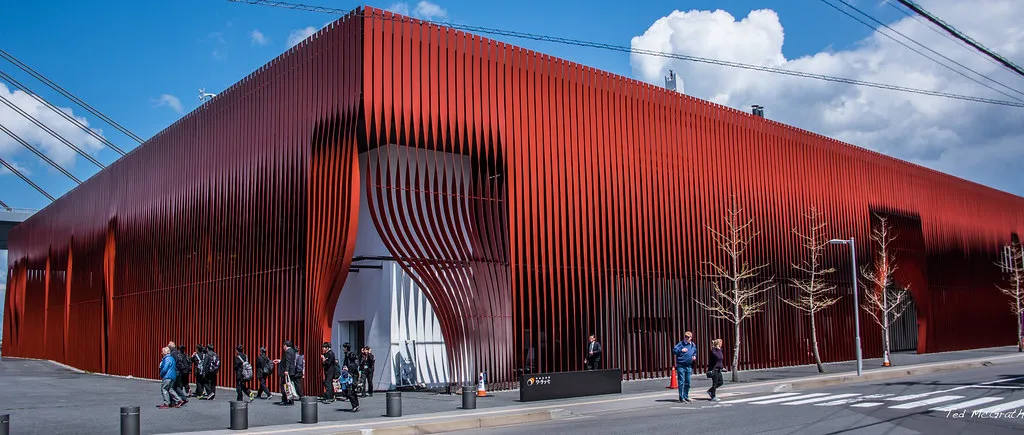
Arriving a day early lets you explore the city before the festival crowds descend. The Things To Do In Aomori pillar lists the full range of options, but these are the most worthwhile stops in the August window. Start at the Nebuta WA RASSE museum right by the station — its towering display of past prize-winning floats will reframe everything you see during the actual parade that evening.
The waterfront area just behind the ASPAM Pyramid building offers good views of Aomori Bay and a pleasant walk between the the A-Factory market hall and the ASPAM observation deck. The A-Factory is particularly worthwhile for sampling locally produced Aomori apple cider and picking up regional food gifts. The observation deck at ASPAM charges a small entrance fee and gives a panoramic view across the bay — useful for photographing the city before the festival crowds fill the streets.
For a quieter half-day, head toward the Complete Guide to the Hakkoda Mountains. The ropeway to the summit runs through August and the trails are lined with alpine greenery in early August. The mountain sits about an hour from the city centre by bus and provides a cool retreat before the evening's heat and crowd energy. The Aomori Furukawa Fish Market Nokkedon: 6 Things to Know is a good breakfast stop — buy a ticket sheet and exchange coupons for fresh toppings on a rice bowl direct from market vendors.
The Bottom Line
The Aomori Nebuta Matsuri is genuinely difficult to attend — hotels sell out months ahead, August humidity is unrelenting, and the parade crowds are immense. It is also, by most accounts of those who make the effort, one of the most impressive visual experiences in Japan. The scale of the illuminated floats, the physical energy of the Haneto dancers, and the collective noise of tens of thousands of people chanting in unison is something that photographs do not fully capture.
The festival suits travelers who are comfortable with crowds, are willing to book accommodation and transport well in advance, and can build in enough flexibility to stay at least two nights in or near Aomori City. Solo travelers and couples will find it easier to manage than large groups. Families with young children can attend comfortably if they choose a spot with easy exit access and plan the evening around an early dinner.
If the logistics feel daunting, remember that the six-day window gives you genuine options. Not every parade night is equally packed — the final night (August 7) is the most crowded because of the bay finale, while the opening night on August 2 is typically the most manageable. Make sure to book your 9 Best Areas and Tips for Where to Stay in Aomori (2026) the moment reservations open. Aomori awaits those who plan early and are ready to join the dance.
Frequently Asked Questions
Why is Aomori Nebuta Matsuri celebrated?
The festival is celebrated to drive away sleepiness and spirits that might interfere with the autumn harvest. It has evolved into a massive display of local artistry and community pride. You can learn more about these traditions in our How Many Days In Aomori: 10 Planning Essentials guide.
What is the Aomori Nebuta Festival chant?
The dancers and crowd repeatedly shout "Rassera, Rassera!" during the parade to build energy. This rhythmic chant coordinates the movements of the Haneto dancers and the float pullers. It creates a powerful and infectious sound that echoes throughout the city streets.
Is the Nebuta Festival worth visiting?
Yes, it is widely considered one of the most impressive and accessible festivals in all of Japan. The combination of giant art pieces and high-energy dancing offers a unique cultural experience. It is a highlight for anyone traveling through the Tohoku region in summer.
Where is Aomori Nebuta Matsuri?
The festival takes place in the downtown streets of Aomori City, located in the northernmost prefecture of Honshu. Most of the action occurs within walking distance of the Aomori JR Station. The parade route follows a large loop through the main commercial districts.
Free guide: Japan's Hidden Gems
12 under-the-radar places beyond Tokyo & Kyoto — with the best season to visit each and a local tip you won't find in the guidebooks.
You might also like

Continue reading
More guides you'll find useful