How Many Days In Aomori: 10 Planning Essentials
Discover how many days in Aomori you need with our 1 to 4-day itineraries. Includes Nokke-don tips, Hirosaki Castle guides, and Oirase Gorge logistics.
On this page
Determining how many days in Aomori you need depends on your interest in rugged nature and seafood. We recommend four days to see the city center, historic Hirosaki, and the stunning the Oirase Gorge trail. This guide is designed for first-timer visitors looking to explore the northern tip of Honshu. Last updated June 2026 with current transit costs and ticketing rules.
Aomori serves as a gateway to the Tohoku region and offers unique cultural festivals. Travelers often struggle with the distance between attractions, making a structured plan essential. We suggest using Aomori City as your primary base for the best transport links. Our itinerary balances urban culture with the wild landscapes of the the Hakkoda mountains.
Useful resources: Japan Guide's Aomori page and Wikipedia's Aomori overview have up-to-date access and background details.
At a Glance: 4 Days in Aomori
The following summary provides a quick look at our recommended four-day route through the prefecture. Each day focuses on a specific neighborhood to minimize travel time and maximize your exploration. We have included specific vibes to help you decide which days to prioritize.

- Day 1: Aomori City - Seafood & Culture
- Morning: Nokke-don breakfast at Furukawa Market
- Afternoon: Nebuta Museum WA RASSE and A-Factory
- Evening: Waterfront dinner near the Bay Bridge
- Day 2: Hirosaki - Castle & Gardens
- Morning: the Hirosaki Castle keep and park exploration
- Afternoon: the Fujita Memorial Garden and samurai district
- Evening: Local cider tasting in downtown Hirosaki
- Day 3: Towada - Nature & Hiking
- Morning: Bus to Oirase Gorge stream walk
- Afternoon: scenic Lake Towada boat cruise and shrine
- Evening: Return to Aomori or stay lakeside
- Day 4: Hakkoda - Mountains & Markets
- Morning: Hakkoda Ropeway for mountain views
- Afternoon: Sukayu Onsen or Hachinohe market
- Evening: Shinkansen departure from Shin-Aomori
How Many Days in Aomori? (The Short Answer)
For most travelers, three days is the minimum to see the main highlights without rushing. Four days allows you to include Hachinohe or the Hakkoda Mountains for a complete experience. We believe this duration justifies the long journey from Tokyo via the Shinkansen. Most visitors find the 11am queue at the fish market forms by 9:30am.
Local transport can be expensive, so we recommend budgeting for bus passes or car rentals. Buses to Oirase Gorge cost approximately ¥2,300 for a one-way trip from the station. A rental car offers more flexibility but requires navigating winding mountain roads. Verify all seasonal schedules on the official sites before you depart.
- Day 1: Aomori City Culture
- Morning: 8:00 AM – 10:30 AM, Furukawa Market
- Afternoon: 1:00 PM – 4:00 PM, WA RASSE
- Evening: 6:00 PM – 8:00 PM, Bay area
- Time: 12 hours total
- Logistics: Walkable city center route
- Optional: Sannai-Maruyama prehistoric site
- Day 2: Hirosaki Heritage
- Morning: 9:00 AM – 12:00 PM, Hirosaki Castle
- Afternoon: 1:30 PM – 4:30 PM, Fujita Garden
- Evening: 5:30 PM – 7:30 PM, Zenringai district
- Time: 10 hours total
- Logistics: 40-minute train from Aomori
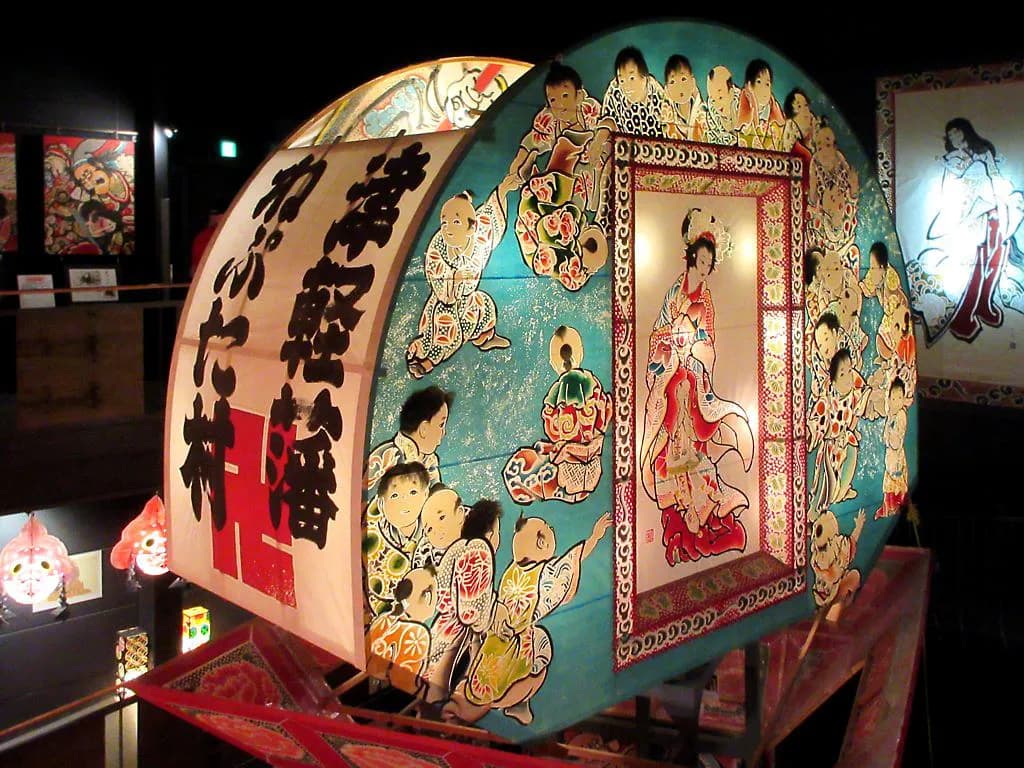
- Optional: Tsugaru-han Neputa Village
- Day 3: Oirase Gorge Nature
- Morning: 8:30 AM – 12:30 PM, Gorge walk
- Afternoon: 1:00 PM – 3:30 PM, Lake Towada
- Evening: 4:00 PM – 6:30 PM, Return bus
- Time: 11 hours total
- Logistics: JR Bus from Aomori Station
- Optional: Rental bicycle for the gorge
- Day 4: Hakkoda and Hachinohe
- Morning: 9:30 AM – 12:00 PM, Hakkoda Ropeway
- Afternoon: 1:30 PM – 4:00 PM, Hachinohe market
- Evening: 5:00 PM – 7:00 PM, Shinkansen departure
- Time: 10 hours total
- Logistics: Mix of bus and train
- Optional: Sukayu Onsen soak
Day 1: Aomori City Culture and Nokke-don
Start your morning at the Aomori Gyosai Center for a unique seafood breakfast experience. You can purchase a 12-ticket pack for ¥2,000 to build your own bowl. We recommend the Nokke-don strategy of buying tickets first. The market opens at 7:00 AM and usually closes by 4:00 PM.
Before you leave Aomori Station, look for the vending machines on the platform and in the concourse that sell only locally-pressed Aomori apple juice. Every station in the prefecture stocks them. A single bottle costs around ¥150 and the juice tastes markedly fresher than the bottled versions sold in Tokyo convenience stores. It is a small ritual that sets the tone for a trip built around local produce.
Walk over to the Nebuta Museum WA RASSE to see massive festival floats. Admission is ¥620 and the museum is open daily from 9:00 AM. One trade-off is the crowd size during the August festival season. Most visitors find the 11am queue at the museum starts early.
Spend your afternoon at the Sannai-Maruyama Historical Site for a look at ancient Japan. This Jomon-period settlement is free to enter for the outdoor grounds. Take the 'Nebutan-go' loop bus from Aomori Station for easy access. The site offers a fascinating contrast to the modern waterfront area.
Day 2: The Best of Hirosaki City
Travel 40 minutes by local train to Hirosaki, the region's cultural capital. The Hirosaki Castle park is famous for its 2,600 cherry blossom trees. Admission to the inner castle grounds costs ¥320 for adults. The park is open 24 hours but the castle closes at 5:00 PM.
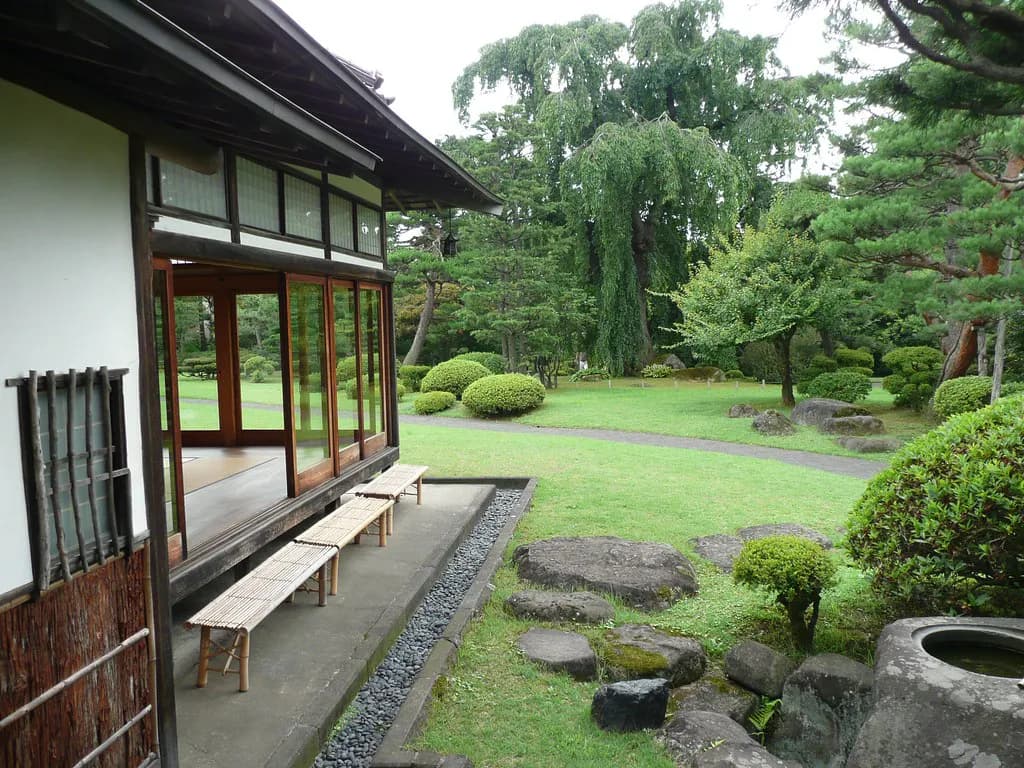
Visit the Tsugaru-han Neputa Village to see local craft demonstrations. We recommend trying the apple-themed snacks at the nearby Fujita Memorial Garden. The garden was created in 1991 and features a beautiful Western-style tea house. Entry to the garden is ¥320 and it opens at 9:00 AM.
Explore the samurai district known as Zenringai for a quiet afternoon walk. This area features 33 Zen temples lined up along a single street. We suggest visiting the Aomori Apple Picking Guide for seasonal farm tips. Local buses connect the station to the castle every 15 minutes.
Day 3: Oirase Gorge and Lake Towada Nature
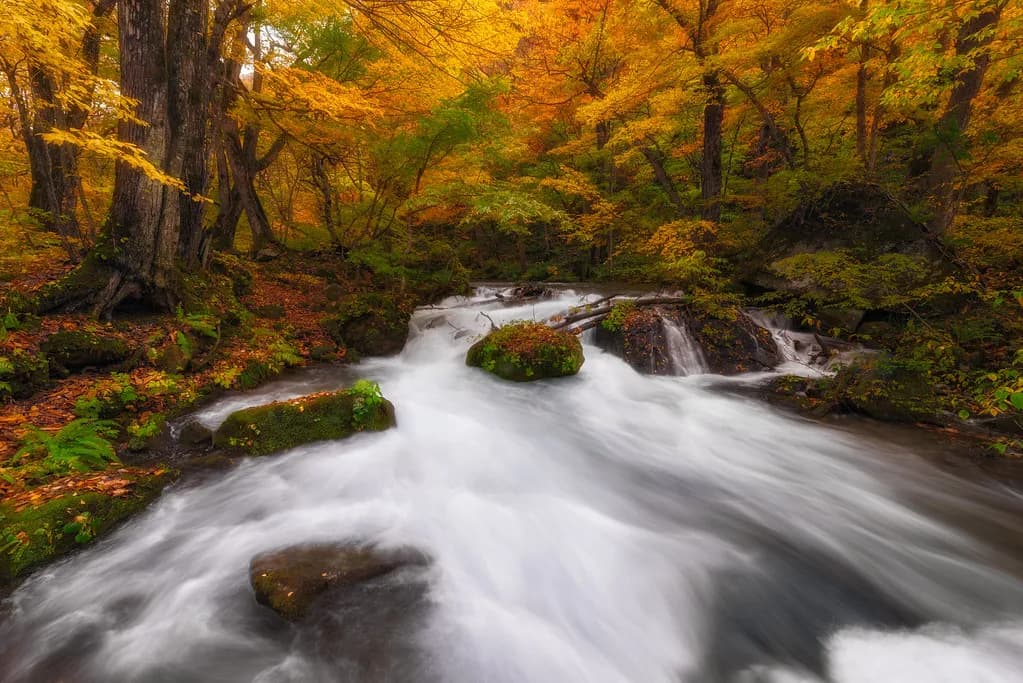
The Oirase Gorge is a 14-kilometer stream through a lush forest. We recommend taking the JR Bus from Aomori Station at 8:00 AM. A one-day bus pass is often the most cost-effective transit option. The hike is mostly flat and takes about four hours to complete.
Arrive at Lake Towada for a scenic boat cruise across the caldera. Cruises cost around ¥1,500 and offer views of the Statue of Maidens. The Towada Art Center opens at 9:00 AM for those staying nearby. It features permanent works by Yayoi Kusama and Ron Mueck.
One trade-off is the long bus ride back to Aomori City center. Travelers should check the last bus departure time to avoid being stranded. We suggest renting a bicycle at Nenokuchi to save time on the trail. Rental bikes cost approximately ¥1,000 for a four-hour window.
Day 4: Hakkoda Ropeway and Hachinohe Seafood
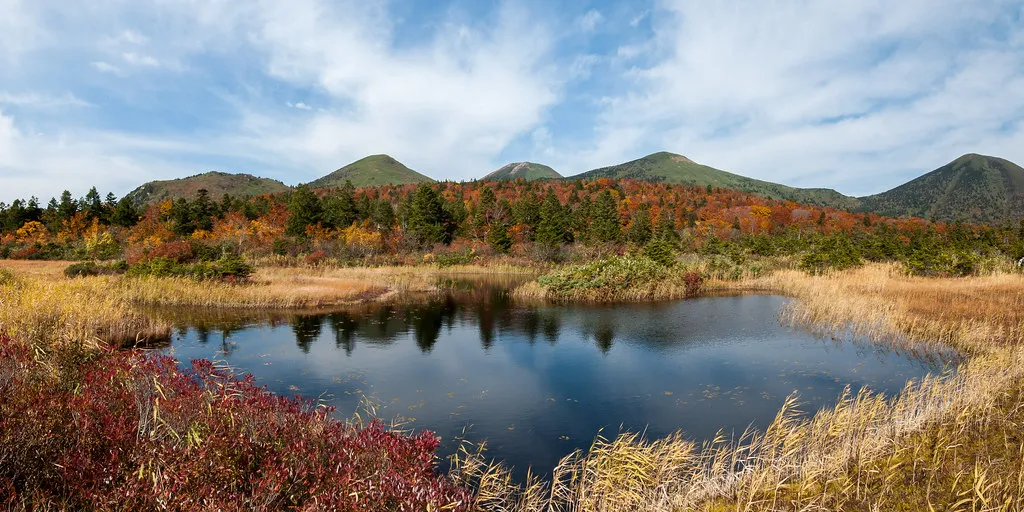
Head to the Hakkoda Mountains for panoramic views of the prefecture. The ropeway costs ¥2,000 for a round trip and takes 10 minutes. In winter, you can see the famous 'snow monsters' at the summit. The ropeway operates from 9:00 AM to 3:30 PM daily. Japan has just one other equally famous rime-ice spot — Mount Zao in Yamagata — where the "snow monsters" grow even larger.
Consider a visit to Sukayu Onsen, a historic 300-year-old mountain hot spring. It is famous for its large mixed-gender cypress bath called Sennin-furo. Day use entry is ¥1,000 and towels are available for rent. The bus from the ropeway to the onsen takes 15 minutes.
Finish your trip in Hachinohe to visit the Mutsuminato Morning Market. This market offers superior freshness but requires a one-hour train journey from Aomori City. We recommend it for those departing via the Hachinohe Shinkansen station, since the commute doubles as your exit route. Most stalls close by noon, so plan for an early arrival.
Getting to Aomori from Tokyo
The fastest route from Tokyo is the Hayabusa Shinkansen from Tokyo Station to Shin-Aomori Station, which takes approximately three hours. From Shin-Aomori, transfer to the JR Ou Main Line for one stop to reach Aomori Station. The round-trip Shinkansen fare is roughly ¥30,000 without any rail pass. Trains run frequently throughout the day, so you do not need to book the earliest departure.
Shin-Aomori and Aomori are different stations separated by a short local train ride. Most travelers miss this and attempt to exit at Shin-Aomori, which is a quiet interchange with few hotels or services nearby. If your hotel is in Aomori City, always continue to Aomori Station on the local line. The additional journey takes only four minutes but saves a 20-minute taxi ride.
For those with more time, the overnight sleeper options from Ueno have been discontinued. Your practical choices in 2026 are the Shinkansen or a domestic flight to Aomori Airport, which serves routes from Haneda. Flights take about an hour but when you add check-in and airport transit, the Shinkansen is usually faster door-to-door from central Tokyo.
Best Time to Visit: Festivals, Foliage, and Snow
Late April to early May is Hirosaki Cherry Blossom season, when the castle moat fills with fallen petals forming a pink carpet on the water. This is the most photogenic window in the prefecture. If you visit during this period, add an extra day in Hirosaki and expect larger crowds and higher hotel prices. The Hakkoda-Towada Gold Line road — which connects the ropeway to Lake Towada — typically reopens in mid-April after its winter closure, so late April is also the earliest you can do the full Hakkoda-to-Towada route by bus in one day.
August brings the Nebuta Festival (2–7 August in Aomori City), one of Japan's largest summer festivals. The illuminated parade floats are a genuine spectacle, but hotel rooms sell out six months in advance and prices double. If the festival is your main reason for visiting, book accommodation as early as January. Add at least one extra day to your itinerary to account for the festival crowd affecting museum and transport queues.
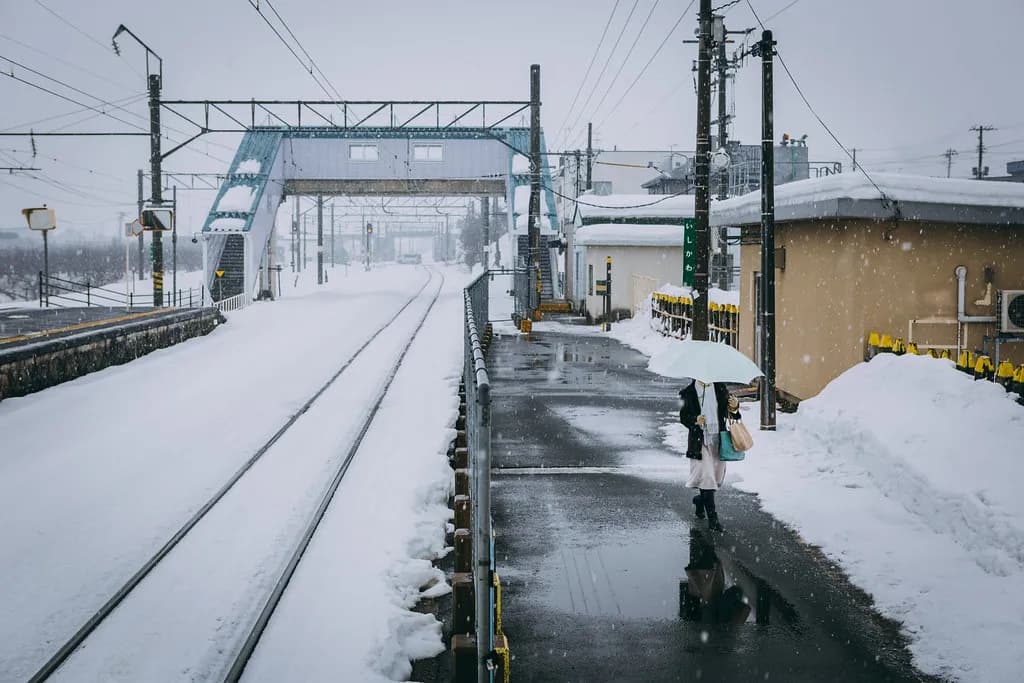
January through early March is snow monster season on Mount Hakkoda. The rime-ice formations on the summit trees are at their thickest in late February. The Oirase Gorge JR Bus and the Lake Towada route do not operate during winter, so Hakkoda and Sukayu Onsen become the focus of a shorter two-day winter trip. The Tsugaru Railway runs its historic Stove Train between Tsugaru-Goshogawara and Tsugaru-Nakasato from December through March — see the booking note below. Autumn foliage in October is a quieter but equally scenic option, with the Oirase Gorge trail turning deep red and gold.
Book in Advance: Reserve Tickets Early
The Resort Shirakami scenic train requires seat reservations well in advance. We recommend booking at least 30 days ahead during the peak summer. Tickets can be reserved via the JR East website or at stations. This train offers stunning views of the Sea of Japan coast.
During the Nebuta Festival in August, hotels sell out months before. We suggest booking your Aomori accommodation at least six months early. The Tsugaru Railway Winter Stove Train also needs reservations. Carriages are heated by a single wood-burning iron stove and seat around 40 passengers. Reservations open roughly one month ahead at Tsugaru-Goshogawara Station or via the Tsugaru Railway phone line; overseas booking is easiest done through a Japanese travel agency proxy service, since the railway does not offer an English online reservation portal. Walk-ins sometimes get seats on weekdays but are not guaranteed.
Where to Stay in Aomori
Aomori City is the best base for travelers using public transport. Most hotels are located within a five-minute walk of Aomori Station. We recommend the Bay Area for proximity to restaurants. Standard business hotels cost between ¥7,000 and ¥12,000 per night.
Hirosaki offers a more traditional atmosphere with smaller boutique inns. It is a great choice for those focusing on history and gardens. Staying in an onsen resort like Sukayu provides a unique experience. These mountain lodges often include breakfast and dinner in the price.
Is the Japan Rail Pass Worth It for Aomori?
A return Shinkansen ticket from Tokyo to Shin-Aomori costs around ¥30,000. The 14-day Japan Rail Pass is approximately ¥50,000 in 2026, so it pays off only if you are combining Aomori with other long-distance legs such as Kyoto, Hiroshima, or Hokkaido. For an Aomori-only trip, the JR East Tohoku Area Pass at around ¥20,000 for five days is significantly cheaper and covers the Hayabusa Shinkansen, the JR Tohoku Bus to Oirase, and the Resort Shirakami reservation fee (you still pay the seat reservation surcharge).
The JR East Pass can be reserved online before you leave home, which matters for the Resort Shirakami — those seats book out fast in summer. If you hold a Japan Rail Pass and are visiting in peak season, reserve the Resort Shirakami the moment you arrive in Japan. Walking into a station on the day of travel and expecting a seat in July or August will usually not work. Both pass types cover the Shin-Aomori to Aomori local transfer, so you will not need to buy a separate ticket for that short hop.
Is 4 Days Enough? (Add an Extra Day)
If you have five days, we recommend visiting the Shimokita Peninsula. This remote area is home to Mount Osore, a sacred volcanic site. The journey takes about three hours by train and bus from Aomori. It is one of the most spiritual locations in all of Japan.
Another option is Goshogawara to see the Tachi-neputa museum's tall floats. These floats reach heights of 23 meters and are truly impressive. We suggest checking the latest travel blogs for current festival dates. Adding an extra day allows for a much more relaxed pace.
Pair this with our broader aomori tourism attractions guide for the full city overview.
Frequently Asked Questions
Is Aomori walkable for tourists?
The Aomori city center is very walkable for visiting the waterfront and markets. However, reaching the mountains or Hirosaki requires using trains or buses. We recommend using the local loop bus for city attractions.
Is the Japan Rail Pass worth it for Aomori?
The pass is usually worth it if you are traveling from Tokyo. A round-trip Shinkansen ticket costs nearly as much as a regional pass. Check current prices on the official JR website before purchasing.
When is the best time to see the snow monsters?
The snow monsters on Mount Hakkoda are best viewed from late January to early March. During this time, heavy snowfall covers the trees in thick ice. Always check the ropeway status as high winds can cause closures.
Aomori offers a blend of cultural depth and natural beauty that few regions match. By spending four days, you can fully appreciate the seafood and mountain landscapes. We recommend planning your transit carefully to avoid long waits at bus stops. Enjoy your journey to this vibrant corner of Northern Japan.
Free guide: Japan's Hidden Gems
12 under-the-radar places beyond Tokyo & Kyoto — with the best season to visit each and a local tip you won't find in the guidebooks.
You might also like

Continue reading
More guides you'll find useful