10 Best Things to Do and Where to Stay in Hirosaki (2026)
Plan where to stay in hirosaki with our 2026 guide. Discover top attractions, onsen ryokans, and neighborhood tips for a perfect northern Japan trip.
On this page
Last updated June 2026. Our editors have explored the quiet streets of Aomori's cultural capital many times. While many visitors treat this city as a quick day trip, we believe staying overnight is essential. Hirosaki reveals its best side after the tour buses depart and the castle lanterns begin to glow.
Finding the right spot for where to stay in hirosaki depends heavily on your seasonal interests. Spring brings millions of cherry blossoms, while winter transforms the samurai districts into silent, snowy landscapes. Staying locally allows you to experience the morning mist over the castle moats before the crowds arrive. This guide covers the best neighborhoods, practical hotel picks, and top attractions to ensure your northern Japan journey is seamless.
We have reviewed the local logistics to help you choose between modern station hotels and traditional onsen retreats. Whether you seek the convenience of the JR lines or the steam of a mountain bath, Hirosaki delivers. Our team recommends focusing on the area between the station and the castle for the best walkability. Let's dive into the top experiences that make this city a highlight of the Tohoku region.
Useful resources: Japan Guide's Hirosaki page and Wikipedia's Hirosaki overview have up-to-date access and background details.
How to Get to Hirosaki
Most travelers arrive from Aomori City, which is the easiest gateway into the region. Frequent JR Ou Line trains connect Aomori Station with Hirosaki Station in roughly 35 to 45 minutes, and IC cards work the whole way. If you are arriving by Shinkansen, you alight at Shin-Aomori and transfer to the local line there — the total journey from Tokyo takes around three hours.
Coming from Aomori Airport? Konan Bus runs direct services to Hirosaki Station and to the Hirosaki Bus Center, which drops you roughly midway between the station and the castle. Buses run several times daily and take about 55 minutes. If your itinerary passes through Akita or Morioka, the JR Ou Line also connects southward, making Hirosaki an easy stop on a Tohoku loop.
Once in the city, the 100-yen loop bus (Dote-Macchi Loop) circles between the station, castle, and samurai district every 15 minutes during peak season. Bicycle rentals near the station cost around ¥500 to ¥800 per day and are the fastest way to cover short distances on flat terrain. For the mountain onsens and outlying shrines, a rental car or taxi is necessary, as public transport stops well short of these spots.
Should You Stay Overnight in Hirosaki?
Deciding whether to book a hotel here or commute from Aomori City is a common traveler dilemma. We suggest staying in Hirosaki if you want to experience the authentic, slower pace of northern life. Evening walks through the illuminated castle grounds provide a sense of peace that day-trippers often miss. Check the latest availability on Booking.com to secure a central room during festival peaks.
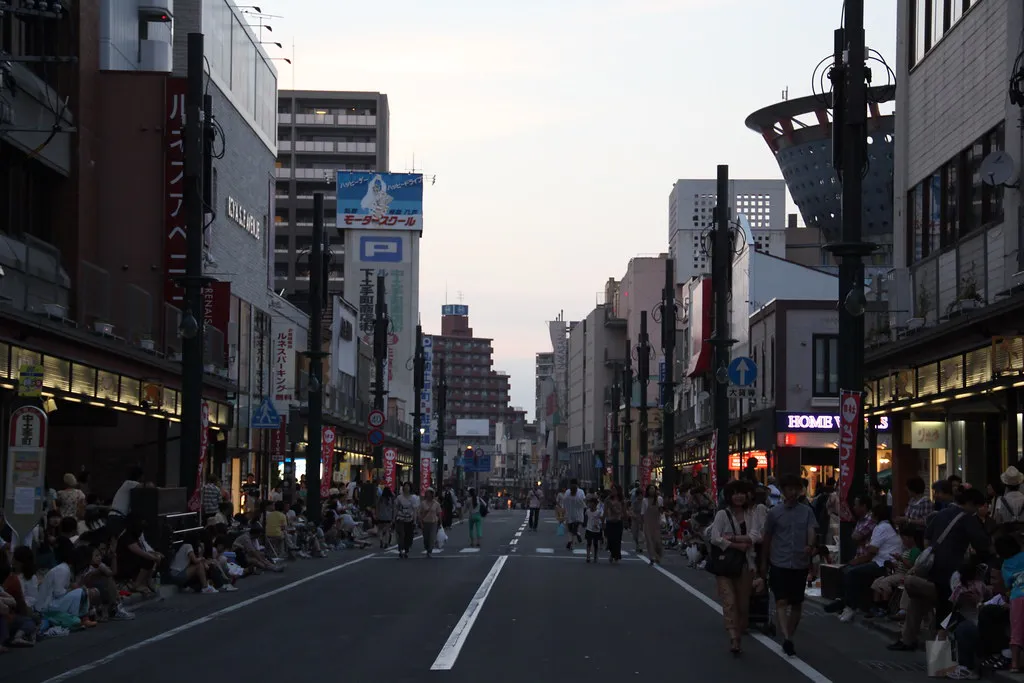
Staying overnight is particularly vital during the massive summer festivals when transport becomes extremely crowded. Local hotels put you within walking distance of the parade routes for the vibrant Neputa celebrations. You can find more detailed planning resources on the Japan Activity blog for regional logistics. Choosing a local stay also supports the small businesses and cider houses that define the city's character.
Budget travelers will find that Hirosaki offers better value for money than the larger Aomori City. Business hotels near the station provide clean, efficient rooms at a fraction of the cost of metropolitan hubs. We found that many local properties offer free shuttle services to the major sightseeing spots. This makes the city an excellent base for exploring the surrounding apple orchards and mountain trails.
Where to Stay in Hirosaki: Practical Hotel Picks
Hirosaki's accommodation scene is compact but well-suited to most budgets. The two properties that come up consistently among visitors are Art Hotel Hirosaki City and Super Hotel Hirosaki. Art Hotel Hirosaki City (formerly Best Western New City) is the closest thing the city has to a 4-star business hotel — rooms are spacious by Japanese standards and it sits a short taxi ride from the castle. Rates typically run ¥8,000 to ¥14,000 per room per night depending on season.
Super Hotel Hirosaki offers a better location for sightseers — it's closer to the castle and includes a natural hot spring bath and free breakfast in the room rate, which runs ¥5,500 to ¥9,000. The rooms are compact, but the value for solo travelers and couples is hard to beat. Dormy Inn Hirosaki is a third option that regularly appears in searches: it sits near the station, has a large shared onsen floor, and prices land between the two above.
If your main reason for visiting is cherry blossom season, staying within walking distance of Hirosaki Park is the right call. Properties in the Motomachi and castle-adjacent neighborhoods book out two to three months in advance for the late-April peak. The samurai district area (Nakacho) also has a handful of small guesthouses that offer a quieter, more characterful stay than the main business hotels.
- Art Hotel Hirosaki City — central business hotel, ¥8,000–¥14,000/night, good for families and longer stays.
- Super Hotel Hirosaki — budget-friendly, natural onsen bath, free breakfast, ¥5,500–¥9,000/night, best for solo travelers.
- Dormy Inn Hirosaki — station-adjacent, large shared onsen floor, mid-range pricing, reliable chain quality.
- Nakacho guesthouses — small, characterful, suited to travelers who want proximity to the samurai district.
Top Things to Do in and Around Hirosaki
Our list of must-see spots combines famous landmarks with quiet corners that reflect the city's deep history. We have grouped these by their cultural significance and proximity to the main lodging districts. Most of these locations are easily accessible via the city's convenient 100-yen loop bus system. Keep in mind that many smaller museums have limited hours during the winter months.
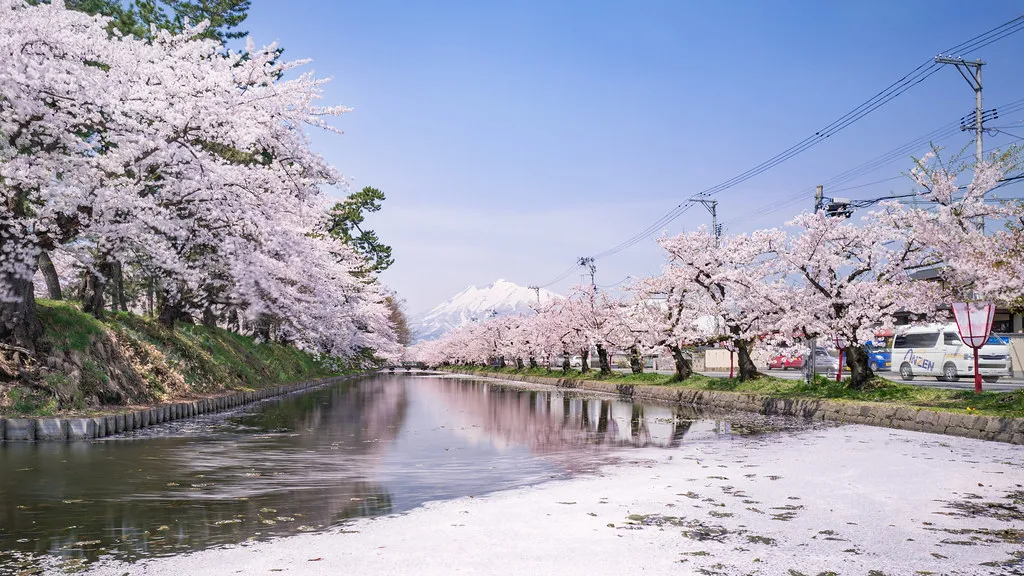
While the famous Japanese Alps are located further south, the majestic Mt. Iwaki provides a similar alpine backdrop for this region. Locals often call it the "Tsugaru Fuji" because of its perfectly symmetrical volcanic cone. Staying in the city offers constant views of this peak on clear days. Be sure to carry some cash as many smaller shrines and local shops do not accept credit cards.
We suggest skipping the generic shopping complexes directly adjacent to the JR station for dining. While convenient, these malls lack the character of the smaller cider houses found deeper in the city. You will find much more authentic flavors by walking ten minutes toward the Dotemachi area. This neighborhood is where the city's history as a merchant hub truly comes to life.
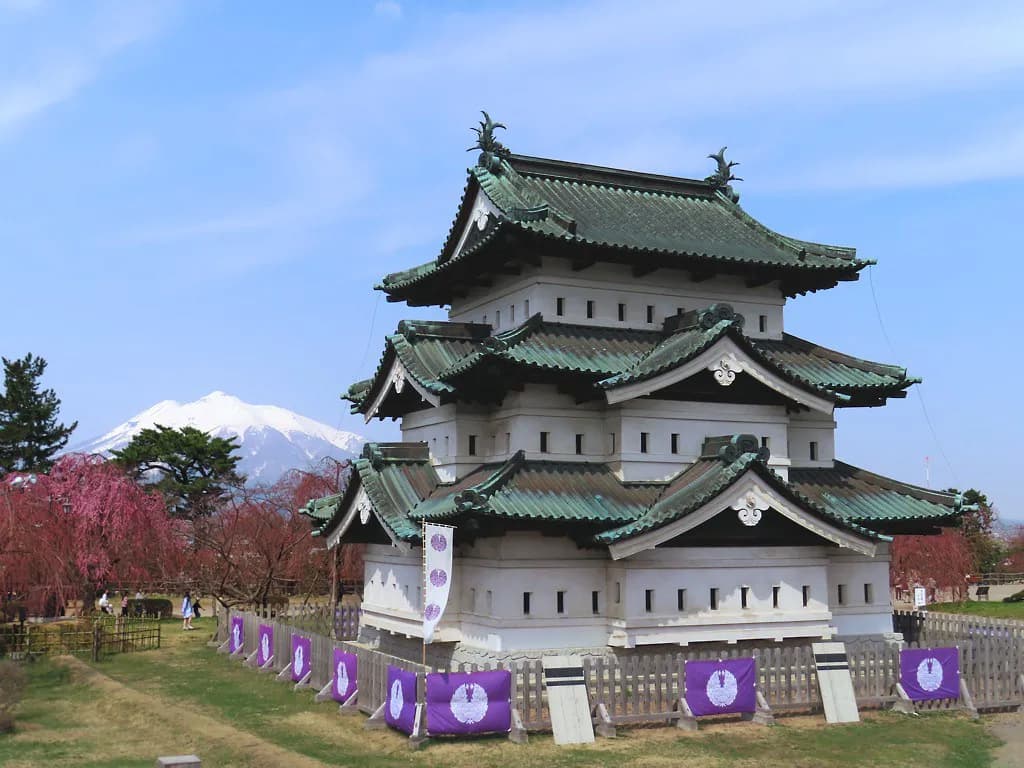
- the Hirosaki Castle keep and Park
- This iconic site features an original Edo-period tower and over 2,500 cherry trees. The castle keep was moved off its stone base in 2015 for a multi-year Honmaru stone-wall restoration and is being returned toward its original position in the mid-2020s; it remains open to visitors.
- Expect to pay ¥320 (roughly $2) for entry to the inner castle grounds and botanical garden.
- The park is open daily from 09:00 to 17:00, though gates stay open later for festivals.
- We recommend visiting the southwestern corner for the best reflection shots of the castle tower.
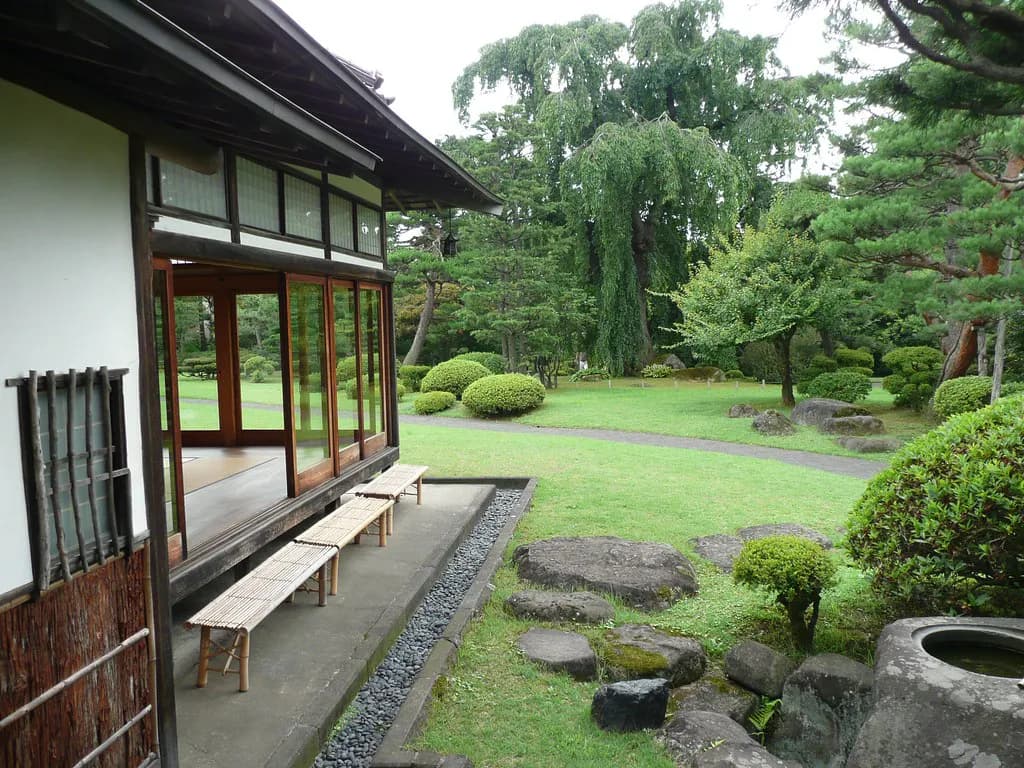
- the Fujita Memorial Garden and Tea House
- This traditional landscape garden includes a beautiful Western-style house and a tranquil pond.
- Admission costs roughly ¥320 per adult, and the site is open from 09:00 to 17:00.
- Located just outside the castle's western gate, it is a perfect spot for afternoon matcha.
- The interior of the Western house showcases the city's unique early 20th-century architecture.
- Nakacho Samurai District
- Walk through preserved streets where high-ranking samurai families once lived in the feudal era.
- Access to the district is free, though some specific houses charge a small ¥100–¥300 fee.
- Most homes are open from 10:00 to 16:00, but many close on Mondays.
- Look for the Nakacho Samurai District Hirosaki signage to find the oldest thatched-roof properties.
- Hirosaki Museum of Contemporary Art
- A stunning brick cider warehouse has been converted into a world-class modern art space.
- Tickets usually range from ¥1,400–¥1,600 depending on the current rotating exhibition.
- The museum operates from 09:00 to 17:00 and is closed on Tuesdays.
- Don't miss the giant "A-dog" statue by Yoshitomo Nara located right outside the entrance.
- Zenringai Zen Temple District
- This unique street contains 33 Zen temples of the Soto sect lined up in a row.
- Walking the main road is free and accessible from dawn until dusk every day.
- It is located at the end of the city's western edge, about a 20-minute walk from the castle.
- The Choshoji Temple at the very end of the road is the most impressive of the group.
- Tsugaru-han Neputa Village
- Experience the craft of Hirosaki Neputa Festival: 8 Essential Things to Know through massive fan-shaped lanterns and live music.
- Entry is approximately ¥600–¥800 and includes a live Tsugaru-jamisen guitar performance.
- The village is open daily from 09:00 to 17:00 and features local craft demonstrations.
- Try your hand at painting a small gold-fish lantern in the workshop area for a unique souvenir.
- Hirosaki Apple Park
- Explore orchards with over 80 varieties of apples and enjoy panoramic views of Mt. Iwaki.
- The park grounds are free to enter, but apple picking is charged by weight during harvest.
- Operating hours are 09:00 to 17:00, with the best picking season from August to November.
- Visit the onsite shop to try the city's famous apple pie and cider varieties.
- Hirosaki City Public Library
- This striking red-and-white building is a prime example of 8 Must-See Hirosaki Western Meiji Architecture Sites from 1906.
- Entry to view the exterior and the mini-museum inside is free for all visitors.
- It is open from 09:00 to 17:00, though the library functions are for residents.
- The building is located within the Otemon Square area, right across from the castle entrance.
- Mt. Iwaki Skyline Road
- Take a shuttle or drive up the 69 hairpin turns for incredible views of the Sea of Japan.
- The toll road costs about ¥1,800–¥2,000 per car, and the chairlift to the summit is extra.
- The road is typically open from 08:00 to 16:00 between late April and early November.
- Check the weather forecast before heading up, as clouds often obscure the peak by midday.
- Takayama Inari Shrine
- This stunning shrine features a winding row of hundreds of red torii gates through a garden — far less visited than Fushimi Inari in Kyoto despite a similar atmosphere.
- The shrine grounds are free to enter and are technically open 24 hours a day.
- It is located about 60 minutes from Hirosaki by car or a mix of train and taxi. A rental car makes the trip far easier.
- We recommend visiting at sunset when the red gates are illuminated by the soft evening light.
Hirosaki Onsen: Best Areas for Traditional Stays
For those seeking a traditional experience, the hot spring districts surrounding the city are unmatched. Dake Onsen, located on the slopes of Mt. Iwaki at around 550 m elevation, is famous for its milky, slightly acidic waters that locals say soften skin noticeably after a single soak. Many travelers prefer these mountain retreats for their quiet atmosphere and seasonal kaiseki meals. The onsen are a 30-minute drive from the city center — most ryokan offer shuttle pickup from Hirosaki Station.
If you prefer to stay in the city center, several modern hotels feature their own natural hot spring baths. Properties like the Dormy Inn or Super Hotel provide onsen facilities while remaining close to the train station. This is a great compromise for travelers who want both convenience and relaxation. For onsen lovers, the ideal time to visit is during the snowy winter months when the outdoor baths steam against a white landscape — see our when to visit Hirosaki guide for seasonal detail.
Booking a ryokan usually includes breakfast and dinner, which often feature local Aomori salmon, Tsugaru nabe hot pot, and apple-based desserts. We found that these traditional stays fill up months in advance for the cherry blossom festival. Prices for a mid-range ryokan typically range from ¥15,000 to ¥25,000 per person per night including two meals. Always verify if the property offers a private open-air bath (kashikiri-buro) if you prefer not to share the communal facilities.
Hirosaki in Winter: The Case for an Off-Season Visit
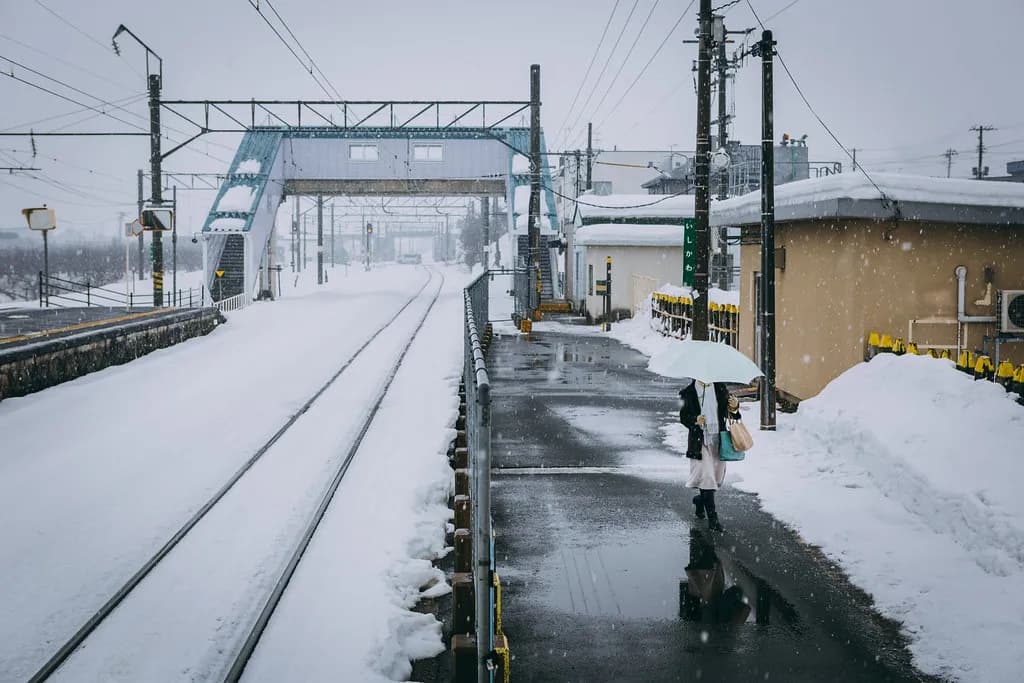
Aomori Prefecture receives some of the heaviest snowfall of any populated region in Japan, and Hirosaki is no exception. This works in the winter visitor's favor. The castle grounds transform into a pure white landscape, the moats freeze at the edges, and tourist numbers drop to a fraction of the spring peak. Hotel rates fall accordingly — a room that costs ¥14,000 in late April can drop to ¥7,000 in February.
The Hirosaki Castle Snow Lantern Festival runs across a single weekend in mid-February each year, when hundreds of snow sculptures and ice lanterns are lit around the park. It is one of the more overlooked winter events in Tohoku — smaller than Sapporo's Snow Festival but far more intimate. Crowds are manageable and the photography opportunities are exceptional, especially in the hour after sunset.
For travelers wondering whether Aomori Prefecture is worth visiting in winter: the answer is yes, particularly if you prioritize traditional architecture under snow, quieter onsen, and uncrowded castle grounds. The practical downside is transport. The Mt. Iwaki Skyline Road closes from November through late April. Pack serious winter boots — the city streets accumulate ice, not just snow, and the samurai district's stone paths get slippery quickly.
Local Food and Getting Around: The Details That Matter
Hirosaki's best-known dish is not sushi or ramen. It is a regional beef curry made with Kuroishi-grown apples stirred into the sauce — the fruit breaks down during cooking and adds depth without sweetness. You find it served at the Taisho Tea Room near Fujita Memorial Garden and at several small restaurants in the Dotemachi shopping arcade. It is worth ordering at least once.
Apple products define the city's food identity more broadly. The Hirosaki Apple Park shop and the Dotemachi stalls sell apple pie in a dozen variations, bottle cider from multiple local producers, and apple vinegar dressings that make for light, practical souvenirs. Most producers are concentrated around Kuroishi, about 20 minutes by train — the harvest runs August through November and is a strong reason to plan a late-autumn visit.
For getting around day-to-day, the 100-yen loop bus covers the station-to-castle corridor reliably. Outside of that corridor — for the Apple Park, the Zenringai temple street, or Dake Onsen — you will need either a taxi or a rental car. Taxis from the station to the castle run roughly ¥700. Bicycle hire works well in spring and autumn but is impractical in winter ice. The main city attractions cluster tightly enough that a moderately fit visitor can walk everything between the castle and the samurai district in half a day without using the bus at all.
How to Plan Your Hirosaki Visit
Navigating the city is straightforward thanks to the flat terrain and clear signage. The 100-yen loop bus is your best friend, connecting the station to the castle every 15 minutes during peak season. We recommend renting a bicycle near the station if the weather is clear and mild. Most major attractions are within a three-mile radius of the city center.
Timing your visit is crucial to seeing the city at its most beautiful. Late April is peak blossom season, while early August hosts the massive Neputa parades. Autumn colors usually peak in late October, offering a fiery backdrop to the castle moats. Winter (December through February) is underrated — fewer crowds, lower prices, and the snow lantern festival in mid-February.
We suggest dedicating at least two full days to see everything on our list. One day can be spent in the castle and samurai districts, while the second is for Mt. Iwaki or a day trip to Goshogawara. If you have extra time, the nearby Aomori City attractions are a fantastic half-day addition just 45 minutes away by train. Always keep a light jacket with you, as northern Japan temperatures can drop quickly after sunset even in summer.
For the wider city context, see our complete hirosaki tourism attractions guide.
Frequently Asked Questions
Is Hirosaki worth a visit?
Yes, Hirosaki is absolutely worth a visit for its well-preserved samurai history and original castle. It offers a more authentic, less crowded experience than many major Japanese cities. We recommend staying at least two nights to enjoy the local food and mountain views.
What food is Hirosaki known for?
Hirosaki is the apple capital of Japan, famous for its apple pies, cider, and fresh fruit. You should also try Igamenchi, which are local fried squid patties. Many restaurants in the Dotemachi area serve these traditional Tsugaru regional dishes.
How many days should I spend in Hirosaki?
We suggest spending two to three days in the city. This allows enough time for the castle, the samurai district, and a day trip to Mt. Iwaki or the nearby onsens. If you visit during festival season, add an extra day for the parades.
Hirosaki remains one of the most rewarding destinations in northern Japan for culture seekers. By choosing the right area for where to stay in hirosaki, you can experience the city like a local. From the historic castle walls to the steaming onsen baths, this city offers a rare glimpse into the Edo period. We hope this guide helps you plan an unforgettable stay in the heart of Aomori.
Remember to book your accommodation early if you plan to visit during the spring or summer festivals. The warmth of the local hospitality will stay with you long after you leave the Tsugaru plains. Safe travels as you explore the hidden gems and historic streets of this beautiful castle town.
Free guide: Japan's Hidden Gems
12 under-the-radar places beyond Tokyo & Kyoto — with the best season to visit each and a local tip you won't find in the guidebooks.
You might also like
Continue reading
More guides you'll find useful