
Oirase Gorge And Lake Towada Travel Guide
Plan oirase gorge and lake towada with top picks, neighborhood context, timing tips, and practical booking advice for a smoother trip.
On this page
Last updated June 2026. We have designed this guide specifically for first-time visitors to northern Japan. the Oirase Gorge trail and scenic Lake Towada represent the peak of Tohoku's natural beauty. Our itinerary ensures you see the best waterfalls and vistas without feeling rushed.
We recommend starting your journey from Aomori Station or Hachinohe Station early. The lush moss and crystal-clear streams provide a tranquil escape from urban life. You will find that planning transportation is the most critical part of this trip. We will help you navigate the bus schedules and hiking trails with ease.
Useful resources: Japan Guide's Aomori page and Wikipedia's Aomori overview have up-to-date access and background details.
Experiencing Shinryoku in Tohoku
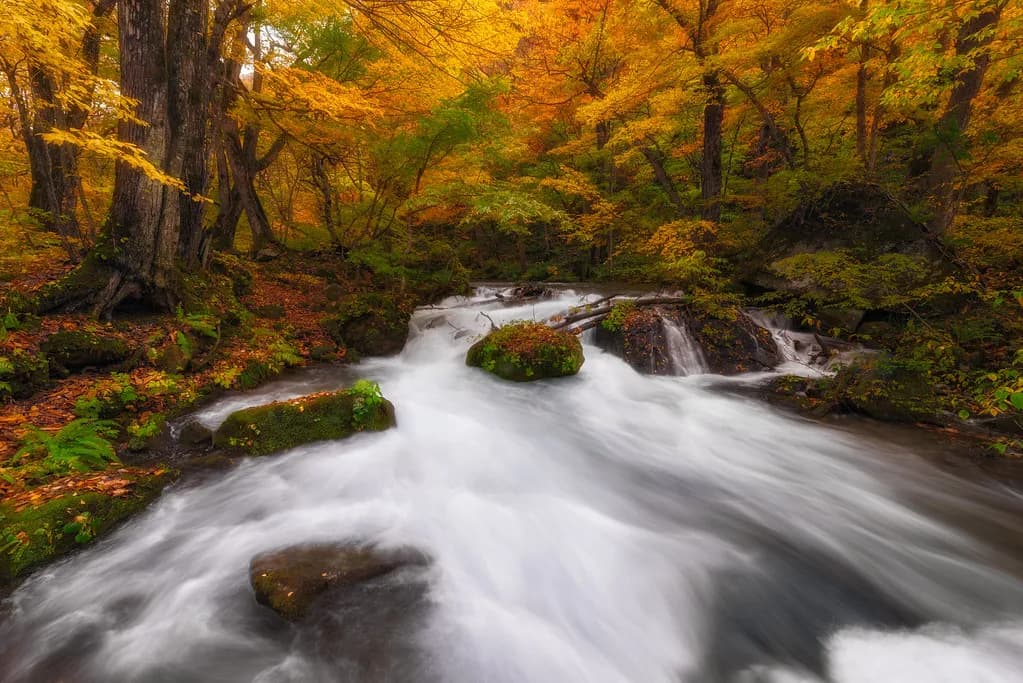
Tohoku is most famous for its autumn foliage, but the region has a second peak season that many overseas visitors overlook: shinryoku (新緑), which translates as "new green." From mid-May to early July, the forests along Oirase Stream burst into a vivid, luminous green that rivals — and in many ways surpasses — the autumn display. Sunlight filtered through fresh canopy turns the gorge into something resembling a Ghibli film set.
During shinryoku, the stream runs full from snowmelt, the waterfalls are at their most powerful, and the trail sees far fewer crowds than October. Prices for buses and accommodation are also lower. If you have flexibility in your travel dates, late May to mid-June is the single best window to visit: warm enough to hike comfortably, cool enough to avoid summer humidity, and not yet crowded with autumn-leaf tourists.
Oirase Stream and Lake Towada together form the northern anchor of Towada-Hachimantai National Park (十和田八幡平国立公園). The park was designated in 1936 and the lake caldera itself formed through volcanic activity beginning roughly 200,000 years ago. Visiting here means stepping into one of Japan's oldest and most geologically dramatic protected landscapes.
Driving Close to Nature: Transport Options
Navigating Oirase Gorge and Lake Towada requires understanding the local bus network. The JR Bus Tohoku is the primary mode of transport for most tourists. It connects Aomori and Hachinohe stations to the gorge and the lake. Check the latest schedules at the station as times change seasonally.
From Hachinohe Station West Exit, the JR Bus Tohoku departs at 9:35am and 1:20pm on most operating days. The ride to Yakeyama (the southern trail start) takes about 90 minutes; the ride all the way to Nenokuchi at the lake mouth takes about two hours. Holders of a JR EAST PASS or a Nationwide JR Pass can ride this bus free of charge — the bus is fully covered. Without a pass, the fare from Hachinohe to Nenokuchi is approximately ¥2,300.
Renting a car provides the most flexibility for exploring the deeper forest. One practical advantage of a car: the official tourist board notes you can feel the clear stream and the power of the waterfalls from the road itself — this is genuinely true, and the car option suits travellers with mobility constraints or families with young children who cannot manage a full hike. Parking is available at Yakeyama, Ishigado, and Nenokuchi for a small fee. Be aware that roads are narrow and can be crowded in October. We suggest reading How To Get To Aomori: 10 Essential Routes and Travel Tips before planning your Shinkansen approach.
Walking remains the most immersive way to experience the Oirase Stream's beauty. The trail is mostly flat and well-maintained for casual hikers and families. You can hop on and off the bus at various points along the road, which means you can skip less interesting sections and focus your energy on the best waterfalls between Kumoi-no-taki and Choshi Otaki.
Oirase Keiryu and Oirase Gorge: The Trail
The Oirase Stream runs 14km from Lake Towada at Nenokuchi (子ノ口) down to Yakeyama (焼山) at the gorge's southern end. The trail runs flat alongside the stream the entire way, making it accessible even for travellers who do not consider themselves hikers. Experienced walkers covering the full distance take four to five hours; a comfortable middle-ground entry point is the bus stop at Kumoi-no-taki Falls (雲井の滝), which leaves an 8km, roughly two-hour hike to the lake.
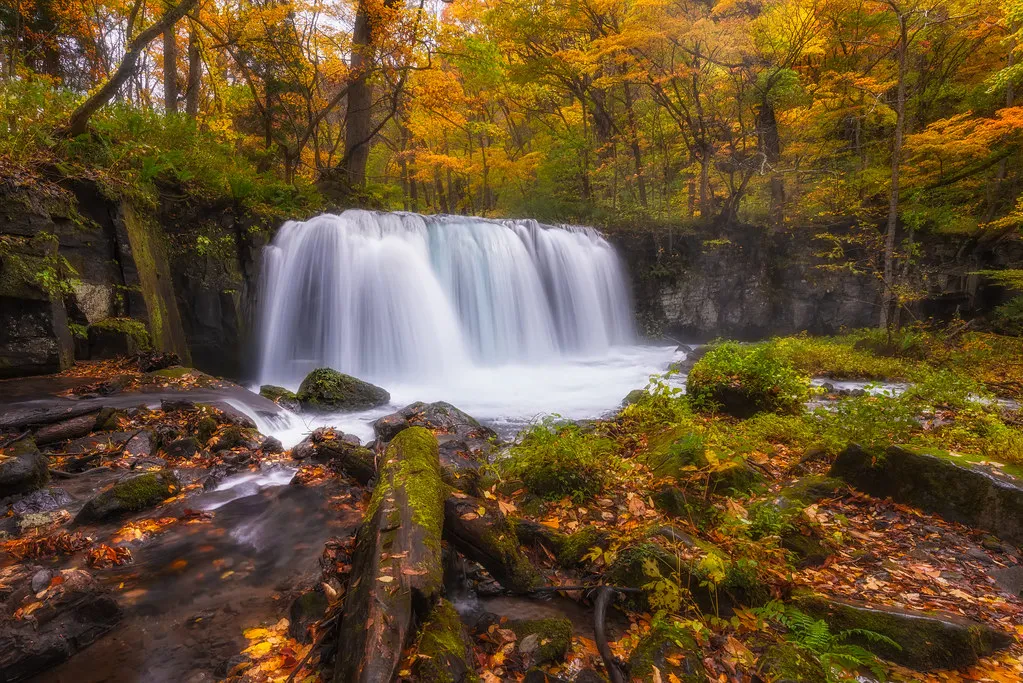
Kumoi-no-taki is considered one of the most beautiful waterfalls in the gorge. Though not the largest, it is framed by dense forest that amplifies the sound and mist. About 20 minutes further up the trail from this point you reach the famous moss-covered stone staircase — arguably the single most photogenic spot in the entire gorge. The steps are blanketed in bright green moss and arch through a canopy of beech and oak. Plan to spend time here.
Choshi Otaki (銚子大滝) is the gorge's largest and most powerful waterfall, located closer to Nenokuchi. When the trail is wet, the paved road running parallel to the stream is a good alternative to the forest path for this section — it keeps your shoes dry and still gives a clear view of the falls. Aim to reach Nenokuchi by 1:20pm to catch the afternoon pleasure boat across the lake.
The area is famous for its vibrant greenery in summer and fiery autumn leaves. Always carry a light jacket as the mountain air remains cool even in July. Rain can make the forest paths slippery and slow down your hiking pace. We advise checking the weather forecast at least 24 hours before your departure.
Trail Safety and Bear Awareness
Asiatic black bears (ツキノワグマ, tsuki-no-waguma) live in Towada-Hachimantai National Park, and the Oirase trail passes through active habitat. No competitor guide prominently addresses this, but it is a genuine consideration for anyone hiking before 9:00am or after 4:00pm, or in the dense sections between Yakeyama and Kumoi-no-taki. Bear encounters in Aomori are rare but not unknown, with the highest activity recorded in early spring when animals emerge from winter dens — precisely the same shoulder season many shinryoku visitors choose.
The practical steps are straightforward. Carry a bear bell (kuma-no-suzu) and attach it to your pack so it rings with every step. The Oirase Keiryu Museum gift shop near the Yakeyama entrance sells them for around ¥500–¥800 — convenient if you forgot to buy one in Aomori. Hike in groups of three or more where possible, and make deliberate noise when approaching blind curves in the trail. Never eat on the trail; save lunch for the open pier area at Nenokuchi or the restaurants at Yasumiya.
The risk is low on a busy autumn day when hundreds of hikers are on the trail simultaneously. It is higher on a quiet Tuesday in June or September. The park does not close the trail for bear activity unless there has been a confirmed sighting that day — check the noticeboard at the Yakeyama trailhead for any posted warnings before setting off.
Lake Towada: The Heart of the Caldera
Lake Towada is a caldera lake formed by volcanic activity and straddles the Aomori-Akita border. Its deep blue waters reach a depth of 327 metres in the central section between Ogura Peninsula and Nakayama Peninsula, making it the third deepest lake in Japan. The caldera filled slowly with rainwater over thousands of years after the last eruption — standing at the shore, you are looking at a natural basin 200,000 years in the making.
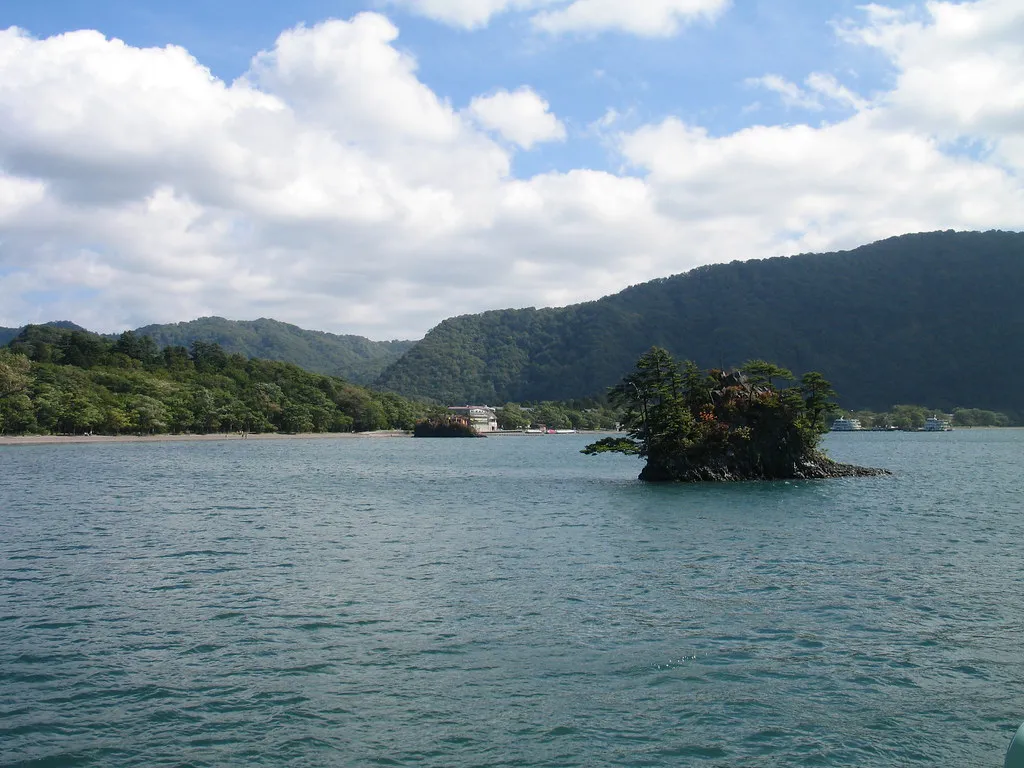
From Nenokuchi, the Lake Towada Pleasure Boat (十和田湖遊覧船) departs for Yasumiya on the lake's south shore. The one-way adult fare is approximately ¥1,500 for a 45-minute cruise. Boats run roughly every hour and you can also purchase a green seat upgrade (premium deck) for an extra ¥500. The crossing gives you a lake-level view of the calderas islets and the dramatic forested ridgeline — a completely different perspective from the trail.
For a unique perspective on the lake's seasonal transitions, the Japan's Green and Great Shinryoku Show documents the early summer change from above and at water level. We find that the lake air is particularly refreshing during the June heat. Most lakefront shops close by 5:00pm, so plan your shopping accordingly.
Yasumiya Village and Towada Shrine
The boat docks at Yasumiya (休屋), the main village on the lake's south shore. It is a compact area of guest houses, souvenir shops, restaurants, and small cafes gathered around the JR Bus Towadako Station (JRバス十和田湖駅, address: 486 Towadakohanyasumiya, Okuse, Towada, Aomori 018-5501; tel: +81 176-75-2153). The bus station has a souvenir shop on the ground floor and a dining facility on the second floor — confirm opening times in advance as they vary seasonally. The nearby Towada Shokudo (十和田食堂), a four-minute walk from the bus station, serves local meals when other places are closed.
Allow 30 to 45 minutes to walk to Towada Shrine (十和田神社, address: 486 Towadakohanyasumiya, Okuse, Towada, Aomori 018-5501; ten minutes on foot from the bus station). The shrine dates to the 9th century and was built to appease the water gods for safe passage across the lake. It sits at the end of a cedar-lined path known as the Path of Luck, which passes through a sequence of torii gates, each with a distinct meaning. Locals say it is traditional for those who have crossed the lake to walk this path and throw coins at the shore for good fortune.
The Statue of Maidens (乙女の像) stands at the end of the Path of Luck, near the lakeside. This bronze work was completed in 1953 to mark the 15th anniversary of the national park's designation. It is the final sculpture by poet and artist Kotaro Takamura (高村光太郎) and has become the single most photographed landmark at Lake Towada. On a clear day the statue is reflected in the lake surface; on a misty day the effect is equally striking.
Aomori is Japan's top apple-producing prefecture, and Yasumiya's souvenir shops sell apple sake, apple jam, and apple-flavoured snacks unavailable outside the region. Pick these up before boarding the return bus — they make better gifts than anything sold in the city.
Book in Advance: Essential Reservations
Securing your transport early is vital for a stress-free day in the mountains. We recommend booking your JR Bus seats at least three days in advance. During the autumn peak, buses can fill up entirely before the departure time. You can reserve these at any JR Ticket Office in major stations.
The Lake Towada Pleasure Boat is another popular activity. While walk-in tickets are often available, booking online saves time at the pier. A standard adult ticket costs approximately ¥1,620 for the 50-minute journey (prices vary slightly by season). Boats typically depart every hour from 9:00am until 4:00pm during the season.
If you prefer cycling, reserve an e-bike at the Oirase Keiryu Museum. These bikes allow you to cover the 14km trail without heavy physical exertion. Rental prices start at ¥1,000 per hour or ¥3,000 for a full day. We suggest booking these at least one week ahead for weekend visits. Note that guided hiking tours with a government-licensed guide are also available and typically run around eight hours with cancellation possible up to 24 hours before departure for a full refund.
Is a Day Trip to Oirase Gorge Enough?
Many travelers wonder if one day is sufficient for this vast natural area. In our view, a day trip is perfect for seeing the main highlights. You can cover the best waterfalls and the lake cruise in eight hours. However, you will need to stick strictly to a timed bus schedule.
If you want to hike the full 14km, we recommend an overnight stay. Staying at a local ryokan allows you to start hiking at sunrise. This helps you avoid the large tour groups that arrive after 10:00am. We suggest checking 9 Best Areas and Tips for Where to Stay in Aomori (2026) for options.
A common mistake is trying to walk the entire gorge and lakefront in a single push. This can lead to exhaustion and missing the last bus back to town. We suggest boarding the bus at the midpoint Kumoi-no-taki stop to save your legs for the shrine and lakefront walk at Yasumiya. This trade-off ensures you reach the lake before the last boat departs at around 4:00pm.
Back to Hachinohe: Return Logistics
The return journey from Yasumiya to Hachinohe Station runs on the same JR Bus Tohoku line and is similarly covered by the JR EAST PASS. The last bus from JR Bus Towadako Station back toward Hachinohe typically departs in the late afternoon — confirm the exact time on the day at the station noticeboard, as the schedule changes between the spring-summer and autumn timetables. Missing this bus means an expensive taxi or an unplanned overnight stay, so build in a 20-minute buffer before the scheduled departure.
From Aomori City, the return bus from Yasumiya takes roughly three hours. If you originally came from Hachinohe, the journey back is closer to two hours. The bus passes through the Oirase valley again, giving you a second look at the gorge in the afternoon light — often warmer and more golden than the morning. It is a good opportunity to photograph sections you rushed through on the hike.
Back in Hachinohe or Aomori, follow our How Many Days In Aomori: 10 Planning Essentials to find the best local seafood options in the evening. The Furukawa Market in Aomori city is famous for its Nokke-don seafood bowls, with stalls open until around 4:00pm on weekdays.
Add an Extra Day: Aomori Extensions
If you have more time, consider exploring the Hakkoda Mountains nearby. The ropeway offers spectacular views of the volcanic peaks and alpine flora. During winter, this area is world-famous for its massive 'snow monsters'. A round-trip ticket for the ropeway costs approximately ¥2,000 per person.
Back in the city, the Nebuta Matsuri museum is a must-see. It showcases the giant illuminated floats used in Aomori's famous summer festival. The museum is open daily from 9:00am to 6:00pm for a small fee. This is a great indoor option if the mountain weather turns sour.
Pair this with our broader aomori tourism attractions guide for the full city overview.
Frequently Asked Questions
What is the best time to visit Oirase Gorge?
Late October is best for autumn colors, while June offers lush green foliage. We recommend visiting in early morning to avoid the largest crowds. Most bus services operate from mid-April through early November.
How do I get from Aomori to Lake Towada?
Take the JR Bus Tohoku from Aomori Station, which takes about three hours. The journey is scenic but requires a Japan Rail Pass or a ¥3,000 fare. We suggest checking the seasonal timetable before you depart.
Oirase Gorge and Lake Towada offer an unparalleled nature experience in Japan. By following our guide, you can maximize your time in this scenic wilderness. Remember to book your transport early and wear comfortable walking shoes. We hope this itinerary helps you plan a memorable trip to Aomori.
Tohoku remains one of Japan's most rewarding regions for outdoor enthusiasts. The combination of rushing water and deep blue lake views is truly unique. Whether you hike or cruise, the beauty of the caldera will impress you. Safe travels as you explore the hidden gems of northern Honshu.
Free guide: Japan's Hidden Gems
12 under-the-radar places beyond Tokyo & Kyoto — with the best season to visit each and a local tip you won't find in the guidebooks.
You might also like
Continue reading
More guides you'll find useful

