

Dakesawa Marsh sits just north of Kappa Bridge in the heart of Kamikochi, making it one of the most accessible alpine wetlands in the Japanese Alps. Raised wooden walkways and viewing decks carry you across the shallow water without leaving the path, while the Hotaka peaks fill the horizon. The marsh doubles as the trailhead for one of the valley's most serious multi-day climbs, so it draws everyone from first-time strollers to veteran alpinists. This guide covers both audiences, with practical details current for 2026.
About Dakesawa Marsh
Dakesawa Marsh, known in Japanese as Dakesawa-Shitsugen, is a highland wetland nestled within the Chubu Sangaku National Park. It lies along the trail toward Myojin Pond, surrounded by virgin forest that keeps the water clear and the light soft even at midday. The shallow reflective pools mirror the Hotaka range on calm mornings, drawing photographers from early spring through autumn. Entry to the marsh area is free.
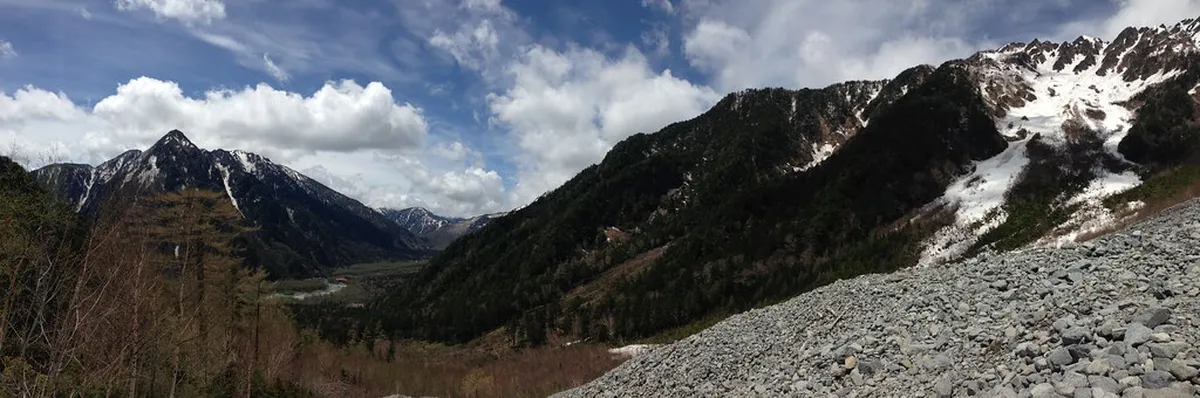
What makes Dakesawa distinctive within Kamikochi is its dual character. Casual visitors can reach it on a short, flat walk from Kappabashi and enjoy it from the boardwalk in under two hours round-trip. Experienced alpinists use it as an overnight base before tackling the technical climb to Mt. Okuhotaka (3,190 m), Japan's third-highest peak. Understanding which visitor you are shapes everything about how you plan your day.
Best Things to Do at Dakesawa Marsh
Walk the boardwalk circuit. The raised wooden walkways loop around the main wetland, keeping your boots dry and protecting the fragile marsh vegetation. Viewing decks at two points give you unobstructed sightlines across the water to the peaks. Plan 30–45 minutes to walk slowly, take photos, and sit quietly. Early morning, before 08:00, offers the calmest reflections and the fewest other visitors.
Watch for alpine wildlife. The marsh edges and surrounding forest shelter Japanese macaques, Eurasian jays, and the rare spotted nutcracker. In late summer and early autumn you may see monkey troops moving through the lower valley on your return toward Kamikochi. Keep a quiet distance and do not feed them.
Use the marsh as a trailhead. The trail continuing uphill from the marsh leads to Dakesawa Hut and then the high alpine zone. Even if you are not climbing to Okuhotaka, walking 20–30 minutes up the forested slope above the marsh gives you a view back down into the valley that most day visitors never see. The gradient eases off early, making it manageable without technical gear.
How to Get to Dakesawa Marsh: Access & Transportation
Kamikochi is a car-free zone. You must park at Sawando (east approach) or Hirayu Akandana (west approach) and take a shuttle bus. The bus ride takes about 30 minutes to reach Kamikochi Bus Terminal. From Hirayu the return fare is ¥2,090. From Sawando fares are similar — check the Alpico timetable for current prices before you travel.
Direct long-distance buses serve Kamikochi from Tokyo, Matsumoto, Nagano, Osaka/Kyoto, and Nagoya. The seasonal bus window runs from late April to mid-November; the valley closes in winter. Book seats in advance during peak autumn weekends.
From the Kamikochi Bus Terminal, cross Kappa Bridge and follow the riverside path north. Dakesawa Marsh is roughly 1.5 km upstream — a flat, easy 25–30 minute walk. There are no forks to miss: the well-signed trail runs alongside the Azusa River until the boardwalk entrance appears on your left. No specialist gear is needed for this section.
Two Very Different Visits: Boardwalk Stroll or Okuhotaka Climb
Most guides treat Dakesawa as purely a scenic marsh, but the trailhead here leads to one of Japan's hardest accessible alpine routes. It is worth being explicit about the fork so you plan the right day.
The boardwalk visit suits families, older walkers, and anyone doing a broader Kamikochi loop. You walk from Kappabashi, spend time on the boardwalk, then continue toward Myojin Pond or loop back. Total time from the bus terminal and back: 3–4 hours at an easy pace. No special equipment. Highly recommended as a half-day option.
The Dakesawa–Okuhotaka hike is a full overnight undertaking rated difficult. Day 1 covers 8.2 km with 1,924 m of elevation gain (Yamap estimates 9:45 h); Day 2 descends 16.2 km via Karasawa back to Kamikochi (6:15 h). The upper trail above Dakesawa Hut has fixed chains and ladders on exposed rock, and a helmet is required because of rockfall risk. Arriving at any mountain hut after 15:00–16:00 is considered unsafe and discourteous in Japan — start on the first bus of the day. If you arrive in Kamikochi in the afternoon, plan an extra night at Dakesawa Hut and push for the summit on day 2. Do the loop clockwise: the descent via Karasawa is more gradual and uses the chains predominantly going up, which is safer.
Dakesawa Marsh Through the Seasons
Spring (late April to May) brings snowmelt and high water levels in the marsh, which intensifies the reflections. Expect air temperatures of 8–14°C and patches of residual snow on the upper trail. Some mornings are still sub-zero, so layering is essential. The lower boardwalk section is passable from opening day.
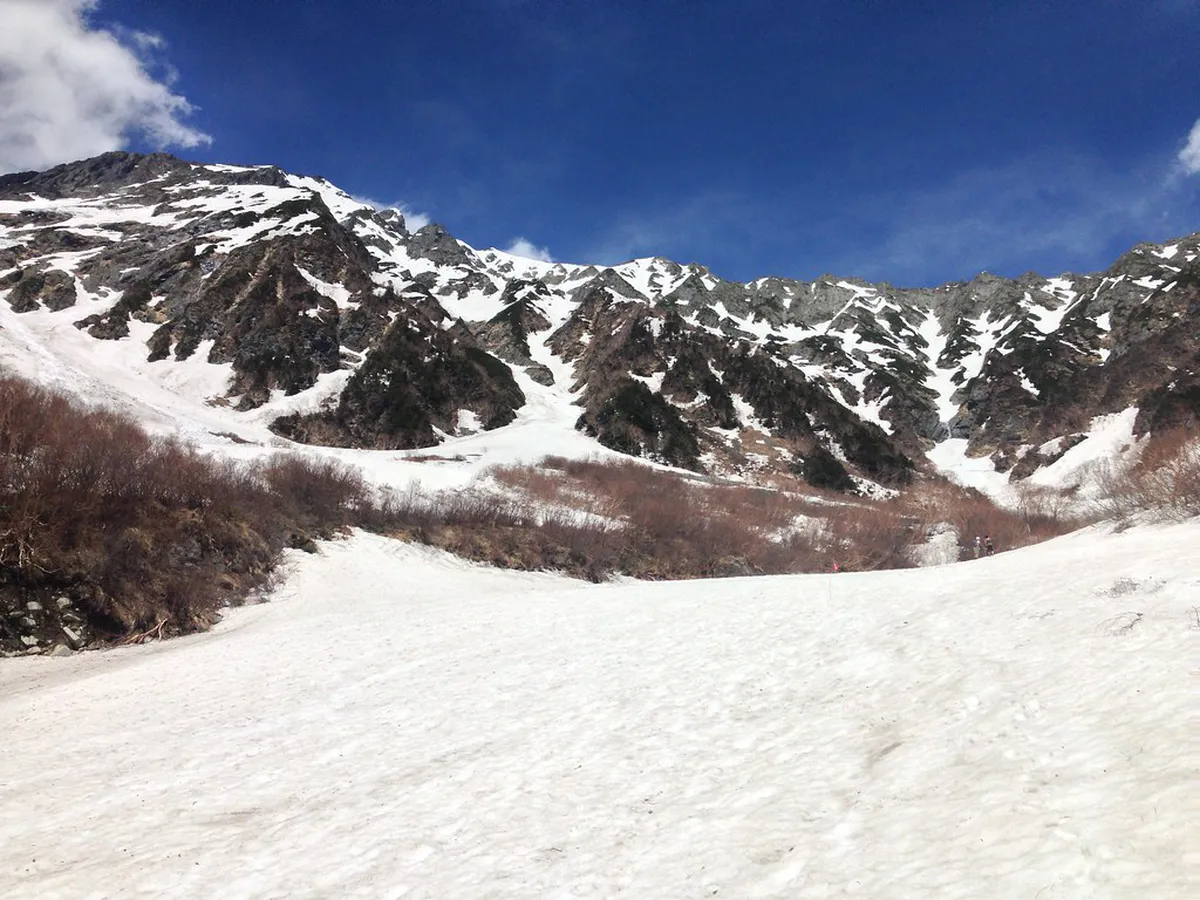
Summer (June to August) is the primary hiking season. Daytime highs reach 20–25°C in the valley. Afternoon thunderstorms are frequent from mid-July onward — check the forecast daily and be off any exposed ridge by 13:00. The marsh vegetation is at its greenest and the forest is lively with birds and insects.
Autumn (mid-September to mid-November) is the most popular season. Larches and Japanese maples turn gold and scarlet, and the contrast with the grey peaks is dramatic. Expect weekend crowds at the boardwalk from late September onward. Temperatures drop to 5–15°C; nights are cold at the hut elevation. Book Dakesawa Hut accommodation weeks in advance if you plan to hike in October.
Winter closes the valley entirely. The Kamikochi road shuts in mid-November and reopens in late April. Off-season access via snowshoe is possible for experienced winter mountaineers but requires special permits and is outside the scope of a standard visitor trip.
Where to Stay Near Dakesawa Marsh
Dakesawa Hut (Dakesawa-Goya) is the only accommodation directly on the trail above the marsh. Rates in 2026 are approximately ¥14,000 per person including two meals. Tent pitches cost ¥2,000; reservation is required for the hut but tents are first-come, first-served. The hut website (yarigatake.co.jp/dakesawa) takes bookings in Japanese — use a translation tool or contact through a local tour operator if language is a barrier.
Hotakasanso, the mountain hut at a higher elevation near the Okuhotaka summit, charges around ¥13,500 including two meals with a tent option at ¥2,000. Reservation is required for the hut beds. A communal bath opens from 14:00, useful for the evening after the climb. Both huts accept reservations online through the Japanese mountaineering hut booking system.
For visitors doing only the boardwalk day trip, the central Kamikochi area offers a range of lodges and hotels. The Imperial Hotel Kamikochi and Kamikochi Lemeiesta Hotel are the main full-service options; numerous smaller sanso (mountain lodges) dot the valley. Book at least two months ahead for October weekends.
Essential Tips: Know Before You Go
Footwear matters even for the boardwalk. The wooden planks can be slippery after rain, and the path between the bus terminal and the marsh crosses several tree-root sections. Trail shoes with grip are the minimum; boots are better if you plan to go above the marsh.
Pack the following for any visit: 1.5 litres of water (no potable sources on the trail until Dakesawa Hut), a rain layer, sun protection, and insect repellent for summer visits. For the overnight route, add a helmet, gloves for the chains, and rescue insurance. The Japanese Alpine Club (JAC) and various travel insurers offer single-trip mountaineering cover.
Kamikochi is inside a national park with strict Leave No Trace rules. Pack out all rubbish — there are no bins on the trail. Fires are prohibited. Stay on marked paths, especially around the marsh, where stepping off the boardwalk compacts the fragile peat substrate and damages protected plant species. The valley receives roughly 1.5 million visitors a year; responsible behavior keeps it viable for everyone.
Mobile signal in the valley is limited. Download offline maps (Maps.me, Yamap, or Gaia GPS) before you leave the hotel. The Kamikochi Information Center near the bus terminal posts daily weather and trail condition updates — check in on arrival.
Integrating Dakesawa Marsh into Your Kamikochi Itinerary
A half-day Kamikochi loop works well for visitors with one day in the valley. Walk from the bus terminal to Kappa Bridge (10 min), continue north to Dakesawa Marsh boardwalk (25 min), spend 40 min at the marsh, then return via the riverside path to Myojin Pond (add 30 min), and loop back to the terminal. Total: 3.5–4 hours, entirely flat, no special gear needed.
For a fuller day, extend south after returning to Kappa Bridge and walk to Taisho Pond (about 1 hour one-way). The pond is famous for its submerged dead trees, a remnant of the 1915 Mt. Yakedake eruption. Buses also pick up from the Taisho Pond stop, so you can do the valley end-to-end without backtracking.
Multi-day visitors can combine the Dakesawa boardwalk on day one (arriving by afternoon bus) with the Okuhotaka summit on day two. This is the most efficient use of a two-day Kamikochi trip for fit hikers. On day two, descend via Karasawa and walk the flat valley floor back to the bus terminal, with optional stops at Yokoo and Myojin Pond along the way.
Frequently Asked Questions
How much time should you plan for Dakesawa Marsh?
We recommend allocating at least 4-5 hours for a round trip to Dakesawa Marsh from the Kamikochi Bus Terminal. This includes hiking time and ample time for exploring the marsh itself. Allow extra time for photography or relaxation.
When is the best time of year to visit Dakesawa Marsh?
The best time to visit Dakesawa Marsh is during the autumn foliage season, from late September to mid-October, for vibrant colors. Summer (June to August) offers pleasant hiking weather. The valley is open from late April to mid-November.
Are there accommodations near Dakesawa Marsh?
There are no direct accommodations at Dakesawa Marsh itself, but hikers can stay at Dakesawa Hut nearby. Most visitors stay in the central Kamikochi area, which offers various lodging options. Book accommodations well in advance, especially during peak season.
What should travelers avoid when planning a Dakesawa Marsh visit?
Avoid visiting during the off-season (mid-November to late April) as Kamikochi is closed. Do not attempt the hike without proper footwear or adequate water. Also, avoid leaving trash behind, as strict environmental rules apply in the national park.
Dakesawa Marsh rewards every type of visitor: the stroller who wants 40 minutes on a quiet boardwalk, and the alpinist prepared to spend two days reaching Japan's third-highest summit. Getting the access logistics right — parking at Sawando or Hirayu, first-bus departures for serious climbs, hut reservations weeks ahead — makes the difference between a smooth trip and a scramble. Check current conditions at the Kamikochi Information Center on arrival, respect the national park rules, and the marsh will deliver exactly what the photographs promise.
For the latest official information, see the Dakesawa Marsh on Wikipedia and Dakesawa Marsh official site.