

Kamikochi Japan Travel Guide 2026
Plan your Kamikochi trip with top attractions, hiking trails, transport tips, and seasonal advice for Japan's stunning car-free alpine valley in 2026.
On this page
Kamikochi sits at 1,500 metres in the heart of the Japanese Alps, inside Chubu-Sangaku National Park in Nagano Prefecture. Private cars have been banned here since 1975, so the valley retains a rare quiet that feels genuinely removed from modern Japan. The most beautiful valley in Japan is how the area has been described for nearly a century, and that reputation still holds today.
The valley floor sits between soaring peaks — ten of Japan's 21 summits over 3,000 metres lie within the national park. Japanese snow monkeys roam the riverside trails, golden larch forests line the Azusa River in October, and the air stays cool even when the rest of Japan swelters. Whether you have a single day or plan to overnight, Kamikochi rewards careful planning more than almost any destination in the country.
Key Takeaways
- Kamikochi is car-free — access is by bus only from Sawando (Matsumoto side) or Hirayu (Takayama side).
- The valley is open mid-April to mid-November only; it closes entirely in winter due to snow.
- Accommodation is capped at 17 properties and sells out weeks in advance during October foliage peak.
- The flat Azusa River trail from Taisho Pond to Myojin Bridge suits all fitness levels and takes three to four hours.
- Staying overnight transforms the experience — day-trippers clear out by late afternoon, leaving the valley peaceful.
Must-See Kamikochi Attractions
Kappa Bridge is the symbolic heart of Kamikochi and the first landmark most visitors reach after stepping off the bus. The wooden suspension bridge spans the clear Azusa River with the jagged Hotaka peaks rising behind it — a view that appears on countless postcards. Mornings are by far the best time to visit, before tour groups arrive and the bridge fills with selfie sticks. Our guide to the Kappa Bridge and its surroundings covers exactly when to position yourself for the clearest mountain backdrop.
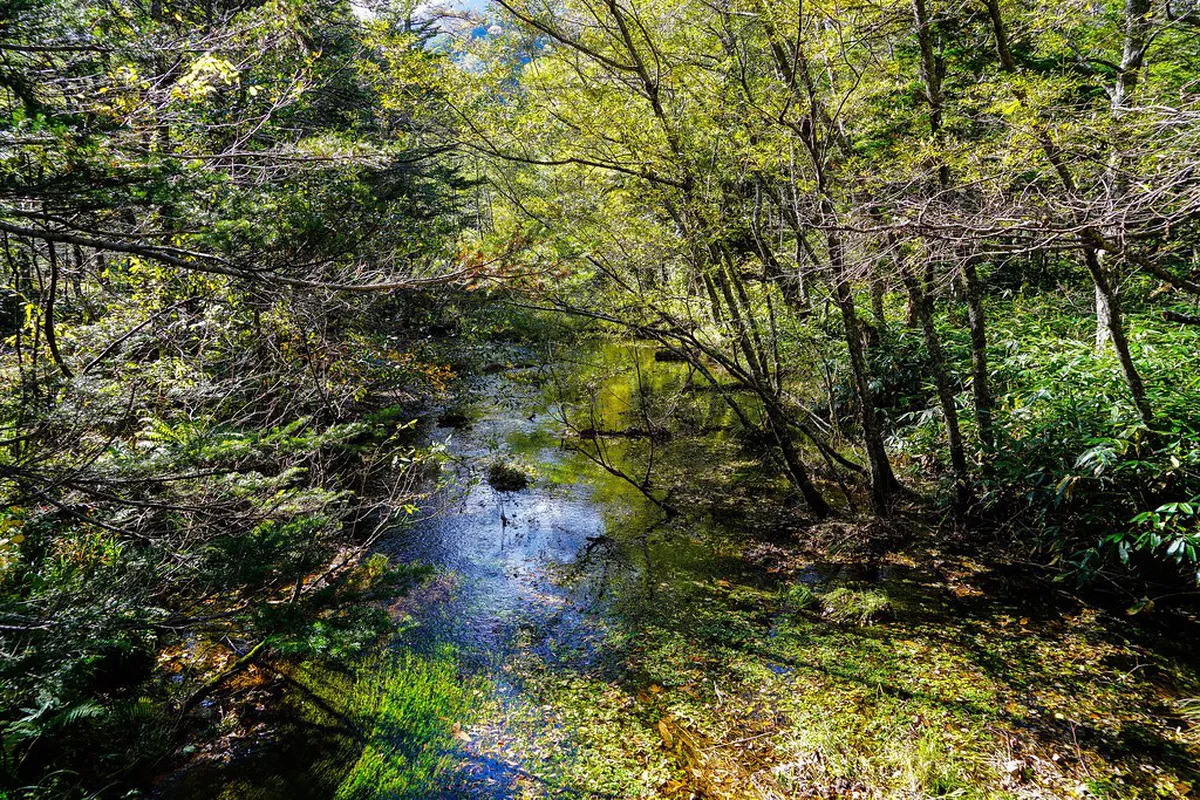
Taisho Pond forms the southern entry point of the valley and tells a dramatic geological story. Mt Yakedake erupted in 1915, effectively damming the Azusa River and creating this reflective body of water almost overnight. On still mornings, the snowcapped volcanic cone mirrors perfectly in the pond's surface — one of the most photographed scenes in the Japanese Alps. Full details on the best vantage points and walking time from the bus stop are in our Taisho Pond guide.
Myojin Pond lies roughly two kilometres upstream from Kappa Bridge and rewards visitors who push further up the valley. The pond sits within a sacred shrine precinct, and the still water reflects the peaks of the Myojin-dake range in stunning detail. A small entry fee of around 300 yen applies to enter the inner shrine area on the pond's far bank; confirm the current rate at the park's visitor centre. From Myojin Bridge back to Kappa Bridge takes approximately one hour at a relaxed pace.
The Kamikochi Visitor Center sits near Kappa Bridge and is an essential first stop for any visitor. Staff provide up-to-date trail conditions, wildlife alerts about macaque activity, and weather forecasts specific to the valley. Free maps and multilingual leaflets are available, and the centre's exhibits explain the ecology and conservation history of the national park. It opens daily during the season and closes when Kamikochi shuts in mid-November.
Hiking Trails for Every Ability Level
The most popular walk in Kamikochi follows the Azusa River from Taisho Pond all the way to Myojin Bridge — a largely flat route of roughly five kilometres one-way. The full loop from Taishoike Bus Stop to Kappa Bridge and up to Myojin Bridge, then back, takes around three to four hours at a comfortable pace. Trail surfaces are well-maintained boardwalks and gravel paths, making this accessible to most fitness levels and suitable for older visitors.
Beyond the valley floor, the park offers serious mountain routes for experienced hikers. Mt Oku-Hotakadake, at 3,190 metres, is the third highest peak in Japan and requires mountain hut reservations, crampons in early season, and a full day of ascent. Other peaks including Mt Yarigatake and Mt Jonen are multi-day undertakings best left to those with proper alpine experience. For more detail on planning your trail, see our Kamikochi hiking trails overview.
Day hikers should bring at least two litres of water, solid footwear, and a waterproof layer — afternoon thunderstorms develop quickly at altitude between July and August. The valley itself has no convenience stores, so pack lunch or plan around the handful of lodge restaurants along the trail. Reaching Myojin Bridge from Kappa Bridge takes approximately one hour; the return trip along the opposite bank adds variety without significant extra distance.
- Kappa Bridge to Myojin Bridge (easy)
- Distance is roughly 4 kilometres one-way along the flat valley floor.
- The path follows the Azusa River and passes through Japanese larch forest.
- Allow two to two-and-a-half hours for the round trip at a relaxed pace.
- Taisho Pond to Kappa Bridge (easy)
- This 3-kilometre stretch starts at the first bus stop inside the park.
- Tashiro Pond and river views are the main highlights along this section.
- The walk takes about 45 minutes and suits first-time visitors well.
- Dakesawa to Kara-sawa Cirque (hard)
- This demanding route gains significant elevation into the high alpine zone.
- Expect a full day of hiking with overnight stays at mountain huts required.
- Only attempt this trail with proper alpine gear and a clear weather forecast.
Wildlife and Nature in the Valley
Japanese macaques — also known as snow monkeys — live throughout the valley and treat the hiking trails as their own territory. Troops frequently gather near Kappa Bridge and along the riverbanks, lifting stones to forage and occasionally approaching visitors who carry food. The park employs dedicated monkey controllers whose job is to steer macaques away from the most crowded spots, but encounters remain common. Keep food sealed and never feed the monkeys; aggressive males will charge if they feel their troop is threatened.
Kamikochi is also a well-regarded birding destination, particularly for the Japanese bush warbler, whose distinctive call echoes across the valley from spring onwards. Other species seen regularly include the white wagtail, blue-and-white flycatcher, and several types of woodpecker in the forested sections upstream. Early morning, before the first buses arrive, offers the best birdwatching conditions with minimal human noise.
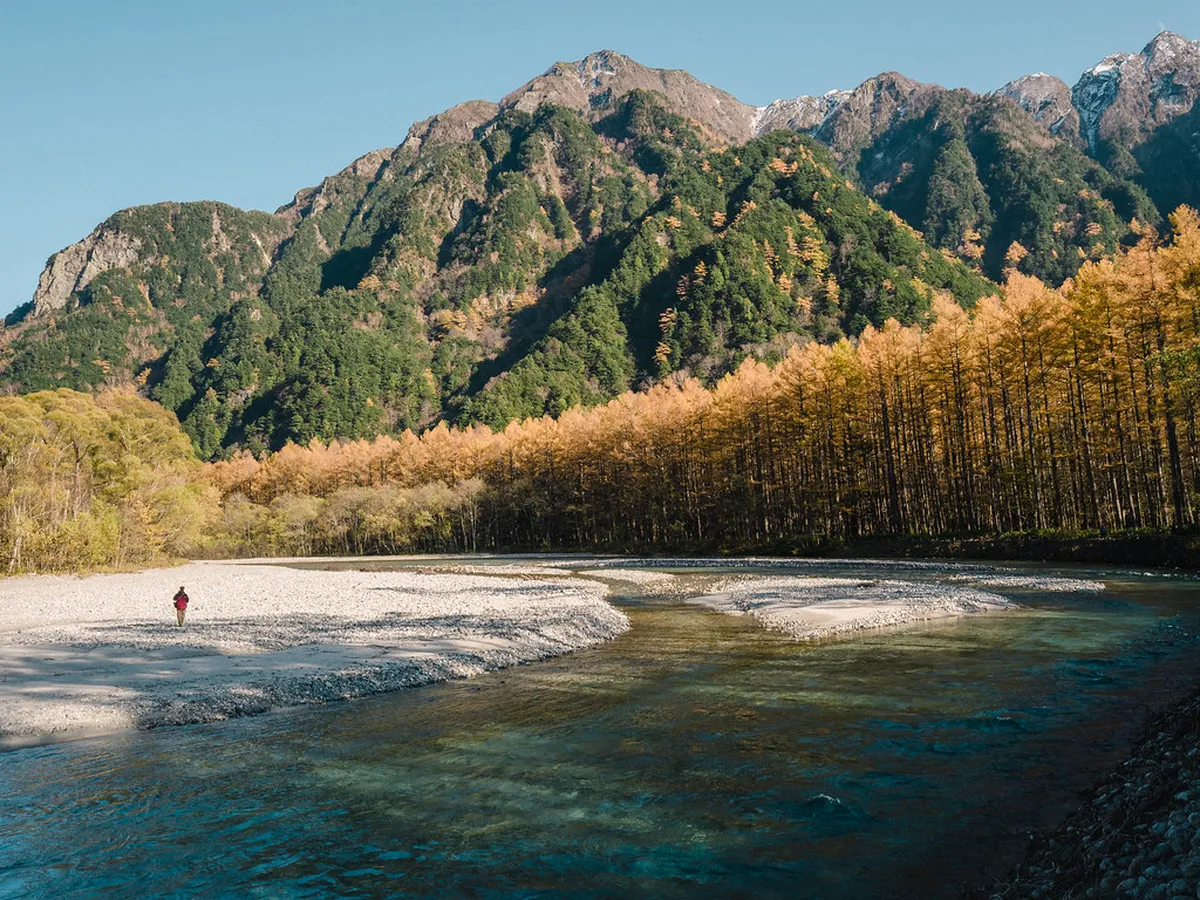
The autumn foliage season in October ranks among the finest colour displays in the Japanese Alps. Golden Japanese larch trees line the Azusa River, while the surrounding slopes turn deep red and orange as temperatures drop. Conservation has been a priority here for more than a century — logging was banned in 1875, alpine plant removal outlawed in 1909, and the area designated a protection forest in 1916. That long history of careful stewardship is visible in the valley's remarkable biodiversity.
Getting to Kamikochi by Bus
Private cars and motorcycles have been banned from Kamikochi since 1975, and that rule applies to all visitors without exception. If you drive, you must park at the designated lots in Sawando village (on the Matsumoto side) or near Hirayu (on the Takayama side) and transfer to a bus. Hybrid and electric buses have served the route since 1994, keeping both noise and emissions low inside the national park.
From Matsumoto, the most common approach is to take the Matsumoto Electric Railway to Shin-Shimashima Station, then board a direct bus to Kamikochi — the full journey takes about two hours. From Takayama, a direct express bus to Kamikochi runs seasonally and takes around one hour; buses also stop at Hirayu Onsen, where you transfer to a local shuttle. Both routes pass through spectacular mountain scenery and are reliable even during peak autumn weekends. Check the Kamikochi official tourism site for current bus timetables and any 2026 schedule changes.
Some bus operators on the Matsumoto route require purchasing a return ticket on arrival due to limited seats on the last buses of the day. Kamikochi has staffed luggage storage at the bus terminal, making it easy to stop here mid-journey between Matsumoto and Takayama without carrying heavy bags on the trails. Taxi access into the valley exists but is restricted and expensive; the vast majority of visitors arrive by bus.
Where to Stay in Kamikochi
Accommodation inside Kamikochi is strictly capped at 17 properties — a limit set in the 1970s to prevent overdevelopment — and no short-term rentals are permitted. Options range from the historic Kamikochi Imperial Hotel, opened in 1933, to mountain lodges and two basic campsites. Booking weeks or months in advance is essential during peak season in late September and October when foliage demand is at its highest.
The Kamikochi Imperial Hotel stands near Kappa Bridge and combines colonial-era architecture with modern comforts. Most rooms here include meals on a half-board basis — a standard arrangement at virtually all properties in the valley, since dining options outside the hotels are limited. Rates are at the premium end; expect to pay upwards of 40,000 yen per person per night during autumn peak.
Budget-minded visitors can stay at the Nishi-itoya Mountain Lodge, which offers both private rooms and hostel-style bunk accommodation close to the bus terminal. The Tokusawa Inn, founded in 1885, is one of the oldest and most atmospheric properties in the valley but requires a one- to two-hour hike with luggage from the bus stop. Overnight stays are genuinely worth the extra cost: by early evening, day-trippers clear out and the valley transforms into a far more peaceful place. Our full breakdown of lodging by price and location covers every property from the historic Imperial Hotel to campsite pitches.
Best Time to Visit Kamikochi
Kamikochi is open to visitors from approximately 27 April to 15 November each year; the valley closes completely in winter due to heavy snow and extreme cold. An elaborate Shinto opening ceremony, presided over by local priests, marks the start of the season each spring — and a corresponding closing ceremony gives thanks for nature at season's end. If you visit outside these dates, you will find the access roads gated and the entire valley deserted.
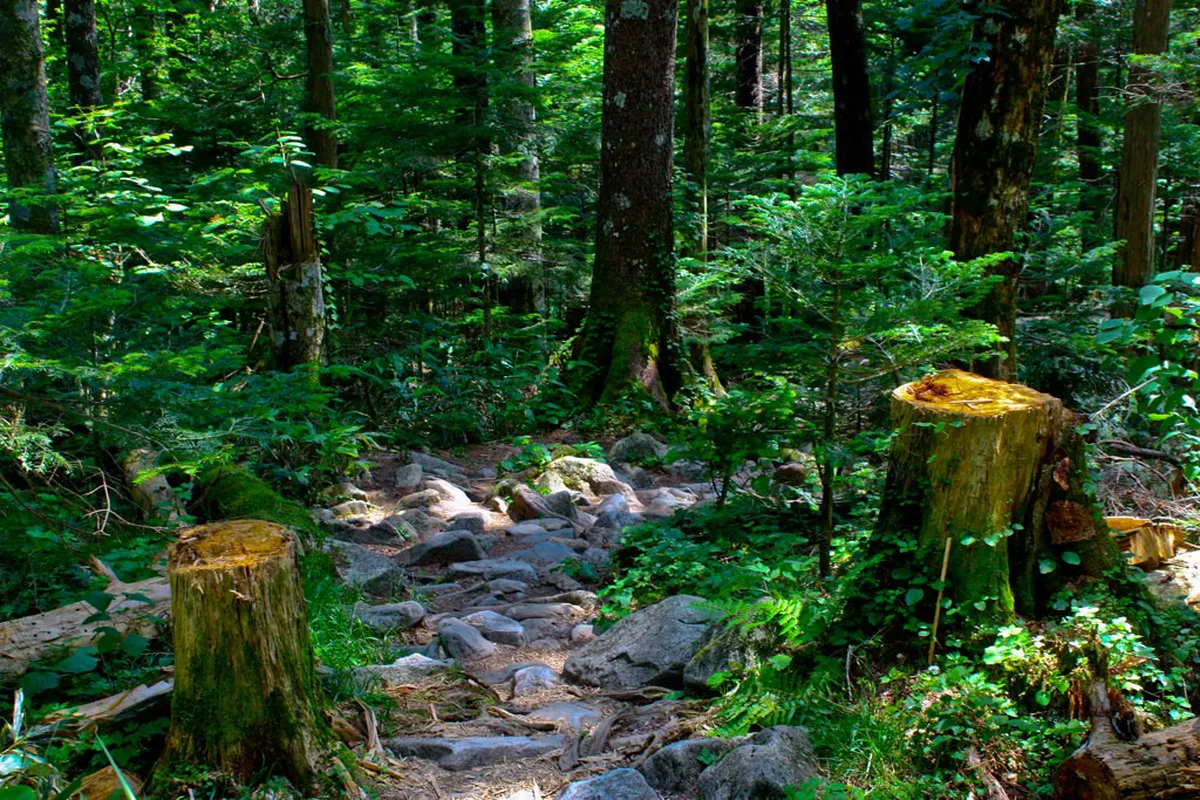
Late spring (late April to June) brings wildflowers — including dozens of alpine species — and streams swollen with snowmelt. Crowds are modest compared to summer and autumn, temperatures are comfortable, and the snowcapped peaks provide a dramatic contrast to the fresh green valley floor. This is a strong choice for those who prefer solitude over peak-season colour.
Summer (July to mid-August) draws the largest crowds, since Kamikochi's cool mountain air — typically 18–22°C at the valley floor — makes it a popular escape from the heat gripping most of Japan. Weekends become genuinely congested; arriving early on a weekday morning and staying overnight means you experience the valley at its most serene. Afternoon thunderstorms are common throughout summer, so carry a waterproof layer on all hikes.
Autumn (late September to late October) is widely considered the most spectacular season, when the larch trees and mountainside maple turn gold, orange, and red. Foliage typically peaks between 10 and 20 October, and accommodation sells out months in advance during this window. October also hosts a popular traditional boat festival on the Azusa River, adding a cultural dimension to the visit. Full seasonal planning advice, including opening dates for 2026, is in our Best Time To Visit Kamikochi Travel Guide guide.
Going deeper on this theme? Our 9 Best Places to Eat in Kamikochi guide covers it in detail, with the practical planning this page leaves out.
Frequently Asked Questions
Is Kamikochi a day trip from Tokyo?
Yes, but it is a long one. The fastest route from Tokyo takes about three hours: Shinkansen to Matsumoto on the Azusa limited express (roughly two-and-a-half hours from Shinjuku), then a bus to Kamikochi. A day trip is possible, though staying one or two nights is far more rewarding and lets you enjoy the valley after day-trippers leave.
Why is Kamikochi temporarily closed each year?
Kamikochi closes from mid-November to late April because heavy winter snowfall makes the access roads and valley floor impassable. The closure is total — no visitors enter during winter. Shinto ceremonies mark both the seasonal opening in late April and the closing in mid-November, which gives the transition a genuine cultural dimension.
Is Kamikochi worth visiting?
Kamikochi consistently ranks among Japan's most rewarding natural destinations. The car-free environment, alpine scenery, Japanese macaques, and well-maintained trails make it distinctive even for experienced Japan travellers. An overnight stay amplifies the experience considerably, since the valley quiets dramatically once day-trippers depart by late afternoon. See our Kamikochi accommodation guide for options at every price point.
Can you swim in Kamikochi?
Swimming is not recommended and is actively discouraged inside the national park. The Azusa River runs cold and fast, fed by glacial snowmelt, and currents can be dangerous even where the water looks calm. Wildlife protection rules also mean disturbing the riverbanks is best avoided. Visitors come to Kamikochi to walk and observe nature, not to swim.
What are the Kamikochi opening dates for 2026?
Kamikochi typically opens around 27 April each year with a traditional Shinto ceremony. The 2026 opening follows the same pattern, but exact dates can shift slightly depending on snow conditions. Check the official Kamikochi tourism website for confirmed 2026 dates and any schedule updates before you book your trip.
Kamikochi earns its reputation as the Japanese Alps' most accessible yet genuinely wild destination. The car-free policy, strict hotel cap, and century-long conservation history have preserved something rare: a high-mountain valley that sees over a million visitors a year but still feels unspoiled. Planning around the shoulder seasons, booking accommodation early, and arriving before the morning buses delivers an experience that many visitors describe as the highlight of a trip to Japan.
Whether you come for the flat riverside walk to Myojin Pond, the dramatic reflection of Mt Yakedake in Taisho Pond, or simply the cool mountain air and birdsong, the valley rewards those who take their time. Use our linked guides on trails, landmarks, and seasonal timing to build the Kamikochi itinerary that fits your trip. Visit Japan Activity for more planning resources covering the wider Japanese Alps region.
Explore More Kamikochi Guides
In-depth guides for planning your Kamikochi trip.
Browse the Kamikochi attractions hub for detailed visitor guides:
Free guide: Japan's Hidden Gems
12 under-the-radar places beyond Tokyo & Kyoto — with the best season to visit each and a local tip you won't find in the guidebooks.
You might also like


Continue reading
More guides you'll find useful


