Myojin Pond is one of the most rewarding destinations in Kamikochi. A 60-minute flat walk upriver from Kappa Bridge, it sits at the heart of the North Trail Loop and shelters the inner shrine of the revered Hotaka Shrine. The entrance fee is ¥500 per adult.
This guide covers the full hiking route, the two key attractions at the pond, the best seasons to visit, and practical logistics from Matsumoto and Takayama. Use it to plan a half-day loop that most visitors rate as the highlight of their Kamikochi trip in 2026.
Introduction to Myojin Pond
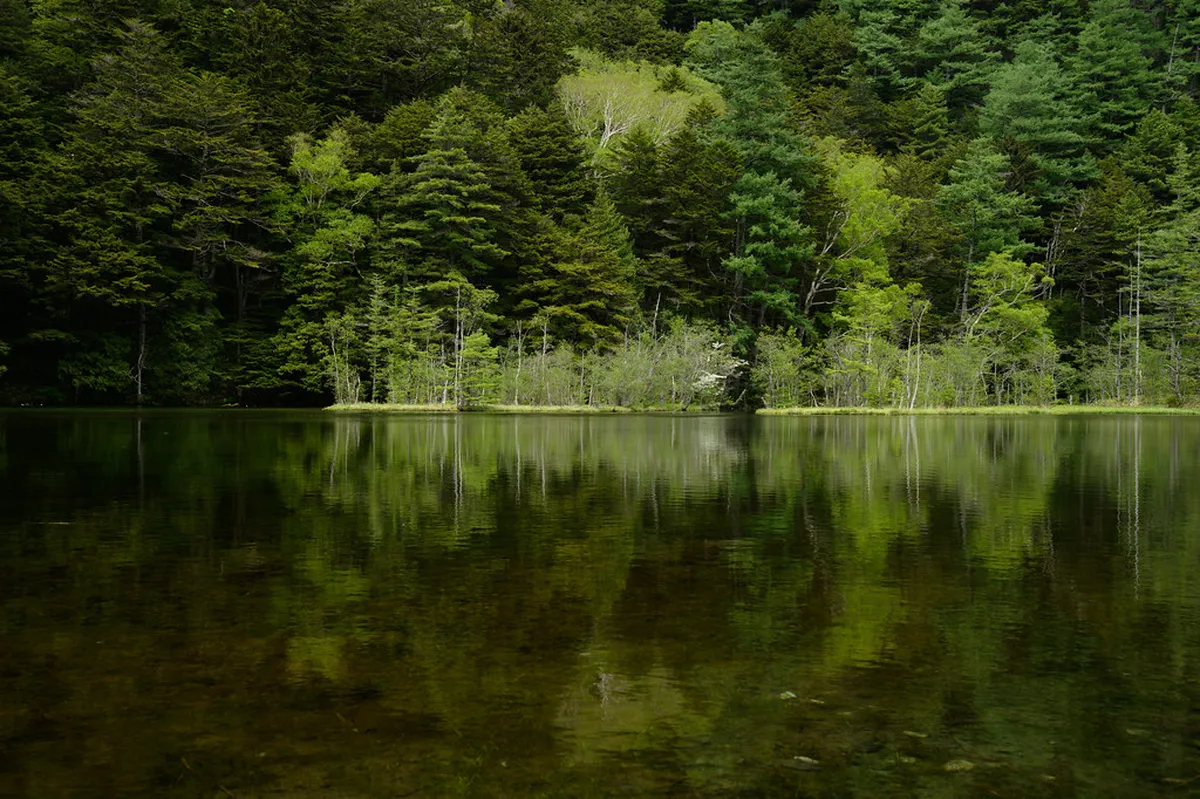
Myojin Pond (明神池) lies in the upper Azusa River valley, roughly 2.5 km northeast of Kappa Bridge. The water is crystal-clear and fed by underground springs rising from the foot of Myojindake (Mt. Myojin, 2,931 m). Because the spring water emerges at a relatively constant temperature, the pond rarely freezes completely even in the depths of winter — a remarkable quality in a valley that sees heavy snowfall each year.
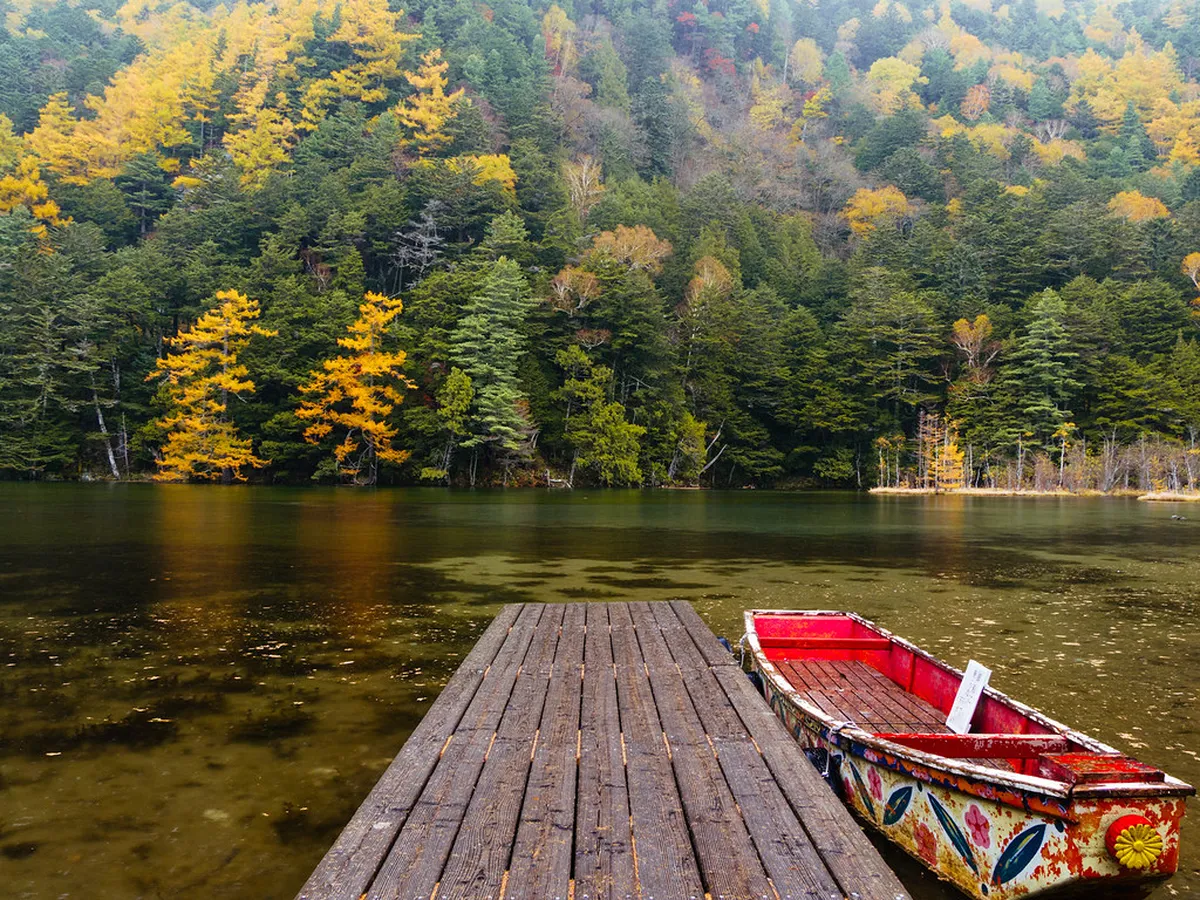
The pond is divided into two basins. The outer basin is visible from the entrance path and free to observe from outside. The inner basin, enclosed within the grounds of Hotaka Shrine Okumiya, requires the ¥500 admission and offers far more intimate views of the still water and surrounding peaks. Most visitors agree the inner basin is the reason to come.
The site sits at around 1,520 m elevation, within the Chubusangaku National Park. Private cars are banned from the valley, which keeps the trails and the pond remarkably quiet compared to the crowds at Kappa Bridge.
Getting to Myojin Pond: Transportation Guide
All access to Kamikochi is by bus or on foot. From Matsumoto, the easiest option is a direct Alpico bus from Matsumoto Bus Terminal to Kamikochi Bus Terminal. A round trip costs approximately ¥4,550 and takes about 1.5 hours each way. Alternatively, take the Matsumoto Dentetsu train from Matsumoto Station to Shin-Shimashima Station (30 min, ¥700), then transfer to a bus for Kamikochi — cost and journey time are similar to the direct bus.
From Tokyo, take the Hokuriku Shinkansen or Azusa limited express to Matsumoto (roughly 2.5 hours), then connect as above. Travelers from Osaka or Kyoto can take a direct highway bus, which costs around ¥10,200 round trip and takes up to 7 hours each way. From Takayama, take a Nohi Bus to Hirayu Onsen (1 hour), then transfer to a Kamikochi-bound bus (25 minutes). A Takayama round-trip bus ticket costs around ¥5,040.
If you drive, parking is available at Sawando or Hirayu for ¥600 per day. From either lot, a shuttle bus reaches Kamikochi Bus Terminal in 20–30 minutes. Once you arrive at the bus terminal, Myojin Pond is reached entirely on foot via the North Trail Loop — no additional transport needed.
The North Trail Loop: Route and Hiking Details
The standard loop from Kappa Bridge to Myojin Pond and back covers approximately 5–6 km and takes around 3 hours at a relaxed pace with photo stops. The terrain is almost entirely flat, making it accessible to most fitness levels. Some sections cross wooden boardwalks through marshy areas, so waterproof shoes are useful after rain.
The recommended direction is to walk north on the west bank of the Azusa River, cross Myojin Bridge at the pond, and return on the quieter east bank. The west bank trail passes through open riverside sections with mountain views and reaches Dakesawa Marsh about 15 minutes from Kappa Bridge. The east bank return is more forested and noticeably less crowded — it is the better choice for anyone wanting solitude.
The one-way walk from Kappa Bridge to Myojin Pond takes roughly 60 minutes at a comfortable pace. Starting early — by 08:00 — gives you softer morning light at the pond and a quieter shrine before tour groups arrive. If you begin after 10:00, especially on autumn weekends, the trail to the pond can feel busy.
- Distance: approximately 5–6 km round trip
- Duration: 2.5–3 hours including the shrine visit
- Elevation gain: minimal (valley floor, mostly flat)
- Terrain: gravel path, some wooden boardwalks over marshy ground
- Pack: water, snacks, layers, rain gear, waterproof footwear recommended
Hotaka Shrine Okumiya (穗髙神社 奥宮): History and Significance
Hotaka Shrine Okumiya is the inner shrine (奥宮) of Hotaka Jinja, one of the most important shrines in the Japanese Alps. The main shrine sits in Azumino city, but this inner precinct — set directly beside Myojin Pond — is considered the true spiritual heart of the complex. The shrine is dedicated to Hodaka no Mikoto, the deity credited with the founding of the Japanese nation, and is deeply venerated by mountaineers who climb the surrounding Hotaka peaks.
The grounds enclose the inner basin of the pond. A small wooden pier extends over the water toward a stone altar. The stillness here — broken only by wind in the trees and the occasional ripple — makes it one of the most atmospheric religious sites in Nagano Prefecture.
Each year on October 8th, the shrine hosts the Ofune Matsuri (Boat Festival). Small decorated boats are floated across the inner pond in a ceremony that dates back centuries. If your visit falls on this date, arrive early: the ceremony draws large crowds and the pond area fills quickly. The ¥500 entrance fee applies on festival day as on any other visit.
Myojin Bridge: Crossing Points and Photography
Myojin Bridge (明神橋) is a narrow wooden suspension bridge that connects the west bank trail to the shrine and pond entrance on the east bank. Crossing it marks the transition point in the loop — you walk north on the west bank, cross here, visit the shrine and pond, and return south on the east bank.
The bridge itself is a superb photography spot. Looking upstream from the bridge, you see the Azusa River winding between forested banks with the Hotaka ridgeline visible above. Looking downstream, the river opens toward Kappa Bridge with the Alps framing the background. The best light for photography is mid-morning when the sun has cleared the eastern ridge but is still relatively low. Avoid midday in summer when harsh overhead light flattens the mountains.
Just past the bridge, before the shrine entrance, a cluster of small shops and a rest house sell drinks, snacks, and light meals. This is a practical stop for anyone who started hiking before breakfast. The Myojin-kan lodge adjacent to the shrine also serves lunch and rents simple overnight rooms — making it possible to spend a night beside the pond if you want to experience the valley at dusk and dawn without commuting from a hotel near Kappa Bridge.
Best Time to Visit Myojin Pond (Seasonal Guide)
Kamikochi is open from mid-April to mid-November. Outside these dates, the road is closed and access is impossible for general visitors. For Myojin Pond specifically, each season within the open window offers something distinct.
Late April to May brings the season opening with fresh greenery, snowmelt-swollen rivers, and fewer tourists than summer. Temperatures are cool (5–12°C), ideal for hiking. The Hotaka peaks may still carry snow, which creates striking reflections in the pond on calm mornings.
June to August is peak season. The valley is lush and green, wildflowers are abundant, and the weather is warm enough for light clothing on the trail. Crowds are heaviest in late July and August. Starting before 08:00 makes a significant difference to the atmosphere at the shrine.
September to October is the most popular window and arguably the most spectacular. Autumn foliage peaks in mid-October, turning the valley sides orange and crimson. The Ofune Matsuri on October 8th adds a cultural layer. Taisho Pond and Myojin Pond together make an excellent full-day Kamikochi itinerary during this period.
Early November sees the crowds thin dramatically before the seasonal closure. The foliage is past peak but the silence and low-angle winter light can be genuinely beautiful. Check the Kamikochi Official Site for exact opening and closing dates each year, as they vary slightly with snowfall.
Practical Tips for Your Myojin Pond Visit
The entrance fee to the Hotaka Shrine Okumiya grounds — which gives access to the inner pond basin — is ¥500 per adult. Pay at the gate just past the small shop cluster near Myojin Bridge. Cash is essential; card payments are not available at the shrine entrance. The outer pond area is visible for free from the path but the view is limited compared to what you see inside the grounds.
Facilities at Myojin Pond are limited. There is a small rest house with toilets near the bridge. The Myojin-kan lodge offers food and overnight accommodation, but bookings fill quickly for autumn foliage season — reserve well in advance if you plan to stay. Back at Kappa Bridge, there are several restaurants, shops, and larger hotel facilities if you need a more complete meal after the hike.
Kamikochi is a national park. Carry out all rubbish. Feeding wildlife — including deer and monkeys that sometimes appear on the trail — is prohibited. Mountain weather can shift rapidly; a lightweight rain jacket is worth carrying even on clear days. Phone signal is unreliable in parts of the valley, so download the trail map from the Kamikochi Official Site before you set out.
Frequently Asked Questions
How do I get to Myojin Pond?
You first need to reach Kamikochi by bus, as private cars are restricted. From Kamikochi Bus Terminal, Myojin Pond is an approximately one-hour hike. The trail is well-marked and relatively flat.
How long does it take to hike to Myojin Pond?
A one-way hike from Kappa Bridge to Myojin Pond typically takes about an hour. If you do the full North Trail Loop, expect it to take around 2-3 hours at a leisurely pace. This includes time for photos.
Is there an entrance fee for Myojin Pond?
Yes, there is a 300 yen admission fee to access the area around Myojin Pond and Hotaka Shrine Okumiya. This fee helps with the upkeep and preservation of the sacred site. Have cash available for payment.
What is the best time of year to visit Myojin Pond?
The best time to visit Myojin Pond is during spring (May-June) for fresh greenery or autumn (September-October) for stunning fall foliage. The park is generally open from late April to mid-November. Always check the Kamikochi Official Site for exact opening dates.
What can I see at Hotaka Shrine?
At Hotaka Shrine Okumiya, you can see traditional shrine architecture and experience a serene spiritual atmosphere. The shrine is dedicated to mountain deities. If visiting on October 8th, you can witness the unique Ofune Matsuri (Boat Festival).
Myojin Pond rewards the hour's walk from Kappa Bridge with a combination of scenery and atmosphere that few spots in Kamikochi can match. The unfrozen inner basin, the mountain reflections, and the stillness of the shrine grounds make it an easy candidate for the best hour you'll spend in the Northern Japan Alps.
Plan for an early start, carry ¥500 in cash for the shrine entrance, and follow the loop — west bank out, east bank back — for the most varied experience. If autumn foliage timing aligns, the Ofune Matsuri on October 8th turns a great half-day hike into a rare cultural event.
For official details, visit the Myojin Pond on Wikipedia and Myojin Pond official site.