

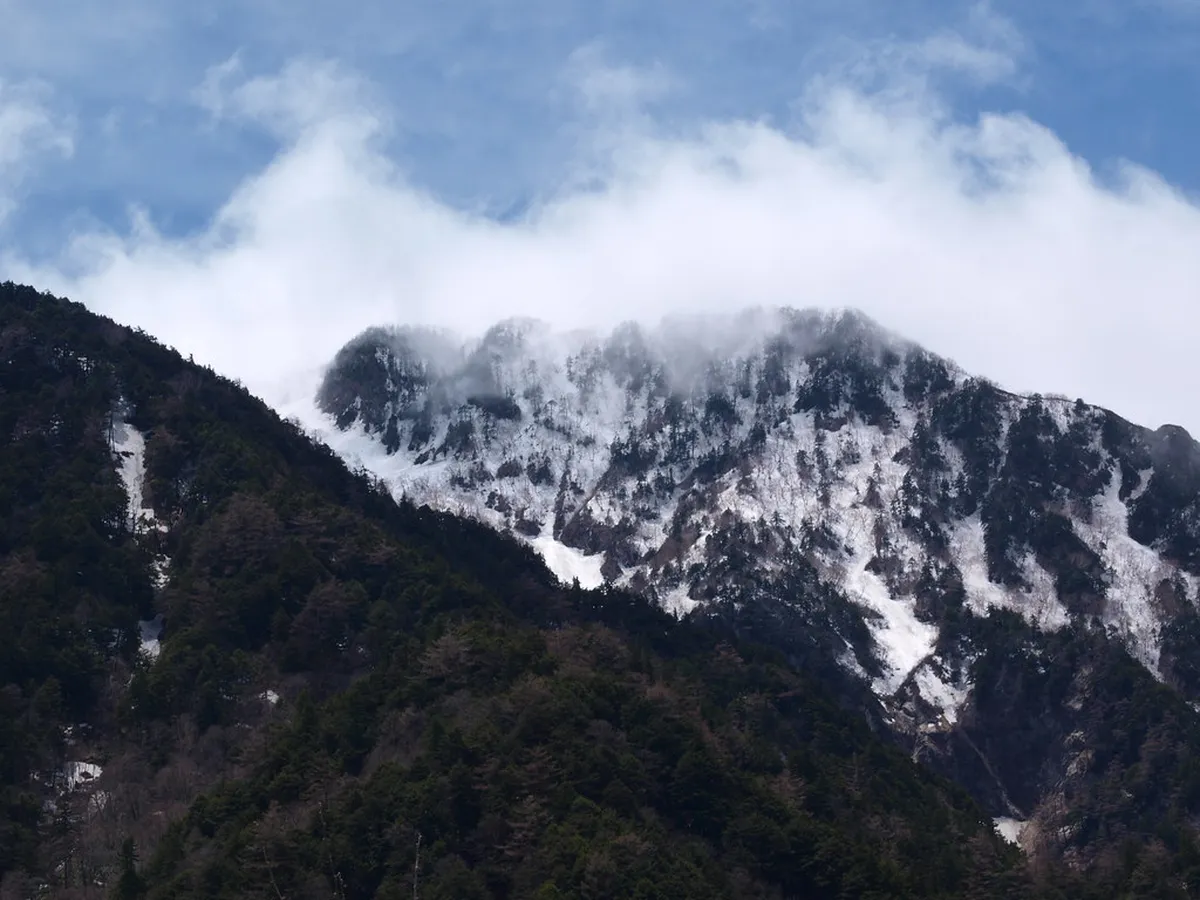
The Weston Monument in Kamikochi is a small bronze relief plaque that carries enormous historical weight. It honours Walter Weston, the British missionary and mountaineer who introduced the Japan Alps to the Western world in the late Meiji era. Standing beside the Azusa River with the jagged Rokuban and Kasumisawa ridgelines behind it, the plaque is free to visit and accessible to anyone entering Kamikochi.
Visitors often underestimate how moving the spot is. Weston did not merely climb the mountains — he transformed how the Japanese thought about their own peaks, shifting mountaineering from a religious pilgrimage to a leisure pursuit. The monument marks that cultural turning point. It takes only a few minutes to reach from the bus terminal, yet it rewards a longer pause.
Who Was Walter Weston?
Walter Weston (1861–1940) was an English Anglican missionary posted to Japan three times between 1888 and 1915. During his first posting he quickly discovered the Northern Alps around Matsumoto and began climbing peaks that few Westerners had ever attempted. His ascents of Yarigatake, Hotakadake, and Norikuradake were accomplished with local guides and in conditions that would challenge well-equipped modern climbers.
In 1896 he published Mountaineering and Exploration in the Japanese Alps, a book that made Kamikochi famous beyond Japan's borders. He described the valley in vivid terms — the clarity of the Azusa River, the symmetry of the peaks, the isolation of the high cols. The book ran through multiple editions and is still referenced by historians of Japanese mountaineering.
Weston's deeper legacy was social. He helped found the Japan Alpine Club in 1905, the country's first mountaineering society, and championed the idea that ordinary people should climb for pleasure. Before his influence, most ascents were made by itinerant priests seeking spiritual merit. He reframed the mountains as places of recreation, and that shift reshaped Japanese outdoor culture through the twentieth century.
The Monument and Weston Park
The Japan Alpine Club erected the bronze relief in 1937, a few years before Weston's death, to mark his contribution to Japanese mountaineering. The plaque shows Weston's bearded profile in bas-relief and is set into a large riverside boulder. A small explanatory board in Japanese and English stands nearby.
Immediately around the monument is Weston Enchi (Weston Park), a low-key riverside plaza where benches face the Rokuban range. The spot offers an unobstructed view across the river toward the steep ridgelines that Weston himself climbed. It is one of the calmer sections of the otherwise busy Kamikochi riverbank and makes a natural rest stop between Kappa Bridge and the bus terminal.
The park is at its most photogenic in mid-October when the larch trees along the riverbank turn gold. The contrast between yellow foliage, the grey boulder carrying the plaque, and the snow-dusted peaks behind is one of Kamikochi's classic autumn compositions. In early summer the fresh green canopy creates an equally striking frame.
The Annual Weston Festival
Every year on the first Sunday of June, the Japan Alpine Club and local mountaineering groups gather at the monument for the Weston Festival (Weston-sai). The ceremony opens the official mountain-climbing season in Kamikochi and includes speeches, wreath-laying at the plaque, and performances of traditional mountain songs.
The festival is open to the public and draws a mix of climbing clubs, local dignitaries, and curious visitors. It is a rare chance to see the monument as a living part of Japanese mountain culture rather than a static historical marker. In 2026 the festival falls on Sunday 7 June — the date typically coincides with the full reopening of higher trails after winter snowpack has retreated.
If you plan your Kamikochi visit around early June, arriving the evening before allows you to see the valley when overnight lodgers have it largely to themselves, then join the morning ceremony at the monument before the day-tripper buses arrive. The atmosphere at that hour — mist on the river, peaks slowly illuminated — is exactly what Weston described in his 1896 book.
How to Reach the Weston Monument
The monument sits on the left bank of the Azusa River, roughly a five-minute walk west of the Kamikochi bus terminal. From the terminal, follow the main riverside path downstream (away from Kappa Bridge). The boulder and plaque are visible from the path on the river side. There are no entry fees and no gates — the path is open during all daylight hours throughout Kamikochi's open season (mid-April to mid-November).
Getting to Kamikochi itself requires using public transport or a taxi, since private cars are banned beyond the Kama Tunnel toll gate. From Matsumoto the standard route is the Matsumoto Electric Railway (Alpico line) to Shin-Shimashima Station, then an Alpico bus to Kamikochi — total journey approximately 1 hour 40 minutes. From Takayama, direct seasonal buses run to Kamikochi in around 1 hour 15 minutes. Both routes operate from late April through mid-November, with reduced frequency in shoulder months.
Visitors with limited mobility can reach the monument without difficulty. The riverside path from the bus terminal to the monument is flat, paved, and wide enough for wheelchairs. The monument boulder itself sits slightly off the main path on a compacted gravel surface. No steps or steep grades are involved on this specific stretch.
Combining the Monument with the Kamikochi Riverside Walk
The Weston Monument works best as part of a broader riverside itinerary rather than a standalone stop. A comfortable half-day loop from the bus terminal runs: terminal → Weston Monument (5 min) → Kappa Bridge (15 min) → upstream along the left bank toward Myojin Pond (60–90 min one way) → return via the right bank → terminal. The total flat walk covers around 8 km and takes 3–4 hours at a relaxed pace.
For a shorter visit focused on the lower valley, the stretch between the bus terminal and Kappa Bridge takes roughly 45 minutes out and back, with the monument and Dakesawa Marsh as two natural pauses along the way. This works well for visitors arriving on afternoon buses or those with limited time.
Early morning visits — before 08:00 — offer the quietest conditions at the monument. Overnight guests at Kamikochi's lodges and hotels have the riverbank almost to themselves at that hour, whereas the path becomes congested from around 10:00 when day buses start arriving from Matsumoto and Takayama.
Weston's Local Guide Kamonji Kamijō — The Untold Story
Most accounts of Weston focus on the Englishman himself, but his climbs depended heavily on Kamonji Kamijō, a Matsumoto-area hunter and guide who accompanied him on the most demanding ascents including Yarigatake. Kamijō's intimate knowledge of approach routes, weather patterns, and safe bivouac spots made the climbs possible. Weston acknowledged this in his book but the guide remained little-known outside specialist mountaineering circles.
Standing at the monument with that background in mind changes how you read the plaque. The relief honours the man who gave Kamikochi its global reputation, but the valley's climbing culture was already encoded in the knowledge of local guides long before Weston arrived. The Japan Alpine Club has occasionally organised events recognising Kamijō's contribution, and a small interpretive display at the Kamikochi Visitor Centre — about 10 minutes' walk from the monument — covers this history in more detail.
Frequently Asked Questions
How much does Weston Monument cost?
Entry is free. The Weston Monument is an outdoor plaque on the Kamikochi riverside path and has no admission charge. The main cost involved in visiting is the bus fare to reach Kamikochi, since private vehicles are not permitted beyond the Kama Tunnel.
What are the opening hours of Weston Monument?
The monument is accessible at any time during Kamikochi's open season (mid-April to mid-November). The path leading to it is open throughout daylight hours. Outside of this seasonal window the entire valley is closed due to snow and road conditions.
How do I get to Weston Monument?
Private cars are banned beyond the Kama Tunnel toll gate, so all visitors use public buses or taxis. From Matsumoto take the Alpico Electric Railway to Shin-Shimashima Station, then an Alpico bus to Kamikochi (total approx. 1 hour 40 minutes). From Takayama, direct seasonal buses run in around 1 hour 15 minutes. The monument is a five-minute walk west of the Kamikochi bus terminal along the riverside path.
Is Weston Monument worth visiting?
Yes, particularly for anyone interested in Japanese mountaineering history or the cultural history of the Alps. The plaque honours Walter Weston, the British missionary who popularised recreational climbing in Japan and brought global attention to Kamikochi through his 1896 book. The surrounding Weston Park also offers one of the best unobstructed views of the Rokuban ridgeline, making it a rewarding stop beyond its historical significance.
The Weston Monument is easy to walk past without stopping — it is a small plaque on a boulder, not a grand structure. But the history embedded in it shaped the entire character of Kamikochi as a destination. Walter Weston gave the valley its international identity, and the Japan Alpine Club, which he helped found, ensured that recreational mountaineering became a mainstream part of Japanese life.
Spend a few minutes here before continuing along the river toward Kappa Bridge or Taisho Pond. If you are visiting in early June, time your trip around the Weston Festival on the first Sunday of the month. Either way, the monument is a five-minute detour that pays for itself in context for everything else you see in the valley in 2026.
For official details, visit the Weston Monument on Wikipedia and Weston Monument official site.