

Kappa Bridge Kamikochi Travel Guide
Plan your kappa bridge kamikochi visit with timing tips, trail distances, transport options, and practical advice for a rewarding Alpine day trip.
On this page
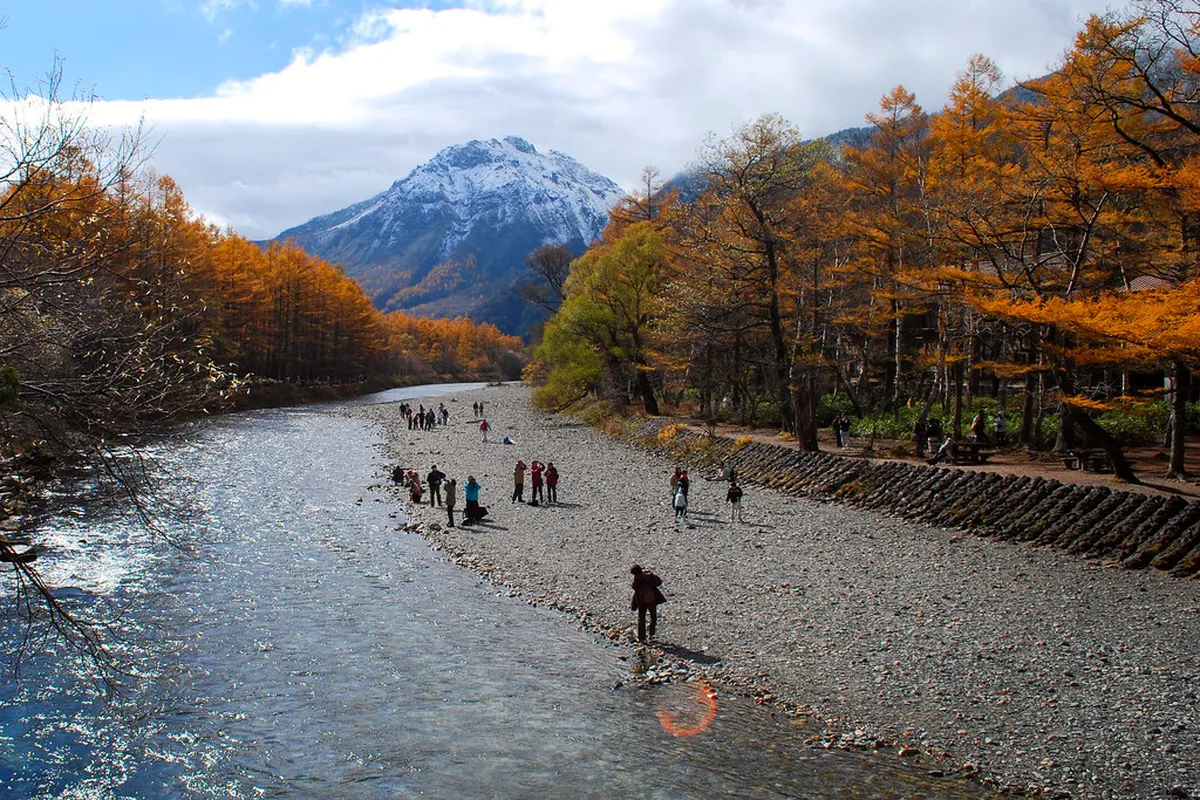
Kappa Bridge is the symbolic heart of Kamikochi — a wooden suspension bridge across the crystal-clear Azusa River at 1,500 metres above sea level. From the deck, visitors look north to the Hotaka Range and south to the smoking cone of Mount Yake. Few mountain panoramas in Japan pack this much drama into a single viewpoint.
Kamikochi sits inside Chubu-Sangaku National Park, designated a Special Place of Scenic Beauty and a Special Natural Monument. Private cars are banned from the valley, keeping the air quiet and trails far less crowded than most day-trip destinations. The open season runs from mid-April to mid-November, so timing your visit matters as much as knowing what to see.
What Is Kappa Bridge?
Kappa Bridge (河童橋, Kappa-bashi) is a wooden suspension bridge roughly 36 metres long, spanning the Azusa River at the centre of Kamikochi. The structure standing today is the fifth generation, rebuilt repeatedly to handle heavy seasonal foot traffic. It sits right beside the bus terminal, so it is the first landmark almost every visitor sees on arrival.
The name comes from the kappa, a water spirit from Japanese folklore with webbed hands, a turtle shell, and a dish-shaped head. Local stories once placed these creatures in the Azusa River, and the name carried through each successive rebuilding. Kappa-themed souvenirs crowd the nearby shops, making the folklore tangible for younger visitors.
Standing on the bridge, the view north frames Okuhotaka-dake at 3,190 metres and the south frames active Mount Yake at 2,455 metres. Small cafes, souvenir shops, and the Kamikochi Visitor Center all cluster within a few minutes' walk. Even on busy Golden Week weekends the open mountain backdrop prevents the area from feeling cramped.
Exploring the Area Around the Bridge
Two classic trails branch from Kappa Bridge, and together they cover the best scenery in the valley. Walking south toward Taisho Pond is a flat 3.5-kilometre path taking roughly 60 to 70 minutes. The route follows the Azusa River and suits beginners and families with young children equally well.
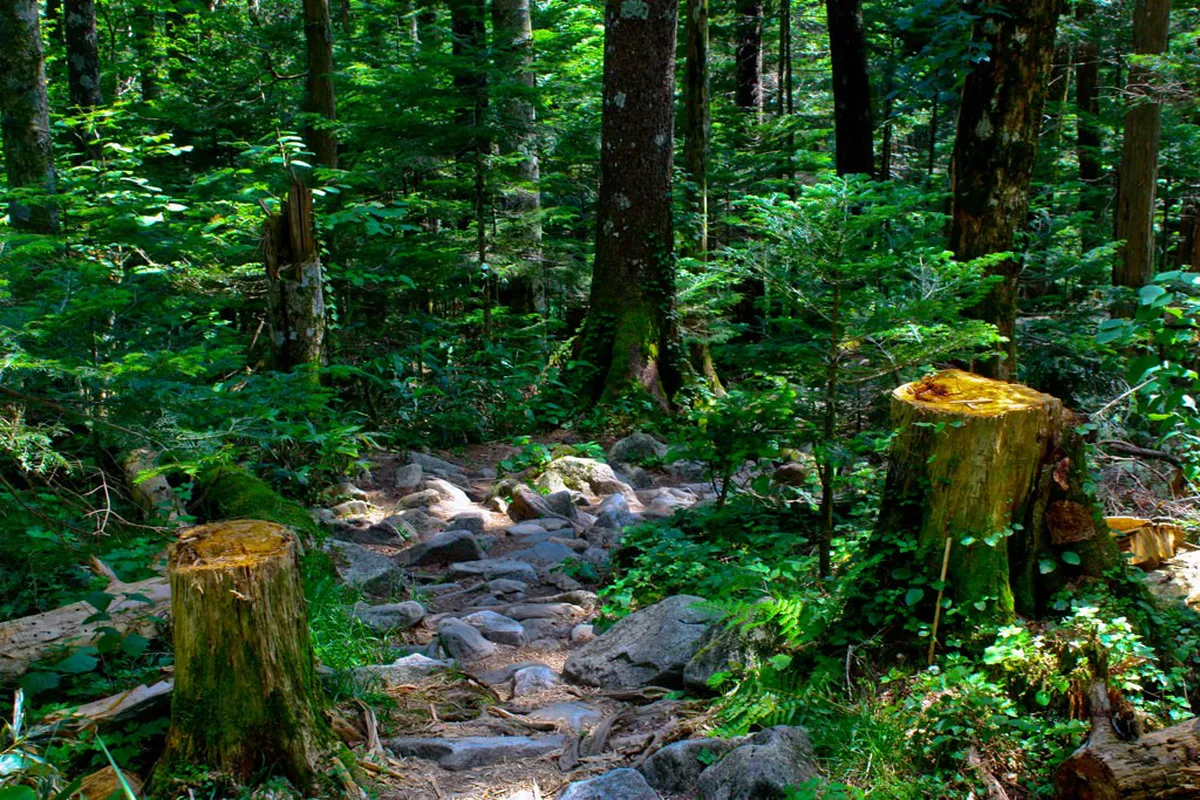
Heading north toward Myojin Pond takes around two hours for the full round trip. The trail runs along the right bank through primeval forest with minimal elevation gain and clear signage. At Myojin Pond the Hotaka Shrine Inner Sanctuary charges 500 yen and rewards visitors with mirror-still reflections.
Sunrise is the best time to stand on the bridge, when soft light falls on the peaks before crowds arrive. For those with roughly 3.5 hours, walking from Taisho Pond to Myojin Bridge and back covers the valley's highlights. A riverside cafe near the bridge serves coffee and Shinshu sweets — a natural mid-walk rest stop.
Top Things to See in Kamikochi
Taisho Pond formed in 1915 when a debris flow from Mount Yake dammed the Azusa River. Sunken tree stumps rise from the water, and early morning mist with the Hotaka peaks reflected below draws photographers. Arriving at the pond first and walking north to Kappa Bridge is the most logical route for bus visitors.
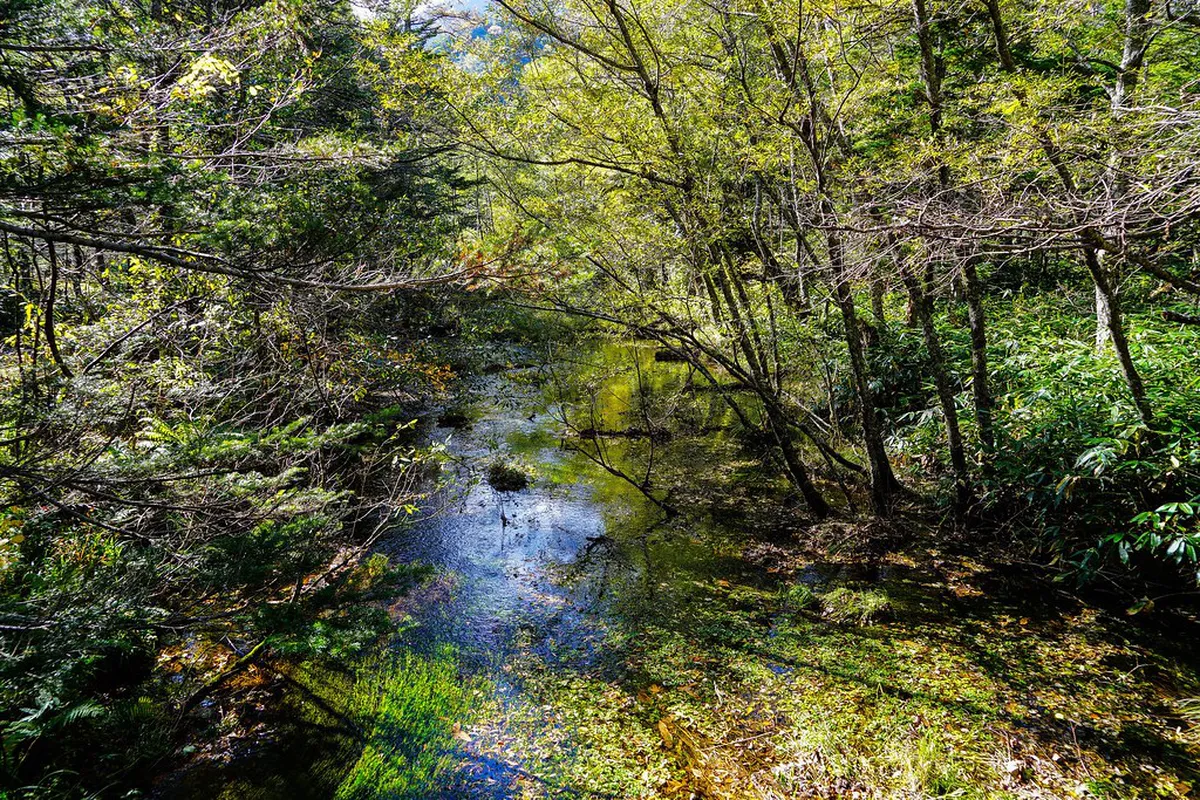
Myojin Pond divides into two basins — Ichino-ike and Nino-ike — within the Hotaka Shrine Inner Sanctuary grounds. The water clarity is exceptional, and the surrounding forest reflects on the surface in every season. Carry 500 yen in cash for admission, and allow 30 minutes inside after the 60-minute walk from the bridge.
The Kamikochi Hiking Trails Travel Guide range from the flat riverside boardwalk to multi-day alpine climbs in the Hotaka peaks. Right-bank paths wind through old-growth forest while left-bank paths open up river panoramas. Combining the left-bank route south and the right-bank return north creates a satisfying half-day loop.
- Taisho Pond
- A volcanic-eruption lake 3.5 km south of Kappa Bridge, famous for its sunken ghost trees.
- The 60-to-70-minute walk from the pond to the bridge suits all fitness levels comfortably.
- Morning mist and mountain reflections reward early arrival before tour groups reach the shore.
- Myojin Pond
- A sacred two-basin pond within Hotaka Shrine's Inner Sanctuary, roughly 60 minutes north of the bridge.
- Admission is 500 yen for adults, covering entry to the shrine grounds and the pond viewpoint.
- The Myojin Pond trail follows the Azusa River through old-growth forest with minimal elevation gain.
- Hotaka Shrine Inner Sanctuary
- A mountain shrine beside Myojin Pond dedicated to the safety of climbers in the Northern Alps.
- The Hodaka Shrine Okumiya is the secluded inner sanctum set among tall pines at the pond's edge.
- Combining the shrine with the Myojin loop adds about 30 extra minutes to the trail time.
- Azusa River Riverside Trails
- Boardwalk and gravel paths run along both banks between Taisho Pond and Myojin Bridge.
- Right-bank trails wind through primeval forest while left-bank paths offer open mountain views.
- Seasonal wildflowers and birdsong keep the walk engaging even between the named landmarks.
Best Time to Visit Kamikochi
Kamikochi opens in mid-April and closes in mid-November, giving visitors about seven months each year. Spring arrivals in late April and May catch lingering snowfields contrasting with fresh green shoots along the riverbanks. Temperatures can dip below 5 C at night in early spring, so packing an insulating layer is essential.
Summer from June through August keeps the valley cooler than lowland cities, often around 20 C during the day. Obon in mid-August is the busiest period — buses and lodges fill fast, so booking well ahead is strongly advised. Long daylight hours make summer ideal for full-day hikes into the upper Hotaka trails.
Autumn from late September to mid-October turns larch trees gold and rowan (nanakamado) scarlet across the valley. Foliage crowds rival summer, so weekday mornings or overnight stays deliver a noticeably quieter experience. Check the Best Time To Visit Kamikochi Travel Guide before you travel, since peak leaf colour can shift a week or two between years.
How to Get to Kamikochi
Private cars cannot enter Kamikochi, so all visitors arrive by bus or taxi from parking lots or rail stations. From JR Matsumoto Station, take the Alpico Kotsu Kamikochi Line to Shin-Shimashima (30 min), then a direct bus to Kamikochi Bus Terminal (65 min). The full journey from Matsumoto takes about two hours, so factor this into your day.
Drivers park at Sawando on the Nagano side (800 yen/day) or at Akandana near Hirayu Onsen on the Gifu side (600 yen/day). Shuttle buses and taxis link either lot to the terminal in under 30 minutes. Tour groups from Ogisawa Station typically depart at 7:30 am and reach the valley in roughly 50 minutes.
After the valley, consider extending the trip to Okuhida Onsen-go, five hot-spring villages on the Gifu side of the mountains. Open-air baths (rotenburo) with cedar forest views make a satisfying contrast to the busy valley trails. Most ryokan and guesthouses here include dinner and breakfast in the room rate.
Practical Tips for Your Visit
Even in midsummer, temperatures at 1,500 metres can drop to 10 C at dawn and dusk, so layering is essential. Trekking shoes handle the boardwalk, gravel, and rooted forest paths far better than flat-soled footwear. Mountain weather in the Northern Alps shifts fast — a rain jacket belongs in every pack.
Public restrooms near the bus terminal are free, but those near the Myojin Pond entrance charge about 100 yen. The Kamikochi Visitor Center near the bridge has English brochures and current trail conditions — a useful first stop. Wi-Fi works at the Visitor Center and select hotels but drops out on the trails, so download offline maps beforehand.
Japanese macaques and Asiatic black bears live in the valley, so keep all food sealed in your pack. Collecting plants and littering are banned under national park regulations. Staying overnight in Kamikochi lets you reach Taisho Pond and Kappa Bridge at first light, before the first buses arrive.
Frequently Asked Questions
Is Kappa Bridge free to visit?
Kappa Bridge has no entry fee — it is a public footbridge in an open national park area. The only paid entry nearby is Myojin Pond and the Hotaka Shrine Inner Sanctuary at 500 yen for adults. Bus fares and parking costs still apply to reach the valley, but crossing the bridge itself is completely free.
How long does it take to walk from Taisho Pond to Kappa Bridge?
The path from Taisho Pond to Kappa Bridge covers about 3.5 kilometres and takes most walkers 60 to 70 minutes at a comfortable pace. The route is largely flat along the Azusa River and suits beginners and families. Current trail conditions are posted at the Kamikochi Visitor Center near the bridge.
What is the best time of year to see Kappa Bridge?
Late September to mid-October offers the most dramatic scenery, when golden larch and scarlet rowan fill the valley. Spring from late April brings snow-dusted peaks alongside fresh greenery. Summer stays pleasantly cool near the bridge. Winter closes the area from mid-November to mid-April, so plan within that seasonal window.
Can I reach Kamikochi by car?
Private cars are banned from Kamikochi to protect the national park. Drivers park at Sawando (800 yen per day) on the Nagano side or Akandana near Hirayu Onsen (600 yen per day) on the Gifu side, then continue by shuttle bus or taxi to the Kamikochi Bus Terminal near Kappa Bridge.
What is the legend behind the name Kappa Bridge?
The bridge is named after the kappa, a creature from Japanese folklore with webbed hands, a turtle-like shell, and a dish of water on its head that holds its strength. Local stories placed these mischievous spirits in the Azusa River, and the name survived every rebuilding. Kappa-themed souvenirs now fill the shops surrounding the bridge.
Kappa Bridge is more than a photo stop — it is the organisational centre of Kamikochi, connecting every trail and viewpoint. Whether you spend 90 minutes on a riverside loop or a full day reaching Myojin Pond and back, the bridge stays your anchor point. Arriving early, dressing in layers, and checking conditions at the Visitor Center makes any visit more rewarding.
For first-time visitors to the Japanese Alps, an overnight stay unlocks the misty mornings that day-trippers never see. The valley's car ban and seasonal closure preserve exactly that quality, so planning around those constraints rewards rather than restricts. Build your full itinerary with the Kamikochi attractions guide to make the most of every hour in this alpine valley.
For tickets, hours and visitor details, see our Kappa Bridge Visitor Guide: Kamikochi's Iconic Landmark, Kamikochi attractions hub.
Free guide: Japan's Hidden Gems
12 under-the-radar places beyond Tokyo & Kyoto — with the best season to visit each and a local tip you won't find in the guidebooks.
You might also like


Continue reading
More guides you'll find useful


