

Best Time To Visit Japan Alps Travel Guide
Plan your best time to visit Japan Alps with season-by-season tips, crowd levels, closures, and booking advice for hikers, foliage seekers, and skiers in 2026.
On this page
Late September to mid-October is the best time to visit Japan Alps for most travellers. The shoulder windows of early May and mid-September deliver quieter trails and lower accommodation prices. Last updated June 2026 — closures and seasonal windows reflect current operator information.
Two firm access windows shape every Japan Alps trip. Kamikochi is open only from around April 15 to November 15 each year. The Tateyama Kurobe Alpine Route operates from mid-April to late November.
Altitude creates a 10–15°C / 18–27°F gap between valley towns and exposed ridgelines on the same day. That swing makes seasonal planning far more critical here than in most Japanese destinations. The top Japan Alps attractions each have their own peak window.
Japan Alps Season Comparison
The four seasons diverge sharply in the Japan Alps because of altitude. Valley towns like Matsumoto sit at around 600 m with manageable seasonal change. High passes like Murodo on the Alpine Route exceed 2,400 m and stay snowbound into June.
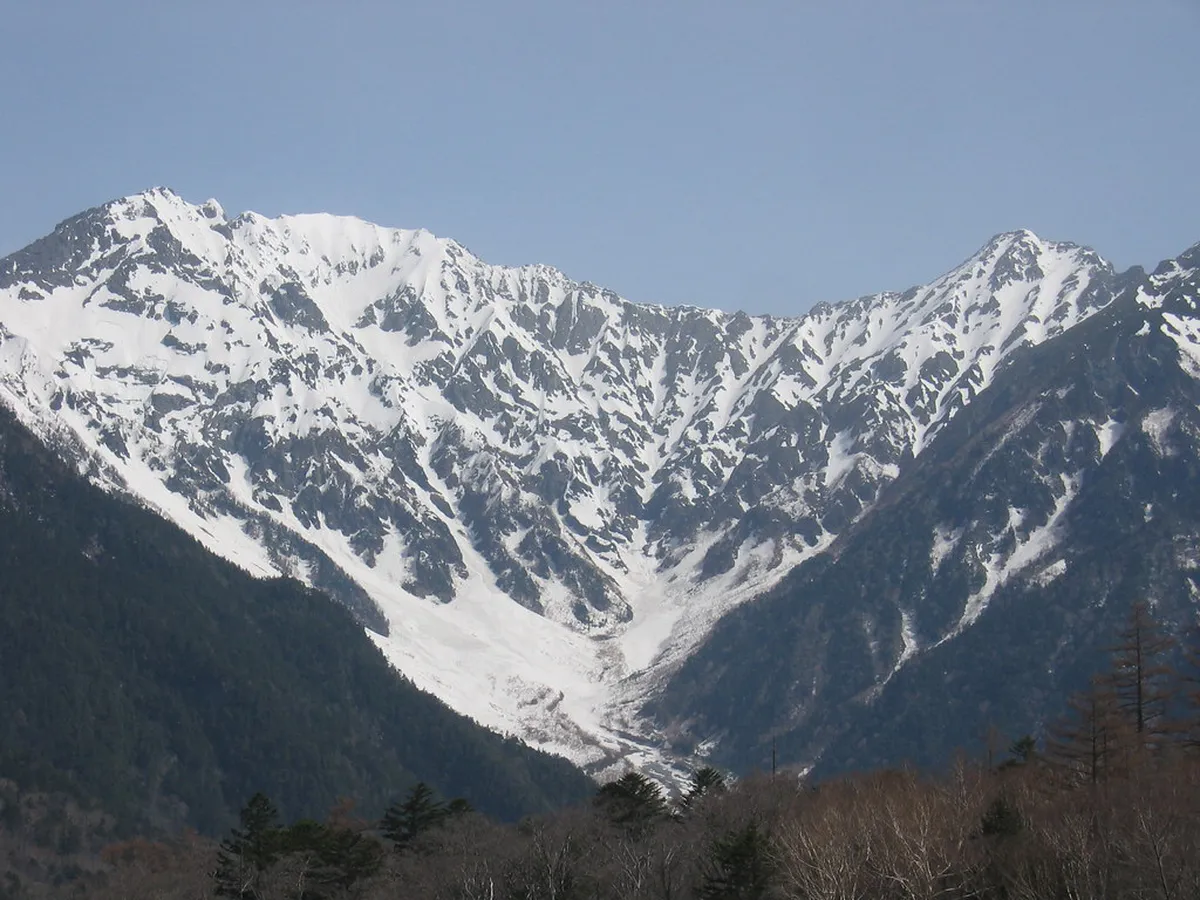
Golden Week (late April to early May) sends domestic crowds into Kamikochi and Hakuba. The October foliage peak fills Matsumoto ryokan weeks in advance. Shoulder months in May and September soften prices by roughly 15–25% versus peak periods.
All temperature figures below cover mid-elevation ranges of 800–1,500 m. Typical climate data for Nagano and Toyama prefectures informs these ranges. Ridgeline temperatures will run 10–15°C / 18–27°F lower than the valley figures in the table.
| Season | Months | Valley Temp | Crowds | Prices | Highlights | Best For |
|---|---|---|---|---|---|---|
| Spring | Mid-Apr – Jun | 8–22°C / 46–72°F | High (Golden Week peak) | Mid–High | Snow walls, Kamikochi opening, cherry blossoms | Snow-wall seekers, hikers, culture |
| Summer | Jul – Aug | 20–28°C / 68–82°F | High | High | Full trail access, festivals, Norikura Skyline | Serious hikers, families |
| Autumn | Sep – mid-Nov | 5–20°C / 41–68°F | Very High (Oct peak) | High–Peak | Alpine larch foliage, Hakuba vistas, Kurobe Gorge | Foliage chasers, photographers |
| Winter | Dec – Mar | -2–8°C / 28–46°F | Moderate (ski resorts High) | Mid–Low off-piste | Jigokudani snow monkeys, skiing, Togakushi shrine | Skiers, onsen seekers, snow lovers |
Top Japan Alps Attractions and How to Reach Them
Beyond the seasonal patterns above, a handful of sights anchor most Japan Alps itineraries. Building a route around two or three of these keeps travel time manageable between the Matsumoto, Takayama, and Toyama gateways.
- Kamikochi: The Kappa-bashi suspension bridge is the classic entry point, with an easy 1-hour loop to Taisho Pond and a longer 3-hour return walk to Myojin Pond past the Weston Relief, a monument to the missionary who helped popularise the valley abroad. Private cars stop at Sawando; the final approach is by shuttle bus or taxi only.
- Shinhotaka Ropeway: Near Takayama, this is Japan's only double-deck cable car, climbing to Nishi-Hotakaguchi Station at 2,156 m. A round trip costs about ¥3,300 for adults, and the upper deck observatory gives a rare eye-level view of the Hotaka peaks without a hike.
- Happo Pond, Hakuba: From the Happo-One gondola and chairlift base (around ¥3,000 return), the trail to Happo-ike runs roughly 3 km one-way and takes about 90 minutes at an easy pace, ending with views of Karamatsu-dake reflected in the pond. Pack a trail lunch, since the only food stop is the base station; the Japan Alps hiking food and bento guide covers what to carry.
- Tateyama Kurobe Alpine Route: Outside the snow-corridor season, Kurobe Dam — Japan's tallest at 186 m — runs a scheduled water discharge visible from late June to mid-October, reachable by trolleybus and cable car from either the Toyama or Nagano side.
Each site charges its own entry or ride fee, and none of these are covered by the Japan Rail Pass, since the ropeways, cable cars, and Alpine Route trolleybuses are run by private and local operators rather than JR.
Spring in the Japan Alps: April to June
Spring delivers one of Japan's most distinctive mountain spectacles. The snow corridor on the Tateyama Kurobe Alpine Route opens each year around mid-April. Snow walls at the Murodo plateau can reach 15–20 metres (50–65 ft) on either side of the walkway. Walls stay impressive through late May and melt considerably by mid-June.
Kamikochi valley opens around April 15, when the Azusa River still runs cold with snowmelt. Valley floor temperatures in late April sit at 5–14°C / 41–57°F, so layering is essential. The Japanese larches are not yet in full leaf in April, giving the landscape a stark, dramatic quality.
Hakuba offers cherry and peach blossoms set against snow-capped peaks, usually peaking in late April. Arriving before April 29 (the start of Golden Week) cuts accommodation costs by 20–30%. Gondola queues at Happo-One are manageable outside that holiday window.
The Takayama Spring Matsuri falls on April 14 and 15, with elaborate floats through Old Takayama. Trains from Nagoya sell out weeks ahead, so book as soon as your dates are confirmed. May is the best shoulder month for hikers: trails are open and valley temperatures reach 15–22°C / 59–72°F.
Summer and Autumn in the Japan Alps
July and August open the full high-altitude trail network above 2,000 m. Routes to peaks like Mt. Hotaka and the Karasawa Cirque above Kamikochi become accessible. Afternoon thunderstorms are a reliable hazard — most hikers aim to reach ridges before noon. Valley towns like Matsumoto stay at a pleasant 20–28°C / 68–82°F throughout summer.
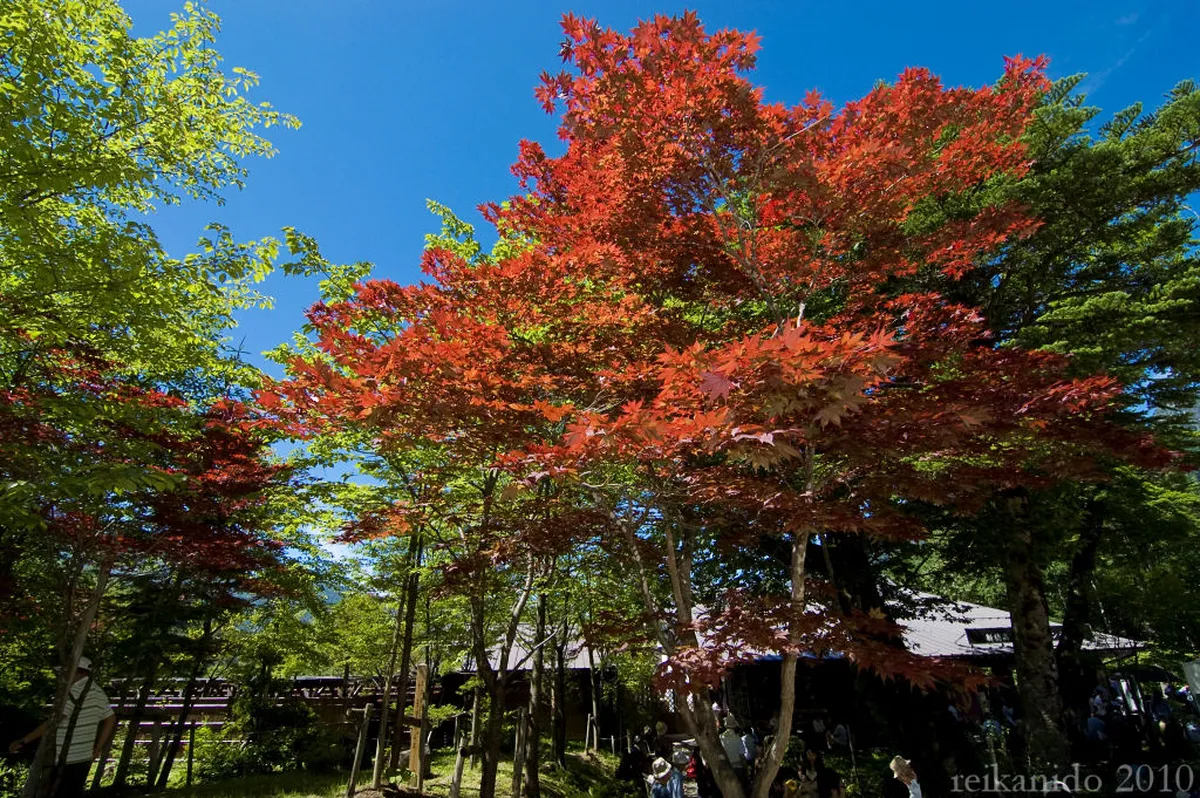
The Norikura Skyline road to Tatamidaira reaches 2,702 m, one of Japan's highest paved roads. Private vehicles are banned on the upper section, so the Norikura Express Bus is the access route. Mountain huts in the summit area charge around ¥1,000–¥1,500 per meal, and cash is required.
Autumn foliage peaks by elevation: colours at 2,000+ m arrive in late September. Mid-mountain areas around Kamikochi turn gold in mid-October. Valley towns like Matsumoto and Nagano peak from late October to early November. The Hakuba Mountain Harbor terrace frames larches beautifully against the Northern Alps skyline.
Autumn is the most-booked period across the region. Reserve ryokan and limited-express trains six to eight weeks ahead for an October stay. September is a quieter alternative: trails are open and temperatures sit at 10–20°C / 50–68°F. Weekday crowds thin noticeably after mid-September, with higher-elevation foliage already starting.
Winter in the Japan Alps: December to March
Winter makes the Japan Alps one of Asia's most snow-reliable ski destinations. Hakuba Valley hosts 11 interconnected resorts with an average January snowpack of 2–4 metres. Hakuba hosted the 1998 Winter Olympics and still draws international skiers each season. Nozawa Onsen, reachable from Nagano by bus in under an hour, is a smaller and rustic alternative.
Jigokudani Monkey Park near Yudanaka is most photogenic in January and February. Japanese macaques soak in geothermal pools surrounded by deep snow during these months. Entry costs ¥800 per adult and includes a 30-minute forest walk — the path is icy. Traction devices are strongly recommended for the approach trail.
What's Closed in Low Season: Kamikochi closes around November 15 and does not reopen until mid-April. The Alpine Route closes in late November; bus and ropeway services suspend entirely until spring. Mountain huts above 1,800 m close by late October, ending safe high-altitude access.
Valley towns remain fully open in winter: Matsumoto, Nagano, and Takayama operate normally. The Shinkansen from Tokyo to Nagano runs year-round in roughly 1.5 hours. Togakushi Shrine's cedar avenue looks most atmospheric under a metre or more of snow. Learning a few short Japanese phrases helps in rural winter areas where English signage thins out.
Which Season Is Right for You?
The right timing for the Japan Alps depends entirely on your core goal. Skiers and snow-monkey visitors belong in December through February. High-altitude hikers need the July-to-September window for safe ridge access.
Budget-conscious travellers get the best value in mid-May or early September. Photography-focused visitors should target mid-October, arriving a few days before peak colour. Families with young children may prefer late June to mid-July, before domestic summer holidays peak.
The list below frames each traveller type as a direct recommendation. Use it to match your priorities to the season that suits you best. Pair your choice with the Japan Alps itinerary guide to plan the specific route.
- Pick late September to mid-October for foliage
- Alpine larches and maples turn gold across Kamikochi and Hakuba in October.
- Book ryokan stays at least six weeks ahead to secure your preferred nights.
- Pick mid-April to late May for the snow walls
- The Alpine Route corridor walls peak at 15–20 m from mid-April through May.
- Combine with Hakuba blossoms and the Takayama Spring Matsuri for a full trip.
- Pick July to August for high-altitude hiking
- All major ridge trails and mountain huts open above 2,000 m in full summer.
- Start summit hikes before 7 am to avoid afternoon thunderstorms on exposed ridges.
- Pick January to February for skiing and snow monkeys
- Hakuba snowpack averages 2–4 m deep, supporting 11 interconnected resort areas.
- Jigokudani Monkey Park is most photogenic when macaques bathe in heavy snowfall.
- Pick May or early September for the best budget value
- Accommodation prices soften 15–25% versus Golden Week or the October foliage peak.
- Trails are fully open and the Shinkansen from Tokyo runs in roughly 1.5 hours.
What to Pack for the Japan Alps
Packing for the Japan Alps requires planning for dramatic altitude swings within a single day. A 15°C / 27°F gap between a valley town and a 2,500 m ridge is common from May through October. The seasonal lists below start with the most critical items first.
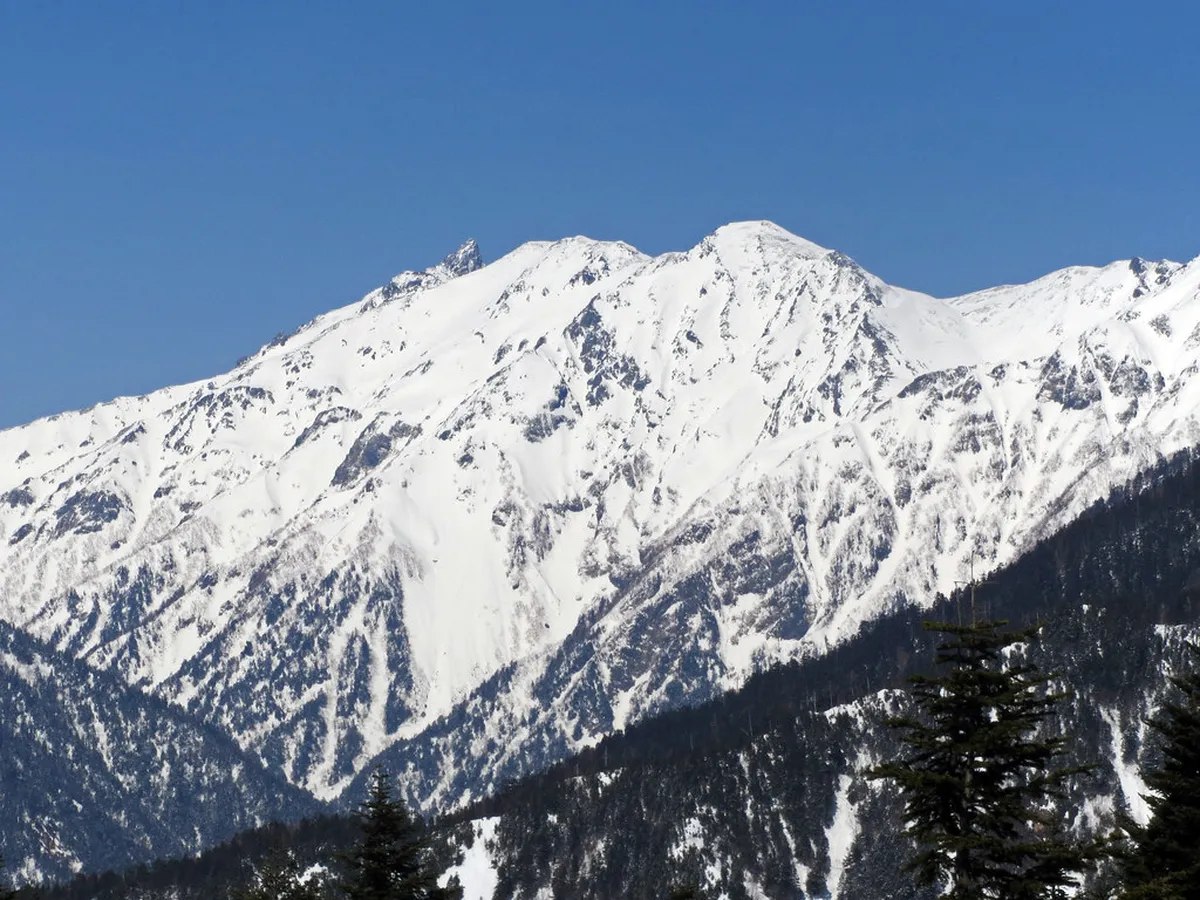
Spring and autumn visitors face the most unpredictable trail surfaces. Microspikes take up minimal bag space and transform icy north-facing slopes above 1,500 m. Rain gear is equally critical: the Japan Alps generate local cloud systems with little warning.
Summer hikers should prioritise sun protection above the tree line. A UV-blocking long-sleeve shirt, SPF 50 sunscreen, and a wide-brim hat are standard ridge kit. Cash is essential region-wide: mountain huts, rural buses, and many Hakuba restaurants are cash only. Carry at least ¥5,000–¥10,000 in small denominations before heading into mountain areas.
- Spring (April to May) essentials
- Microspikes or lightweight crampons for icy trails above 1,500 m on north-facing slopes.
- Waterproof mid-layer jacket for cold Kamikochi mornings around 5–10°C / 41–50°F.
- Thin merino base layer that handles both valley warmth and high-pass chill in one day.
- Summer (June to August) essentials
- UV-blocking long-sleeve shirt and SPF 50 sunscreen for exposed alpine ridgelines.
- Packable rain jacket for fast-moving afternoon thunderstorms above the tree line.
- Trekking poles for steep descents on loose volcanic gravel near summit zones.
- Autumn (September to November) essentials
- Insulated mid-layer for sub-10°C / 50°F mornings at Kamikochi from early October onwards.
- Microspikes again for hiking the Alpine Route or Norikura above 2,000 m after mid-October.
- Extra cash for peak-season mountain hut meals, which run around ¥1,000–¥1,500 each.
- Winter (December to March) essentials
- Waterproof ski trousers for Hakuba, Nozawa Onsen, or Shiga Kogen resort skiing.
- Thermal base layers and disposable hand-warmers (kairo) for Jigokudani Monkey Park visits.
- Yaktrax or traction devices for icy paths between onsen towns and mountain shrines.
Getting to the Japan Alps From Tokyo, Nagoya, and Osaka
Three rail gateways cover almost every route into the region, and picking the right one saves an extra transfer.
- Matsumoto: The JR Azusa limited express runs direct from Tokyo's Shinjuku Station in about 2.5–3 hours, and seat reservations are covered by the Japan Rail Pass. Matsumoto is the transfer point for Kamikochi buses, via Shin-Shimashima on the Matsumoto Electric Railway, and for the Norikura Skyline bus.
- Nagano: The Hokuriku Shinkansen reaches Nagano from Tokyo in around 1.5 hours and is the gateway for Jigokudani Monkey Park, Togakushi, and the Nagano-side entrance to the Alpine Route at Ogizawa.
- Takayama and Toyama: JR's Hida limited express connects Nagoya to Takayama in about 2 hours 20 minutes, while the Hokuriku Shinkansen links Tokyo to Toyama in roughly 2 hours — the starting point for the Alpine Route's western side and the Shinhotaka Ropeway.
Renting a car opens up areas the rail network misses, such as rural onsen towns and Norikura Skyline bus transfer points, but private vehicles are banned on the final approach to both Kamikochi and the upper Alpine Route regardless of how you arrive. First-time visitors combining a JR Pass with these private-line gaps may find the first-time Japan travel tips guide useful for the wider trip.
Frequently Asked Questions
Is the Japan Alpine Route worth visiting?
The Tateyama Kurobe Alpine Route is one of Japan's most dramatic mountain journeys, especially in April and May when snow walls reach up to 20 metres. The full circuit between Toyama and Matsumoto takes a full day and costs roughly ¥10,000–¥13,000. It rewards clear-weather days, as heavy cloud cover significantly reduces the views.
What are the best and worst months to visit Japan Alps?
Late September to mid-October is the best window, balancing open trails, autumn colour, and manageable crowds. The worst timing is mid-November to mid-April if you want Kamikochi or the Alpine Route, as both close entirely. Winter visitors should base in Hakuba or Matsumoto, where services run normally year-round.
Can you visit the Japan Alps from Tokyo as a day trip?
A day trip to Matsumoto or Nagano is feasible — the Shinkansen takes roughly 1.5 hours from Tokyo. Kamikochi alone requires a full day including the bus connection from Matsumoto. Extending to two or three nights turns a rushed transit into a proper Japan Alps itinerary with time to explore properly.
When does Kamikochi open and close each year?
Kamikochi opens around April 15 and closes on November 15 each year, with exact dates varying by snowpack. Private vehicles are banned inside the valley — all visitors use the bus and taxi system from Sawando or Hirayu Onsen. The entire valley is closed to the public between mid-November and mid-April.
When should you avoid the Japan Alps in 2026?
Avoid mid-November through mid-April if Kamikochi or the Alpine Route are your main goals, as both close completely. Golden Week (late April to early May) and the October foliage peak bring the heaviest crowds and highest prices. Shifting dates by even one week in either direction noticeably reduces cost and congestion.
Choosing the best time to visit Japan Alps depends on which experience matters most. Spring snow walls, summer hikes, October larches, and January powder all belong to the same region. Matching your dates to the Kamikochi and Alpine Route access windows is the most important planning step.
Rail connections from Tokyo make the region more accessible than its scale suggests. The Shinkansen reaches Nagano in roughly 1.5 hours, and from there buses fan out across the mountains. For route ideas and area-by-area planning, the Japan Alps travel blog covers each destination in detail.
Free guide: Japan's Hidden Gems
12 under-the-radar places beyond Tokyo & Kyoto — with the best season to visit each and a local tip you won't find in the guidebooks.
You might also like


Continue reading
More guides you'll find useful


