

Japan Alps Itinerary Travel Guide
Plan your Japan Alps itinerary with this 5-day route: Matsumoto, Kamikochi, Takayama, Shirakawa-go, and Tateyama-Kurobe — with costs, transit, and booking tips.
On this page
The Japanese Alps form a dramatic mountain spine across central Honshu. Three parallel ranges — the Kita, Chuo, and Minami Alps — contain Japan's highest peaks outside Fuji. For first-time visitors, the region can feel complex to plan. Last updated June 2026 with current prices and seasonal transport notes.
This japan alps itinerary is designed for first-timers who want the highlights in five days. We cover Matsumoto, Kamikochi, Takayama, Shirakawa-go, and the Tateyama-Kurobe Alpine Route. Each overnight base is chosen to minimize backtracking and maximize time in each area.
Kamikochi is closed from mid-November to late April due to heavy snowfall. Private cars are banned inside the valley year-round; buses are the only access. Book accommodation four to six weeks ahead during Golden Week and autumn foliage peak. See our guide to the best time to visit the Japan Alps for month-by-month crowd and weather detail.
Japan Alps Itinerary: 5 Days At a Glance
Below is a snapshot of the five-day route with each day's base and primary focus. The circuit runs west from Matsumoto, then north through Takayama and Shirakawa-go. It finishes with the Tateyama-Kurobe traverse to Toyama or Nagano.
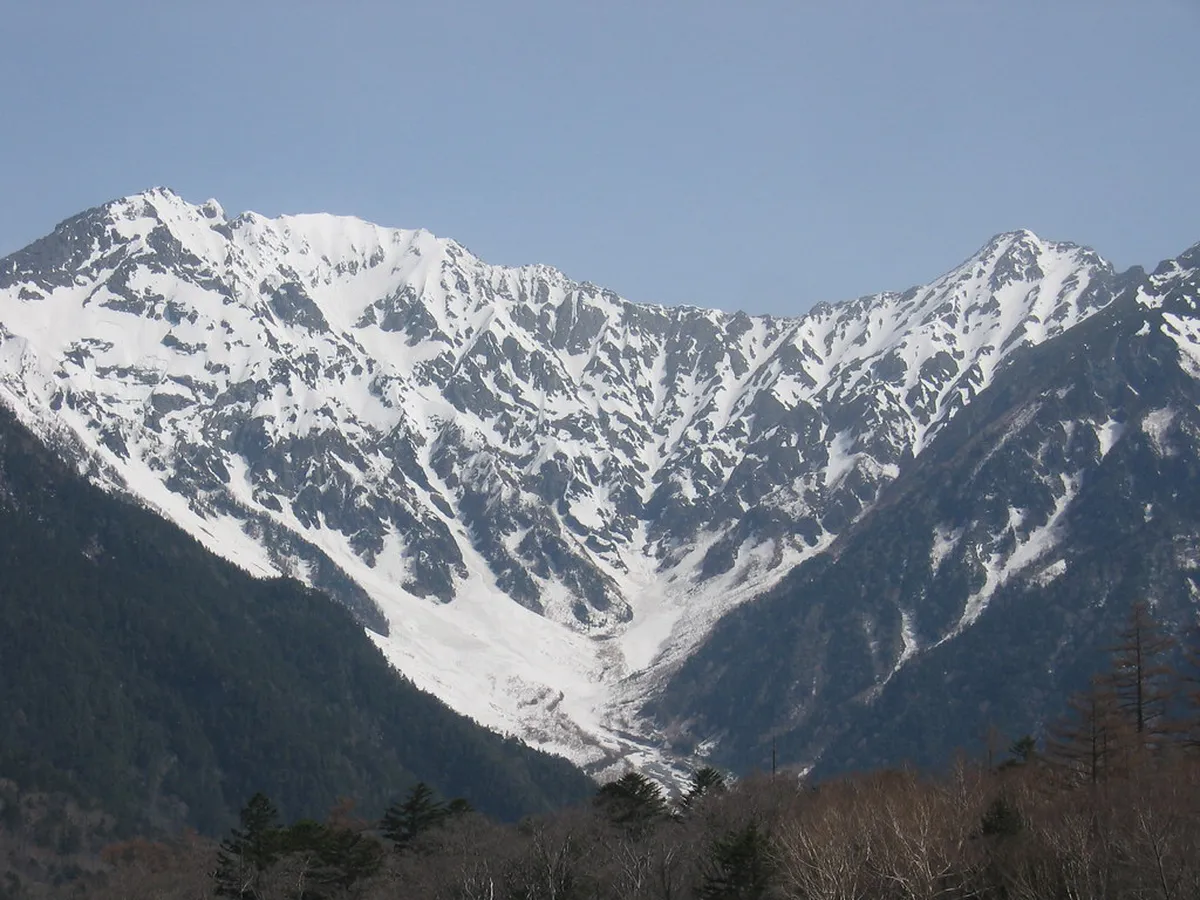
Most travel between sections uses limited express trains and highway buses. Many travelers use Japan's luggage-forwarding service (takuhaibin) to avoid dragging bags on mountain buses. The earliest Kamikochi buses depart around 7:00 AM and arrive in about 1.5 hours.
- Day 1: Matsumoto castle town
- Morning: Matsumoto Castle opens at 8:30 AM.
- Afternoon: Explore Nawate Street and kura warehouse district.
- Evening: Dinner in central Matsumoto, local soba recommended.
- Day 2: Kamikochi alpine valley
- Morning: Early bus into Kamikochi valley by 8:00 AM.
- Afternoon: Riverside walk to Myojin Pond, roughly 2 hours.
- Evening: Overnight in valley or return to Matsumoto.
- Day 3: Takayama markets and old town
- Morning: Jinya-mae morning market, best before 10 AM.
- Afternoon: Hida Folk Village open-air museum.
- Evening: Hida beef dinner in San-machi-suji district.
- Day 4: Shirakawa-go farmhouses
- Morning: Bus from Takayama, arrives Shirakawa-go in 50 minutes.
- Afternoon: Ogimachi observation deck and open-air museum.
- Evening: Night bus or express to Kanazawa or Toyama.
- Day 5: Tateyama-Kurobe traverse
- Morning: Start from Toyama Station by 7:30 AM.
- Afternoon: Alpine corridor via cable car, ropeway, and trolleybus.
- Evening: Exit at Shinano-Omachi and train toward Nagano.
Your 5-Day Japan Alps Day-by-Day Plan
We recommend arriving in Matsumoto the evening before Day 1. The Azusa limited express from Shinjuku takes roughly 2.5 hours. Matsumoto Station is a 15-minute walk from the castle, so no local transit is needed.
Day 2 requires the earliest start of the trip. Buses from Matsumoto to Kamikochi depart as early as 7:10 AM. The valley gets noticeably busier after 10:00 AM, so arriving early is worth it. Trails beyond Myojin Pond stay quieter and reward the extra walking time.
Takayama's Jinya-mae morning market runs from about 7:00 AM to noon daily. The Hida Folk Village opens at 8:30 AM and charges ¥700 adults (about $5 in 2026). San-machi-suji is best after 4:00 PM, once most day-trippers have left.
Shirakawa-go draws tour buses from 10:00 AM to 2:00 PM on most days. Arriving on the first Takayama bus (around 8:30 AM) gives you the village nearly to yourself. Afternoon buses from Shirakawa-go reach Kanazawa or Toyama in about 1.5 hours each.
The Tateyama-Kurobe Alpine Route links Toyama with Shinano-Omachi at up to 2,450 metres. It uses seven transport modes, including a cable car, ropeway, and trolleybus. Budget roughly ¥8,900 for a one-way passage westbound (Toyama to Omachi). Check the Tateyama-Kurobe route map to plan each transport stage.
Most travelers need 7 to 8 hours for the full crossing including Murodo hikes. At Murodo (2,450 m), a one-hour loop leads to Mikurigaike Pond and volcanic vents. Early October brings famous snow-corridor walls; some sections remain into late spring.
- Day 1: Matsumoto — castle and kura district
- Morning: 8:30 AM — Matsumoto Castle, ¥700 entry.
- Afternoon: Nawate Street and kura warehouse shops.
- Evening: Soba dinner near Nakamachi district.
- Time: Full day, about 6 walking hours total.
- Logistics: 15 min walk from Matsumoto Station.
- Optional: Daio Wasabi Farm, about 30 min east by bus.
- Day 2: Kamikochi — valley walk and wildlife
- Morning: 7:10 AM bus, arrive Kamikochi by 8:45 AM.
- Afternoon: Walk Kappa Bridge to Myojin Pond, free entry.
- Evening: Return bus to Matsumoto or Takayama.
- Time: Valley open daily late April to mid-November.
- Logistics: No private cars; bus from Matsumoto about 1.5 hrs.
- Optional: Dakesawa Marsh loop adds about 1.5 hours.
- Day 3: Takayama — markets and folk village
- Morning: 7:00 to 10:00 AM, Jinya-mae morning market.
- Afternoon: Hida Folk Village, ¥700, open 8:30 AM to 5:00 PM.
- Evening: San-machi-suji and Hida beef restaurant.
- Time: Full day, base in Takayama overnight.
- Logistics: Hida express from Matsumoto takes about 2 hrs.
- Optional: Sake brewery tour in Sanmachi, afternoon slot.
- Day 4: Shirakawa-go — gassho farmhouses
- Morning: 8:30 AM bus from Takayama, about 50 min.
- Afternoon: Ogimachi Open Air Museum, ¥600 entry.
- Evening: Onward bus to Kanazawa or Toyama, about 1.5 hrs.
- Time: Spend 3 to 4 hours in village before moving on.
- Logistics: Luggage-forwarding (takuhaibin) available from Takayama.
- Optional: Stay overnight for early morning mist views.
- Day 5: Tateyama-Kurobe — alpine traverse
- Morning: 7:30 AM Toyama Station to Tateyama by train.
- Afternoon: Cross alpine corridor, Murodo plateau hike.
- Evening: Exit Shinano-Omachi, train toward Nagano or Tokyo.
- Time: 7 to 8 hours total for the full crossing.
- Logistics: One-way pass roughly ¥8,900, book online ahead.
- Optional: Stay at Murodo mountain lodge for sunrise views.
Where to Stay in the Japan Alps
Choosing the right base each night cuts back-tracking and shapes the trip's feel. Matsumoto is our recommended opening-night base for several reasons. It anchors the Kamikochi day and offers rooms from ¥3,500 guesthouses to ¥12,000 hotels. Staying here secures the 7:10 AM Kamikochi bus that Takayama departures cannot match.
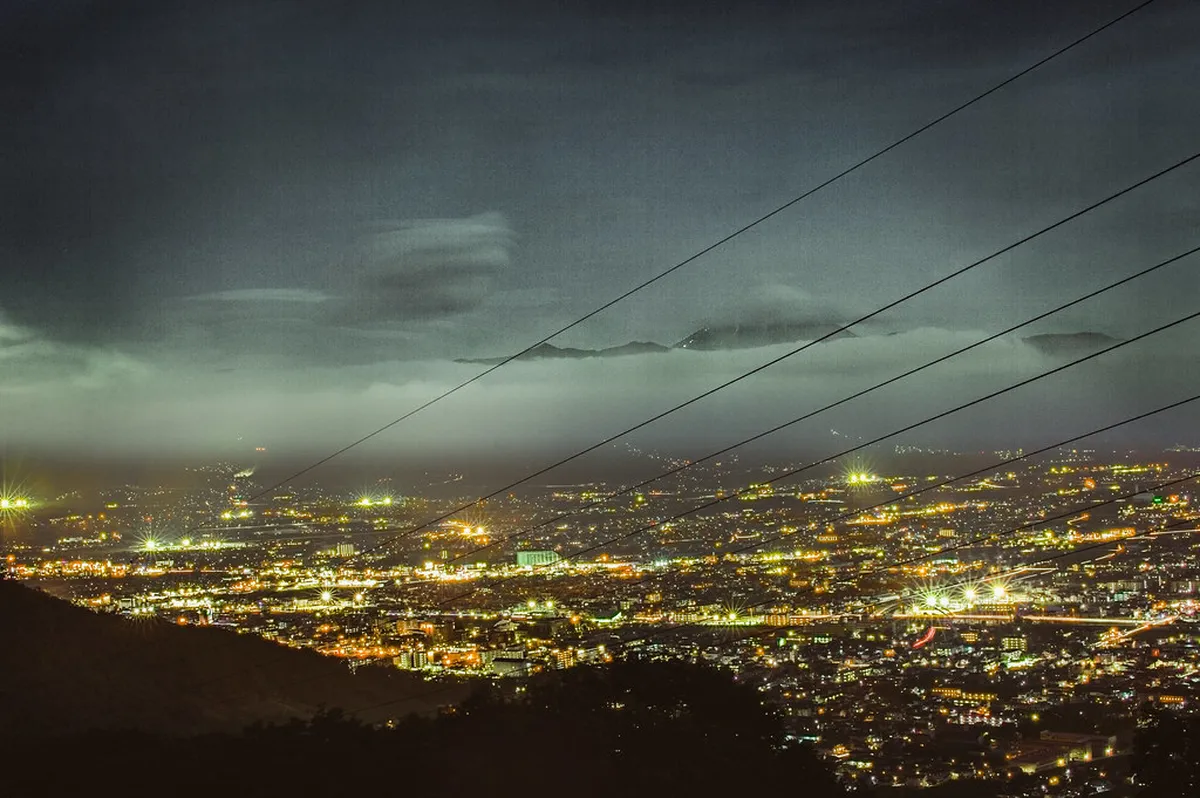
Takayama is the strongest single base for the middle section of the Japan Alps itinerary. It puts Kamikochi, Shirakawa-go, and Shin-Hotaka Ropeway within easy bus range. Traditional ryokan charge ¥15,000 to ¥30,000 per person with kaiseki dinner and breakfast. Budget guesthouses along the Miyagawa River run ¥3,000 to ¥6,000 per person.
Toyama is the western gateway for the Tateyama-Kurobe crossing. Business hotels near the station start at around ¥7,000 per night. Nagano works as a finishing base if you continue east toward Tokyo by Shinkansen.
How to Reach the Japanese Alps
Most travelers start a japan alps itinerary from Tokyo or Osaka. From Tokyo to Matsumoto, take the JR Azusa limited express from Shinjuku (about 2.5 hours, ¥6,600). For Takayama, take the Shinkansen to Nagoya, then the Hida limited express (about 4 hours total).
From Osaka, Takayama is roughly 3.5 hours by express train and highway bus. Toyama sits on the Hokuriku Shinkansen, about 2 hours from Tokyo and 2.5 hours from Osaka. A Japan Rail Pass covers the Shinkansen and most limited express trains on this circuit.
Renting a car unlocks some remote roads, but Kamikochi bans private vehicles entirely. The Norikura Skyline above 2,000 m is closed to cars from mid-November to late June. Highway buses are a budget-friendly option — the Takayama–Shirakawa-go–Kanazawa run costs about ¥3,000. Check the Japan Activity blog for transport pass updates and seasonal route changes in 2026.
Book in Advance for the Japan Alps
Several key experiences sell out weeks before arrival on this route. Golden Week, October foliage, and Japanese public holidays are the highest-risk periods. We treat the four items below as a non-negotiable booking checklist.
Kamikochi valley accommodation fills 4 to 6 weeks ahead in late April and October. If valley lodging is full, basing in Matsumoto and catching the first morning bus works well. The Shin-Hotaka Ropeway needs no advance booking, but verify its maintenance schedule before visiting.
- Tateyama-Kurobe Alpine Route pass
- One-way pass covers all seven transport modes on the route.
- Book 4 to 6 weeks ahead during Golden Week and October foliage season.
- Purchase online via the official Tateyama Kurobe Kanko website before travel.
- Kamikochi valley accommodation
- Valley lodges fill 4 to 6 weeks ahead in peak season.
- Nishi-Itoya Mountain Lodge and Gosenjaku Hotel are the main options inside.
- Japanese booking sites like Jalan or Rakuten Travel often release slots earlier.
- Matsumoto Castle timed entry
- Castle opens 8:30 AM to 5:00 PM; last entry 4:30 PM; closed in December.
- Entry costs ¥700; arrive before 9:30 AM to avoid weekend queues.
- Crowds peak between 10:00 AM and 2:00 PM on weekends and holidays.
- Norikura Skyline bus seats
- Seasonal bus to Tatamidaira plateau (2,702 m) runs late June to late October.
- Book seats 2 to 3 weeks ahead through Alpico Transportation.
- Private vehicles are banned above 2,000 m; this bus is the only access option.
Add an Extra Day: Norikura and Shin-Hotaka
A sixth day on this route is best spent at Norikura or Shin-Hotaka Ropeway. Both are accessible by bus from Takayama, so no base change is needed. We consider this the most underrated extension in the Japanese Alps for first-timers.
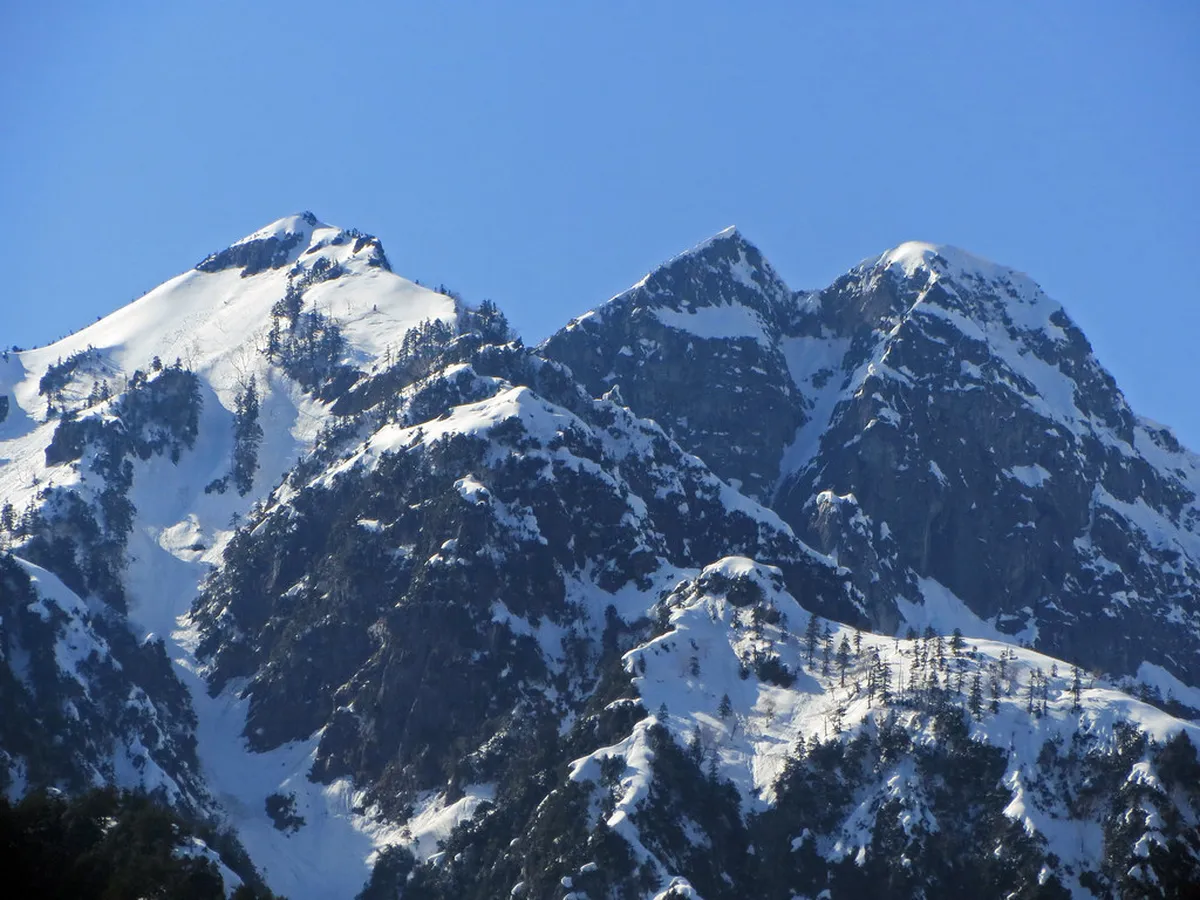
Norikura Skyline leads to the Tatamidaira plateau at 2,702 metres, the highest bus stop in Japan. A short trail continues to the Kengamine summit crater at 3,026 metres. On clear days, Mt. Fuji is visible to the southeast from the plateau. Buses from Norikura Kogen run about four times a day from late June to October.
Shin-Hotaka Ropeway is about 45 minutes by bus from Takayama, operating from 8:30 AM. A return ticket costs roughly ¥3,000, with two gondola stages reaching 2,156 metres. The upper observation deck delivers a panoramic view of the surrounding Japan Alps ridges. Pair the ropeway with an afternoon in the Hirayu Onsen hot springs below for a relaxed day.
Frequently Asked Questions
When is the best time to visit the Japanese Alps?
Late July to early September offers the clearest weather and fully open alpine trails. Late October is peak autumn foliage season but the most crowded. Kamikochi closes mid-November to late April, so confirm the valley's opening date before booking flights.
Are the Japanese Alps worth visiting?
Yes — the region combines mountain scenery with living historical culture unlike anywhere else in Japan. Preserved post-towns, morning markets in Takayama, and top-class hiking all sit two to three hours from Tokyo by train. Most visitors say they wished they had stayed longer.
Is Mt. Fuji considered part of the Japanese Alps?
No, Mt. Fuji is not part of the Japanese Alps. The Alps are three distinct ranges — Kita, Chuo, and Minami — spanning Nagano, Gifu, and Toyama prefectures. Fuji is a standalone volcanic peak in Shizuoka and Yamanashi, roughly 200 km south.
How much time should I plan for a Japan Alps itinerary?
Five days covers the core circuit of Matsumoto, Kamikochi, Takayama, Shirakawa-go, and Tateyama-Kurobe at a manageable pace. Adding a sixth day allows a Norikura or Shin-Hotaka extension from Takayama. Two weeks lets you add Jigokudani Snow Monkey Park and the Nakasendo post-towns.
What should travelers avoid when planning a Japan Alps itinerary?
Avoid booking Kamikochi accommodation last-minute during Golden Week and October — it sells out a month ahead. Never plan to drive into Kamikochi; private cars are banned year-round. Also avoid arriving at Matsumoto Castle after 10:00 AM on weekends, when interior staircase queues can add 45 minutes.
A five-day Japan Alps itinerary rewards careful sequencing over speed. Anchoring each night to a different base — Matsumoto, Takayama, then Toyama — cuts most back-tracking. The Tateyama-Kurobe traverse on Day 5 makes a memorable finish to the circuit.
Explore each highlight in detail at the Japan Alps attractions guide, which lists current opening hours and access tips. Book accommodation and the Tateyama-Kurobe pass well before your trip if targeting October or late April. The Japanese Alps consistently rank among Japan's top travel regions — plan at least one extra day.
Free: The Takayama Essentials guide
Top things to do, where to stay, a perfect day plan, getting around, and the best time to go — a Takayama mini-guide you can take offline.
You might also like


Continue reading
More guides you'll find useful


