
Shirakawa-go Itinerary: The Complete Guide to Day Trips
Plan the perfect Shirakawa-go itinerary with our guide to day trips, transport from Nagoya or Takayama, must-see farmhouses, and seasonal travel tips.
On this page
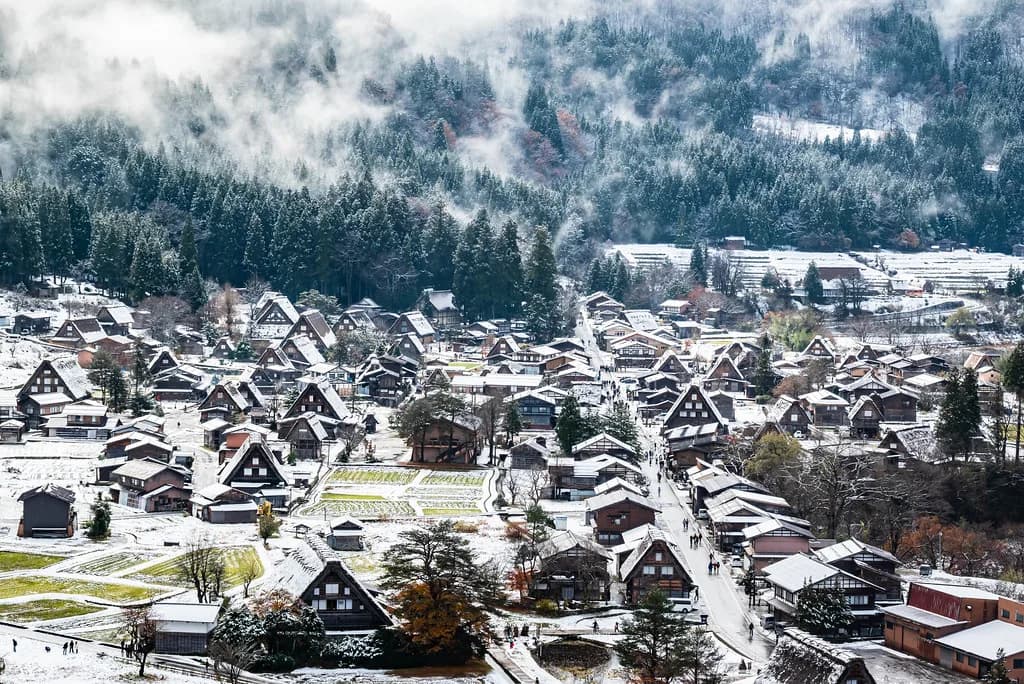
Tucked away in the remote mountains of Gifu Prefecture, Shirakawa-go offers a glimpse into a Japan that feels frozen in time. This 2026 Shirakawa-go itinerary is designed for first-time visitors who want to maximize their time without feeling rushed. Whether you are coming for the famous winter snow or the lush summer greenery, this guide covers every essential stop.
The village of Ogimachi is the heart of this UNESCO World Heritage site, known for its iconic gassho-zukuri farmhouses. Most travelers visit as a day trip from Takayama or Kanazawa, but this guide also explains why an overnight stay might be your best decision. All bus schedules and pricing are current for 2026.
Why is Shirakawa-go worth visiting?
The primary draw of this valley is the unique gassho-zukuri architecture, which translates to "constructed like hands in prayer." These steep thatched roofs — some at a 60-degree pitch — are designed to shed the massive snowfall of the Japan Alps, which can exceed 30 feet per year. UNESCO recognized the village not just for the buildings themselves, but for the community spirit known as Yui.
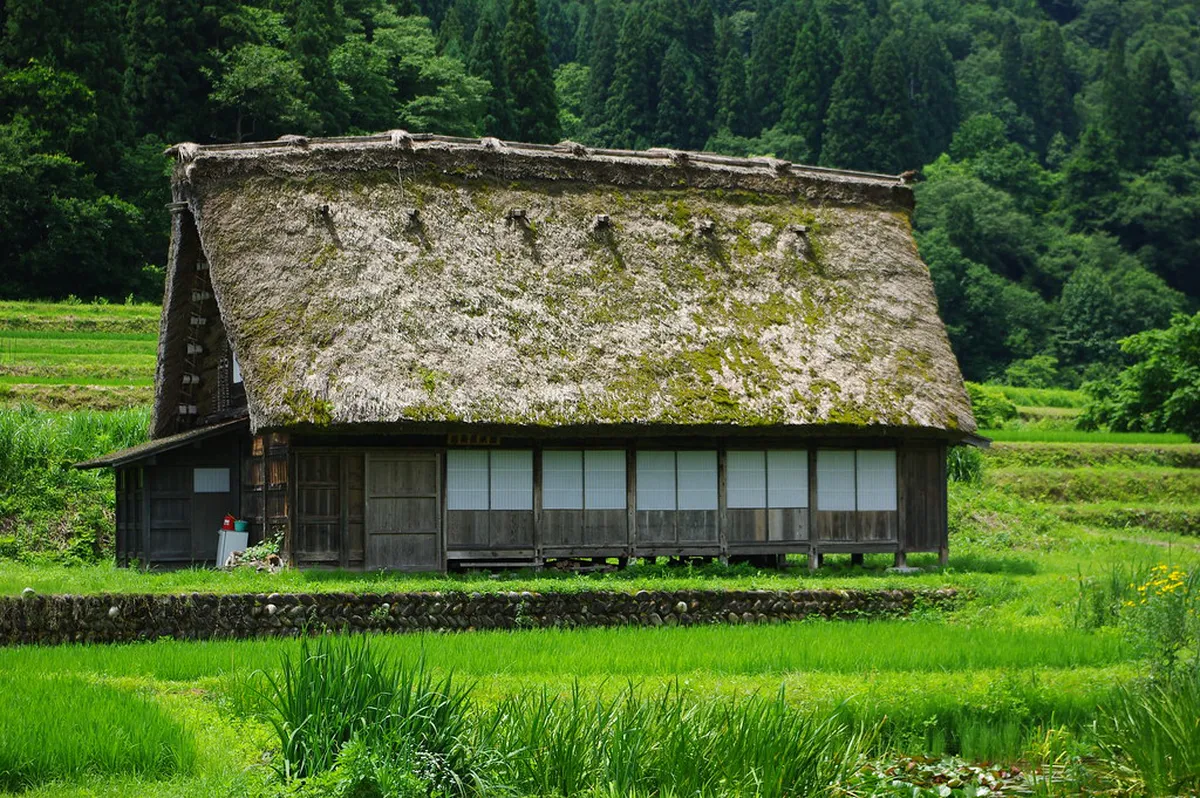
Yui refers to the collective labor required to re-thatch a single roof, a task that traditionally involved hundreds of villagers working without pay. The oldest surviving farmhouses date to the early Edo period, roughly 300 years ago, and some remain inhabited today. This combination of living history and dramatic mountain scenery puts Shirakawa-go in a category of its own among Japan's historic sites.
Equally compelling is the wider valley setting. Rice paddies, pine forests, and the Sho River frame the village in every season. Even if every farmhouse museum were closed, the act of walking the village's quiet back lanes would justify the journey from Takayama or Kanazawa.
Best time to visit Shirakawa-go for snow and scenery
Winter is the most visually dramatic season. The village receives over 9 metres of snow annually, and the thatched roofs under deep snow create an almost surreal landscape. Target early December or the last two weeks of February for the best combination of snow cover and manageable road conditions — deep January snowfalls can cause bus delays.
The Shirakawa-go winter light-up events, held on select Saturdays from January to February, illuminate the village after dark. Access is by lottery only and typically opens for registration in autumn; general public access on light-up nights is restricted. If you miss the lottery, the village is equally beautiful in regular winter daylight hours.
Early summer — late May through June — is the second-best window. Rice paddies turn vivid green, hydrangeas bloom along the back roads, and the elevation keeps temperatures 5 to 8 degrees cooler than Tokyo. Autumn foliage peaks in mid-October and draws large crowds; arrive early on weekdays to avoid the tour-bus rush. Check the shirakawa-go best time to visit page for a full seasonal breakdown.
How much time do you need in Shirakawa-go?
A four-hour express visit is enough to reach the viewpoint and enter one farmhouse museum. Five to six hours is comfortable for two or three museums, the open-air Minkaen, lunch on the main street, and a relaxed walk through the quieter lanes. An overnight stay unlocks the village at dawn and dusk, when almost all day-trippers have gone.
| Visit length | What you can cover | What you miss |
|---|---|---|
| 4 hours (express) | Shiroyama viewpoint, Wada House, main street | Kanda/Nagase houses, Minkaen, side lanes |
| 6 hours (day trip) | All major farmhouses, Minkaen, Myozenji, lunch | Dawn/dusk atmosphere, Three Houses in quiet light |
| Overnight stay | Full village at golden hour, farmhouse dinner and breakfast | Nothing — this is the ideal |
Booking a shirakawa-go gassho farmhouse stay is a bucket-list experience. These stays include traditional multi-course dinners and breakfasts featuring local mountain vegetables and river fish. Availability is limited — minshuku typically take reservations several months in advance, especially for winter weekends.
Getting to Shirakawa-go from Nagoya, Takayama, and Kanazawa
There is no train station in or near Ogimachi. All access is by highway bus or private car. Below is a comparison of the three main jumping-off points.
| Origin | Operator | Journey time | Approx. fare (one way) | Reservation required |
|---|---|---|---|---|
| Takayama | Nohi Bus | ~50 min | ~¥2,470 | Strongly recommended; some unreserved services exist |
| Kanazawa | Nohi Bus | ~1 hr 25 min | ~¥1,900 | Mandatory — all seats reserved |
| Nagoya | Gifu Bus / others | ~3 hrs | ~¥3,500 | Mandatory — fewest daily services |
From Takayama, the Nohi Bus departs from Takayama Bus Terminal, just outside the train station. It is the shortest and most frequent route, with up to 10 departures per day in peak season. Consult the Nohi Bus Official Site for current timetables and to make seat reservations.
From Kanazawa, buses depart from stop Number 4 at Kanazawa Bus Terminal. Every seat is reserved — walk-ons are not permitted. During busy autumn and winter weekends, return buses sell out days or even a week in advance; book as early as possible. The scenic ride through the mountains is itself a highlight.
From Nagoya, the Gifu Bus departs from Meitetsu Bus Center adjacent to Nagoya Station. The three-hour journey is the longest of the three options and operates fewer daily departures. It suits travelers who want to combine Nagoya sightseeing with a Shirakawa-go visit without backtracking to Takayama. The JR Wide View Hida train to Takayama followed by the Nohi Bus is a valid alternative if you want better mountain scenery en route. If you are coming shirakawa-go from takayama, the 50-minute bus is the easiest leg of any central Japan circuit.
Can I drive to Shirakawa-go? Parking and winter driving
Yes. The main parking area is Seseragi Park Parking Area, located next to the Gassho-zukuri Minkaen open-air museum on the western bank of the Sho River. The fee is ¥1,000 per car; cash is safest as card acceptance can be inconsistent. The lot fills quickly — aim to arrive before 09:30, particularly on weekends and public holidays.
In winter, snow chains or winter tyres are legally required on mountain roads leading to Shirakawa-go. The Toyama-Shogawa Road (Route 156 and the connecting toll road) can be icy even after a brief thaw. Check road conditions via the Gifu Prefecture road information service before departing. Budget extra travel time — what takes 40 minutes in clear conditions can take 90 minutes in heavy snow.
Driving has one advantage buses cannot match: you can arrive before 08:00 when the village is almost empty, and you can linger past the last bus departure for a quieter late afternoon. If you plan to continue to Kanazawa to Shirakawa-go onward, note that the scenic Shirakawa Toll Road (White Road) is closed from November through late April.
The ultimate Shirakawa-go day trip itinerary (timed schedule)
This schedule assumes a bus arrival at the Shirakawa-go Bus Terminal by 10:00. Adjust forward or back by one hour depending on your departure point. The village is entirely walkable — distances between stops are 5 to 15 minutes on foot.
- 10:00 — Arrive at Shirakawa-go Bus Terminal. Note your return bus time and confirm your seat reservation before leaving the terminal building.
- 10:05–10:30 — Walk south from the terminal. At the fork, follow the wooden signpost left toward the Ogimachi Castle Observation Deck. The 15-minute uphill walk is the most strenuous part of the day. This viewpoint is free and the best angle for a wide shot of the whole village.
- 10:30–10:45 — Continue a few minutes uphill to the Shiroyama Tenshukaku Observation Deck for a second, slightly elevated angle. A small shop sells drinks here.
- 10:45–11:30 — Descend into the village and head to the Wada House (¥400, open 09:00–17:00). The largest gassho-zukuri in the village, it contains Edo-period silk-making equipment and lacquerware across three floors. Remove shoes at the entrance.
- 11:30–12:30 — Lunch on the main street. Hida beef skewers, gohei mochi rice cakes, and mitarashi dango are all available from stalls for ¥300–¥600. Most stalls are cash-only.
- 12:30–13:30 — Kanda House (¥400, closed Wednesdays) and optionally Nagase House (¥300). Kanda House is the larger of the two and has panoramic upper-floor views over the paddies. Nagase House illustrates the life of a Edo-period village physician.
- 13:30–14:00 — Walk the Three Houses scenic point and stroll the back lanes east of the main road. This is where the village feels least touristic.
- 14:00–15:30 — Cross the Ogimachi Suspension Bridge to the Gassho-zukuri Minkaen open-air museum (¥600). Twenty-six relocated farmhouses are spread across open grounds — you can enter most of them. This is the least-crowded attraction in the village during peak hours.
- 15:30–16:00 — Return to the Bus Terminal area. Luggage can be stored in a small paid room behind the bus information center (cash, limited space — store bags at your origin station if possible).
- 16:00 onward — Depart on your reserved bus.
Must-see Shirakawa-go attractions: the gassho-zukuri houses
The farmhouse museums are the core of any visit to the shirakawa-go attractions scene. Wada House is the largest and most fully developed, with English information placards on every floor and a souvenir counter selling seasonal postcards near the exit. It also opens earliest, making it the best first stop before crowds arrive.
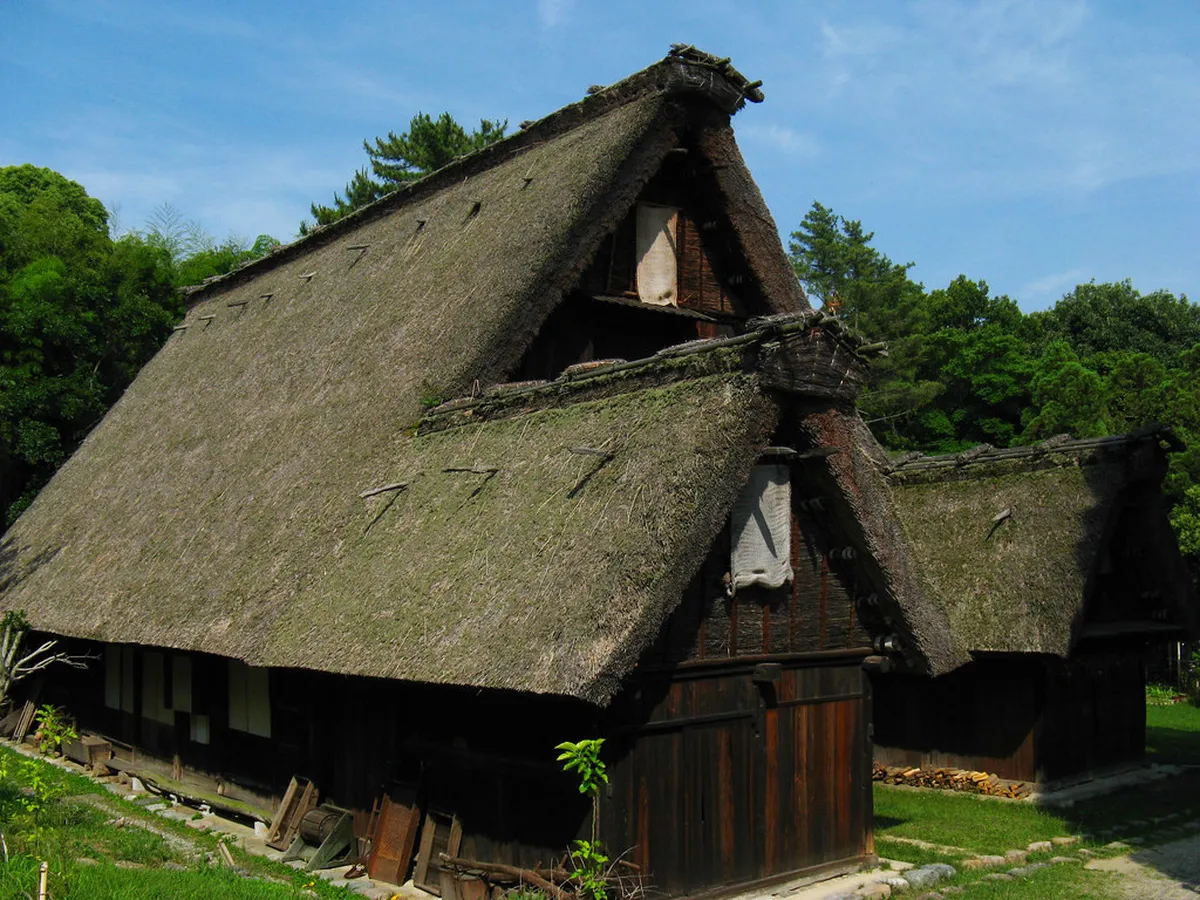
Kanda House, set back slightly from the main road, displays a different family trade — gunpowder production for feudal lords. Its upper floors offer some of the best interior views of the gassho roof structure itself, which is held together entirely with rope (no nails). Nagase House is smaller and quieter, illustrating the tools and records of a village physician. Combined entry to all three costs ¥1,100.
The Gassho-zukuri Minkaen (open-air museum, ¥600) is a step up in scale. Twenty-six buildings — farmhouses, storehouses, water mills, and a fire-watching tower — are scattered across a riverside landscape. Admission includes an English-language map. This is the right choice if time allows only one paid attraction, as the sheer variety and accessible grounds make it more rewarding per yen than any single house museum.
Museums, art, and culture in the village
Myozenji Temple and Museum (¥300 for the museum) is the largest religious complex in Ogimachi, founded in 1748. The bell tower with its thatched gassho roof is one of the most photographed structures outside the farmhouses. The grounds are free to wander and include a towering yew tree said to be over 500 years old.
The Shirakawa-go Three Houses scenic point — three gassho-zukuri facades grouped together facing a rice paddy — is the most reproduced image of the village. Access is free, but note that the landowner has roped off the field; the photograph you have seen online can no longer be fully replicated from that angle. A short viewing path lets you see the group clearly without entering the paddy.
For history context before exploring, the tourist information center adjacent to Seseragi Parking provides free English pamphlets explaining the Yui cooperative tradition and the UNESCO listing process. It is worth spending 15 minutes here if you arrive by car.
Parks, gardens, and outdoor spots in Shirakawa-go
The two observation decks — Ogimachi Castle Observation Deck (free, 15-minute walk from the terminal) and Shiroyama Tenshukaku (a few minutes further uphill) — give complementary views of the valley. The castle observation deck frames the village against the mountains and is best in morning light. Shiroyama Tenshukaku catches afternoon sun. Both are worth visiting in sequence rather than choosing one.
The Ogimachi Suspension Bridge over the Sho River is the natural dividing line between the main village and the Minkaen. Walking across it — especially in winter with snow on the riverbanks — is a highlight in itself. The riverside path below the bridge follows the water's edge for 10 to 15 minutes and is almost always quiet.
The eastern forest trail running along the village's far edge is perhaps the most peaceful spot in all of Shirakawa-go. Narrow, mostly unsigned, and lined with old residences and small shrines, it offers a contrast to the busy main street. On a snowy morning, it is genuinely extraordinary.
Family-friendly and budget-friendly options
Total entry costs for all major attractions — Wada House, Kanda House, Nagase House, Myozenji, and Minkaen — come to around ¥2,000 per adult (excluding food and transport). Visiting the observation decks, Three Houses, riverside path, and main street costs nothing. A selective visit covering just Minkaen and Wada House (¥1,000) covers the two highlights without overspending.
The Minkaen open-air museum is the strongest family option. Children can run between buildings on flat, well-maintained paths, and the variety of structures — water mills, storehouses, fire towers — holds attention better than a single house interior. Children under 15 enter for ¥300.
Luggage is a common stress point. The village has a small paid luggage room behind the bus information center, but space is genuinely limited. The better strategy is to leave large bags in coin lockers at Takayama Station, Kanazawa Station, or Nagoya Station before boarding your bus. Carry only what you need for the day.
Cash is essential. Many restaurants, stall vendors, and farmhouse museum ticket counters do not accept cards. ATMs at the village are limited and may not accept foreign cards. Withdraw yen at a convenience store ATM in Takayama or Kanazawa before departing.
What to know before your Shirakawa-go day trip
Reserve your bus seats — particularly on the Kanazawa and Nagoya routes — as early as possible. Kanazawa return buses can sell out a full week in advance on winter and autumn weekends. You board only with a confirmed reservation; walk-on seats are not available on reserved services. Keep your confirmation on your phone or printed; there is no QR kiosk at the boarding gate.
Remove your shoes before entering any of the farmhouse museums. Wear socks you are comfortable in, as interiors can be cold in winter. English signage exists in all major farmhouses, so a translator app is helpful but not essential for the core sights.
The village shuts down early. Most farmhouse museums close at 17:00, and food stalls often stop serving by 16:00. If you plan to catch a late bus (after 17:00), the main street becomes noticeably quieter in the last hour — which is actually ideal for photography. The Shirakawa-go Official Website publishes seasonal closing times and special event schedules.
Mountain weather changes quickly. Even in summer, temperatures at Shirakawa-go can drop significantly by late afternoon. Pack a light layer, rain jacket, and waterproof footwear if visiting in winter or spring. Snow-covered paths look beautiful but can be slippery — traction devices sold in village shops for about ¥500 are worth buying on the spot.
Reserve tickets early: essential bookings
Bus reservations can be made up to one month in advance via the Nohi Bus Official Site for Takayama and Kanazawa routes, and via the Gifu Bus website for Nagoya. Book both outbound and return in a single session — return buses fill faster than outbound on popular dates.
If you plan to visit during the winter light-up, enter the access lottery when it opens in autumn. The lottery system was introduced to control crowd density; general queuing on the night is not permitted. Consult the Visit Kanazawa Official Tourism site and Shirakawa-go official site for lottery opening dates, as they vary slightly year to year.
Farmhouse minshuku fill months in advance for winter weekends. For a 2026 winter stay, contact properties directly via the Shirakawa-go official accommodation directory in autumn. Most minshuku communicate in Japanese only, so a Japanese-language booking service or travel agent is useful if you are not confident with written Japanese.
Add an extra day: Gokayama and beyond
If you have a second day, the neighboring Gokayama villages are smaller and far less commercialized than Shirakawa-go. The Ainokura and Suganuma hamlets are both UNESCO-listed and reachable by local bus from the Shirakawa-go terminal. Expect fewer souvenir shops, no viewpoint shuttle, and a noticeably quieter atmosphere even in peak season.
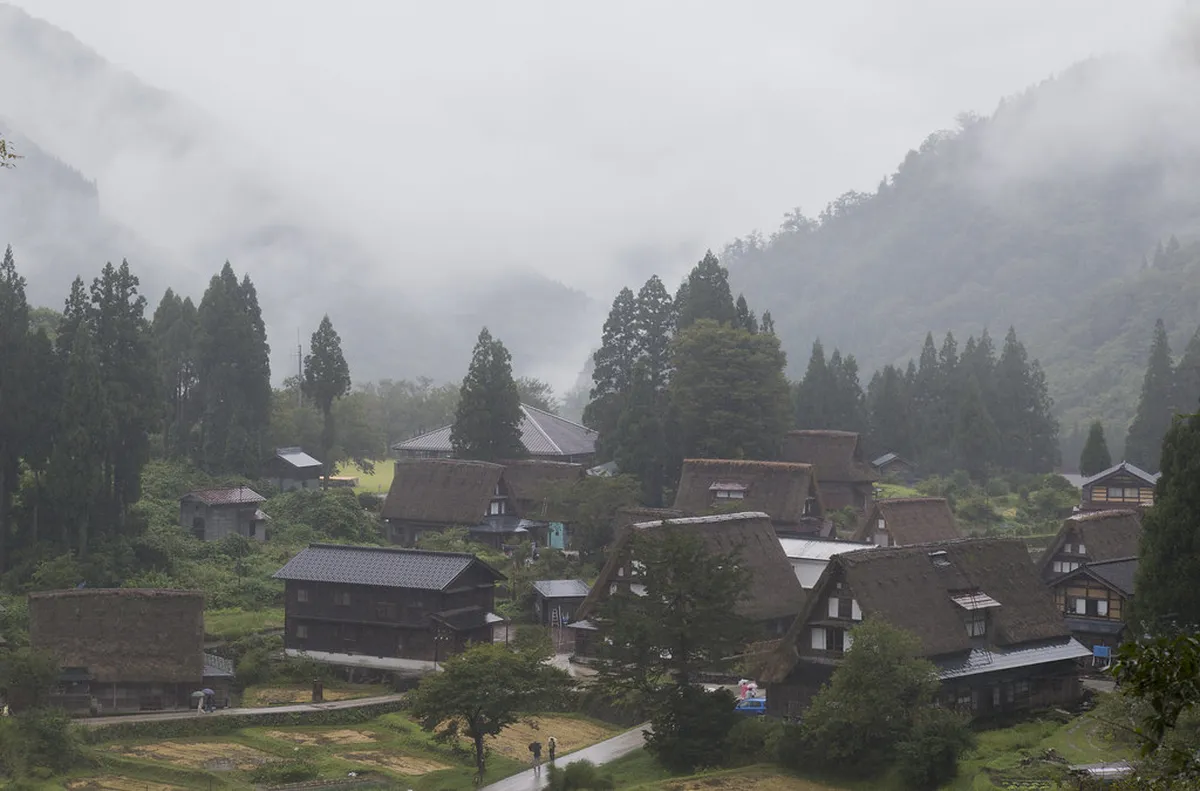
Combining both villages with a stay in Takayama makes for a perfect three-day central Japan loop. The Japan National Tourism Organization (JNTO) publishes regional transport guides covering the Takayama-Shirakawa-go-Kanazawa triangle in detail. This route allows you to add the Hida Folk Village (Hida no Sato) in Takayama — another open-air museum of over 30 gassho-style structures — before or after your Shirakawa-go visit for useful architectural context.
Frequently Asked Questions
Do I need to book the bus to Shirakawa-go in advance?
Yes, many bus routes from Takayama and Kanazawa require seat reservations. I recommend booking at least 3-5 days ahead during peak seasons. Some non-reserved buses exist, but they often have long queues.
Can I drive to Shirakawa-go in the winter?
Driving is possible but requires winter tires and experience with heavy snow. The Seseragi Park parking lot fills up quickly by 10:00 AM. In winter, roads can be icy and visibility very low.
Is Shirakawa-go worth visiting in the summer?
Summer is beautiful, featuring bright green rice paddies and blooming sunflowers. The village is much cooler than Tokyo or Osaka due to the elevation. It offers a refreshing escape from Japan's humid summer heat.
A well-planned Shirakawa-go itinerary ensures you experience the magic of this valley without the stress of logistics. From the historic Wada House to the sweeping views of the Shiroyama deck, every corner tells a story of mountain life and communal resilience. The timed schedule above keeps you moving efficiently while leaving room to linger where it matters.
Book your bus seats early, carry cash, and arrive on the first bus of the day. Whether you stay for a few hours or a full night, the gassho-zukuri houses will leave a lasting impression. Safe travels as you explore one of the most beautiful corners of rural Japan in 2026.
Free guide: Japan's Hidden Gems
12 under-the-radar places beyond Tokyo & Kyoto — with the best season to visit each and a local tip you won't find in the guidebooks.
You might also like


Continue reading
More guides you'll find useful


