Essential Info to Know About Shirakawa-go's Best Time (Jan-Feb)
This UNESCO village's gassho-zukuri roofs are built to survive 4 months of snowfall; winter light-ups draw crowds, but every season has its own appeal.
On this page
The mid-January to mid-February window is the best time to visit Shirakawa-go for those seeking the classic deep-snow aesthetic. While winter is famous, each season offers a distinct reason to explore this UNESCO World Heritage Centre site in the Hida region of Gifu Prefecture. The village of Ogimachi features unique gassho-zukuri farmhouses whose steep thatched roofs were built to withstand nearly four months of heavy snowfall. Choosing the right month depends entirely on whether you want snow, cherry blossoms, rice field reflections, or vibrant autumn leaves.
Planning ahead is essential. This small village faces serious crowd pressure during peak Japanese holiday periods, and the most celebrated events — the winter illuminations — require advance lottery tickets. Whether you arrive as a day-tripper from Takayama or stay overnight in a gassho farmhouse, getting the timing right transforms this trip from a pleasant visit into a genuinely unforgettable one.
What are the Best Things to Do in Shirakawa-go?
Exploring the interior of a traditional farmhouse is the most popular activity in Ogimachi. The Wada-ke House is the largest and most storied, offering a window into how families raised silkworms in the upper attic floors. Entry costs 400 JPY and provides access to historic tools and views of the surrounding fields. Walking through this structure helps you appreciate the engineering required to survive mountain winters.
The Kanda House is another Important Cultural Property open to the public for 400 JPY, and its smaller scale makes the domestic layout even more legible. Crossing Deai Bridge over the Sho River brings you to the Gassho-zukuri Minkaen open-air museum, which features 26 relocated historic buildings for 600 JPY. Several are accessible inside, letting you move at your own pace away from the busier village center.
Hiking or taking the shuttle bus to the Shiroyama Viewpoint is mandatory for any first-time visitor. From this elevated spot you can see the entire cluster of thatched roofs nestled against the river. Photographers gather here during golden hour when the lights begin to flicker on. The shuttle bus costs 200 JPY each way and departs regularly near the village center.
Spending a night in a gassho-zukuri home offers a deeper connection to local culture. A shirakawa-go gassho farmhouse stay typically includes traditional meals of Hida beef and foraged mountain vegetables. These stays book out months in advance through the local tourism association. Waking up before the day-trip crowds arrive — with only the sound of the river and birds — is a genuinely different experience from any day visit.
Understanding the History and Gassho-zukuri Architecture
Shirakawa-go's fame rests almost entirely on its gassho-zukuri farmhouses, and understanding what makes them remarkable adds depth to every walk through the village. The name gassho-zukuri means "hands in prayer," referencing the steep 60-degree roof angle that mimics two hands pressed together. This design, developed during the Edo Period under the regional Shogunate, was the practical solution to the region's extreme snowfall — the steep pitch prevents accumulation that would collapse a flatter roof.
What makes these structures even more extraordinary is that they were built without a single nail. Thick bundles of miscanthus reed thatch are bound together with rope and periodically rethatched by the entire community in a cooperative tradition called yui. The village still carries out yui rethatching ceremonies, which you may witness if you visit in autumn. The farmhouses also share a consistent orientation, with gable ends facing north and south to manage wind exposure across the Sho River valley.
Ogimachi is the largest of the three Shirakawa-go villages recognized as a UNESCO World Heritage Site in 1995, alongside the smaller Gokayama settlements across the Toyama prefectural border. Inside each farmhouse, an irori sunken hearth sits at the center of the ground floor, providing heat and a surface for cooking. The smoke rising through the floors also preserves the thatch above — a centuries-old synergy of architecture and daily life that has kept some of these buildings standing for over 300 years.
Winter: Snow Scenery and the Illumination Event
Winter is arguably the most iconic time to visit, but it demands the most preparation. Snow depth often reaches over two meters, creating the signature marshmallow look on the thick thatched roofs. Temperatures range from -5°C to 3°C / 23°F to 37°F, requiring thermal layers, waterproof snow boots, and hand warmers. The Shiroyama Viewpoint trail occasionally closes after heavy blizzards, so always check conditions before ascending.
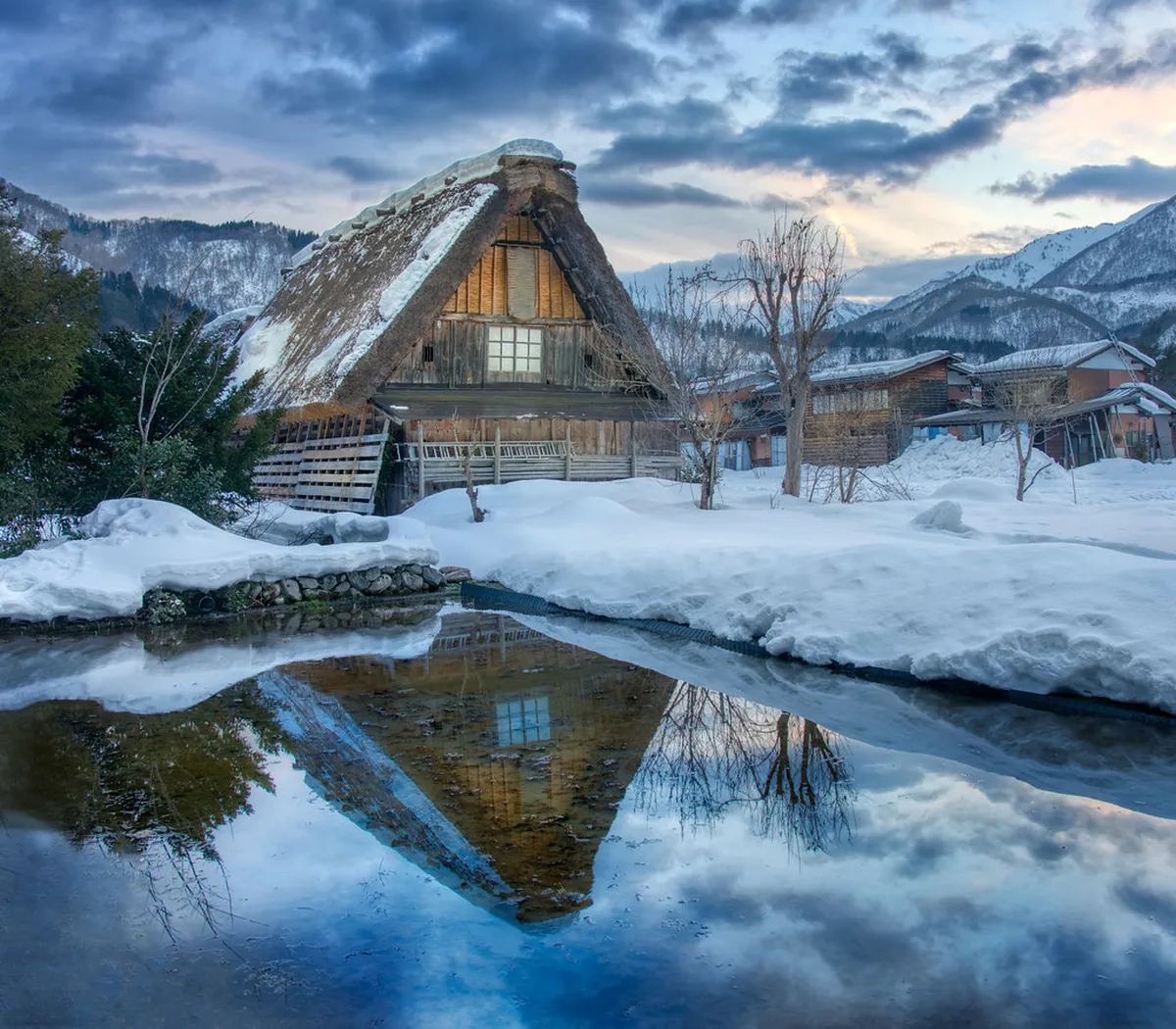
The annual shirakawa-go winter light-up event is the highlight of the season, but it is strictly regulated. In 2026, illumination evenings are scheduled on January 12, January 18, January 25, and February 1, running from 17:30 to 19:30. Access is controlled through a mandatory reservation system — you cannot simply show up. Tickets are allocated via a lottery that opens on the official tourism association website in early autumn, and demand far exceeds supply every year.
There are three reservation tiers worth understanding before you apply. Guests staying overnight at a participating inn inside the village receive guaranteed access as part of their booking. Visitors joining an official bus tour from Takayama or Kanazawa secure access through their tour operator, bypassing the general lottery. Independent visitors without either arrangement must win the public lottery; arriving at the village after 15:00 without a confirmed ticket or overnight booking is not permitted on illumination evenings. For non-illumination winter weekdays in late January and early February, access is free and the village is noticeably quieter, often blanketed in fresh snow.
Some smaller cafes and guesthouses reduce hours during the coldest weeks. The Gassho-zukuri Minkaen has restricted winter opening hours and closes every Thursday from December through March. Public buses still run, but mountain pass delays are common during heavy snowfall. Always check the Shirakawa-go Tourism Association for the latest closure and schedule updates before departing.
Spring: Cherry Blossoms and Rice Field Reflections
Spring arrives later in the mountains than in Kyoto or Tokyo. Cherry blossoms typically bloom from mid-April to early May, offering pink contrast against brown thatch and often a lingering dusting of snow on the surrounding peaks. The weather is mild — between 10°C and 20°C / 50°F and 68°F — and the paths are clear of ice. This is an excellent time for a kanazawa to shirakawa-go day trip, as Kanazawa itself is a beautiful spring destination.
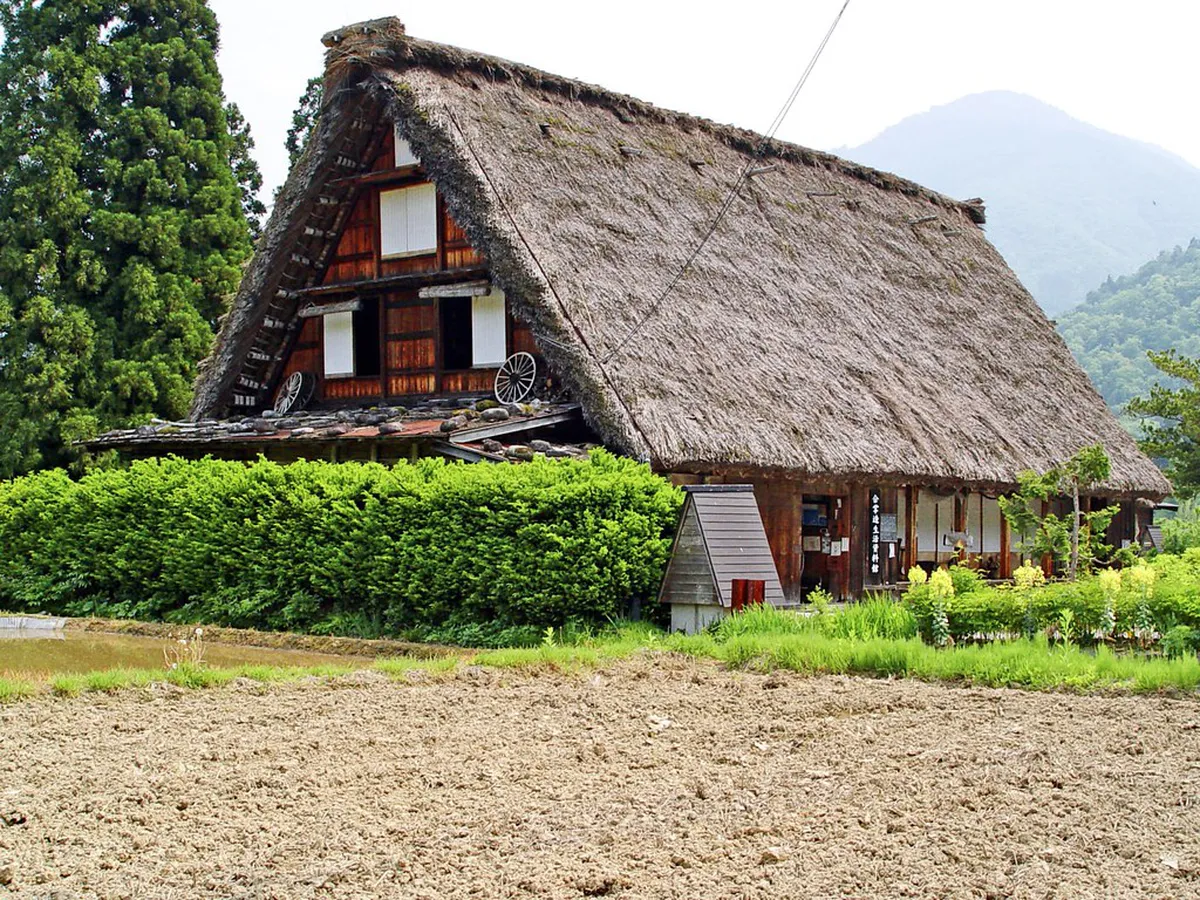
The first half of May offers a specific visual phenomenon that many photographers consider the true best time to visit. Farmers flood the rice paddies in preparation for the planting season, and the still water creates mirror-perfect reflections of the gassho-zukuri houses against the spring sky. The window is precise: once the rice seedlings are transplanted and grow tall — generally by late May — the reflection dissolves. Early morning visits on windless days produce the clearest images, before tour groups arrive and footfall creates ripples in the water.
Golden Week (late April through early May) brings the heaviest spring crowds. Buses fill quickly and some routes require advance reservation. If you value quiet over cherry blossoms, the last two weeks of March offer a stripped-back version of spring — bare trees, off-season prices, and almost no queues at the farmhouses. Early June continues this peaceful trend, with the valley turning an intense shade of green that rivals any season.
Summer: Lush Greenery and Mountain Festivals
Summer runs from June through August and brings a vibrant green hue to the valley as the rice plants grow tall and lush. Temperatures reach 20°C to 30°C / 68°F to 86°F, though the mountain air is noticeably cooler than in urban Japan. Early June sits in the rainy season, so pack a compact umbrella and expect some overcast days. By July the skies usually clear and the surrounding forests provide good shade for the walking paths.
Mountain festivals take place in July and August, featuring local Obon dance performances and small shrine events in Ogimachi. Summer is also the best time to hike the trails surrounding the village without worrying about snow or mud. The outdoor Gassho-zukuri Minkaen is at its most photogenic in summer, with garden plantings and full canopy cover framing the historic buildings. Crowd levels are moderate — lower than winter or autumn — making it easier to spend unhurried time inside the farmhouses.
Budget travelers benefit most from visiting in summer. Accommodation prices are generally lower than during peak winter and autumn seasons. The onsen at Shirakawa-go no Yu (open 07:00–21:00, 800 JPY, closed Thursdays) is a rewarding end to a full day of walking in the heat. June and early July also offer one of the quietest atmospheres in the village calendar — worth considering if your priority is solitude over dramatic scenery.
Autumn: Fall Foliage and the Doburoku Festival
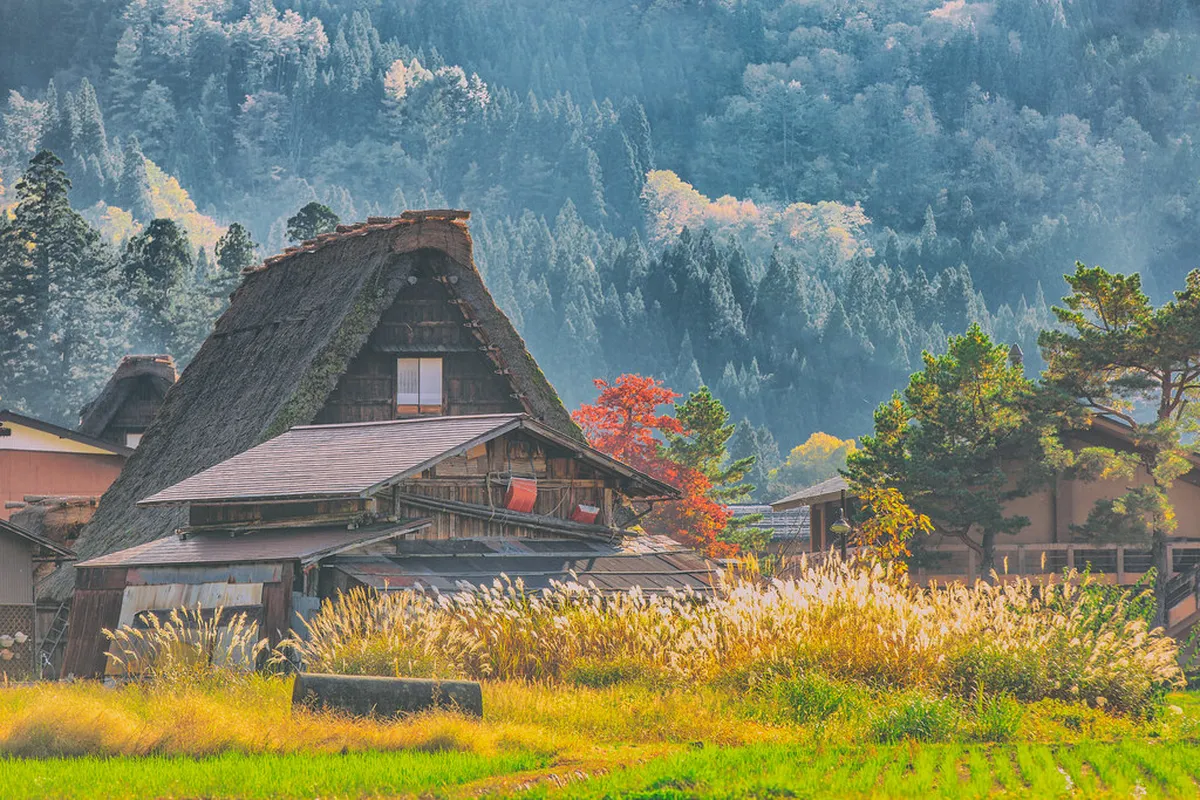
Autumn runs from September through November and is defined by two things: the foliage and the Doburoku Festival. The surrounding forests turn brilliant shades of red, gold, and orange, peaking between late October and early November. Temperatures drop to between 8°C and 18°C / 46°F and 64°F, making it comfortable walking weather. It is a busy season, so booking a shirakawa-go from takayama bus early is strongly recommended.
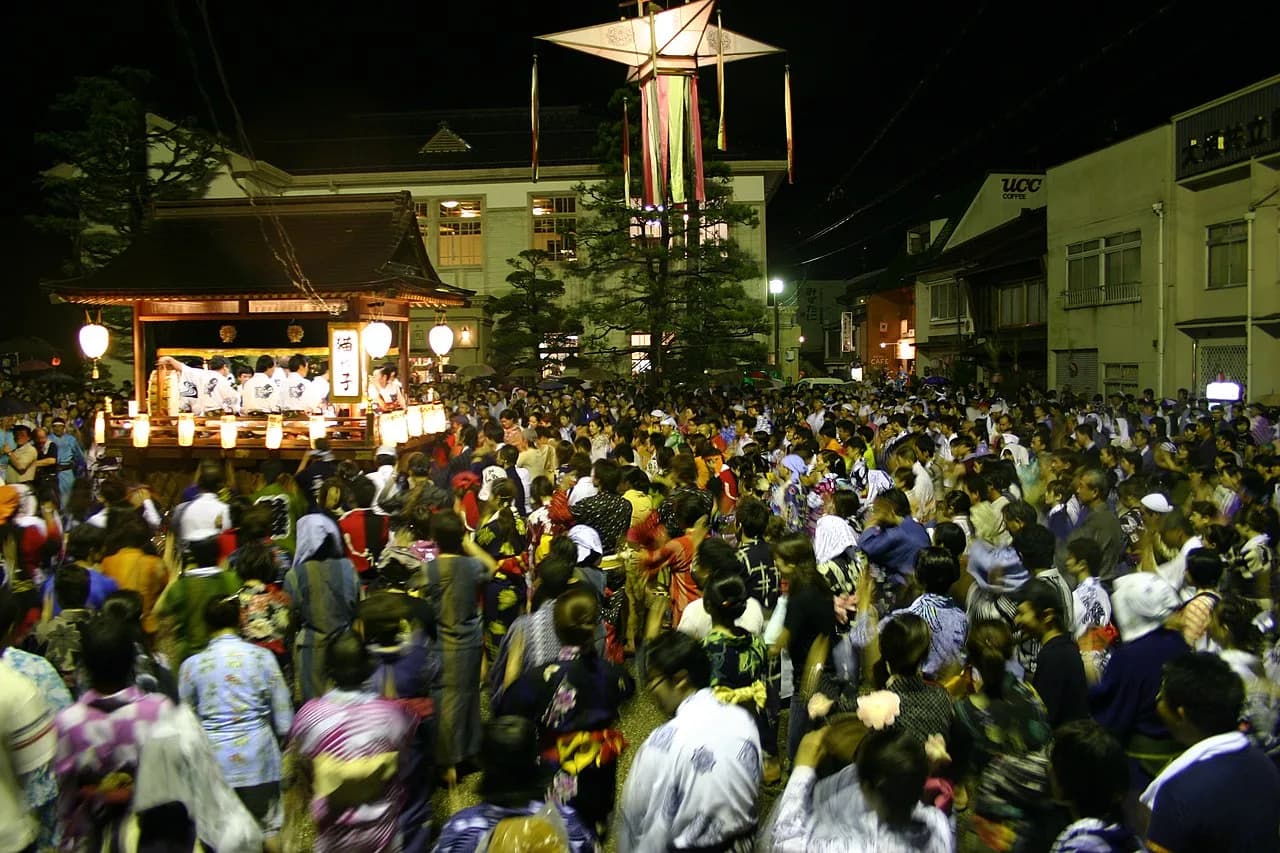
The Doburoku Festival takes place on October 14th and 15th at Shirakawa Hachiman Shrine, along with Hatogaya Hachiman Shrine and Ii Jima Hachiman Shrine. Villagers serve doburoku — an unrefined, milky sake brewed in the shrine breweries — to visitors alongside lion dance performances and folktale recitations. This home-brewed sake is unique: the people of Shirakawa-go hold a special government exemption allowing its production, a practice banned almost everywhere else in Japan. Arriving early on October 14th secures a spot near the shrine before the afternoon crowds peak.
Photographers seeking cosmos flowers should note that September is prime season, while persimmons hanging from eaves provide a distinctly Japanese autumn colour by mid-October. The contrast of orange persimmons against grey thatch and red maple is one of the most reproducible shots in the village — less dramatic than the snow-covered winter scene, but far less crowded to capture.
| Season | Temperature | Highlight | Crowd Level |
|---|---|---|---|
| Winter (Jan–Feb) | −5°C to 3°C (23–37°F) | Snow-covered roofs; illumination events Jan 12, 18, 25 & Feb 1 | Very High |
| Spring (Apr–May) | 10°C to 20°C (50–68°F) | Cherry blossoms; rice paddy reflections early May | High |
| Summer (Jun–Aug) | 20°C to 30°C (68–86°F) | Lush green valley; mountain festivals July–Aug | Moderate |
| Autumn (Sep–Nov) | 8°C to 18°C (46–64°F) | Foliage peak late Oct–early Nov; Doburoku Festival Oct 14–15 | High |
Pairing Shirakawa-go with Gokayama: When the Combination Makes Sense
Gokayama, located across the prefectural border in Toyama, is Shirakawa-go's lesser-visited sister UNESCO site. Its two small settlements — Suganuma and Ainokura — share the same gassho-zukuri architecture but receive a fraction of the crowds. The Kaetsuno Bus runs between Shirakawa-go bus stop and Suganuma (870 JPY, about 20 minutes) and Ainokura (1,300 JPY, about 35 minutes), making a same-day combination entirely feasible.
The pairing works best in late October or early November during the autumn foliage season. Shirakawa-go's Ogimachi village gets busy even on weekdays in peak foliage, but Ainokura in Gokayama often feels quietly empty. The valley there is narrower and the forested ridgeline closer, which creates a more intimate version of the autumn colour experience. Arriving at Shirakawa-go early, spending the morning there, then continuing to Gokayama by mid-afternoon is a practical half-day extension most visitors skip entirely.
In spring, the combination is also worth considering for photographers: Shirakawa-go for the rice field reflections in early May, followed by Gokayama for a quieter afternoon. Winter is the one season where the combination is harder to justify logistically — bus schedules thin out and road conditions can complicate timings. Summer is the easiest season to attempt the pairing due to reliable weather and less competition for bus seats.
How to Get to Shirakawa-go (Transport Guide)
There is no train station serving the village, so all visitors must arrive by bus or private car. The Nohi Bus connects Shirakawa-go to Takayama in approximately 50 minutes for 2,600 JPY one-way (4,600 JPY return). Reservations are required on many services, especially during winter and autumn peak weeks. Buses also connect from Kanazawa in about 75 minutes for 2,800 JPY and from Toyama in roughly 55 minutes.
If you are coming from further afield, a shirakawa-go from nagoya direct bus takes approximately three hours and costs around 4,000 JPY one-way. Most travelers covering a broader Hida itinerary use the Takayama-Hokuriku Area Tourist Pass to consolidate these bus costs. Driving is possible in summer and autumn, but winter drivers must have experience with heavy snow, winter tyres (required from December through March), and should account for significant parking congestion during New Year holidays. The Shirakawa-go Seseragi Park parking lot charges 2,000 JPY per day. The main Shirakawa Highway through the village is closed to private cars between 09:00 and 16:00, so the car is left at the parking lot regardless.
Where Should You Stay When Visiting Shirakawa-go?
Accommodation options inside Ogimachi are deliberately limited to preserve the village character. About a dozen gassho-style farmhouses operate as guesthouses or minshuku, offering traditional dinners, irori hearth communal spaces, and the chance to experience the village at dawn and dusk without the day-trip crowds. The Shirakawa-go Tourism Association website lists all participating properties with contact details — direct booking is normal, and reservations three to six months in advance are standard for winter weekends.
Shirakawa-go no Yu is the only hot spring facility inside Ogimachi, combining accommodation with open-air onsen baths. For day visitors, the baths are open from 07:00 to 21:00 for 800 JPY (cash only, bring your own towel or pay extra to rent one). If you cannot secure a room inside the village, staying in Takayama or Kanazawa and visiting on a day trip is the standard alternative — both cities offer a wide range of hotels and have direct bus access. Booking transport before accommodation is the practical approach: the last buses back to Takayama typically leave by 17:30 in winter, which limits your window if you miss the right departure.
Overnight stays have one concrete advantage beyond atmosphere: illumination event access. Guests booked at a participating inn inside the village receive confirmed entry on light-up nights, bypassing the public lottery entirely. If seeing the winter illuminations is your primary goal for the trip, securing an overnight booking at a village guesthouse months in advance is the surest path.
Frequently Asked Questions
When is the best month to see snow in Shirakawa-go?
January and February are the best months for deep snow. During this time, the village is consistently covered in a thick white blanket. Temperatures stay below freezing, ensuring the snow remains on the thatched roofs.
Do I need a reservation to see the Shirakawa-go light-up?
Yes, a reservation is mandatory for the illumination event nights. You must enter a lottery months in advance to secure a spot. Without a confirmed booking, you cannot enter the village after 3:00 PM.
How many hours do you need in Shirakawa-go?
Most visitors find that 3 to 4 hours is sufficient for a day trip. This allows time to tour a farmhouse and visit the viewpoint. Staying overnight is recommended for a more peaceful experience.
Shirakawa-go is a rare destination that maintains its charm regardless of when you choose to visit. Whether you witness the winter lights or the spring reflections, the village offers a profound look at Japanese history and architecture that has survived centuries of mountain winters. Make sure to book your transport and accommodation early — this is not a destination where spontaneity pays off. Respecting the local residents and their historic homes will help preserve this World Heritage site for future visitors.
Whichever season you choose, our full Shirakawa-go travel guide covers the village's attractions, farmhouse stays, and access routes in one place.
Free guide: Japan's Hidden Gems
12 under-the-radar places beyond Tokyo & Kyoto — with the best season to visit each and a local tip you won't find in the guidebooks.
You might also like


Continue reading
More guides you'll find useful