
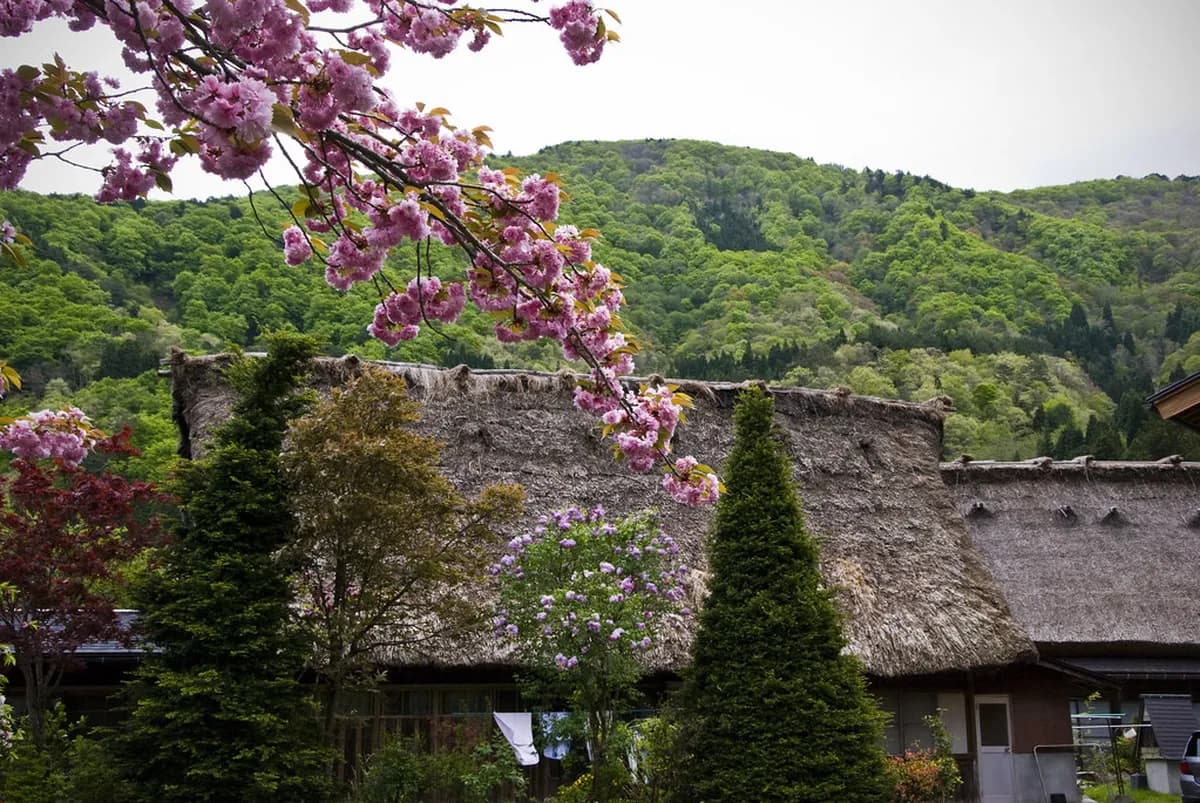
Nestled within the remote Shogawa River Valley, Ogimachi Village stands as the crown jewel of the Shirakawa-go region. This UNESCO World Heritage Site in Gifu Prefecture is famous for its remarkably preserved thatched-roof farmhouses. Our comprehensive ogimachi village visitor guide helps you navigate the narrow lanes and cultural treasures of this living museum. Travelers often visit to witness a lifestyle that has remained largely unchanged for hundreds of years.
Understand the History of Ogimachi Village
Ogimachi is the largest and most accessible village within the Shirakawa-go area. The village earned its UNESCO status in 1995 due to its unique architectural style and social structure. Historically, the isolation of the mountains allowed the community to develop a self-sufficient lifestyle focused on silk production. Today, the village remains a residential area where locals maintain the traditional spirit of 'Yui' or mutual assistance.
The surrounding mountains provide a dramatic backdrop that changes vividly with the four seasons. Walking through the village, you will notice how the houses are aligned to face north and south. This specific orientation minimizes wind resistance and maximizes sun exposure for the thatched roofs. Such thoughtful planning has protected these structures from heavy alpine snowfall for centuries.
Master the Transport: Getting to Ogimachi by Bus or Car
Most visitors arrive via the Nohi Bus Timetable from Takayama or Kanazawa. It is vital to distinguish between 'reserved' and 'non-reserved' seats when booking your tickets. Reserved seats often sell out weeks in advance, especially during the peak winter and autumn months. The journey from Takayama takes roughly 50 minutes, while Kanazawa is about 75 minutes away.
If you choose to drive, expect a toll-heavy journey through several long mountain tunnels. Parking is restricted to the Seseragi Park lot, which costs approximately 1,000 yen for a standard car. The village itself is a car-free zone to protect the delicate environment and pedestrian safety. Cross the Deai-mon Suspension Bridge from the parking area to enter the main village grounds.
Luggage storage is available at the main bus terminal, but lockers fill up quickly by mid-morning. Large suitcases are difficult to pull over the village's unpaved and often snowy paths. Consider using a luggage forwarding service from your previous hotel to avoid these logistical hurdles. Planning your arrival before 10:00 AM ensures you beat the largest tour bus crowds.
Explore the Top Must-See Attractions and Viewpoints
The Shiroyama Viewpoint offers the most iconic panoramic view of the entire valley. You can reach the summit via a 20-minute uphill hike or a convenient shuttle bus departing from near the Wada House. The shuttle costs 200 yen each way and runs roughly every 20 minutes during daylight hours. Photographers should aim for early morning light to capture the village without harsh shadows.
Inside the village, the Wada House is the largest and most prestigious farmhouse open to the public. This designated Important Cultural Property showcases tools used for historic silk cultivation in the attic. Entry fees are typically 400 yen, and you must remove your shoes before entering the wooden interior. The upper floors provide a fascinating look at the intricate rope-bound roof beams.
For a more immersive experience, visit the Gassho-zukuri Minka-en open-air museum. This site features 26 relocated buildings, including a watermill and a traditional shrine. It is located across the river from the main village and tends to be less crowded than the central streets. Check the Shirakawa-go Gassho-Zukuri Minka-en map for specific house locations.
- Comparing the Three Main Farmhouse Museums
- Wada House: Largest, most historic, best artifacts
- Kanda House: Great views from top floor
- Nagase House: Focus on medical history tools
- Cost: 400 yen per adult each
Learn About the Unique Gassho-zukuri Architecture
The term 'Gassho-zukuri' translates to 'constructed like hands in prayer' in Japanese. This name refers to the steep 60-degree angle of the roofs, designed to shed heavy snow. No nails are used in the primary structure; instead, flexible ropes and wooden pegs hold the beams together. This flexibility allows the houses to sway slightly during earthquakes or high mountain winds.
Each roof is covered in a thick layer of kaya, a type of pampas grass harvested locally. Re-thatching a single house requires a massive community effort involving over 100 volunteers. These events happen every 30 to 40 years and represent the enduring community spirit of the region. The dark, soot-covered interiors are a result of the open hearths used for heating and cooking.
Book a Traditional Minshuku for an Overnight Stay
Staying overnight in a minshuku is the best way to experience the village after day-trippers leave. These family-run guesthouses provide a futon on tatami mats and a shared bathing area. Dinner usually features local delicacies like Hida beef and mountain vegetables cooked over an irori hearth. Most bookings must be made months in advance through the Shirakawa-go Official Website or direct phone calls.
The village becomes incredibly quiet after 5:00 PM, offering a peaceful atmosphere for a walk. Note that many minshukus do not have modern amenities like en-suite bathrooms or Wi-Fi. Expect to pay between 10,000 and 15,000 yen per person including two meals. This authentic experience is worth the lack of luxury for most cultural travelers.
Respect the Locals: Essential Village Etiquette
It is vital to remember that Ogimachi is a living village, not a theme park. Many of the gassho-zukuri houses are private residences where families live and work. Avoid peering into windows or entering garden gates unless there is a clear entrance sign. Always stay on the designated public paths to avoid trespassing on farmland.
Trash management is a significant concern for the local community in Gifu. There are very few public trash cans, so you must carry your rubbish back to the terminal. Smoking is strictly prohibited outside of designated areas due to the extreme fire risk to thatched roofs. Drones are also banned across the entire UNESCO site to protect resident privacy and safety.
Pick the Perfect Season for Your Visit
Winter transforms Ogimachi into a snowy wonderland, attracting thousands of photographers. The famous Winter Light-Up events in January and February now require a lottery-based reservation. Without a confirmed booking for parking or a bus tour, you cannot enter the village during these nights. Daytime winter visits are still possible and offer stunning views of the snow-capped roofs.
Autumn brings vibrant red and orange foliage to the surrounding Shogawa River Valley. Peak colors usually arrive in late October or early November, depending on the year's temperature. Summer offers lush green rice paddies and cooler temperatures than the coastal cities. Consult the Japan Guide: Shirakawa-go for detailed seasonal weather averages.
Frequently Asked Questions
What is the best way to get to Ogimachi Village?
The most efficient way is taking the Nohi Bus from Takayama or Kanazawa. Reservations are highly recommended as seats fill up quickly. The journey offers scenic mountain views and drops you at the village terminal.
Can you stay overnight in a gassho-zukuri house?
Yes, several farmhouses operate as minshukus (guesthouses). You must book these well in advance through the official tourism association. It is a unique way to experience local hospitality and traditional meals.
How much time do you need in Shirakawa-go?
Most travelers find that 3 to 4 hours is enough to see the main sights. This allows time for the viewpoint, one house museum, and a local lunch. An overnight stay is better for a deeper experience.
Is Ogimachi Village crowded?
The village can be very busy between 11:00 AM and 3:00 PM when tour buses arrive. Visiting early in the morning or staying overnight allows you to enjoy the quiet streets. Weekdays are generally calmer than weekends.
Ogimachi Village offers a rare glimpse into Japan's rural past and architectural ingenuity. By following this ogimachi village visitor guide, you can ensure a respectful and rewarding journey. Whether you visit for the winter snow or summer greenery, the village leaves a lasting impression. Plan your logistics early to make the most of this unique UNESCO World Heritage Site.